







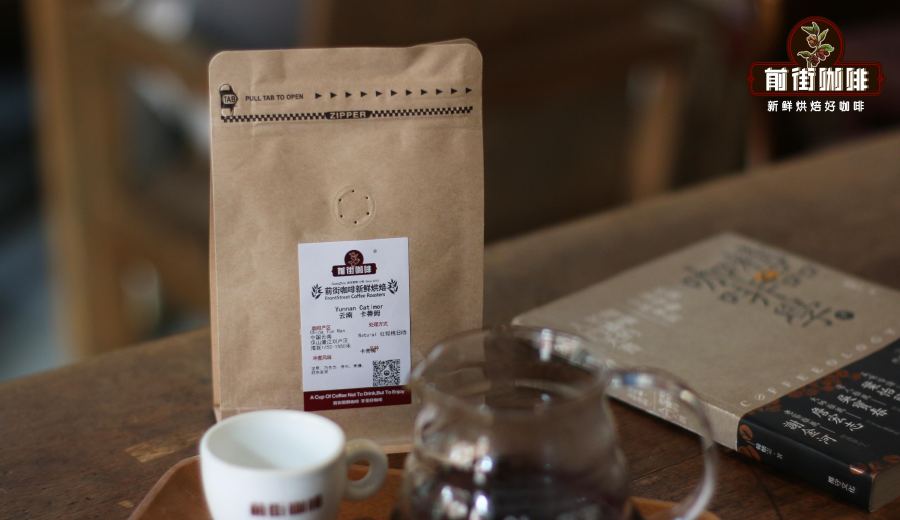
Introduction:Yunnan small-grind coffee has become a new darling of the specialty coffee market in recent years, but how much do you know about its varietal evolution and flavor characteristics? This article delves into the main cultivars grown in Yunnan—Typica and Catimor—analyzing their historical backgrounds, adaptable environments, and flavor differences. It also explains the impact of washed and natural processing methods on coffee performance. Additionally, practical pour over parameter suggestions are provided to help you more fully experience the diverse flavors of Yunnan coffee.
In recent years, Yunnan coffee has gradually made its mark on the international specialty coffee scene, with many cafés beginning to include beans from the Yunnan growing region in their offerings. Among them, Baoshan small-grind, Typica, and sun-dried processed options have garnered particular attention. This article will explore the characteristics of Yunnan small-grind coffee under both washed and natural processing from the perspective of actual flavor profiles. It will also trace how Typica was introduced to Yunnan and once served as the dominant cultivar, as well as how it was later replaced by Catimor due to yield and disease resistance demands. Furthermore, we share practical experience in high-altitude planting and processing, along with specific pour over parameters for brewing Yunnan small-grind everyday beans, allowing coffee enthusiasts to gain a deeper understanding of this promising origin.
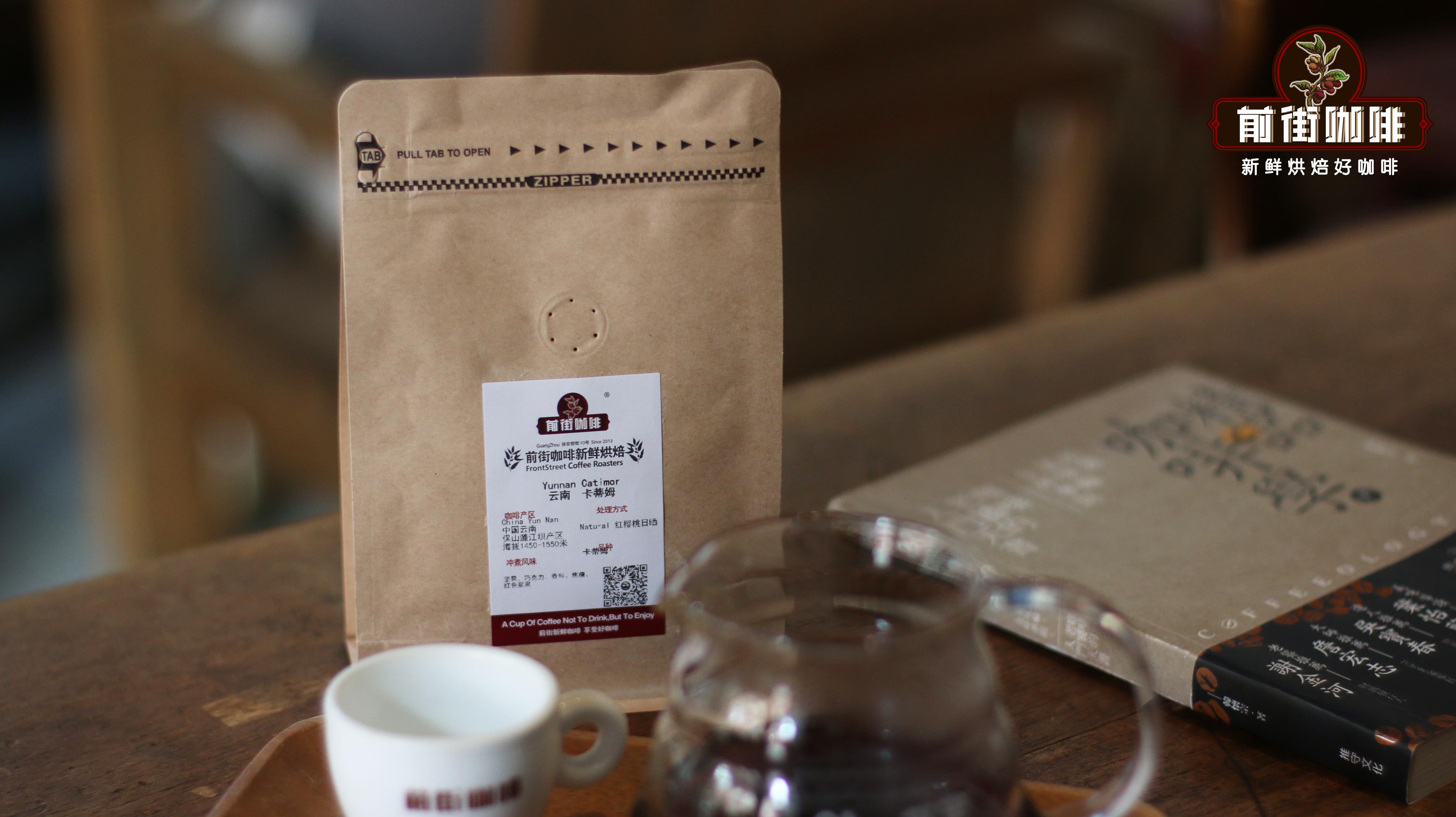 Over the past few years, the development of Yunnan coffee has been evident, with at least one Yunnan-origin bean appearing on the menus of many specialty cafés. Among various roasting brands, multiple offerings from this origin have also been launched, such as Baoshan small-grind everyday beans, the classic Typica variety, and Typica processed via traditional sun drying. These beans are mostly washed or sun-dried, avoiding excessive processing that might mask their innate flavors, allowing consumers to get closer to the true expression of Yunnan coffee.
So, what do Yunnan coffees actually taste like? Judging by the many Yunnan beans currently on the market, most use natural processing methods like washed and sun-dried, which—compared to some that employ special fermentation or intense post-harvest techniques—are better able to present the original layers and subtleties of Yunnan coffee. For example, washed Yunnan coffee is known for its high cleanliness, bright acidity, and low defect rate, which can more clearly showcase the flavor spectrum of the coffee itself. As a result, it is also the preferred processing method for many everyday beans.
According to cupping results, a washed Yunnan small-grind coffee, when ground, emits distinct roasted hazelnut and light floral aromas. Upon tasting, it reveals notes of chocolate, nuts, and brown sugar. As the temperature drops, the acidity softens into a plum-like tone with subtle tea-like qualities. Overall, the cup is balanced with good body. In fact, the flavor expression of coffee is closely related to varietal traits, growing altitude, harvest ripeness, processing method, roast level, and the final brewing technique—and Yunnan coffee is no exception.
Currently, the main cultivar in Yunnan is Catimor, a relatively young variety that is not a purebred Arabica. As early as 1904, French missionary Father Timothée introduced Typica to Zhugula Village in Binchuan, Yunnan. This ancient variety originating from Ethiopia belongs to orthodox Arabica and is also the foundation variety of many renowned origins, such as Jamaica Blue Mountain. Typica is known for its delicate aroma and diverse flavors, but it has relatively low yields and is prone to rust disease, requiring higher farming skills and management. It is thus difficult to maintain in agricultural settings focused on yield.
In comparison, although Robusta has a simpler flavor profile, it boasts advantages such as high yield, strong disease resistance, and adaptability to low-altitude environments. Arabica, on the other hand, requires higher altitudes and significant diurnal temperature variations to accumulate sufficient flavor compounds. Therefore, Yunnan’s geographical conditions make it one of the ideal regions for developing Arabica—especially small-grind coffee—leading to its early distinction as “small-grind coffee” to differentiate it from the medium-grind Robusta grown in places like Hainan.
After 1988, with the entry of international brands such as Nestlé into Yunnan, the high-yield and disease-resistant Catimor variety was introduced, accompanied by stable purchase contracts. This hybrid variety, which contains 25% Robusta genes, quickly replaced Typica to become the dominant planting choice in Yunnan. Catimor trees are shorter with dense branching, suitable for high-density planting, and resistant to leaf rust and certain diseases. The fruits mature quickly, and yields are significantly higher. However, due to its Robusta lineage, when planted at low altitudes, it can easily exhibit bitterness, astringency, or even earthy flavors. If planted at insufficient altitudes or processed improperly, the flavor profile is often subpar. Only in suitable high-altitude environments—such as above 1200 meters—can it display a more balanced and stable aromatic expression.
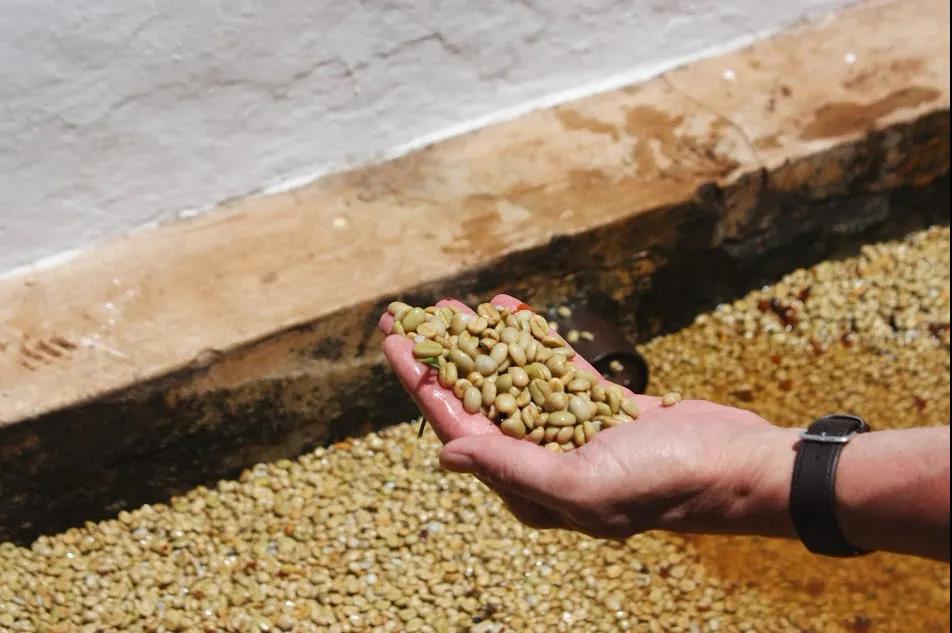
Despite the market dominance of Catimor, some farms and brands remain committed to preserving the cultivation of Typica, particularly in high-altitude environments like forested areas at 1300 meters, where Typica can enjoy a longer maturation period and richer flavor accumulation. For instance, in the Lincang region, influenced by the warm, humid air currents of the Indian Ocean and the southwest monsoon, although the four seasons are not distinctly marked, the dry and wet seasons are clear. With abundant sunshine (averaging over 2000 hours per year) and short frost periods, a three-dimensional climate zone suitable for small-grind coffee growth has formed.
In Lincang’s planting practices, some producers choose to grow Typica at high elevations and employ natural sun-dried processing. From site selection and seedling cultivation to harvesting and drying, the entire process is controlled by the same team to ensure consistent quality. During sun drying, only fully red ripe cherries are picked, and through regular turning and well-ventilated drying racks, over-fermentation or uneven drying is avoided. The final sun-dried Typica product exhibits a fuller mouthfeel, along with bright notes of citrus and berries, a hint of fermented wine aroma, and a caramel-like sweetness, showcasing a flavor profile distinctly different from Catimor.
For brewing recommendations, since Yunnan small-grind coffee typically has a balanced acidity and sweetness, a medium roast level is suggested to balance body and clarity of flavor. For pour over, it is recommended to use a V60 filter cone with a medium-fine grind passing through a 20-number sieve at 80% efficiency, and a powder-to-water ratio of 1:15, with water temperature around 90°C. A specific operation could involve a three-stage pour: the first stage pours 30g of water for a 30-second bloom, followed by the second stage pouring 95g, and the final stage pouring 100g, with a total extraction time of about 2 minutes. This approach fully highlights the dry fragrance of nuts and berries, as well as the sweetness of herbs, chocolate, and brown sugar, leaving a gentle finish of plum-like acidity and subtle fruity notes.
The above content is compiled by CoffeeHunters, a coffee news website.


