








Introduction:Why are the jasmine and lemon aromas of Yirgacheffe so captivating? This article explores the science behind coffee floral notes — from volatile compounds and varietal characteristics to processing methods — and provides a detailed breakdown of the flavor profiles and recommended beans in three major floral categories: white, delicate, and intense. It also includes practical V60 pour over parameters to help you precisely extract those enchanting floral and fruity layers.
When Yirgacheffe is mentioned, many people immediately think of that refreshing jasmine and citrus acidity, often accompanied by a honey-like finish and a subtle green tea aftertaste. This layered expression actually stems from the complex combination of volatile compounds in coffee beans, including terpenes, esters, and aldehydes, which gradually develop through the bean’s growing environment, genetic variety, and post-harvest processing, and are released during the pour over process.
Many beginner or intermediate coffee drinkers find that identifying floral notes is more challenging than fruit notes during taste training. This is because floral molecules are highly volatile, have a short presence, and are often intertwined with other aromas, making them harder to isolate. However, once you grasp the key elements, you can not only distinguish between different types of floral and fruity aromas but also more accurately bring out their charm during brewing.

The aroma of coffee beans is influenced not only by the genetic traits of the variety itself but also greatly shaped by the microclimate of the origin, processing method, and roast level. For example, washed processing preserves more of the original fruit acids and delicate floral notes, especially in high-altitude African regions such as Ethiopia’s Yirgacheffe and Sidamo, where the green beans often exhibit bright acidity and clear floral-fruit tones. Light to medium roasts further highlight these refined aromatic features, avoiding excessive caramelization that could mask subtle nuances.
If you want to explore coffee beans with fruity and floral flavors, it’s recommended to choose freshly roasted products and pay attention to the roast date to ensure the flavors are at their peak. Generally, the optimal drinking window is within 5 to 14 days after roasting, especially for light-roast floral-type beans, where freshness has a significant impact on aroma expression. Additionally, choosing a reputable roaster ensures the beans maintain good quality during storage and transportation.
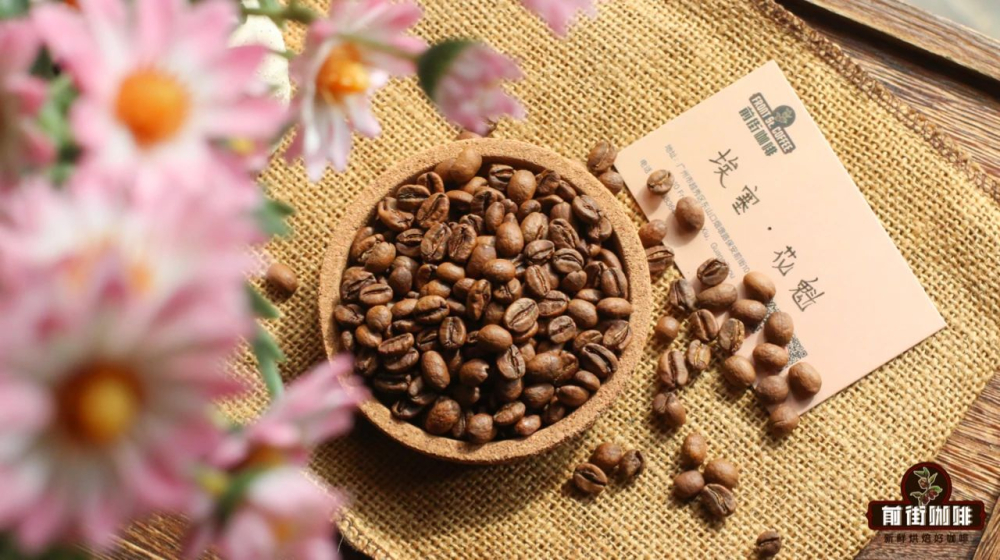
Floral notes in coffee can generally be divided into three categories: “white floral” represented by jasmine and brandy flowers, commonly found in washed, light-roast African beans, with fresh and bright flavors; “delicate floral” with soft sweet scents like rose and lychee, such as certain honey-processed or specialty Geisha varieties, with a gentler aroma; and “deep floral” dominated by osmanthus and chamomile, which tend to be more intense and may have a slightly sharp initial impression, but can reveal deep complexity when brewed properly.
During actual tasting, it’s recommended to pay special attention to the floral expressions during the coffee grinding stage, the blooming phase, and when the coffee liquid cools to medium temperature (around 60–70°C), as these are often the moments when floral notes are most prominent. Comparing the scents you perceive to familiar real flowers can help train your olfactory memory and further enhance your ability to identify coffee flavors.
For coffee enthusiasts who enjoy pour over brewing, here are practical V60 pour over parameters suitable for Yirgacheffe washed beans that highlight fruity and floral notes:
• Coffee beans: Washed Yirgacheffe
• Dripper: V60
• Water temperature: 91–92°C
• Coffee dose: 15 grams
• Coffee-to-water ratio: 1:15
• Grind size: Fine sugar-like (approximately 80% passing through a #20 sieve)
As for the steps, start by pouring 30 grams of water for a 30-second bloom, using a gentle stream to ensure even saturation of the coffee bed. Then pour 95 grams of water at a slightly higher flow rate steadily until the total reaches 125 grams, aiming to complete this stage around 55 seconds for full extraction. Finally, when the liquid level drops halfway, switch to a smaller stream to pour 100 grams of water, bringing the total brew volume to about 225 grams, with the entire process controlled to around 2 minutes. These parameters are designed to highlight the bean’s inherent jasmine aroma and lemon acidity, while balancing sweetness and aftertaste.
Whether you’re just starting out or already an experienced coffee enthusiast, understanding the sources of floral notes and key extraction points can lead to a richer sensory experience when enjoying coffee. From bean selection and grinding to brewing, each step influences the final aroma and flavor — with careful adjustments, you too can brew coffee with garden-like fragrances at home.
The above content is compiled by CoffeeHunters, a coffee news website.


