







Introduction:Rwanda is known as the "Land of a Thousand Hills," where high altitudes and volcanic soils nurture premium coffee. However, ethnic conflicts and price fluctuations once severely damaged the industry. Today, washed Bourbon variety beans have become key to its revival. This article delves into the characteristics of Rwanda’s coffee-growing regions, the background of its varieties, and provides a detailed analysis of the flavor profile and brewing recommendations for Geshika washed beans, helping you master the brewing secrets of this African gem.
Located in Central Africa, Rwanda is dubbed the "Land of a Thousand Hills" due to its mountainous terrain. Its high-altitude areas, paired with volcanic soils and temperate highland climates, offer an ideal environment for coffee cultivation. However, the 1994 genocide and global coffee price downturns once brought the country’s coffee industry to the brink of collapse. Fortunately, during its subsequent recovery, coffee emerged as a vital cash crop. Washed beans, primarily of the Bourbon variety, have gradually gained international recognition for their bright acidity and layered fruity notes.
Many wonder why, despite neighboring renowned coffee regions like Ethiopia, Rwandan coffee is less common in consumer markets. In fact, Rwanda was successively colonized by Germany and Belgium in the early 20th century, and coffee was introduced by German missionaries. Initial plantings were concentrated in the Kivu region before expanding nationwide. However, during the colonial period, the Belgian government strictly controlled export quality, keeping the industry in a state of low-price competition for years. Coupled with a lack of proper washed processing facilities, Rwandan coffee struggled to stand out. It wasn’t until the establishment of the official coffee organization OCIR after independence, leveraging the natural advantages of high altitudes and fertile soils, that the industry gradually turned around.
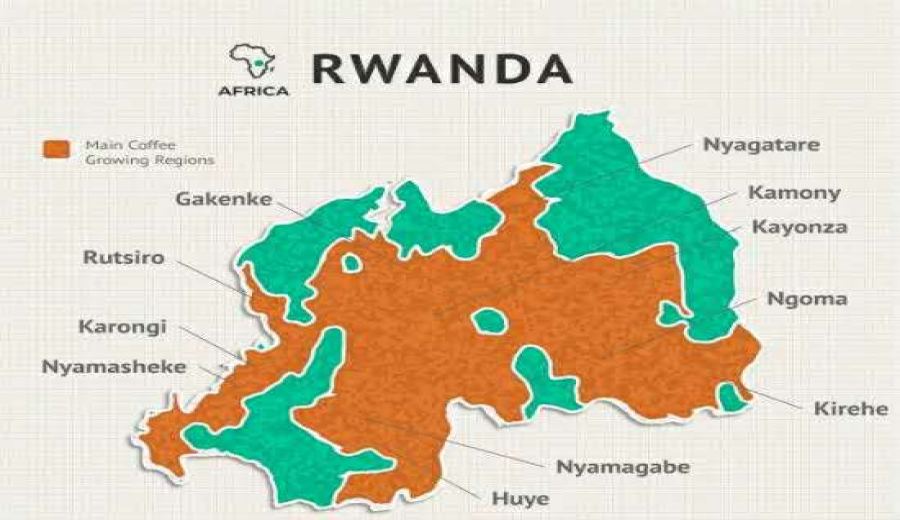
Rwanda’s coffee-growing regions are mainly distributed in the south, west, east, and north. The southern Huye Mountains and Nyamagabe regions, with their higher altitudes, often produce beans with elegant floral notes and citrus tones. The western Nyamasheke region by Lake Kivu is known for its rich fruitiness and full body—it’s the origin of the Geshika beans analyzed here. The eastern Ngoma Lakes area features chocolate and fruity flavors, while the north presents a blend of citrus, nuts, and caramel. The listed Geshika coffee comes from the western Nyamasheke region, a Bourbon blend, with medium-light roasting highlighting its bright acidity and complex layers.
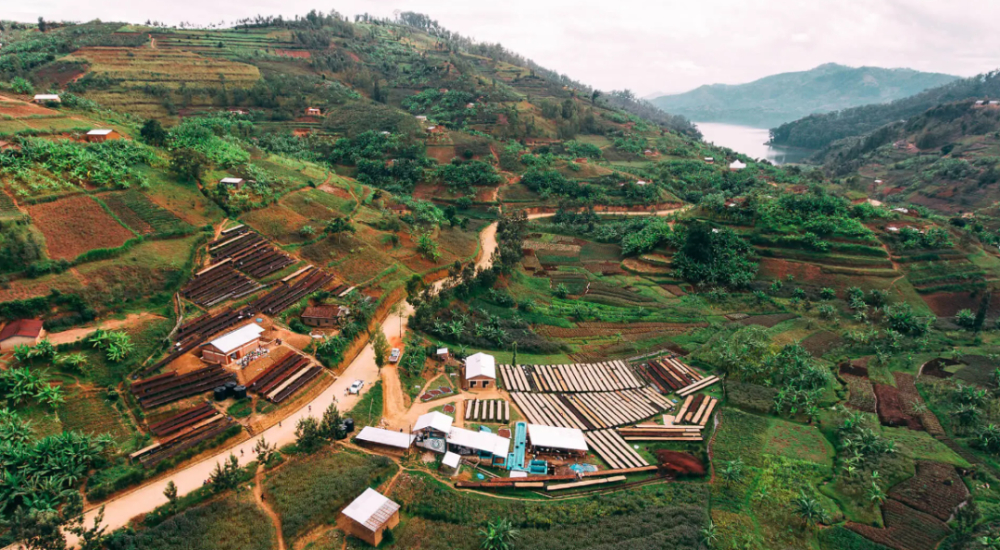
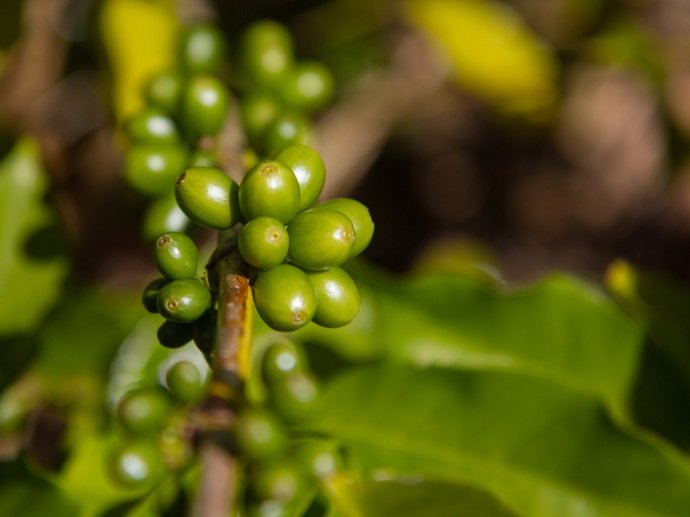
Over 90% of Rwanda’s coffee is of the Bourbon variety or its mutations. Bourbon coffee trees are disease-resistant and adaptable to varying climates, but their cultivation once shrank due to lower disease resistance compared to other varieties. Compared to Latin American Bourbon mutations (such as Brazil’s Red Bourbon or Colombia’s Pink Bourbon), Rwandan Bourbon has advantages in stability and adaptability—part of why it became the country’s main variety. Additionally, local farmers often plant at elevations of 1,700 to 2,000 meters, where high altitudes slow fruit ripening, allowing richer flavor compounds to develop.
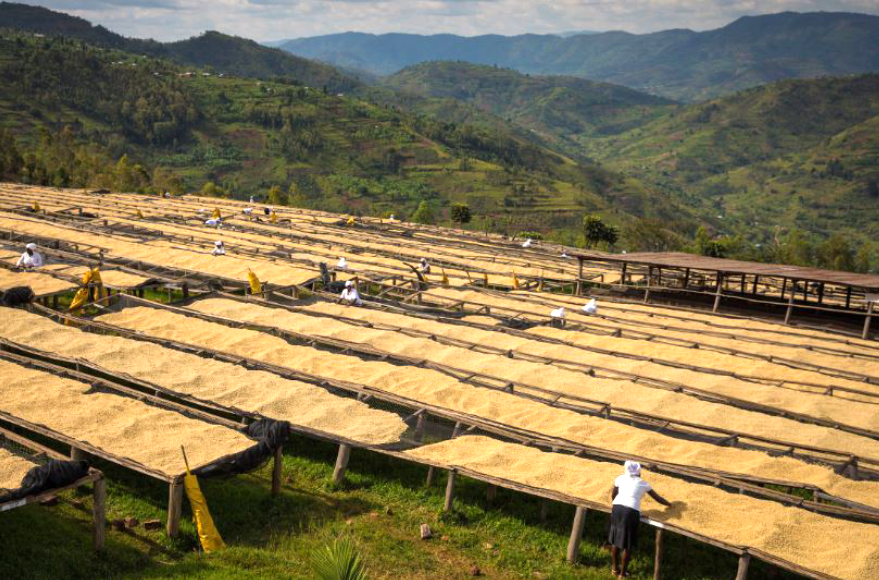
Washed processing is the norm in Rwanda, with meticulous steps: first, floatation removes underripe, low-density beans; then, the skin and pulp are stripped. The mucilage-covered beans are fermented in water tanks—a stage requiring strict time and temperature control to avoid flavor loss. After fermentation, the mucilage is rinsed off with clean water, and the parchment-covered beans are sun-dried on raised beds for 15 to 22 days until moisture content drops to 11–13%.Notably, local farmers prioritize red cherries (ripe fruit) for processing, a key factor in ensuring the washed beans’ cleanliness and bright acidity.
Rwanda hosted its first COE (Cup of Excellence) competition in 2010, becoming the only African country to hold the event. Through an international bidding system, it allowed global buyers to discover high-quality lots. However, the country temporarily lost its competition eligibility after two COE events featured "potato defect" (a green bean flaw with a raw potato-like earthy taste). This defect may stem from insect bites causing bacterial infection, but purchased Rwandan beans have shown no such issues, so consumers can enjoy them with confidence.
For Geshika washed beans, medium-light roasting preserves their crisp acidity and fruity notes. Over-roasting can cause fruit acids to fade, weakening the flavor. For actual brewing, we recommend medium-fine grind (like pour-over fine sugar texture), water temperature at 90–92°C, and a step extraction method (e.g., 30g coffee → 50g bloom for 30 sec → pour to 225g total). This highlights its citrus sweetness, berry notes, and honey finish.
Below are the detailed parameters for Rwanda Geshika coffee beans:
Region: Nyamasheke (western shore of Lake Kivu)
Processing Farm: Geshika Processing Factory
Planting Altitude: 1,700 to 2,000 meters
Processing Method: Washed Process
Variety: Bourbon, Catuai, Caturra
Flavor: Citrus sweetness, bright acidity, berry and apple notes, mid-palate honey sweetness, and almond and chocolate undertones in the finish
The above content is compiled by CoffeeHunters, a coffee news website.


