







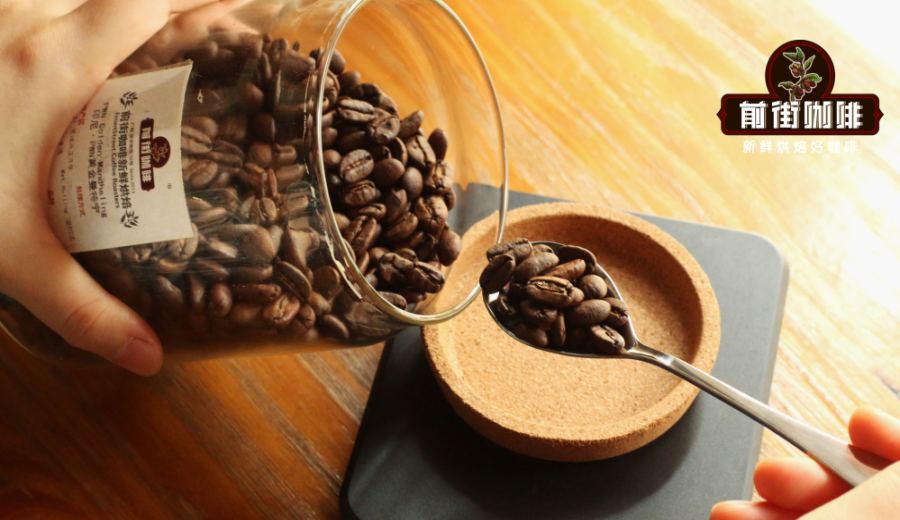
Introduction:Indonesian Mandheling coffee is renowned for its distinctive flavor profile, with Golden Mandheling being particularly prized for its rich body and spicy notes. This article delves into Indonesia’s green coffee bean grading system, explores the key steps of the wet-hulled processing method, and explains how G1 grade and triple hand-picking ensure quality. It also covers PWN’s exclusive ownership of the “Golden Mandheling” trademark, as well as the flavor characteristics under dark roasting, helping you grasp the essence of this classic bean.
When it comes to Indonesian coffee, Mandheling is undoubtedly one of the most representative varieties. Among the various types of Mandheling, Golden Mandheling stands out with its bold, full-bodied flavor and unique pine and spice notes, making it a favorite among many coffee enthusiasts. Not only does it have a standout flavor, but its price is also significantly higher than that of regular Mandheling. This difference is mainly due to its rigorous grading system and special post-harvest processing. This article will start with Indonesia’s green coffee bean grading standards, analyze the characteristics of the wet-hulled process, and guide you through the quality control process of G1 grade and triple hand-picking, as well as PWN’s exclusive management of the “Golden Mandheling” brand.
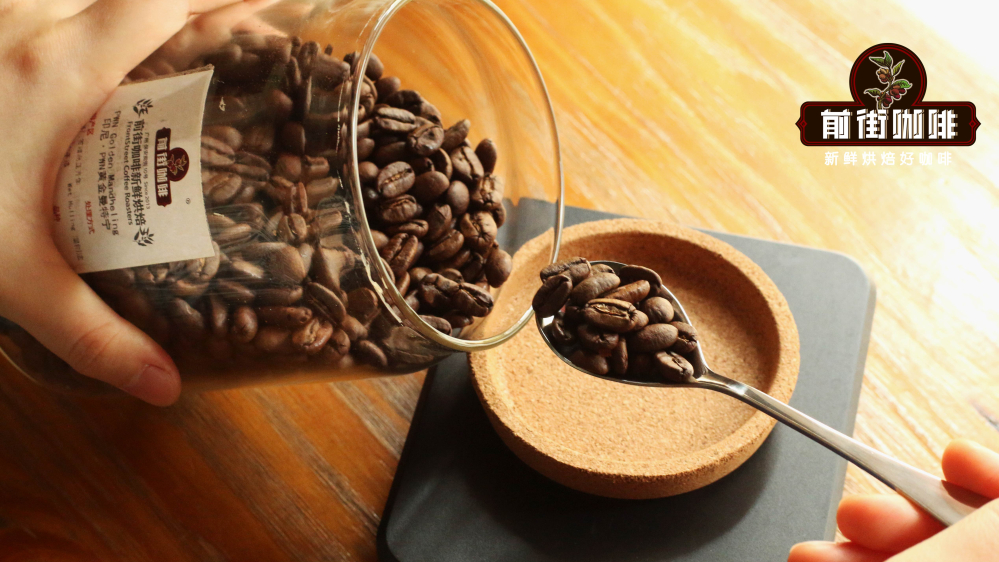
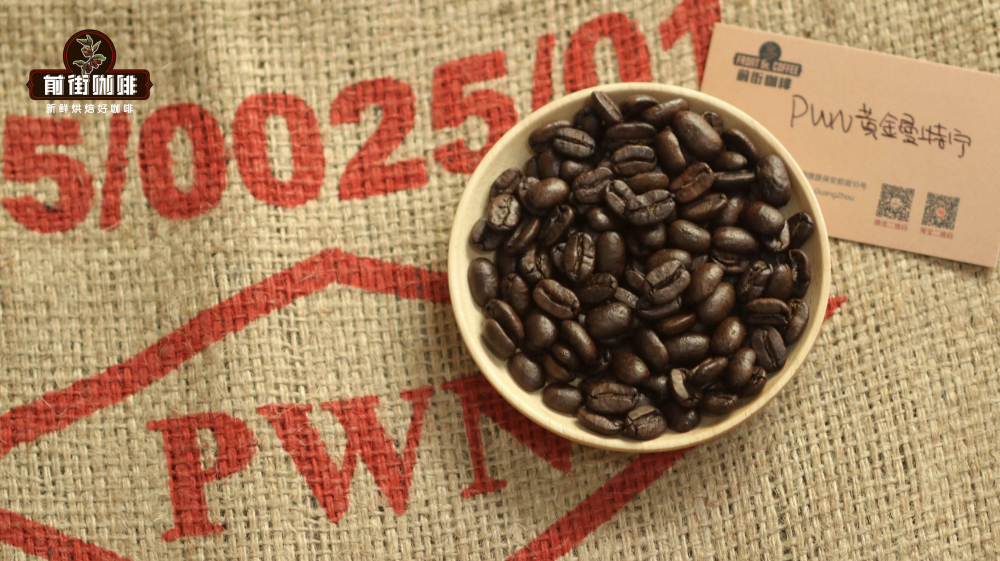
The reason Golden Mandheling commands a higher price lies not only in its flavor but more importantly, in the assurance provided by its origin, grade, and brand. Many may not know that only products produced by PWN can be considered authentic “Golden Mandheling.” PWN (short for Pawani) is an Indonesian green coffee bean buyer established in 1957. Originally engaged in rubber trading, it gradually shifted its focus to Mandheling variety procurement due to the demands of Japanese buyers. The company has long been deeply involved in the Gayo highland region of Aceh, ensuring a stable supply of high-quality Arabica green beans through stable cooperation with local farmers. PWN’s management registered the high-standard Mandheling produced in this region under the trademark “Golden Mandheling,” meaning that only products exported by PWN can rightly bear this name.
To deeply understand the uniqueness of Golden Mandheling, we must first look at the “wet-hulled” method it employs. This is a typical processing technique in Indonesia, vastly different from the common washed or natural methods. Due to Indonesia’s persistently humid climate—with average annual humidity ranging from 70% to 90% and annual rainfall often exceeding 2000 mm—traditional sun-drying or washed processing is difficult to control. The main steps of the wet-hulled process include: first removing the fruit skin and pulp of the coffee cherry, fermenting, and washing away the mucilage, similar to the washed process. Next, the coffee beans, still covered in parchment, are partially dried in the sun for 2 to 3 days until the moisture content drops to 20% to 24%. At this point, the beans are still relatively soft, so the parchment layer is removed. Since the beans are not yet fully dry, hulling can easily cause them to be compressed and deformed, resulting in the so-called “elephant ear” appearance. Finally, the green beans are moved indoors to continue drying until the moisture content reaches 12% to 13%, completing the process.
What makes the wet-hulled method unique is that during the hulling process, friction between the parchment layer and the bean releases white or greenish mucilage. Coupled with the high-humidity environment, this makes the surface of the green beans soft, whitened, or even slightly grayish-green. Although this process can easily damage the beans or cause cracks, it also imparts the distinctive woody, spicy, and herbal notes of Indonesian coffee—what we commonly refer to as the “Mandheling flavor.”
In addition to the processing method, Indonesia’s coffee grading system is also key to influencing flavor and price. Indonesian green bean grading is primarily based on the number of defective beans, while also considering bean size. Generally, high-standard green beans must be free of live insects, mold, have a moisture content not exceeding 12.5%, and an impurity rate below 0.5%. Based on defect rates, green beans are divided into six grades, with G1 being the highest. It requires no more than 11 defective beans in a 300g sample. The Lintong Mandheling from this region falls under the G1 grade, processed using the wet-hulled method, showcasing the foundational flavors of traditional Indonesian Mandheling.
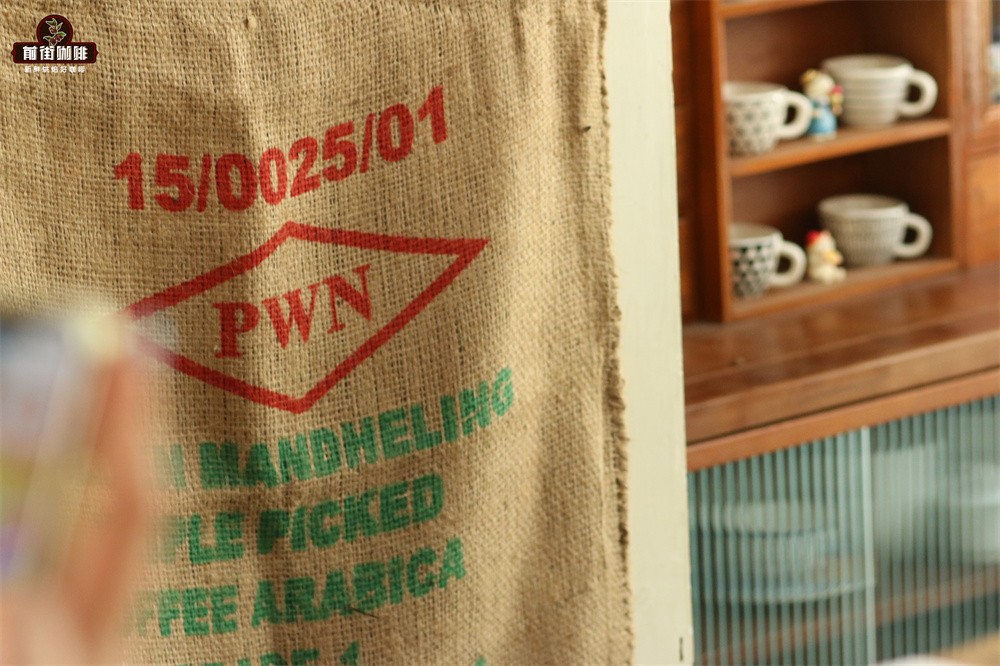
If you take a close look at the packaging sack of Golden Mandheling, besides the G1 grade marking, you’ll also see the words “TRIPLE PICKED,” meaning “triple hand-picking.” This is a strict quality control requirement by PWN: all green beans used for Golden Mandheling are selected from beans of 18+ mesh size and G1 grade, and undergo one mechanical screening and three manual sorts to ensure each bean is uniform in size, shape, and appearance. Additionally, PWN performs density and color sorting before packaging, making the coffee beans appear more uniform and glossy—this is also one of the reasons behind the “golden” designation.
Finally, when it comes to brewing and flavor performance, Golden Mandheling is often best highlighted through dark roasting. A well-known café, when handling PWN Golden Mandheling, opted for a darker roast to bring out the classic smoky richness and full body of Mandheling. According to cupping results, the dry aroma reveals distinct notes of cedar, nuts, spices, and herbs; after pouring water, sweet notes of licorice and caramel gradually emerge; upon tasting, layers of dark chocolate, cocoa, nuts, and spices come through. The overall flavor is clean, with a sweet and richly bodied aftertaste—perfect for coffee lovers who enjoy bold profiles.
In summary, Indonesian Mandheling, especially Golden Mandheling, is valuable not only for its unique flavor but also for the rigorous oversight at every stage—from origin, processing method, grading, to brand control. Understanding these behind-the-scenes details allows you to better appreciate the essence of this classic coffee when selecting and enjoying it.
The above content is compiled by CoffeeHunters, a coffee news website.


