







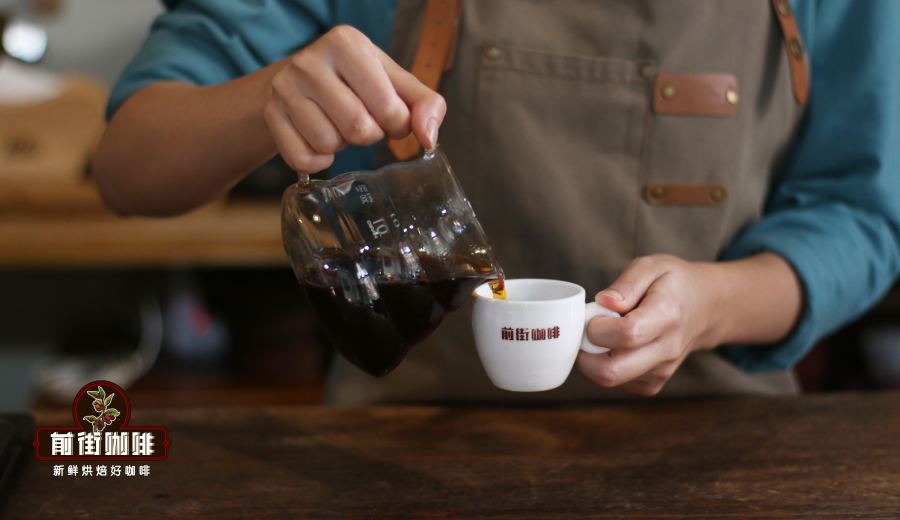
Introduction:Many people often confuse the definitions of espresso and regular coffee, but in fact, the two are in an inclusive relationship. This article delves into the rich characteristics of espresso and the refreshing flavors of pour over, explaining key parameters such as grind size, water temperature, and brew ratio in detail. It also explores the unique flavor profiles of four major espresso blends to help coffee enthusiasts master practical knowledge—from equipment selection to brewing techniques—and establish a comprehensive understanding of coffee.
In the world of coffee, "coffee" and "espresso" are often mistakenly thought to be the same thing, but they are actually quite different concepts. Coffee generally refers to all beverages made from coffee beans, while espresso is a special extraction method within the espresso coffee system. To deeply explore the mysteries of coffee, one must first clarify the essential differences between the two.
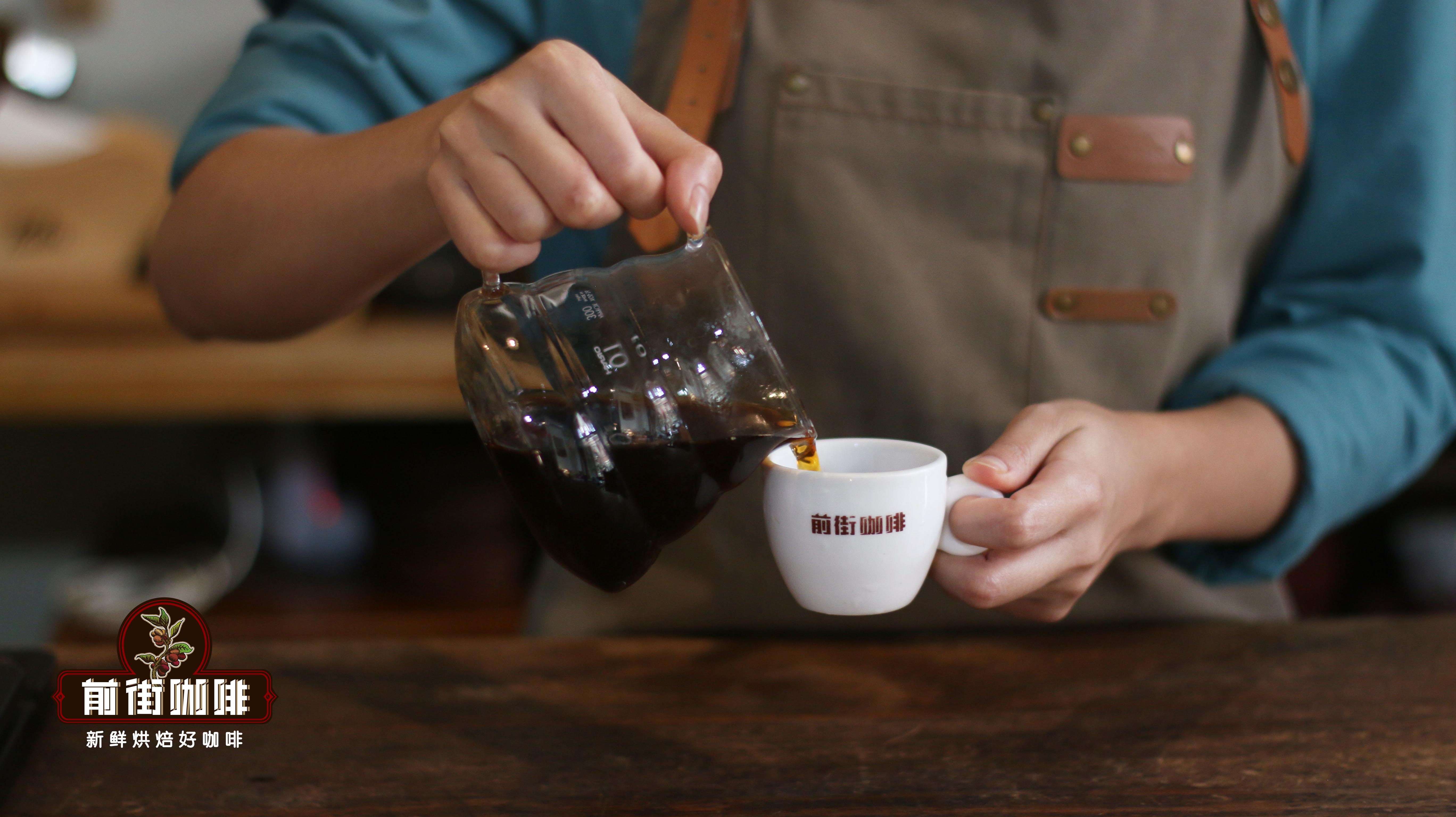
Coffee beverages can generally be divided into three main categories: espresso, which is extracted under high pressure and features intense and concentrated flavors; drip-style coffee, which uses gravity filtration—including pour over and drip machine brewing—offering a lighter flavor profile; and cold brew, which is extracted slowly at low temperatures. Each extraction method has its own unique flavor expression and suitable scenarios.
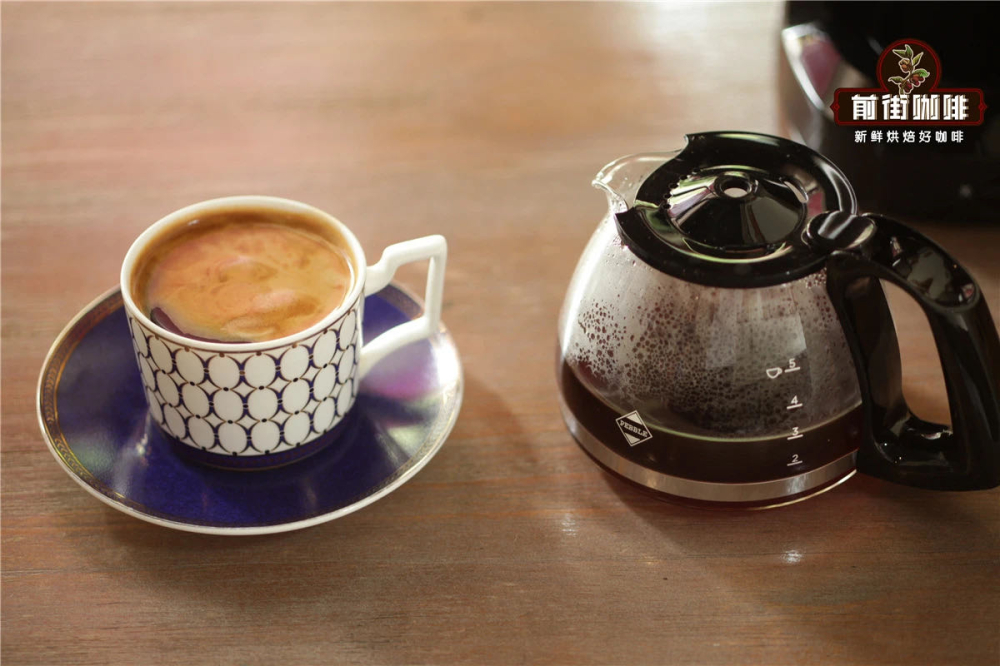
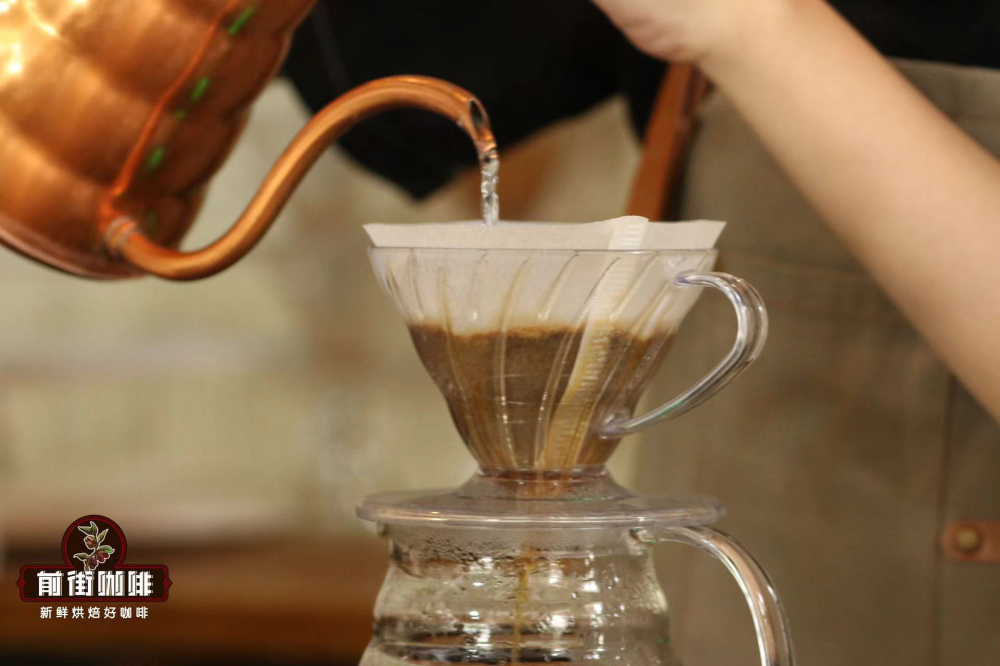
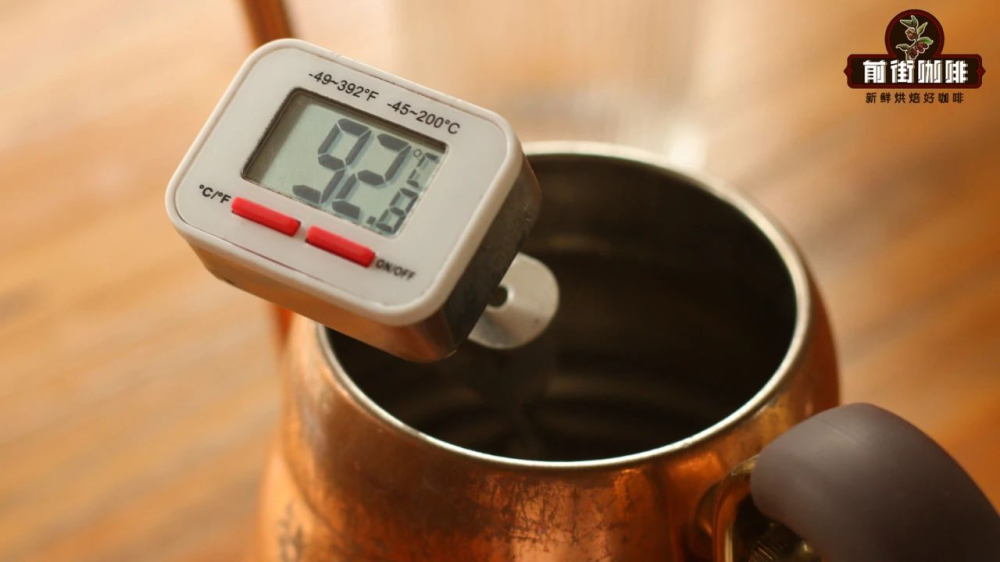
The so-called drip coffee is actually what most people commonly refer to as "coffee." This brewing method includes various forms such as pour over and drip coffee machines. Although the techniques differ, the basic principle is to use hot water to pass through the coffee grounds and naturally extract flavor compounds via gravity. It is recommended to use medium-fine to medium-coarse ground coffee, with water temperature controlled between 88-91°C, allowing the water to slowly penetrate the coffee bed and extract the essence of the coffee.
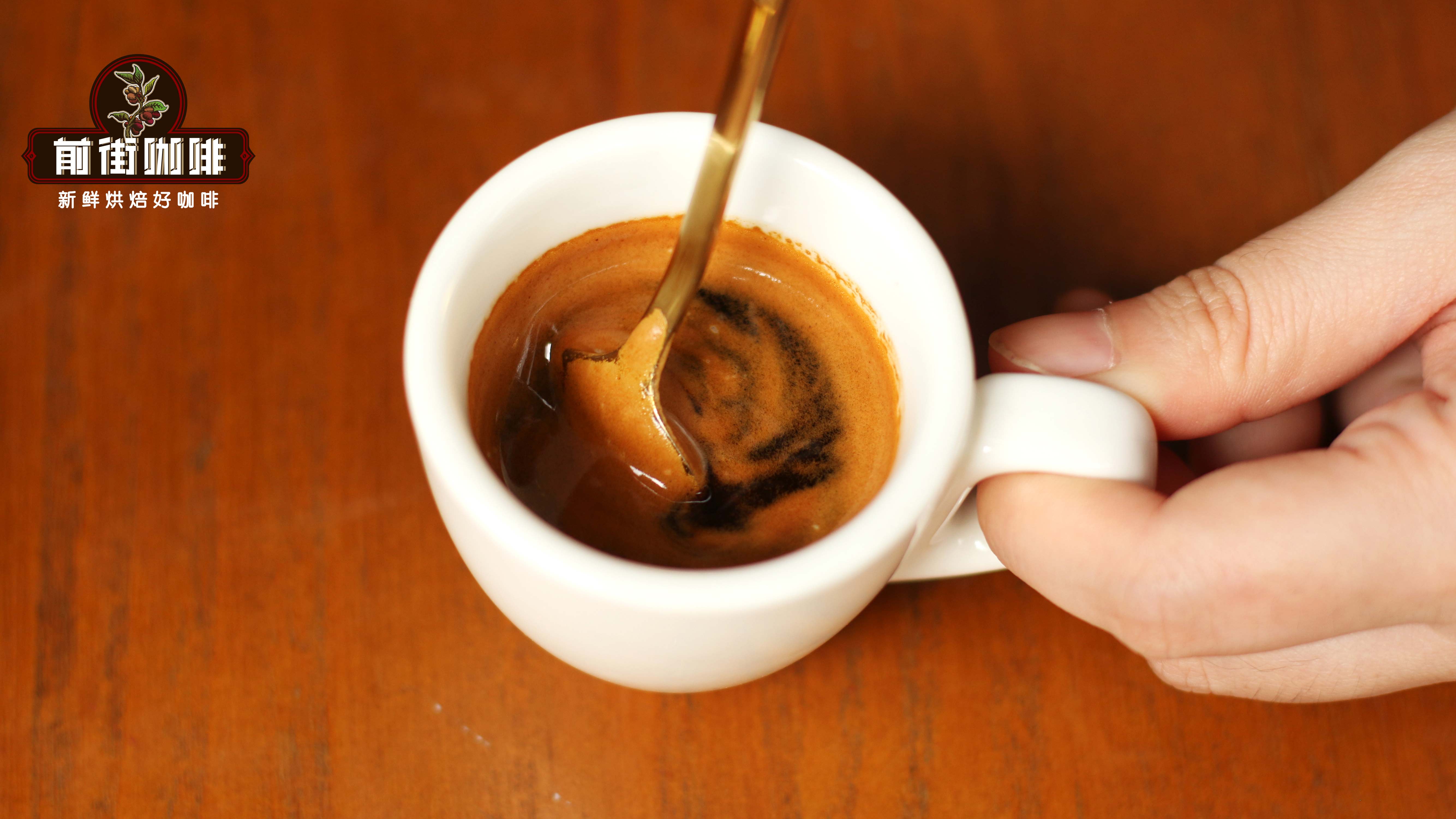
In practical experience, pour over is the most common drip method. The key to a good cup of pour over coffee lies in the freshness of the coffee beans. To maintain optimal flavor, it is recommended to use the beans within 5 days after roasting, with the golden period for flavor appreciation being around 30 days post-roast. For beans of different roast levels, it is suggested to adjust the grind size and water temperature accordingly: for light roast, use medium-fine grind (about the coarseness of fine sugar, 80% passing rate through a #20 sieve), water temperature 91-93°C, brew ratio 1:15; for medium roast, use medium grind (like white sugar, 75% passing rate through a #20 sieve), water temperature 90-91°C; for medium-dark roast, use medium-coarse grind (similar to coarse sugar, 70% passing rate through a #20 sieve), water temperature 86-88°C, maintaining a 1:15 brew ratio for the best balance.
Espresso, on the other hand, follows a completely different extraction philosophy. This type of coffee requires a professional espresso machine to extract quickly under high pressure (typically around 9 bar), compressing extremely finely ground coffee into a compact puck, allowing hot water at 94°C to penetrate and extract a concentrated coffee liquid at a 1:2 brew ratio. This extraction method creates the unique intense taste and rich body of espresso, which retains a clear coffee flavor even when later diluted with water or milk.
In specialty shops, common extraction parameters include using 19.5–20g of coffee grounds to produce 35–40g of espresso, with time controlled between 27–32 seconds. However, due to variations in performance among different espresso machines and grinders, these parameters are only for reference. For beginners, it is recommended to start with a base parameter of 20g of coffee grounds, a 1:2 ratio, 9 bar pressure, extracting 40g of espresso in 25–30 seconds, then making fine adjustments based on actual flavor performance.
The charm of espresso lies in its stable and balanced flavor profile, which usually comes from carefully designed blend recipes. Currently, there are four featured espresso blends available: the "Warm Sun Blend" combines Ethiopian sun-dried red cherries with Honduran sherry cask-aged beans, delivering layers of wine aroma, berry acidity and sweetness, and roasted nuts; the "Premium Blend" consists of Colombian washed beans and Brazilian semi-washed beans, presenting mellow flavors of nuts, dark chocolate, and caramel; the "Commercial Blend" mixes Robusta, Colombian, and Brazilian beans, showcasing a classic combination of nuts, cocoa, and caramel; while the "Dark Cocoa Blend" is based on Yunnan small-bean coffee and Brazilian semi-washed beans, offering soft fruit acidity and nutty aromas.
For enthusiasts who want to make espresso at home, understanding the basic equipment and parameters is crucial. It is recommended to use an espresso machine with 9 bar or higher pressure, paired with a double shot basket (approximately 18–20g capacity). The standard extraction ratio is 1:2, meaning 20g of coffee grounds yield 40g of espresso, with time controlled between 20–35 seconds, where 28–30 seconds usually achieves the best balance.
During actual operation, it is important to keep the portafilter basket dry, evenly distribute the ground coffee, and tamp it firmly—this is key to stable extraction. First, run water to rinse the group head and remove any residue, then attach the portafilter and begin extraction. Once the espresso reaches the target weight and time, stop extraction immediately. It is particularly worth noting that too short an extraction time will result in weak flavor, while too long can lead to burnt and bitter notes.
Shop experience shows that espresso made with the Sunflower Warm Sun Blend can exhibit a rich crema layer and prominent whiskey-like aroma. The sip reveals complex flavors of vanilla cookies and berries, with a long-lasting finish. This espresso can not only be enjoyed on its own but also serves as the foundation for various coffee beverages—for example, adding hot water turns it into a refreshing Americano, while combining it with steamed milk transforms it into a smooth and sweet latte.
The above content is compiled by CoffeeHunters, a coffee news website.


