








Introduction:An in-depth exploration of the geographic characteristics and flavor profiles of Colombia’s four core coffee-growing regions, analysis of classic varieties such as Typica and Caturra, and a detailed breakdown of how processing methods—including washed, anaerobic natural, and enzymatic washed—affect flavor. Paired with tested pour over parameters and flavor notes, this provides coffee enthusiasts with a comprehensive reference from bean selection to brewing.
Colombian coffee is renowned for its bright acidity, moderate body, and elegant sweetness. It’s not only ideal for single-origin pour over to appreciate regional characteristics, but also serves as an excellent base for espresso blends. The country’s unique geography—the Andes Mountains stretching from north to south, with high-altitude regions (generally between 1,000 to 2,500 meters) complemented by a cool climate averaging around 18°C and abundant rainfall—nurtures coffee beans with richly layered flavors. Coupled with quality control and international marketing efforts by FNC (Colombian Coffee Growers Federation) since 1927, the “Juan Valdez” label has become synonymous with high-quality Colombian beans.

Coffee cultivation in Colombia is concentrated in the western mountainous regions, where fragmented terrain creates diverse microclimates, resulting in multiple harvest seasons throughout the year. Smallholder farms (averaging about 2 hectares) make up a significant proportion, and farmers often plant shade trees (such as bananas or native hardwoods) around coffee plants to regulate microclimates and maintain ecological balance. As a globally recognized official organization, FNC not only provides technical support and market access, but also through the approachable image of “Juan Valdez and his mule,” successfully brought Colombian coffee onto the international stage, maintaining its position as the world’s third-largest coffee exporter.
[Regional Flavor Profiles] The southern part of Colombia is the main producing area for specialty beans. Below are four representative regions:
▶ Huila: Located in the southwest, accounting for 12% of national production, at elevations of 1,500–1,800 meters, known for its diverse microclimates. Washed processing is the mainstream here, with one well-known roaster using Caturra from this region for their house blend, delivering a balanced flavor of nuts, dark chocolate, and soft fruity acidity—ideal for beginners experiencing the classic notes of Colombian coffee.(Illustration available at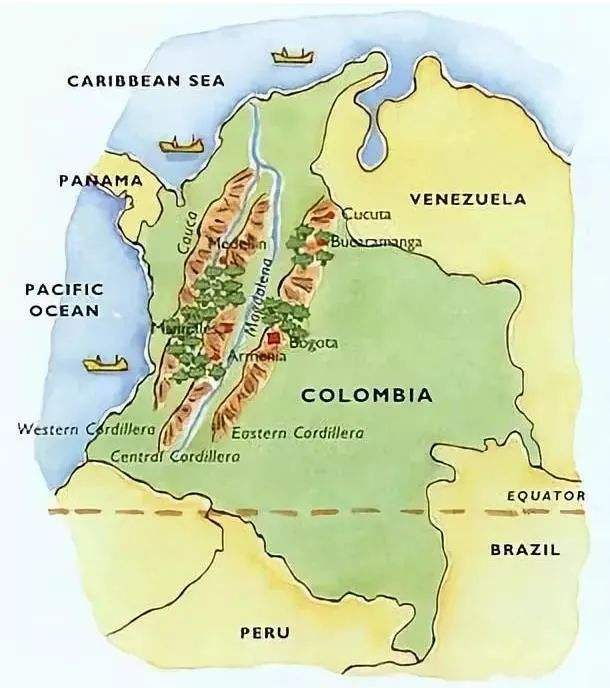
▶ Cauca: At elevations up to 2,100 meters, volcanic soils and significant diurnal temperature variations (warm days and cool nights) extend the maturation period of coffee beans, resulting in a profile with distinct sweet and sour notes and a clean aftertaste.
▶ Nariño: Grown in foggy environments at 1,600–2,300 meters, with mineral-rich volcanic soils and unique microclimates, the coffee produced here features vibrant acidity and delicate mouthfeel, and has garnered considerable attention in the specialty coffee scene in recent years.
▶ Santander: The earliest coffee-growing province in Colombia, at elevations of 1,400–1,600 meters with a relatively dry climate. Traditional Typica varieties are common, and the shaded forest environment leads to slower fruit ripening, resulting in a fuller, rounder flavor profile.
[Key Variety Characteristics] Colombia cultivates a diverse range of varieties suited to different altitudes and processing needs:
• Typica: Introduced in the late 16th century, it offers an elegant flavor with floral notes and bright, refreshing acidity, but is low-yielding and susceptible to disease. It is now mostly preserved as a traditional specialty variety.
• Bourbon: A Typica mutation, with brighter acidity but similarly limited yield.
• Caturra: A natural mutation of Bourbon, with a compact tree structure that’s easy to harvest, doesn’t require shading, and offers high yields. Its flavor is similar to Bourbon but more robust, and it has become Colombia’s main variety.
• Castillo: Developed in collaboration between FNC and research centers, it boasts excellent resistance to leaf rust, and its flavor profile continues to be refined as it is gradually promoted for planting.
• Colombia Variety: A disease-resistant strain developed by Cenicafé, with slightly lower cupping scores but high stability, mainly used for commercial bean exports.
[Diverse Evolution of Processing Methods] While washed processing is the mainstream for Colombian beans, micro-lot specialty lots often employ innovative techniques to enhance flavor complexity:
▸ Washed Processing: The traditional method involves removing the pulp and flesh, then fermenting the parchment beans overnight to remove the mucilage, followed by washing and drying to reach a moisture content of 11–12%. Washed beans from Huila exemplify the typical traits of this method—clean, bright acidity with nutty tones.(Illustration available at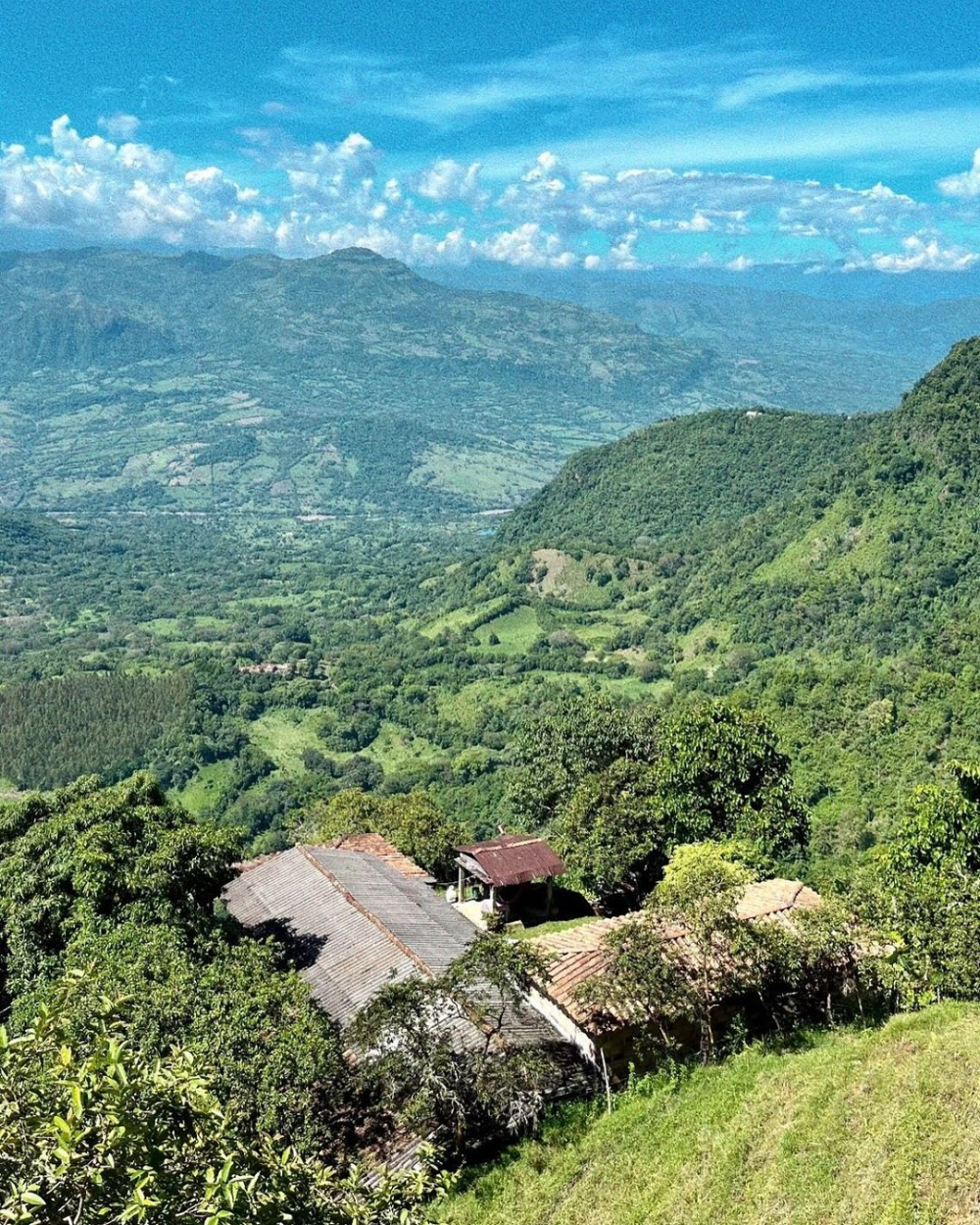 )
▸ Anaerobic Natural: Coffee cherries are placed in sealed, low-temperature (<15℃)不鏽鋼桶發酵3天,再日曬乾燥。某知名品牌「花月夜」即以此法處理,產生草莓醬、發酵酒香與巧克力餘韻,風味濃鬱且層次豐富。
▸ Enzymatic Washed Anaerobic: After selecting the cherries, carbon dioxide is injected to displace oxygen, and special enzymes are added during fermentation to slow sugar breakdown, allowing the pH to drop gradually and retain more sweetness. The Rosario Valley lot processed this way showcases rose floral notes, peach-like sweetness, and a winey chocolate profile, with cranberry-like tartness emerging after cooling.
[Pour Over Practical Parameters & Flavor Performance]
Recommended to use a V60 filter, with a water temperature of 90°C, grind size at 80% passing through a #20 sieve (approximately medium-fine), and a brew ratio of 1:15. Use 15 grams of coffee, first pouring double the coffee weight (about 30 grams) for a 30-second bloom; second, pour in a circular motion up to 125 grams for the first pour, then continue pouring until reaching 225 grams once the coffee bed has drained halfway (total brew time approximately 2 minutes). Tested flavor profiles of three beans are as follows:
• Washed Huila: Chocolate and nut base notes paired with caramel sweetness, soft fruity acidity, overall balanced and easy to drink.
• Enzymatic Washed Anaerobic Rosario Valley: Rose floral notes dominate, with an entrance as smooth as酒心 chocolate, and a finish with cranberry-like tartness.
• Anaerobic Natural Flower Moon Night: Prominent honeydew melon sweetness and intense strawberry jam aroma, with obvious fermented fruit character, and a chocolate aftertaste.
Notes: Freshly roasted beans (recommended for use within 5 days of roasting) offer the best flavor. Store away from light and moisture. Different processing methods and regional characteristics will significantly affect extraction results, so adjust grind size or water temperature slightly based on actual flavor feedback.

The above content is compiled by CoffeeHunters, a coffee news website.


