







Introduction:Kenyan coffee is renowned for its bright acidity and rich juiciness, with its unique 72-hour washed processing and SL28, SL34 varieties being classics in the specialty coffee world. This article delves into the characteristics of Kenya’s seven major growing regions, the AA grading system, and shares expert insights into the washed processing details, helping you understand how to extract vibrant acidity and sweetness reminiscent of cherry tomatoes and black plums through precise pour over parameters.
When it comes to coffee with distinct acidity, the Kenyan region is always one of the top choices. Such coffees often feature complex fruit aromas interwoven with cherry tomatoes and dark plums, with lively acidity that doesn’t compromise on sweetness — a benchmark of acidity for many coffee enthusiasts. However, the outstanding performance of Kenyan coffee is no accident but the result of a combination of specific altitudes, volcanic soils, and unique varieties and processing methods. Understanding these key elements can help you better appreciate its charm.
Kenya is located near the equator and has a tropical highland climate with two distinct rainy seasons each year, so coffee harvesting is also divided into two main seasons. About 60% of the coffee beans are harvested between October and December, while the remaining 40% come from the season between June and August. Kenyan coffee is mainly grown in mountainous areas at elevations of 1,200 to 2,300 meters. This high-altitude environment, with its lower temperatures, slows down the growth of coffee cherries, aiding the accumulation of flavor compounds. In addition, the local volcanic soil is rich in phosphates, which enhances the acidity expression of the coffee. Coupled with the well-structured soil, the resulting coffee beans are dense and hard, laying a solid foundation for subsequent processing and roasting.
There are numerous coffee-growing regions in Kenya, among which the most famous seven include: Thika, Kirinyaga, Mt. Kenya West, Nyeri, Kiambu, Ruiru, and Muranga. These regions are mostly distributed at the foothills of Mount Kenya and the Aberdare Mountains, with Kirinyaga, Thika, Nyeri, and Muranga being the most renowned, serving as the primary sources of premium Kenyan beans.
Nyeri is located in central Kenya and is home to the dormant volcano Mount Kenya. Its red soil environment nurtures many high-quality coffees, grown at elevations of about 1,200 to 2,300 meters. The neighboring Kirinyaga is also situated on the slopes of Mount Kenya, with coffee grown at elevations ranging from 1,300 to 1,900 meters. It is known for its layered profile, full-bodied mouthfeel, and intense flavors, often ranked alongside Nyeri as a representative of Kenya’s top-tier producing regions.
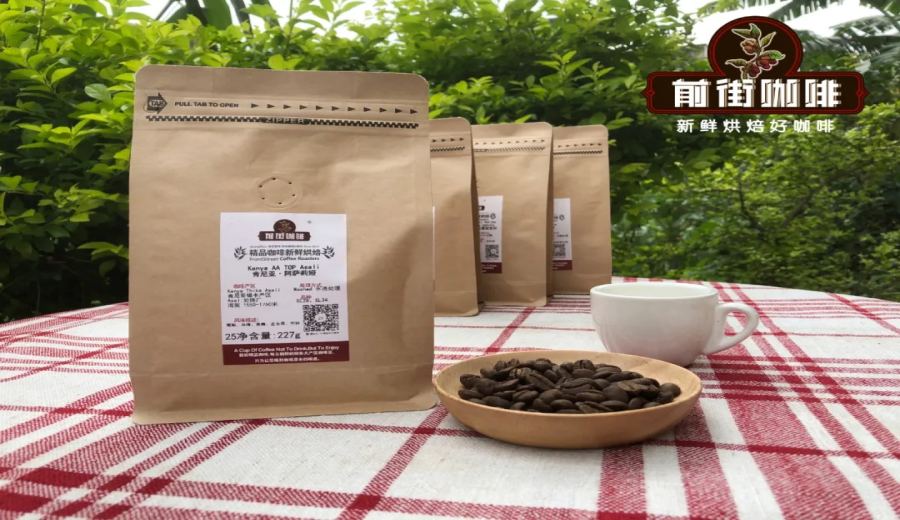
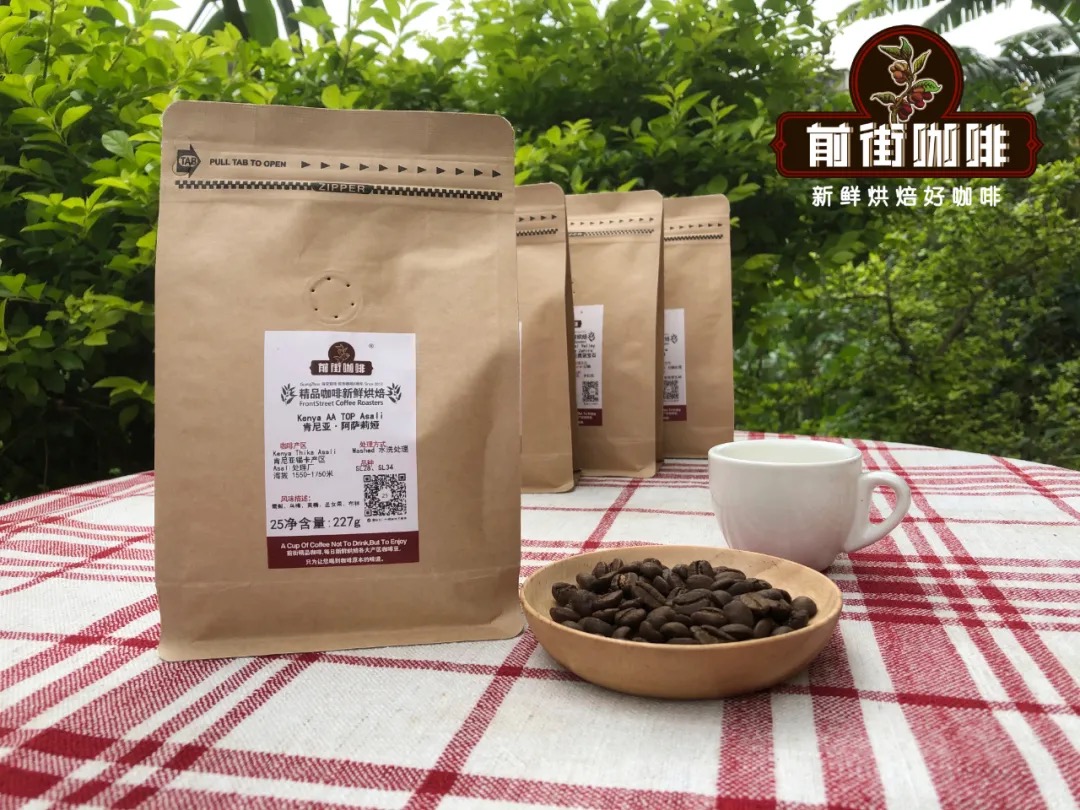
Muranga, located in the Central Province, was one of the early gathering places for missionaries and now has over 100,000 coffee farmers, most of whom are smallholders rather than large estates. Coffee here is grown at elevations of approximately 1,350 to 1,950 meters. Thika is situated at the foot of the Aberdare mountain ridge and boasts the highest-altitude coffee-growing zones in the region, with rich organic red volcanic soils. The growing elevation ranges from 1,550 to 1,750 meters. A well-known coffee brand’s Kenyan Assaria beans are sourced from the Assaria Factory (also known as the Bee Factory) in the Thika region, classified as high-quality AA-grade beans.
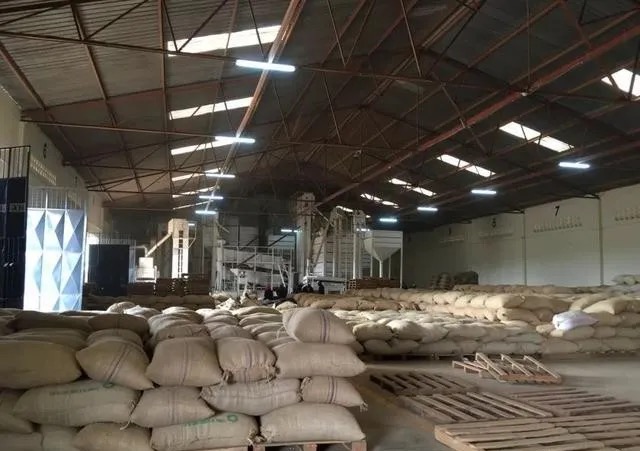
Kenya’s coffee grading system is primarily based on bean size, shape, and hardness, ranging from highest to lowest as AA or AA+, AB, PB, C, E, TT, T. Among these, AA and AB grades are often further subdivided into TOP, PLUS (+), and FAQ tiers based on cupping performance. Though this subdivision isn’t an official standard, it is commonly used to distinguish export quality. A certain well-known coffee brand’s Kenyan Assaria beans have reached the TOP grade, indicating even more outstanding flavor performance.
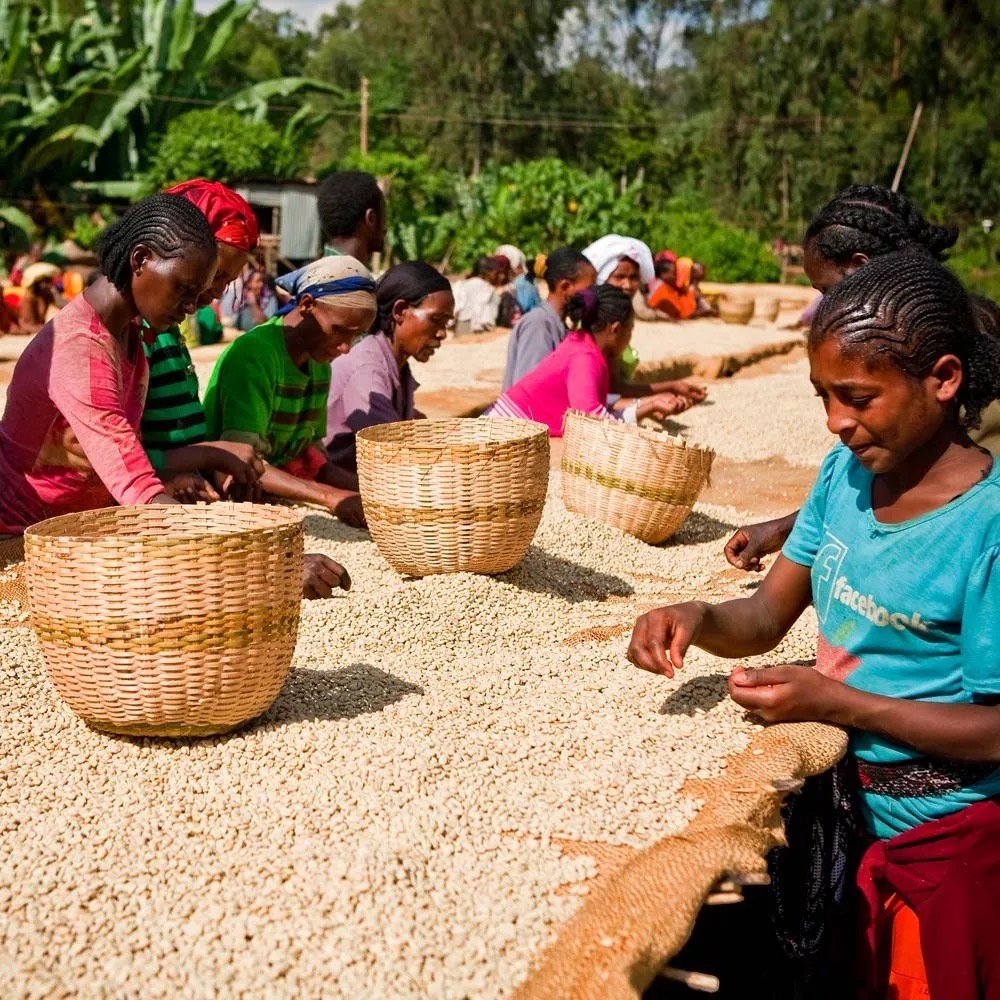
Kenya’s washed processing method is highly representative in the global specialty coffee scene, particularly renowned for the K72 process. The key to this process lies in its exceptionally long fermentation time — up to 72 hours, far exceeding the usual 36 hours or less of standard washed processing. The specific procedure includes: first selecting fully ripe coffee cherries, removing the skin and pulp, then placing the parchment beans in water tanks for prolonged fermentation to break down the mucilage. This process takes a full 72 hours, after which the beans are washed and sun-dried until the moisture content drops to 12%. This technique gives Kenyan coffee its distinctive bright acidity and rich aroma, hallmark traits of the country’s coffee.
When discussing the flavors of Kenyan coffee, one cannot overlook its representative SL varieties — SL28 and SL34. These two varieties were developed by the Scott Laboratories (now known as NARL) in the mid-20th century and were the two most successful out of 40 experimental varieties at the time. The Scott Laboratories were established in 1922, originally named the Kenya Coffee Research Station, later renamed the National Agricultural Research Laboratories (NARL), dedicated to providing technical support to farmers and variety improvement.
The creation of SL28 and SL34 stemmed from Kenya’s agricultural challenges at the time, including drought and pest threats. Researchers traveled to Tanzania to find coffee tree varieties with strong resistance. After long-term screening and breeding, these two varieties were finally introduced in the 1950s. SL28 combines lineage from French Mission, Mocha, and Yemeni Typica, featuring tall plants with lush green leaves. It has strong drought resistance but is susceptible to leaf rust and nematodes. Its flavor profile is outstanding, showcasing pronounced dark plum and citrus notes, along with intense stone fruit acidity and wine-like sweetness.
In contrast, SL34 has dark bronze-colored leaves, higher nutrient demands, and slightly lower yields, but excels in quality at high altitudes. Its flavor highlights fruit acidity, accompanied by nutty and spicy aromas, and it is also sensitive to diseases. It is precisely the unique combination of these two varieties that has created the timeless classic flavor of Kenyan coffee, beloved by acid-loving coffee enthusiasts worldwide.
To fully present the juiciness and complex berry notes of Kenyan coffee, the brewing method is crucial. It is recommended to use a 1:16 coffee-to-water ratio, such as 15 grams of coffee grounds with 240 grams of hot water, with a water temperature set around 91°C. The grind size can refer to the EK43s scale 10 (approximately 82% extraction through a #20 sieve). Employing a pulsed or multi-pour extraction method can more effectively highlight the balance of acidity and sweetness, as well as a fuller body.
Specifically, it is recommended to start with a 30-second bloom using 30 grams of hot water to help the coffee grounds fully absorb water and release aroma. Then, pour 130 grams of water using a medium to large stream (about 7g/s) in a wide circular motion, followed by slowly pouring the remaining 80 grams of water with a smaller stream (about 4g/s) in a tighter circular motion. The total extraction time should be controlled to around 2 minutes. Be mindful not to pour too quickly during the second pour to avoid building up the coffee bed too high, which could affect even extraction in the later stages. It is advised to maintain the water level at about 3/5 of the height of the filter cone after pouring.
Through this brewing technique, the vibrant acidity of Kenyan coffee, reminiscent of cherry tomatoes, can be fully highlighted, paired with the aromas of black plums and berries. The finish offers a sweet clarity akin to blueberries, making it especially suitable for summer enjoyment, savoring its lively and layered flavor profile.
The above content is compiled by CoffeeHunters, a coffee news website.


