







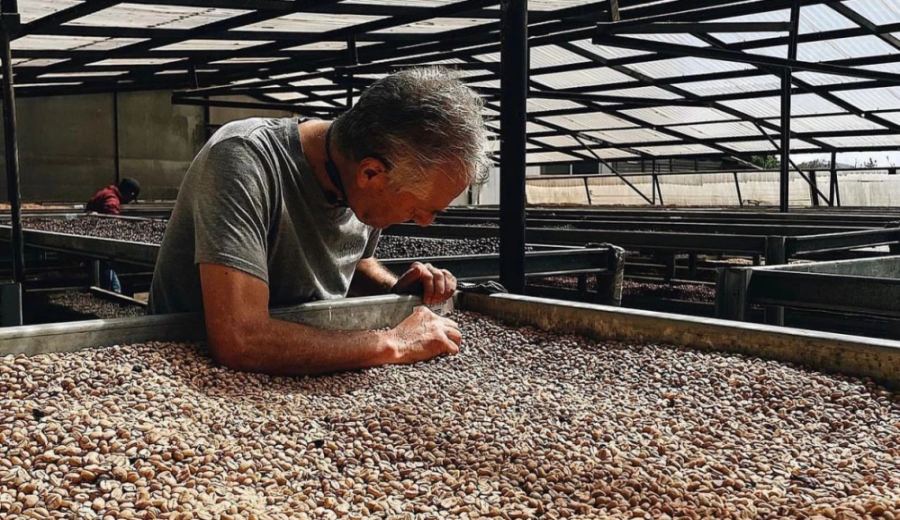
Introduction:Located in the high-altitude mountainous region of Boquete, Panama, the Elida Estate is renowned for its nearly unparalleled geographical environment and rigorous post-harvest processing. This article delves into how this estate, through high-altitude microclimates, shaded cultivation, and unique processing methods, produces Geisha and Catuai coffees with distinctive flavors, while also providing practical pour over parameters to help you better appreciate the charm of high-altitude specialty beans.
The Elida Estate is situated in Panama’s renowned Boquete coffee-growing region, boasting one of the country’s highest-altitude cultivation environments. Nearly half of its area lies within the strictly protected Baru Volcano National Park. Such uniquely favorable geographical and climatic conditions result in a growth and ripening process for coffee cherries that differs greatly from other regions. Coupled with the estate owner’s meticulous attention to harvesting and post-processing, the Elida-grown Geisha and Catuai coffees have earned high praise in the international market.
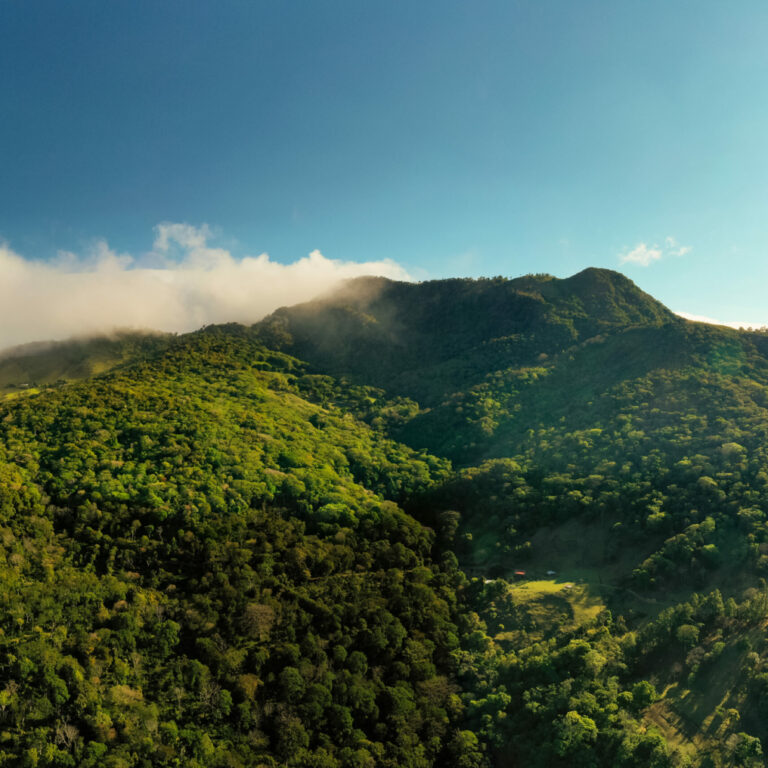
The Elida Estate spans a total area of 65 hectares, with over half located within the Baru Volcano National Park. Approximately 30 hectares are used for actual coffee cultivation, while the rest remains in its pristine forest state. The estate’s coffee is planted at elevations ranging from 1,670 to 1,850 meters above sea level, placing it alongside the Carmen Estate in the Volcán region as one of the two highest-altitude coffee production bases in Panama. Such high elevation not only extends the ripening cycle of the coffee fruit but also lays a solid foundation for rich and complex flavors.
The Baru Volcano features rugged terrain and is an active volcano exceeding 3,400 meters in elevation. In such a high-mountain environment, due to the significant day-night temperature variation, it often takes up to five years for coffee trees to go from planting to their first harvestable yield—far longer than the average three to four years in most other regions. Although the growth rate is slower, this pace actually aids in the accumulation of flavor compounds in the coffee beans. Additionally, due to the cooler temperatures, the ripening process of coffee cherries during the harvest season is relatively slow, sometimes taking over a month. Even when faced with weather challenges such as hurricanes or heavy rains that could lead to losses, the estate insists on not harvesting prematurely and only picks fully ripe fruits. This results in relatively limited yields and higher risks compared to lower-elevation areas.
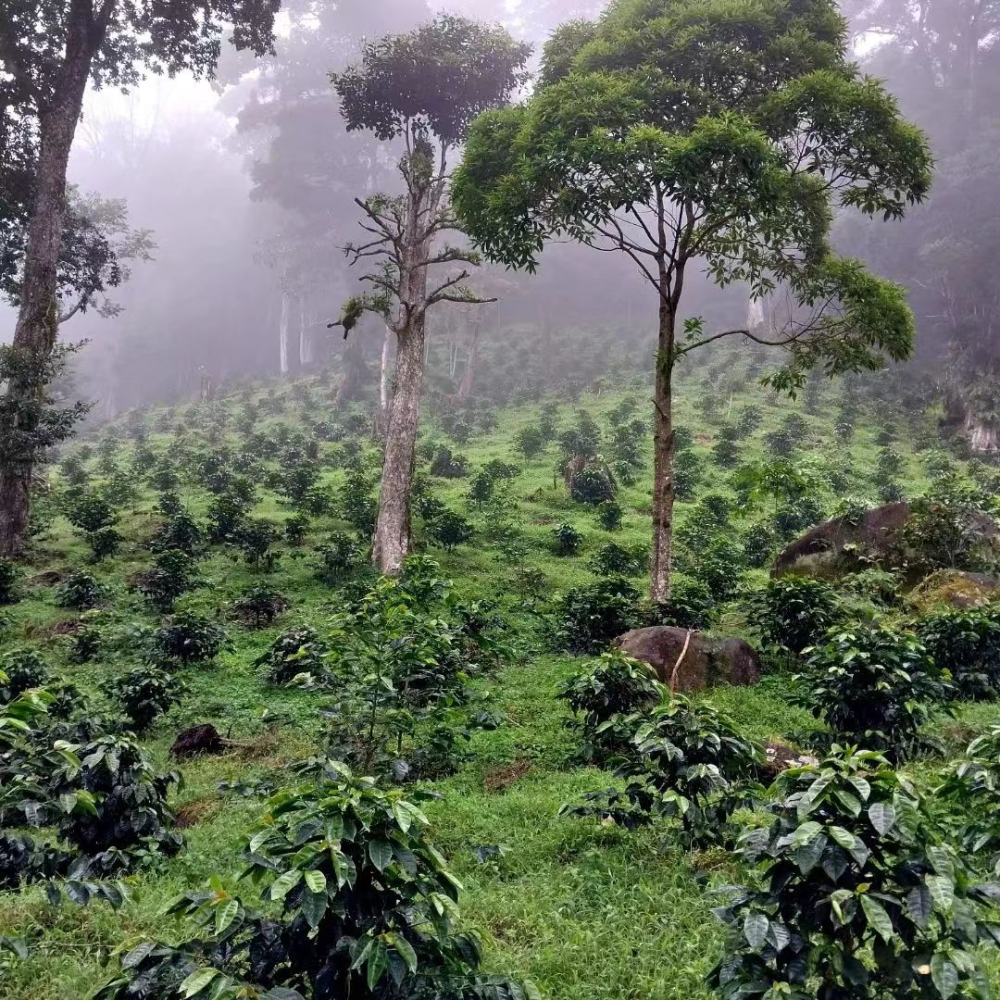
In the Boquete region of Panama, coffee cultivation is mainly divided into three types: full sun exposure, full shade, and semi-shade. Generally speaking, cultivation with more than 50 coffee trees per hectare is considered full shade, 25 to 50 trees is semi-shade, and fewer than 25 trees is full sun. While shaded cultivation slows down the ripening process and reduces yield per unit area, it effectively delays fruit maturation and encourages coffee cherries to accumulate richer flavor components. In fact, the flavor advantages brought by shaded cultivation often far outweigh the sacrifice in yield, which is why many specialty coffee estates still adhere to shaded strategies. For example, in some parts of Colombia, banana trees are intercropped with coffee trees to provide natural shading.
When discussing the Elida Estate, one cannot overlook its three main cultivated varieties: Catuai, Typica, and Geisha. Among them, the Geisha variety has gained widespread acclaim in the specialty coffee market in recent years for its unique floral and fruity acidity profiles. Notably, Geisha was first discovered in 1931 in the Gesha Forest of Ethiopia, later traveling through Kenya, Uganda, Tanzania, Costa Rica, and finally being introduced to Panama in the 1970s. For consumers new to specialty coffee, a certain brand’s Elida Catuai is an excellent value-for-money option. Grown in a high-altitude premium environment, it often exudes intense tropical fruit aromas and delivers a rich juice-like profile whether brewed using pour over or cold brew methods.
Beyond its geographical advantages, the dedication of Mr. Wilford, the owner of the Elida Estate, to harvesting and post-harvest processing is also a key factor in achieving the extraordinary flavors of its coffee. The estate insists on harvesting only fully ripe coffee cherries (Ripe on Pinton), ensuring optimal pulp and sugar content to lay a solid foundation for subsequent processing. Furthermore, Wilford places great emphasis on the “purification” stage after green bean processing. For instance, the green beans from Elida must undergo at least five months of low-temperature resting after processing to promote rounder and more balanced flavors. This technique, promoted by coffee master George Howell in 2006, is particularly important for green beans from subtropical high-altitude regions. Elida has fine-tuned the resting period to precisely five months based on its own conditions, which is regarded as best practice.
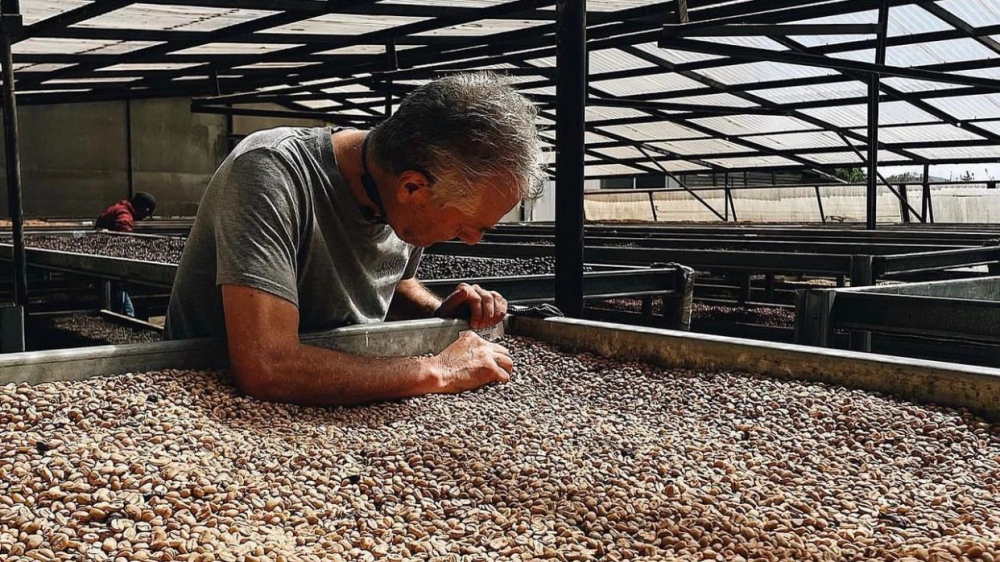
Taking the ASD-processed Geisha from the Elida Estate as an example, this coffee employs an innovative processing method that combines anaerobic fermentation with low-temperature slow sun drying. Specifically, the harvested coffee cherries are first placed in sealed containers for four to five days of anaerobic fermentation, after which they are spread on sun-drying beds for gradual drying. Although this processing method is time-consuming and weather-dependent, it allows the coffee to develop more ideal water activity during drying, thereby enhancing flavor depth and complexity. It also helps maintain longer-term quality stability during storage.
For this high-altitude hard bean, the brand recommends a medium-light roast to enhance its natural floral and fruity acidity characteristics. For pour over brewing, it is suggested to use a V60 filter, with water temperature controlled between 91–92°C, a coffee dose of about 15 grams, a coffee-to-water ratio set at 1:15, and a grind size adjusted to that of superfine sugar (approximately 80% passing through a #20 sieve). Specifically, start by pouring 30 grams of water for a 30-second bloom, then pour in small streams in even circles from the inside out. For the second pour, add 95 grams of water, and after the coffee begins to drip, pour the third pour of 100 grams. The total extraction time should be controlled to around 2 minutes, allowing for a margin of about 10 seconds to fully showcase its delicate and layered flavor profile.
The above content is compiled by CoffeeHunters, a coffee news website.


