








Introduction:Do you know the story behind the evolution of coffee varieties in Yunnan? From the earliest introduced Typica to the currently dominant Catimor, each variety tells a different history and offers unique flavor characteristics. This article will take you deep into the origins of Typica, its differences from Catimor, and through the 2013 Yunnan Typica natural-processed beans, analyze its unique flavors and recommended pour over parameters, helping you better appreciate the charm of Yunnan specialty coffee.
The development of coffee varieties in Yunnan is a history full of challenges and transformations. Many may not know that the Catimor, which is now widely planted in Yunnan, was not the first coffee variety grown in this land. Decades ago, it was Typica—the oldest and most original-like Arabica variety—that was the star behind the fame of "Yunnan small-grain coffee."
With its bright, clean, and well-balanced flavor profile, Typica once helped Yunnan coffee make its initial mark on the international market. However, due to its relatively weak disease resistance and lower yield per plant, it was gradually replaced by more commercially valuable varieties during the variety improvement efforts led by international companies such as Nestlé. Among them, S288 and the later widely planted Catimor were the most representative.

The rise of the Catimor variety is inseparable from its resistance to leaf rust and high-yield characteristics. Compared to Typica, Catimor yields about three times as much and contains some Robusta genes, giving it greater adaptability to pests, diseases, and climate change. For this reason, over 90% of the Yunnan coffee beans currently on the market are of the Catimor variety.
Although Catimor is not as delicate in flavor as Typica, with the promotion of specialty coffee concepts and continuous improvements in cultivation techniques in the Yunnan growing region, Catimor can now also exhibit notes of nuts, chocolate, and a hint of creamy aroma, along with a mild plum acidity—making it the entry choice for many coffee beginners exploring Yunnan flavors.
If you want to experience a purer, more historically authentic Yunnan coffee flavor, then Typica is definitely an option not to be missed. Especially the Typica variety planted in Lincang, Yunnan in 2013, which, through a refined natural processing method, fully showcases the potential of this ancient variety.
These Typica beans were grown at an altitude of about 1,300 meters. The cool, slow-ripening environment endowed the coffee cherries with richer layers of flavor. The natural processing method not only retains more sugars and fruity aromas but also allows the final brewed cup to express the sweetness of brown sugar, the fruitiness of plums and pluots, as well as a rich chocolatey finish.
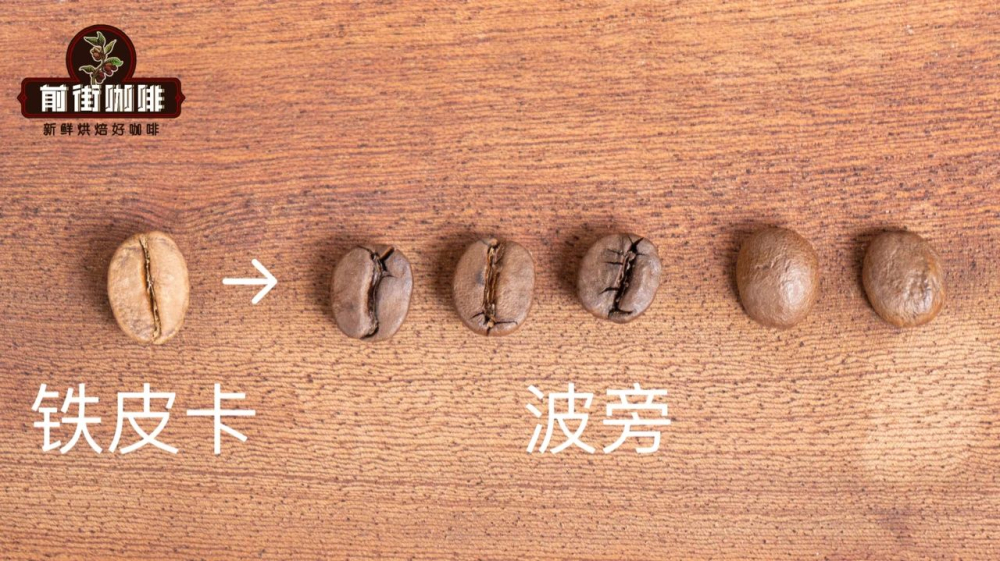
For coffee lovers who enjoy pour over brewing, the 2013 Yunnan Typica natural-processed beans are a highly worthwhile choice to try. It is recommended to use a medium-light roast level, paired with pour over filters such as V60 or Kalita Wave, with a grind size set to medium-fine (similar to fine sugar granules), and water temperature suggested between 90 to 92°C.
Brewing parameters can be referenced as follows: a coffee-to-water ratio of 1:15, the first pour within 30 seconds to add 50% of the total water volume, followed by a bloom of about 30 seconds, then continue with the second pour, with a total extraction time recommended to be around 2 minutes and 30 seconds to 3 minutes. Such settings can fully highlight the cleanliness and layered characteristics unique to Typica, making the brown sugar and fruit aromas more pronounced.
In summary, although Typica is no longer the mainstream variety in Yunnan, as the representative of the origin of Arabica small-grain varieties, it still retains the most original and fascinating coffee qualities. If you want to explore both the past and present of Yunnan coffee, why not start by tasting these historically significant Typica natural-processed beans, and experience that unique and unforgettable coffee journey.
The above content is compiled by CoffeeHunters, a coffee news website.


