







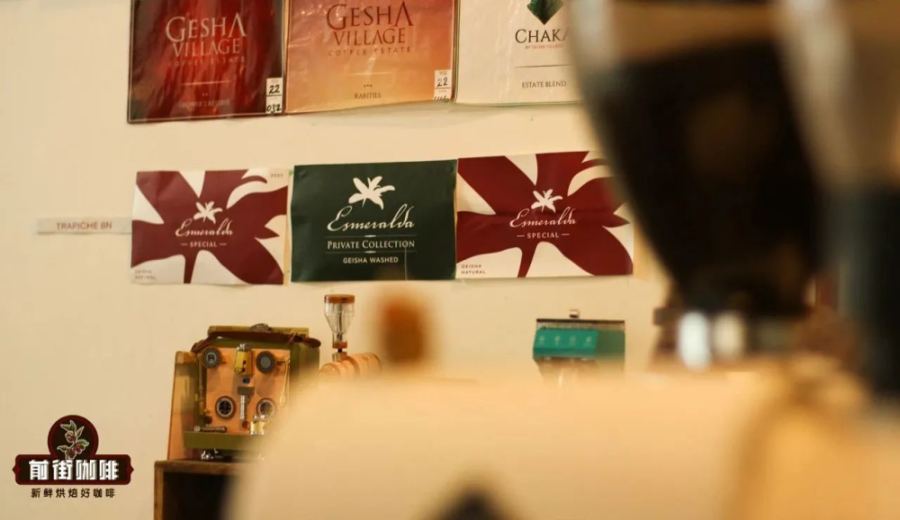
Introduction:The Geisha coffee from Panama's Hacienda La Esmeralda is renowned for its complex aromas and delicate acidity, but the differences between its Red Label, Green Label, and Blue Label often puzzle coffee enthusiasts. This article delves into the distinctions among these three grades by examining factors such as cultivation altitude, processing methods, and cupping standards. It also provides practical background information, including the influence of Panama’s volcanic soil on flavor and the historical origins of the Geisha variety, to help you choose the right batch based on your brewing preferences.
In the specialty coffee world, the Geisha (Geisha) from Panama's Hacienda La Esmeralda is undoubtedly a top-tier symbol, but many consumers are only vaguely familiar with its complex grading system, which includes Red Label, Green Label, and Blue Label. In fact, the estate’s grading system is rigorous, using cultivation altitude as the core criterion, along with cupping scores and processing techniques, to precisely delineate different quality levels. Each grade has its unique flavor profile and ideal use case.
Top Tier: Red Label Auction Batches
The Red Label Geisha is made exclusively from coffee trees grown ataltitudes of 1,600 to 1,800 meters, primarily from beans sourced from theJaramillo and Canas Verdes farms, which are located in the high-altitude regions of the Boquete mountains. The large diurnal temperature variation in these areas helps the coffee cherries ripen slowly, accumulating richer flavor compounds.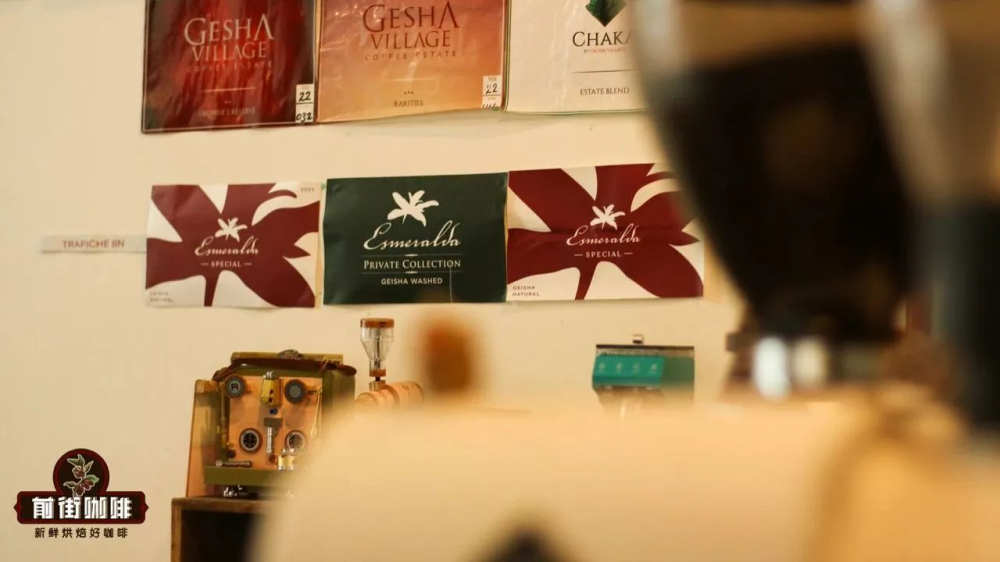 This grade requires a cupping score of at least91 points, and the beans are processed either via natural (sun-dried) or washed methods, resulting in exceptionally bright floral notes (such as white rose), citrus acidity (like grapefruit), and honey-like sweetness. These beans are the stars of auction lots.
High Quality: Green Label Reserve Batches
Although not exclusive to auctions, the Green Label also comes from high-altitude regions (1,600 to 1,800 meters) and is a blend of micro-lots from three farms—Jaramillo, Canas Verdes, and El Velo—carefully selected.Its flavor retains the classic characteristics of Geisha—delicate floral notes (such as jasmine), juicy fruit acidity (like red cherry and passionfruit), and a full body. It suits drinkers who enjoy a balanced acidity and sweetness. Both washed and natural processing methods are offered, with the natural version typically featuring more pronounced sweetness.Entry Level: Blue Label Select Batches The Blue Label is grown at relatively lower altitudes (around 1,500 meters), with beans sourced from a mix of the same three farms. Its cupping standards are also more lenient. This grade of Geisha exhibits lighter floral and fruity acidity, with noticeable sweetness but simpler layers and a thinner body. It is mainly suitable for first-time Geisha drinkers or as an everyday coffee bean. It should be noted that
the Blue Label is only available in washed processing
, offering a cleaner flavor with a crisp finish, ideal for those who prefer a clean aftertaste.The overall characteristics of Panamanian coffee are inseparable from its unique geographical environment. The country’s northern region, near Costa Rica’s volcanic soil zone, is rich in minerals, and the Pacific climate regulation fosters coffee with bright acidity and a rich mouthfeel. In addition to Geisha, other varieties such as Typica, Bourbon, and Pacamara are also grown locally, but Geisha stands out as Panama’s most representative specialty bean due to its adaptability to high altitudes and exceptional flavor performance.Regarding the history of Geisha, this variety was first discovered in 1931 in the Gesha Forest of Ethiopia. After passing through Kenya, Uganda, and other regions, it was finally introduced to Panama’s Hacienda La Esmeralda farm in the 1970s. Due to its limited production and high auction prices, Geisha has long been regarded as the “diamond of the coffee world.” Its cupping flavors often feature tropical fruits (such as mango and lychee), citrus acidity, and a unique bergamot-like finish. These traits have earned it numerous accolades in international competitions.If you plan to brew Geisha coffee, it is recommended to adjust parameters based on the grade: Red Label and Green Label are suited fora water temperature of 92 to 94°C
, with a slightly finer grind (such as medium-fine, similar to superfine sugar) to highlight their complex aromas. For Blue Label, you can slightly lower the water temperature to
90 to 92°C
to avoid over-extraction, which can lead to sharp acidity. Regardless of the batch you choose, freshness (within 7 to 21 days post-roast) and proper resting (usually 3 to 5 days) are key to fully unlocking Geisha’s potential.Water temperature of 92 to 94°C, with a slightly finer grind (such as medium-fine, similar to fine sugar) to highlight its complex aromas; for the Blue Label, you may slightly lower the water temperature to90 to 92°Cto avoid over-extraction that could lead to sharp acidity. Regardless of which batch you choose, fresh roasting (within 7 to 21 days after roasting) and proper resting (typically 3 to 5 days) are key to fully unlocking the potential of Geisha.
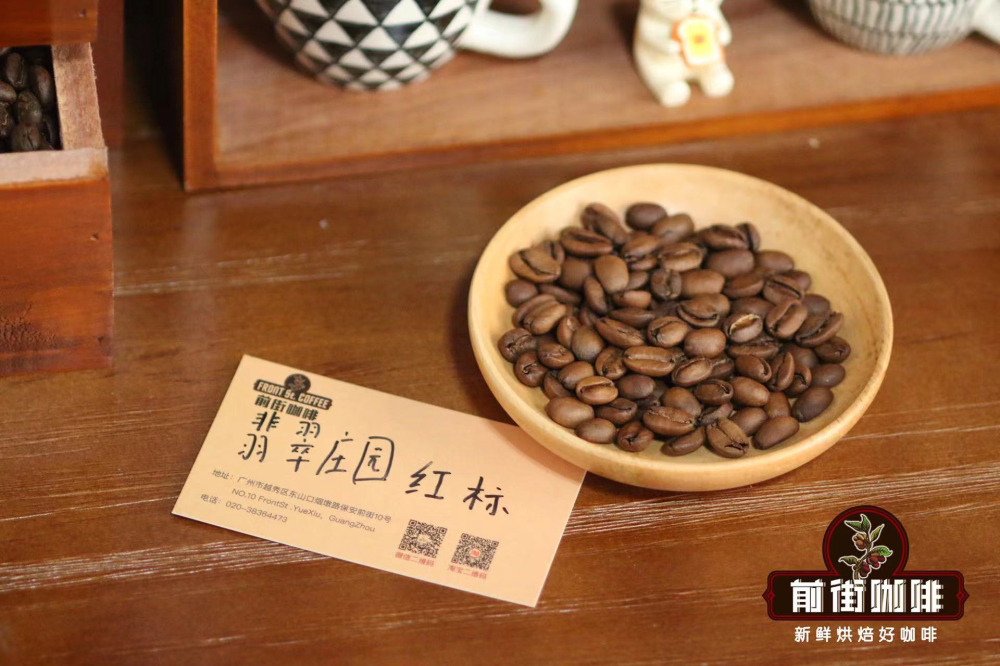
The above content is compiled by CoffeeHunters, a coffee news website.


