







Introduction:Jamaica Blue Mountain No. 1 coffee is hailed as the "Emperor of Coffee," and its balanced and refined flavor captivates countless coffee enthusiasts. This article delves into the growing environment of Blue Mountain coffee, the official CIB grading system, methods for verifying authenticity, and focuses on the cultivation background of the Clifton Estate and the barrel export process. It helps you grasp the complete knowledge from altitude conditions to cupping flavors, enabling you to select truly high-quality, authentic Blue Mountain coffee.
In the specialty coffee realm, Blue Mountain coffee has long been the top choice for seasoned enthusiasts due to its rich and delicate taste. Not only because of its ultimate balance, but also because of the stringent production region and quality control it represents. To deeply understand this legendary bean known as the "Coffee Emperor," we’ll uncover its mysteries step by step — from its origin and grading standards to how to distinguish the genuine product.
The reason Jamaica Blue Mountain coffee is world-renowned lies not only in its unique geographical environment but also in its extremely strict quality control. This coffee comes from the Blue Mountains in eastern Jamaica, surrounded by the Caribbean Sea. When sunlight shines upon the mountaintops and reflects off the blue sea, it creates a distinctive blue hue, from which the name "Blue Mountain" originates. The highest peak in the region reaches an elevation of 2,256 meters, the highest point in the entire Caribbean and also a famous tourist attraction.
However, not all parts of the Blue Mountains are suitable for coffee cultivation. The Jamaican government has clearly designated that only beans grown and processed at altitudes between 910 and 1,700 meters can be called "Jamaica Blue Mountain coffee." Elevations above 1,700 meters are part of nature reserves where cash crops are strictly prohibited, while areas below 910 meters are classified as high mountain or premium coffee. The Blue Mountain coffee growing zone benefits from fertile volcanic soil, high humidity, and moderate temperatures, with an average annual rainfall of about 1,980 mm and an average temperature stabilizing around 27°C, providing ideal conditions for coffee trees.
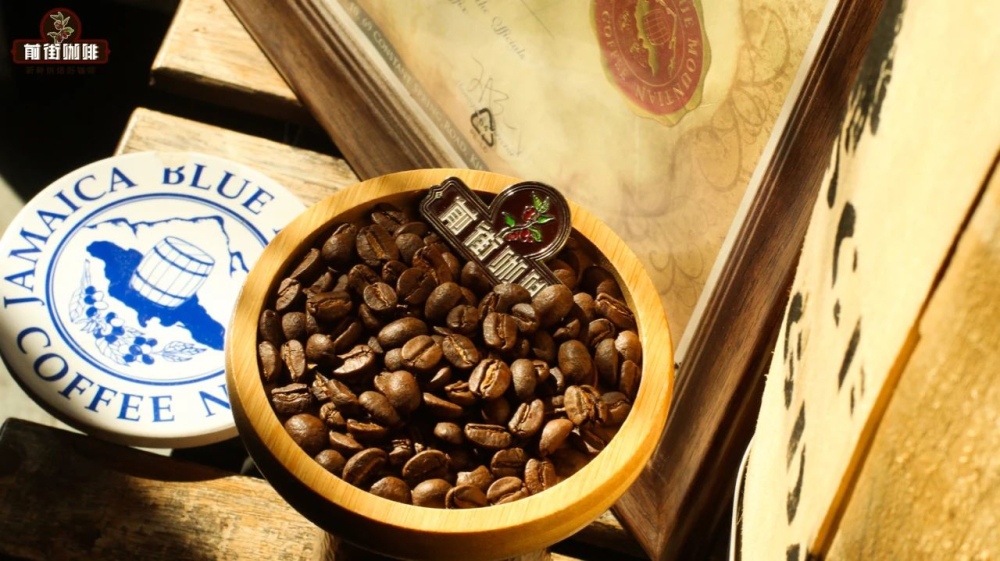
So, what exactly is authentic Jamaica Blue Mountain No. 1 coffee? First, according to the official classification by the Jamaica Industrial Crops Council (CIB), only coffee beans grown, harvested, and processed at altitudes between 910 and 1,700 meters qualify as "Jamaica Blue Mountain coffee." Within this range, beans are further subdivided into four grades based on altitude, bean size, and defect rate: Blue Mountain No. 1, Blue Mountain No. 2, Blue Mountain No. 3, and Blue Mountain Peaberry. Among these, Blue Mountain No. 1 is the most popular and the most imported grade.
The standards for Blue Mountain No. 1 are very strict, requiring at least 96% of the coffee beans to be 17 mesh (approximately 8 mm) or larger, with a post-processing defect rate not exceeding 2%. Blue Mountain No. 2 requires 96% of beans to be 16 mesh or larger, also with a defect rate not exceeding 2%; Blue Mountain No. 3 requires 15 mesh or above with a defect rate under 2%; and Blue Mountain Peaberry must be 10 mesh or larger, also within a 2% defect limit. These figures ensure that every batch of Blue Mountain coffee maintains a consistently high level of quality.
However, many products on the market that claim to have a "Blue Mountain flavor" or the "Blue Mountain blend" offered in cafés are not real Blue Mountain coffee. These are often designed to cater to consumers' imagined taste of Blue Mountain, using dark roasting and multi-origin blends to simulate similar flavors, but they do not come from the Blue Mountain region. In fact, authentic Blue Mountain coffee consists solely of single-origin Typica variety beans, without any blending, and is renowned for its clean, delicate, and softly acidic profile unique to its original variety.
In addition, Blue Mountain coffee is subject to extremely strict regulations upon export. According to Jamaican government rules, all Blue Mountain coffee beans must be shipped in specially designated wooden barrels and accompanied by official certification documents. These documents include three main certificates: the first is a quality certificate issued by the Jamaica Coffee Industry Board; the second is an authorized sales certificate provided by the producing factory (currently, only four government-permitted processing plants and 16 certified exporters exist); and the third is a certificate of origin, ensuring the source and authenticity of the coffee. If you don’t see these certificates when purchasing, you’re likely buying ordinary coffee labeled as Blue Mountain.
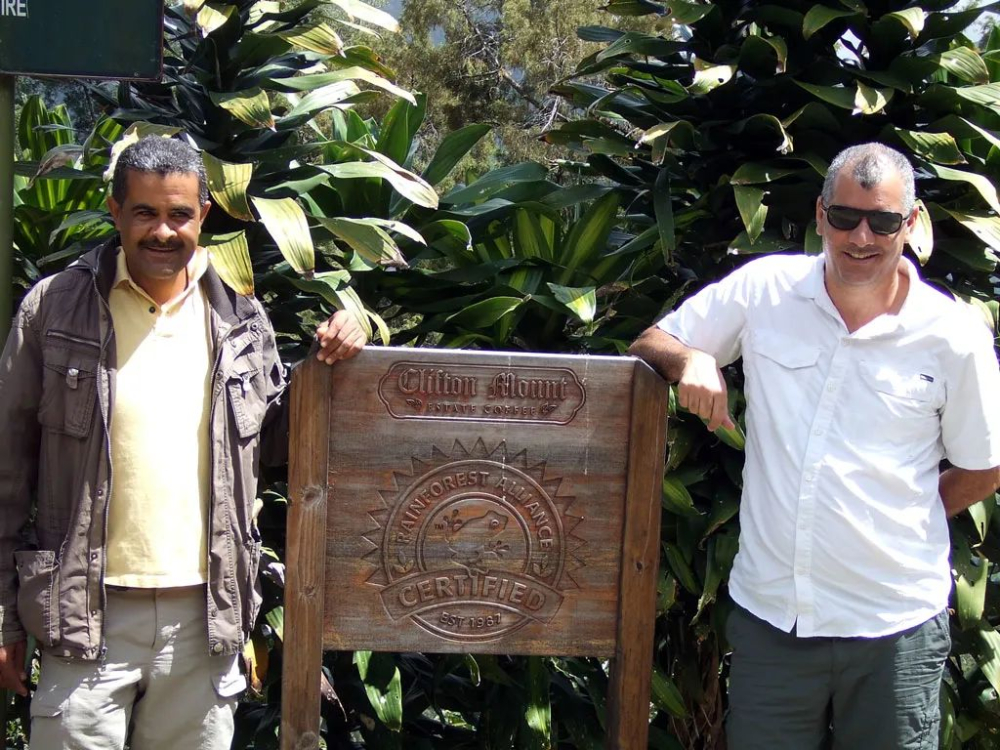
If you want to experience the true flavor of Jamaica Blue Mountain No. 1, it’s recommended to choose products from the Clifton Estate. This estate has been cultivating coffee since the mid-18th century (around 1750), making it the oldest in the Blue Mountains and the only one certified by the Rainforest Alliance, signifying that its cultivation meets strict sustainable agriculture standards. The medium-dark roasted Blue Mountain No. 1 selected from this estate displays an excellent balance of dark chocolate, roasted nuts, and gentle fruity acidity in its cupping notes. The layers are distinct yet do not compete with each other, showcasing the most classic and refined characteristics of Blue Mountain coffee.
In summary, from the precise grading of altitude conditions, bean size, and defect rate, to the strict export procedures involving barrel shipment and triple certification, every aspect of Jamaica Blue Mountain No. 1 coffee highlights its status as the "Emperor of Coffee." Understanding these key details not only helps you gain deeper insight into the allure of Blue Mountain coffee but also enables you to easily identify the authentic No. 1 that is truly worth savoring and collecting when making your selection.
The above content is compiled by CoffeeHunters, a coffee news website.


