







Introduction:Dive deep into Brazil’s representative coffee varieties — Red Bourbon and Yellow Bourbon, the country’s largest global coffee producer. Explore their growing regions, processing methods, and flavor profiles to uncover the unique charm of Brazilian specialty coffee. This article details the cultivation altitudes of these two classic Bourbon varieties, differences in processing methods (pulped natural vs. natural), suitable medium-dark roast levels, and provides practical KONO filter pour over parameters to help you master the extraction secrets of Brazilian coffee more precisely.
Brazil consistently ranks as the world’s top coffee producer, known for its beans’ rich, smooth mouthfeel and pronounced notes of nuts and chocolate. This is not only closely tied to the region’s climate conditions and cultivation traditions but also to the evolution of its main coffee varieties. In earlier years, Typica was the dominant variety, but due to its limited yield, it was gradually replaced by the high-yielding and flavor-stable Bourbon variety. This article focuses on Brazil’s two most representative Bourbon varieties — Red Bourbon and Yellow Bourbon — taking you through their regional backgrounds, processing characteristics, and how to bring out their most captivating flavors through appropriate roasting and brewing methods.
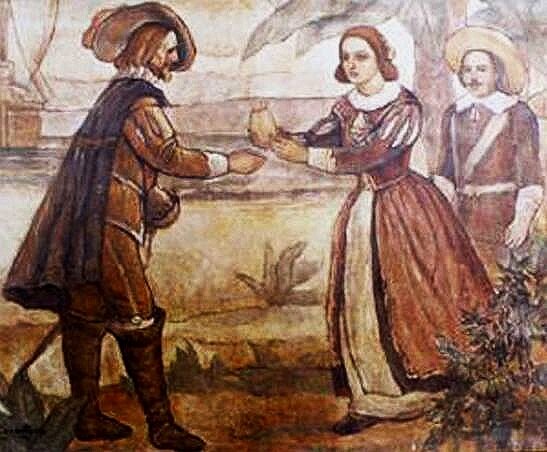
The rise of Brazilian coffee can be traced back to the 1720s. It’s said that a Portuguese military officer, while handling diplomatic affairs, brought coffee seeds back from French Guiana, inadvertently leading to the establishment of coffee in Brazil. Thanks to Brazil’s vast land, suitable climate, and later surges in demand from the U.S. market, Brazil quickly became a global coffee supply powerhouse. Even in the face of natural disasters, its vast planting area has maintained stable output. Notably, Brazil’s coffee industry not only supplies the world but has also deeply influenced the fluctuations of international coffee futures markets.
Among the many varieties, the Bourbon family has become a primary cultivated variety since the late 19th century due to its adaptability to Brazil’s environment and stable yield. Among them, Red Bourbon and Yellow Bourbon are highly representative branches of the Bourbon family. The Red Bourbon from the Cerrado region in Minas Gerais featured in one coffee bean selection, and the Yellow Bourbon from Fazenda Rainha in São Paulo’s Mogiana region, respectively showcase the flavor potential of Brazilian coffee under different altitudes and processing methods.
The Cerrado region is Brazil’s first coffee area to receive origin certification, with an altitude of about 1,000 meters and climatic conditions ideal for cultivating balanced-flavor coffee beans. The Red Bourbon produced here uses the pulped natural (semi-washed) processing method, which emerged in the 1990s. At that time, to improve quality while saving water and reducing costs, Brazilian farmers retained part of the mucilage layer for sun drying. This not only accelerated the drying process but also allowed sugars to more easily penetrate the bean core, giving the coffee a richer nutty aroma and a creamy, silky mouthfeel.
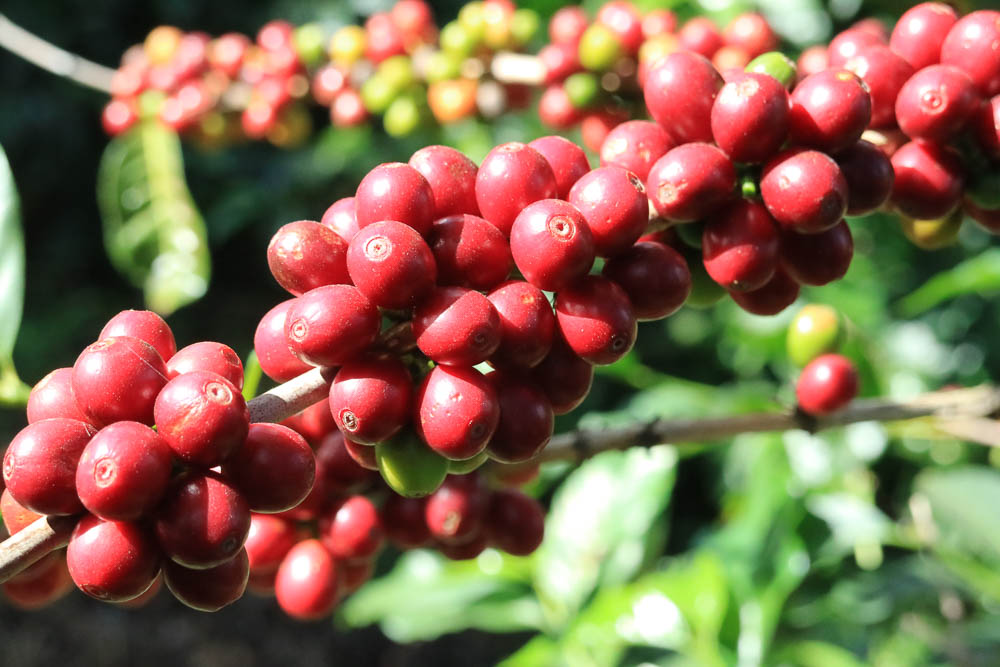
In contrast, Fazenda Rainha is located in the Mogiana region of São Paulo, with cultivation altitudes ranging between 1,400 and 1,950 meters. The higher altitude extends the ripening period of the coffee cherries, aiding the accumulation of flavor compounds. The estate is famed for its Yellow Bourbon, a natural mutation of Red Bourbon that features a thicker mucilage layer and thus a higher sugar content. The estate adheres to small-batch natural processing, manually turning the cherries frequently and drying them on elevated beds to avoid ground moisture and impurity contamination. This successfully highlights the Yellow Bourbon’s naturally prominent sweetness while reducing the risks of unpleasant acidity and fermentation off-flavors.
In terms of roasting strategy, to balance Brazilian coffee’s naturally mild acidity with its full body, both beans are medium-dark roasted. This roast level highlights the nutty and chocolatey base tones while making the sweetness more concentrated. For pour over, it is recommended to use a KONO filter, with a water temperature of 88°C, medium-coarse grind (approximately 75% passing through a #20 sieve), and a 1:15 coffee-to-water ratio. A three-stage pouring method ensures stable extraction, avoiding over-extraction or the development of overly heavy woody tones.
In terms of flavor, the Cerrado Red Bourbon showcases intense nutty aromas, paired with caramel sweetness and a smooth, creamy texture. The overall flavor profile is linear and balanced, making it a great choice for those new to Brazilian coffee flavors.Flavor profile: Nuts, Chocolate, Caramel, Silky mouthfeel, Gentle acidity.
The Fazenda Rainha Yellow Bourbon, on the other hand, presents a richer layering. Beyond a strong nutty backbone, it carries sweet cane sugar aromas and subtle hints of lemon freshness, with the finish transforming into a deep black chocolate aftertaste. The mouthfeel is round and vibrant.Flavor profile: Nuts, Cane Sugar Sweetness, Lemon Aroma, Black Chocolate, Lively layers, Smooth and round.
Whether choosing the pulped natural Red Bourbon or the natural-processed Yellow Bourbon, Brazilian coffee demonstrates its ability to retain delicate flavors even within large-scale production regions. From growing altitudes and processing techniques, to the pairing of roast levels and brewing methods, each step influences the final cup’s expression. Mastering these key elements will help you more deeply appreciate the unique charm of Brazilian coffee.
The above content is compiled by CoffeeHunters, a coffee news website.


