








Introduction:Want to learn about the charm of Papua New Guinea coffee, often hailed as the “Little Blue Mountain”? This article delves into the Sigri Estate Bird of Paradise coffee, covering everything from the terroir of the growing region and the characteristics of the bean variety to pour over parameters and flavor profiles — helping you master the brewing techniques for this high-altitude washed Typica and elevate your specialty coffee experience.
For many coffee enthusiasts, Papua New Guinea may be a relatively unfamiliar name, yet one particular coffee bean known as “Bird of Paradise” has earned this South Pacific island nation a notable place in the specialty coffee world. This article will take you through the background of coffee cultivation in Papua New Guinea, explore why it is called the “Little Blue Mountain,” and focus on the Bird of Paradise coffee produced by the Sigri Estate — from the estate’s history and growing environment to the traits of the bean variety, followed by a detailed explanation of the washed processing method, roasting strategy, and pour over recommendations. We’ll conclude with a tasting of the unique flavor profile of this island-grown Typica.
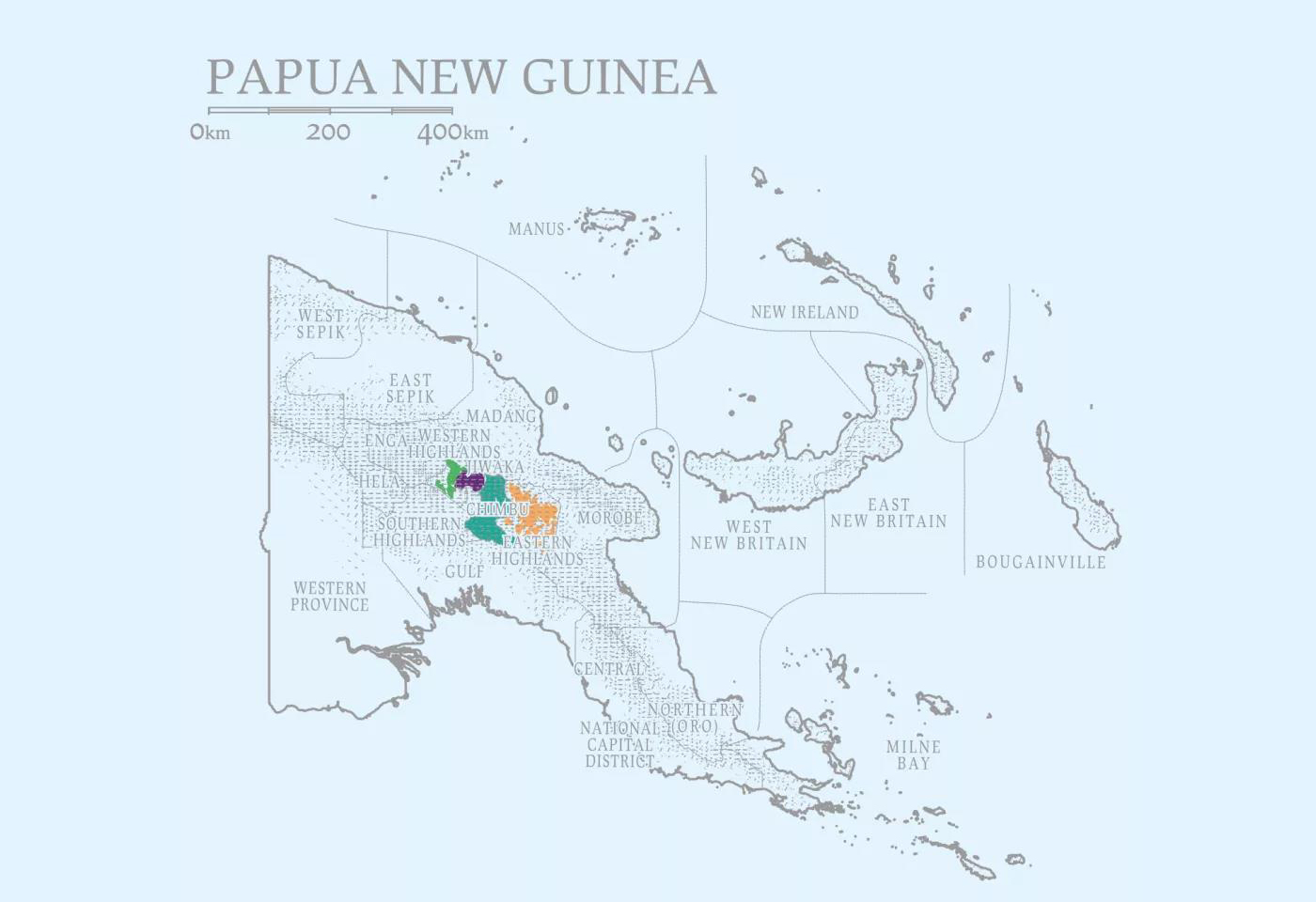
Papua New Guinea is located in the southwest of the Pacific Ocean, with its main territory situated on the eastern half of the world’s largest island — New Guinea Island. It shares a clear international border with Indonesia’s territory to the west. Due to the length of its official name, it is commonly abbreviated as “Papua” or referred to by its English acronym, PNG. Many coffee consumers affectionately call the coffee from here the “Little Blue Mountain” because the Typica variety introduced here originates from Jamaica Blue Mountain, and the growing altitude and climate conditions are similar to those of Blue Mountain. The altitudes here mostly range between 1400 and 1800 meters, with cool climates, abundant rainfall, and fertile volcanic soil, allowing the introduced Typica to adapt well. Whether in terms of varietal origin or natural environment, it has every right to be called the “Little Blue Mountain.”
It’s worth mentioning that Papua’s coffee-growing regions lie close to the equator at around 6 degrees south latitude, compared to Blue Mountain’s 18 degrees north latitude. As a result, while they share common island-style characteristics, they also feature a sweet-and-sour finish reminiscent of dark berries, giving them a richer fruitiness.
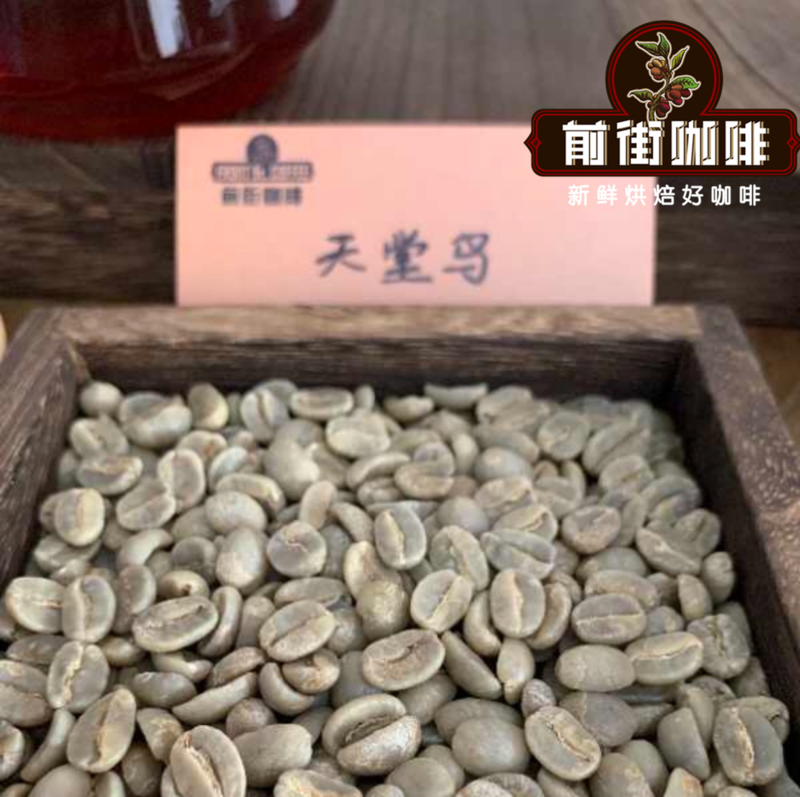
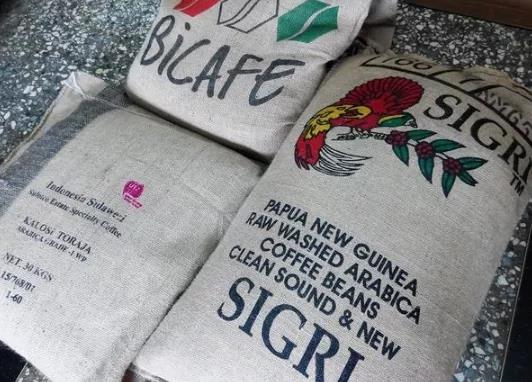
The star of this article — Bird of Paradise coffee — is a classic washed bean from the Sigri Estate. In the market, Papua coffee mainly comes from two well-known estates: Sigri and Purosa. The export sacks of both are printed with the image of Papua’s national bird, the Bird of Paradise, which is why they were collectively referred to as Bird of Paradise coffee in the early days. However, to distinguish their origins, the earlier-imported Sigri Estate beans took the bird’s name as their product title, while the later-introduced Purosa beans are referred to by the estate name. Even so, thanks to its consistent quality and superior natural environment, the Sigri Estate has long been regarded by many as the representative of “Bird of Paradise” coffee. This year’s beans are particularly plump, with a vibrant, emerald green luster and excellent appearance.
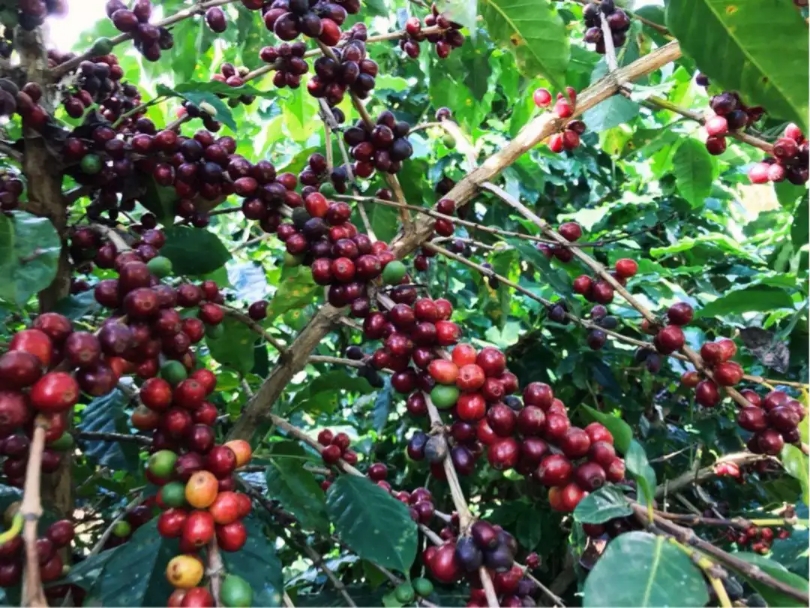
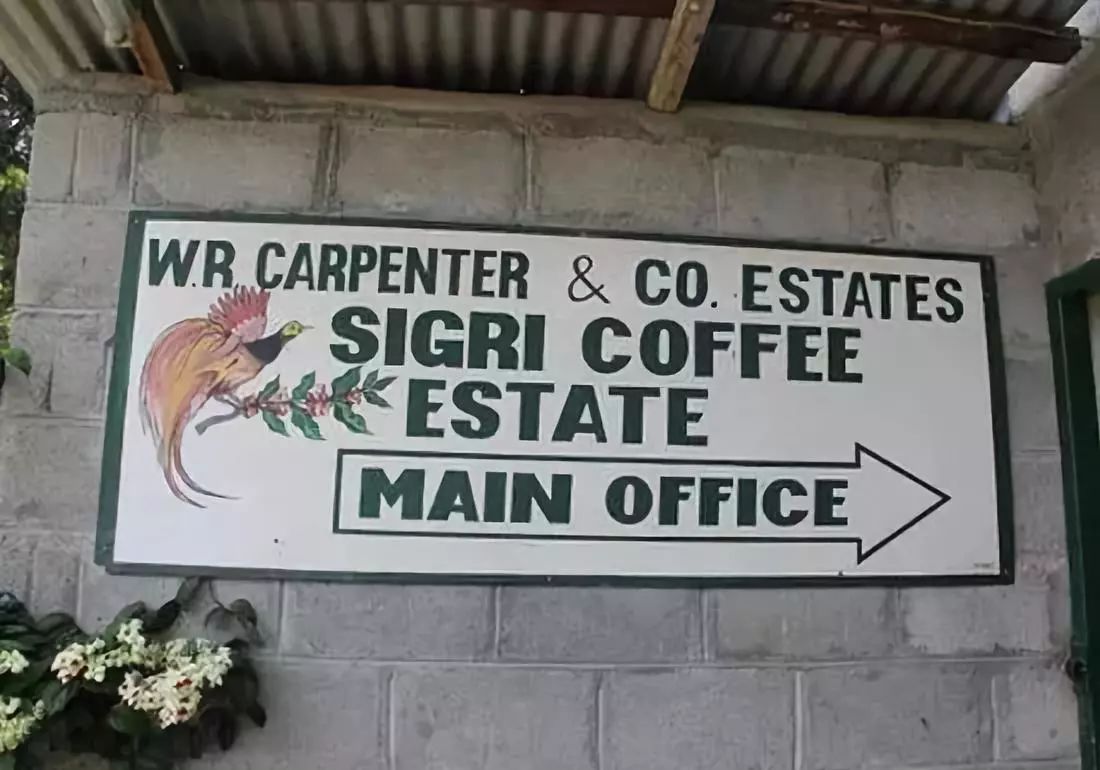
Established in 1950, the Sigri Estate is one of the important pioneers of Papua New Guinea’s coffee industry. It is located in the Waghi Valley of the Western Highlands Province, with a planting altitude of approximately 1500 to 1800 meters — in fact, the sample we obtained was grown even higher, at 1800 meters. The region features mineral-rich volcanic soil, significant day-night temperature variations, along with cool climates and stable rainfall, providing an ideal growing environment for Typica. Additionally, the Sigri Estate has long practiced eco-friendly farming, strictly avoiding the use of pesticides and chemical insecticides, and is committed to preserving the surrounding ecosystem and bird habitats. Hence, the Bird of Paradise is often seen flying and perching within the estate, which is also the origin of its alternative name, the “Bird of Paradise Estate.” During the harvest season from April to September each year, only fully ripe red cherries are handpicked, and daily cupping is conducted to rigorously ensure quality, guaranteeing that every batch of coffee delivers a consistent and high-level flavor performance.
The Papua New Guinea Bird of Paradise coffee introduced in this article is produced at the Sigri Estate in the Western Highlands Province.Altitude: 1800 meters, Variety: classicTypica, Processing method: refinedwashed process. If placed side by side with Blue Mountain washed beans, both have highly distinctive appearances, but upon closer inspection, the Bird of Paradise beans appear even more vividly green and shiny, with equally impressive flavor complexity.
This coffee brand employs amedium roaststrategy for this bean to enhance its bright acidity and fruity character. During roasting, the charge temperature is170°C, the air damper is set to3, the initial flame intensity is140°C, and the turning point is reached at1’36”with a temperature of140°C; subsequently, when the temperature rises to151°C (around 6’25’’), the bean surface turns yellow, the grassy aroma fades, and the dehydration phase is completed. At this point, the temperature reaches176°C, the flame intensity is reduced to110, and the air damper remains at4. As roasting continues to180°C, the flame is further decreased to90, the bean surface begins to show wrinkles and dark spots, the aroma shifts from bread-like to distinctly coffee-like, and first crack approaches. At this stage, the flame intensity is increased to183.5°C, and when the temperature reaches198.5°C, the beans are dropped. First crack begins at10’08’’, with a development time of3 minutes, and the overall first crack temperature rise is strictly controlled within6°Cto ensure clarity of flavor without sacrificing complexity.
For brewing recommendations, using15 grams of coffee groundsas a base, abrew ratio of 1:15is employed, paired withmedium-coarse grind (approximately 65% passing through a #20 sieve),with water temperature set to 88°C, and using a KONO filter to enhance extraction uniformity. Brewing is carried out in three stages: the first stage involves pouring30 grams of waterin a small center circle for30 secondsof bloom, during which the coffee bed will gradually expand into a “hamburger shape”; the second stage involves pouring120 grams of waterin a circular motion from the center outward, with the water poured gently and close to the coffee bed to avoid excessive agitation; the final stage adds75 grams of water, bringing the total water volume to225 grams. Once the coffee liquid in the filter has completely dripped through, the total brew time is approximately2 minutes, and you can then enjoy the full flavor expression of this Bird of Paradise coffee.
In terms of flavor, this coffee features arich aroma of nuts and cocoa, accompanied by subtleberry sweetness. Upon tasting, the flavors are balanced and mellow, with pronounced sweetness and soft acidity, and a lingering fruity aftertaste. The overall profile is both steady and lively, making it highly suitable for coffee lovers who enjoy the flavors of island-grown Typica to explore and savor.
The above content is compiled by CoffeeHunters, a coffee news website.


