







Introduction:Sumatra is Indonesia’s most representative coffee-producing region and the birthplace of the classic Mandheling flavor profile. Coffees from this area are known for their full-bodied, rich mouthfeel, pronounced herbal and earthy notes, and a uniquely identifiable flavor and appearance shaped by the distinctive “wet hulling” processing method. This article will delve into Sumatra’s three main producing regions, the primary coffee varieties grown locally, the characteristics of the wet hulling process, and how understanding the flavor profile can help you select and brew outstanding Mandheling coffee.
Sumatra is Indonesia’s largest island and one of the world’s renowned high-quality coffee origins. The Mandheling coffee produced here is famed for its full body, low acidity, and unique herbal and earthy aromas. Thanks to the “wet hulling” processing method, the beans often feature distinctive cracks and a dense appearance. This article will comprehensively introduce Sumatra’s geographical conditions, major coffee-producing areas, the varietal background of Mandheling, its flavor characteristics, and the technical highlights of wet hulling, helping readers gain a deeper understanding of this distinctive coffee.
Mandheling is actually not the name of a specific coffee variety or a single producing region, but a misnomer given by a Japanese soldier during World War II to the residents of the northern highlands of Sumatra. This name later became synonymous with the coffee from this area and has since gained widespread recognition in the market. Today, when people refer to Mandheling, they generally mean Arabica coffee from Sumatra, especially from Aceh Province and North Sumatra Province, with the most renowned being the old-tree varieties grown in high-altitude mountainous regions.
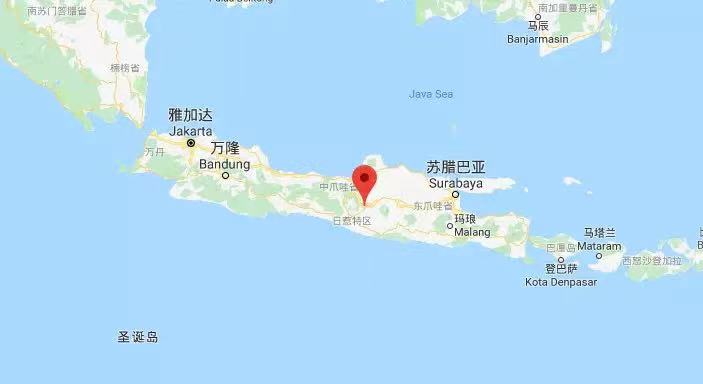
Sumatra’s geographical conditions are unique. Straddling the equator, the island has the Barisan Mountains running through its center, with elevations mostly between 1,200 and 2,000 meters. The cool climate, abundant rainfall, and fertile volcanic soils make it highly suitable for coffee tree cultivation. The island is home to over 90 volcanoes, which also enrich the soil with minerals. The main coffee-producing regions are concentrated in the northern and central highlands of the island, among which Lintong, the area around Lake Toba, and the Gayo highlands in Aceh Province are the most famous.
Located in north-central Sumatra near the renowned Lake Toba, the Lintong region is traditionally one of the primary sources of Sumatran Mandheling. Coffees from this area typically exhibit stable and classic flavor characteristics, such as a full body, low acidity, and pronounced earthy and herbal notes. The coffee from the Lintong region is mostly standard-grade Mandheling, suitable for everyday drinking and for understanding the basic flavor profile of Sumatran coffee.
Lake Toba is Indonesia’s largest volcanic lake, located in North Sumatra Province. It is not only an important geographical landmark but also one of the key birthplaces of modern Mandheling coffee cultivation. Historical records indicate that in 1888, Dutch colonists introduced the “Java Mandheling” variety here, marking the beginning of Arabica coffee in the region. Most of the coffee in this area is grown on the highlands surrounding the lake, where the climate is stable and humidity is ample, facilitating the slow ripening of coffee cherries and the accumulation of flavor.
Lake Tawar is located in the Aceh Special Region at the northern tip of Sumatra. Though much smaller than Lake Toba, it is also situated in a high-altitude mountainous area and is another source of quality coffee. The coffee-growing environment here is similar to that of the Gayo highlands, though its overall production and recognition are not as high.
Among Sumatra’s many producing regions, the Gayo highlands in Aceh Province are considered to yield the highest-quality Mandheling. The Gayo mountain range sits at elevations between 1,500 and 2,500 meters, with a cool climate and significant diurnal temperature variation. Additionally, the indigenous Gayo people often practice organic farming, avoiding chemical fertilizers and pesticides, earning the coffee a reputation as “green coffee” or “Gayo organic coffee.” Many of the coffee farmers in this region are multigenerational growers who cultivate mostly old trees. The varieties are primarily Typica hybrids with unique local lineage. Although officially categorized as Ateng or TimTim, they are actually high-altitude-adapted variants of Catimor and Timor systems.
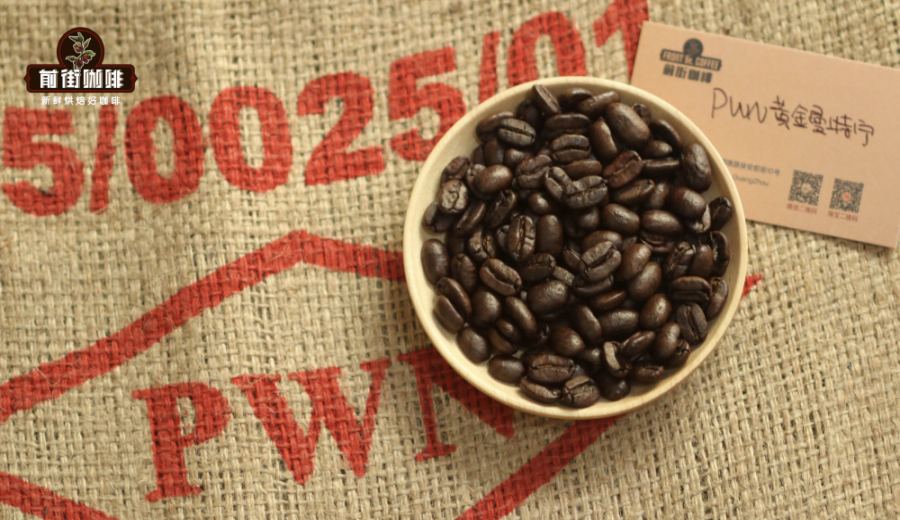
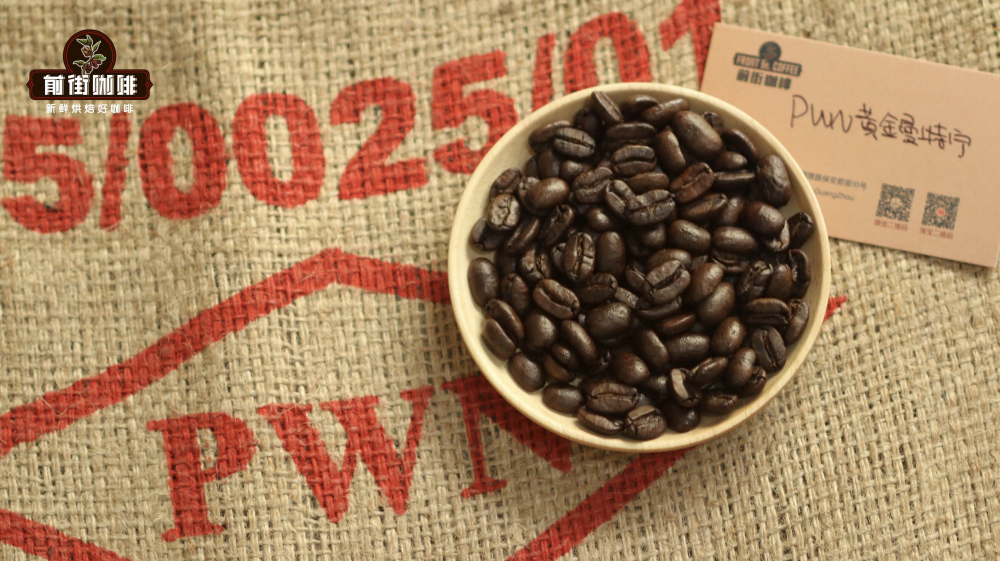
Among them, “Golden Mandheling,” launched by Indonesia’s state-owned export company PWN, is a top-tier product from the Gayo highlands. This coffee undergoes extremely strict green bean selection, using only G1 grade beans sized 19+ that are uniform in size. They are hand-sorted three times and machine-sorted once to ensure no more than three defects per 300-gram sample. Golden Mandheling has a dark greenish appearance, with flat and well-formed beans. It commonly features the characteristic hoof-shaped cracks of wet hulling. This phenomenon occurs because, during the semi-dry stage, the outer layer of the bean is softer while the inner part remains hard. When removing the parchment and mucilage layers under pressure, uneven stress can lead to these distinctive cracks.
The so-called “wet hulling” (also known as Wet Hulling or Giling Basah) is a coffee processing method unique to Indonesia. Compared to traditional washed or natural methods, this technique involves briefly fermenting and washing the mucilage-covered beans after the fruit pulp is removed, then hulling off the outer parchment layer while the beans are not yet fully dry (typically with a moisture content still as high as 30–50%). Since the outer layer of the bean is soft at this stage but the inner part remains hard, the hulling process can easily lead to uneven pressure and the formation of cracks, resulting in the distinctive appearance common to Mandheling. Wet hulling accelerates the drying process, making it suitable for Sumatra’s humid and rainy climate, while also imparting a fuller body and deeper, lower-toned profile to the coffee.
In terms of variety, Indonesia historically focused on planting traditional Arabica, but due to the devastation caused by leaf rust disease, up to 90% of exported coffee now consists of the more disease-resistant Robusta. The varieties used for Mandheling, often labeled as Ateng or TimTim, are actually Catimor (a hybrid of Caturra and Robusta) and Timor (which has Robusta lineage). Though not pure Arabica, these varieties can still exhibit complex and captivating flavor profiles when grown at high altitudes and managed well.
In terms of flavor, Sumatran Mandheling often presents a full, smooth body, with prominent black chocolate, nutty, smoky, and spicy aromas upon entry. The finish often carries earthy, herbal, or woody undertones. Especially after medium to dark or dark roasting, it tends to showcase intense caramel and creamy notes, making it highly appealing to those who prefer bold-flavored coffees. However, under high-pressure extraction methods (such as espresso), its herbal and woody notes may be amplified. It is recommended to carefully control roast level and grind size to achieve the best balance.
For those wishing to brew Mandheling successfully at home, consider using a medium to dark roasted Mandheling bean with a pour over method, employing a medium-coarse grind and water at 90–93°C to highlight its full body and spicy characteristics. For espresso users, it is advisable to choose professionally blended coffee blends—such as those combining Brazilian beans, wet-hulled Mandheling, and a small amount of Robusta—which can maintain a rich mouthfeel while adding layers of chocolate, nutty, and spicy flavors, making them suitable for making lattes or Americanos.
The above content is compiled by CoffeeHunters, a coffee news website.


