







Introduction:Yirgacheffe Adado is often the first choice for many coffee beginners exploring specialty coffee, renowned for its soft yet bright acidity and delicate floral notes. This article delves into the flavor profile of this classic bean, optimal grind settings, and the terroir characteristics of its growing region. It also includes a comparison between washed and natural processing methods to help readers master brewing techniques and tasting essentials. Whether you're practicing pour over or exploring flavors, you’ll find it rewarding.
Yirgacheffe has long been the starting point for many coffee enthusiasts discovering specialty coffee, with Adado being widely praised for its gentle acidity, elegant floral and citrus tones. This article will comprehensively break down the charm of this classic coffee bean—from its flavor characteristics and suitable grind size, to the geographical and processing details of the region—and guide you on how to bring out its most captivating layers through proper brewing. Whether you’re just starting with pour over or aiming to enhance your sensitivity to coffee flavors, this guide offers practical insights.
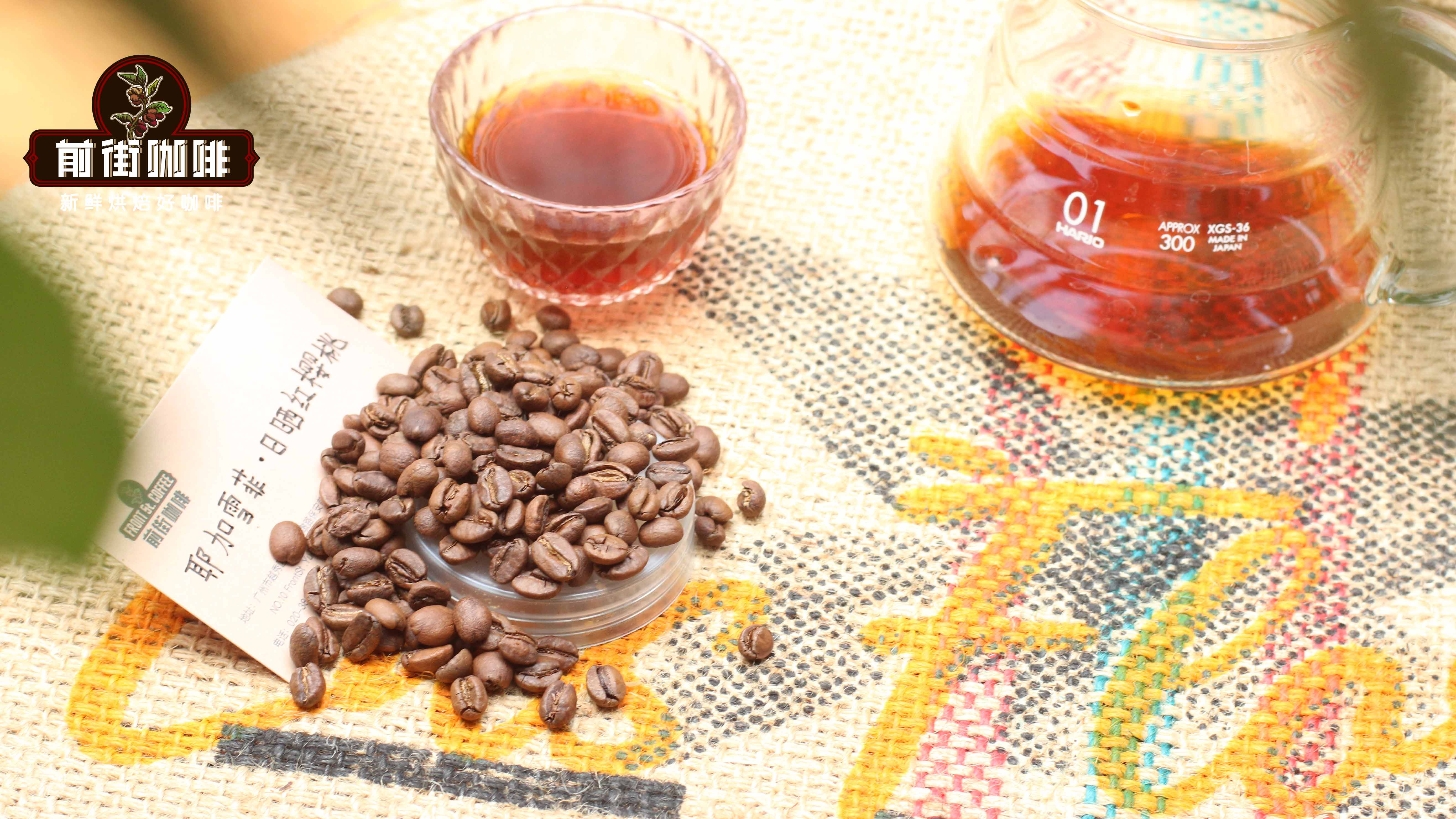
When it comes to coffee with pronounced fruity acidity, many people immediately think of Ethiopia’s Yirgacheffe. Coffees from this region often showcase clear floral notes, citrus-like acidity, and a honey-like finish. For example, the common washed process often yields white floral aromas and a light sweetness; whereas the natural process brings out richer fruitiness, such as the bright acidity of lemon, along with subtle fermentation notes—these are all classic representatives that are perfect for beginners practicing pour over and developing their flavor discernment skills.
Although Yirgacheffe coffee beans are not large in size, their flavor expression is remarkably delicate. As one of the birthplaces of coffee, Ethiopia boasts a long planting history and diverse processing techniques, nurturing many high-quality Arabica varieties. Lightly roasted Yirgacheffe typically emits aromas of lemon, jasmine, and honey, with soft acidity accompanied by citrus notes. It tastes fresh yet layered, and even without sugar or milk, you can enjoy its natural sweetness and rich mouthfeel.
This Adado from Yirgacheffe has seen increasing international attention in recent years. Just a few years ago, many consumers might have associated Ethiopian coffee only with the broad term “Mocha,” but as the market places more emphasis on regional distinctions, Yirgacheffe has gradually stood out as the “entry sanctuary” for many coffee aficionados. Especially in the past three to four years, with a more refined grading system, the differences among Yirgacheffe’s various micro-lots and processing methods have become more pronounced, further boosting its overall popularity.
Yirgacheffe is actually composed of multiple surrounding small regions or cooperatives, including Idido, Hafursa, Hama, and Bdon, all located near the Wush Wush Valley. These areas feature high altitudes, cool and stable climates, year-round cloud cover, abundant but not overly humid rainfall, and significant day-night temperature variations—all of which contribute to the unique fruity acidity and floral aromas found in the coffee cherries. Most of the coffee here is grown by smallholder farmers, often intercropped with other crops. Though yields are modest, careful cultivation results in beans with exceptional flavor potential.
In terms of processing, the majority of Yirgacheffe coffees are washed, a method that highlights clean and bright acidity and floral notes while maintaining balanced overall flavors. However, a small number of batches are processed naturally to emphasize fruitiness and body, offering a different taste experience. Regardless of the processing method, the microclimates and soil conditions of these mountain villages are key factors in shaping what is known as the “Yirgacheffe flavor”—often described as intense jasmine floral notes, refreshing lemon or lime acidity, and the sweetness and tea-like qualities of peaches and almonds.
For pour over enthusiasts looking to fully highlight Adado’s characteristics, it is recommended to use a medium-fine grind, roughly between caster sugar and granulated sugar, with slight adjustments possible based on brewing equipment. As for water temperature,it is advised to stay within 90°C to 92°C, which helps bring out the citrus and floral notes without making the acidity overly sharp. During brewing, pay attention to the blooming phase—the appropriate expansion indicates good bean vitality, aiding subsequent flavor release. Additionally, stable water flow and even pouring are key to achieving balanced extraction. Beginners can gradually master the feel through repeated practice.
Overall, Yirgacheffe Adado is not only an ideal choice for newcomers but also a highly representative example for enthusiasts eager to delve deeper into how coffee terroir and processing methods influence flavor. From delicate floral aromas and soft fruit acidity to diverse processing styles, this coffee bean delivers a rich sensory experience. When paired with the right grind size and brewing parameters, it can fully showcase its elegant and nuanced side, taking you on an unforgettable flavor journey.
The above content is compiled by CoffeeHunters, a coffee news website.


