







Introduction:Mandheling coffee, with its bold and full-bodied taste and unique spicy, herbal aroma, has become one of the top choices for dark roast enthusiasts. This classic bean variety from Sumatra, Indonesia, not only carries a fascinating misheard name anecdote from World War II, but also boasts a rich and layered cup profile thanks to its distinctive wet-hulling processing method. This article will delve into the history of Mandheling, the regional and grade characteristics of Lintong and Golden Mandheling, the key techniques of wet-hulling, and provide practical medium-dark roast and pour over parameters to help you better appreciate the charm of high-quality Mandheling.
When it comes to dark roast coffee, many people think of Mandheling first. This classic coffee from the island of Sumatra, Indonesia, is widely loved for its rich and full-bodied flavor, mildly acidic yet balanced profile, and unique herbal and spicy notes. Whether you’re a fan of black chocolate and nutty tones or prefer deep woody flavors, Mandheling always captivates with its steady style.
The fame of Mandheling stems not only from its unique flavor but also from an amusing WWII-era misunderstanding. It’s said that a Japanese soldier drinking coffee at a shop in Indonesia once misheard the shop owner’s response — the ethnic name “Mandailing” — as “Mandheling.” Since then, this name has been tightly linked with Sumatran coffee. Later, in 1968, Japanese importers began bringing in large quantities of Sumatran Mandheling, officially introducing the name to the international market and making PWN’s Golden Mandheling a benchmark in the specialty coffee scene.
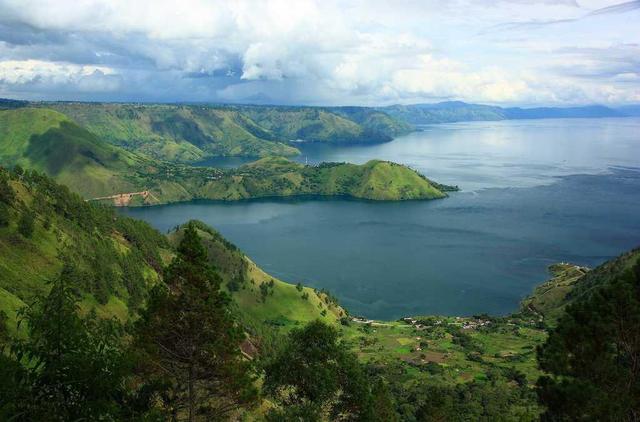
Sumatra is the largest coffee-producing island in Indonesia, with the northern regions of Aceh and North Sumatra being the main production areas. Especially around Lake Toba, due to its fertile volcanic soil and high-altitude environment, it has become an important growing zone for Lintong Mandheling. The altitudes here are mostly mid-to-high, with coffee trees commonly grown on slopes surrounded by dense vegetation and ample natural shade, eliminating the need for additional shading nets. Though the humid tropical climate poses challenges to processing, it also contributes to Mandheling’s uniquely intense character.
When talking about Mandheling, one cannot overlook its most representative processing method — wet-hulling. This method is distinctly different from traditional washed or natural processes. Its key lies in removing the coffee bean husk while the mucilage is not fully dried and the parchment is still slightly moist, allowing the green beans to undergo the rest of the drying process in a “naked” state. Although this technique significantly shortens the processing time, it also imparts deeper woody, herbal, and spicy aromas to Mandheling, creating a unique hallmark that sets it apart from coffees of other regions.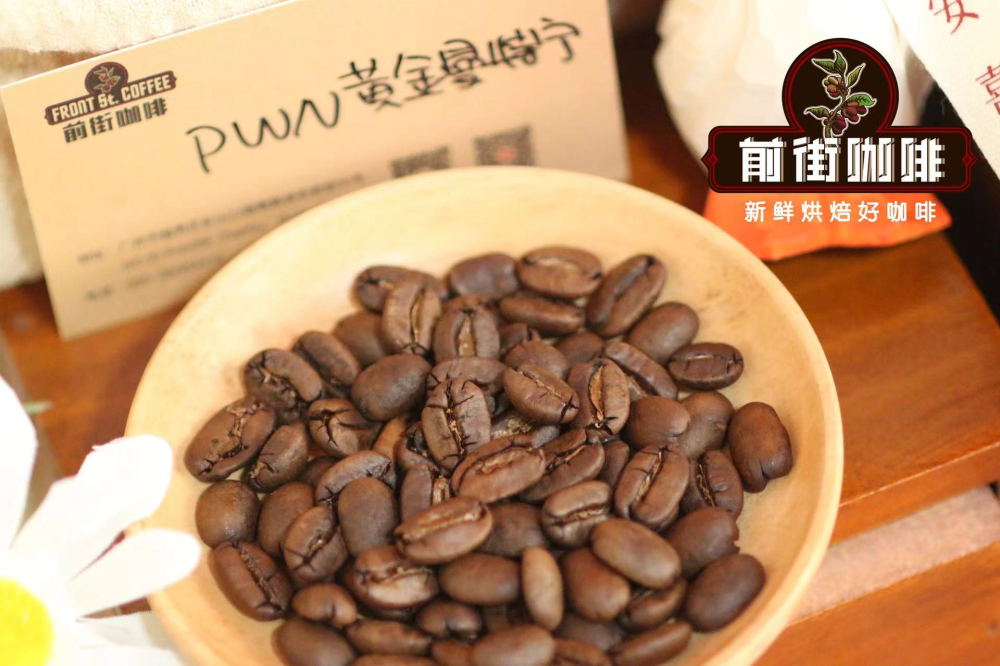
If regular Lintong Mandheling already embodies the classic Sumatran flavor profile, then “Golden Mandheling” is the cream of the crop. This product, carefully selected and launched by the well-known Indonesian green bean supplier PWN, enforces high standards from the raw material stage. PWN performs machine pre-selection plus three rounds of manual sorting on the purchased Grade 1 green beans, ensuring each bean is plump, with minimal defects, and achieves premium visual and tactile quality through density and color sorting. It’s reported that in every 300g sample of PWN’s Golden Mandheling, there are no more than 11 defective beans — far exceeding general G1 standards — resulting in a cleaner flavor, more pronounced sweetness, and almost no common earthy or grassy off-notes.
Indonesia’s coffee grading system is primarily based on the number of defective beans, supplemented by bean size. Generally, the lower the defect rate and the more uniform the beans, the higher the grade. G1 is the highest grade, requiring fewer than 11 defective beans in a 300g sample. A well-known roaster’s Lintong Mandheling falls into this grade, showcasing the classic dark roast characteristics of the region — including black chocolate, nuts, caramel, and herbal notes — making it an excellent choice for those new to Sumatran flavors.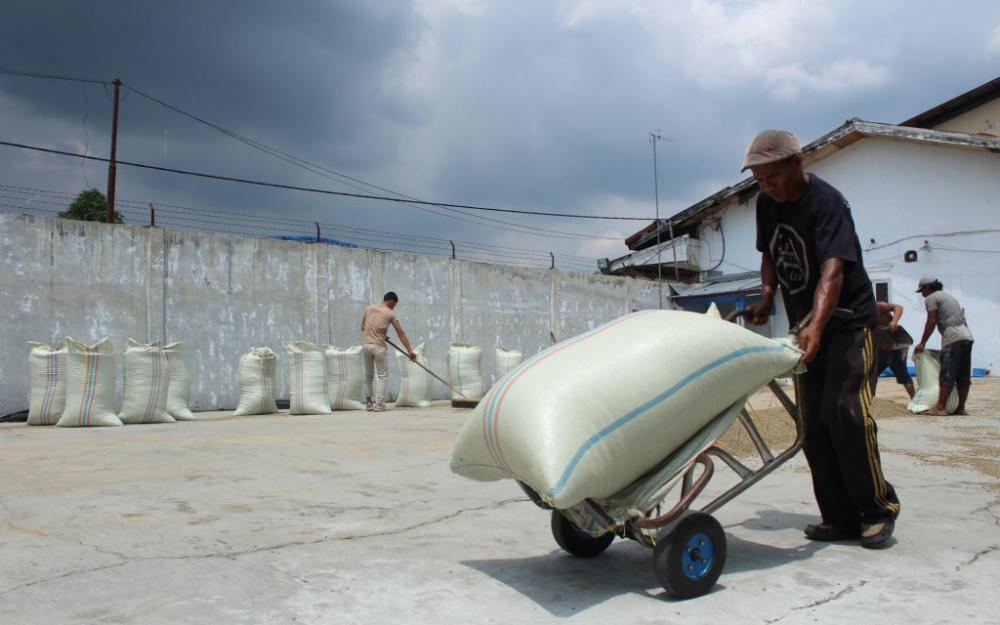
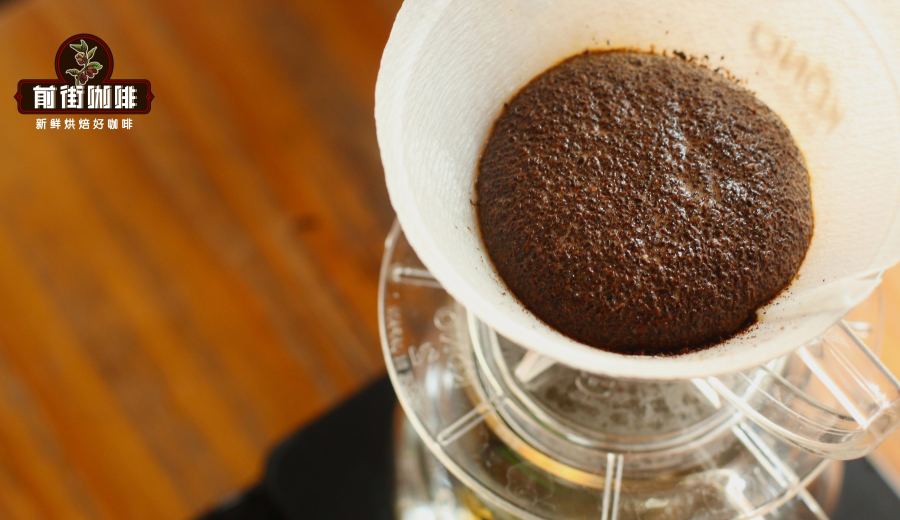
So how can you brew out the most captivating side of Mandheling? Given its inherently bold flavor and low acidity, medium-dark roasting is the best way to highlight its characteristics. This roast level brings out layers of black chocolate, nuts, and spices while retaining moderate sweetness and body. It’s recommended to use a Kono filter cone with water at 87–88°C, employing a medium grind (around 70% passing through a #20 sieve) for extraction. The suggested powder-to-water ratio is 1:15, using 15 grams of coffee powder in total, with a three-stage pour and total extraction time controlled around 2 minutes. The Kono filter cone’s special curved design effectively traps heat, creating an immersion effect similar to a siphon, further enhancing the coffee’s richness and smoothness.
Additionally, it’s worth noting that the peak flavor period for Mandheling is 4–7 days after roasting. It’s advisable to choose freshly roasted beans and avoid prolonged storage that could lead to aroma loss or unwanted woody off-flavors. Many specialty shops typically only ship beans roasted within the last 5 days to ensure customers enjoy them at their optimal flavor state.
In summary, Mandheling coffee is not just a classic choice for dark roast lovers, but also a window into Sumatra’s local processing craftsmanship and terroir characteristics. From the traditional wet-hulling of the Lintong region, to the meticulously selected Golden Mandheling by PWN, and on to the recommended pairings of medium-dark roasts and precise pour over methods, each step reflects the artisans’ dedication and understanding of flavor. Whether you’re just starting out or a seasoned coffee enthusiast, gaining a deeper understanding of Mandheling can add a unique depth and memory to your coffee experience.
The above content is compiled by CoffeeHunters, a coffee news website.


