







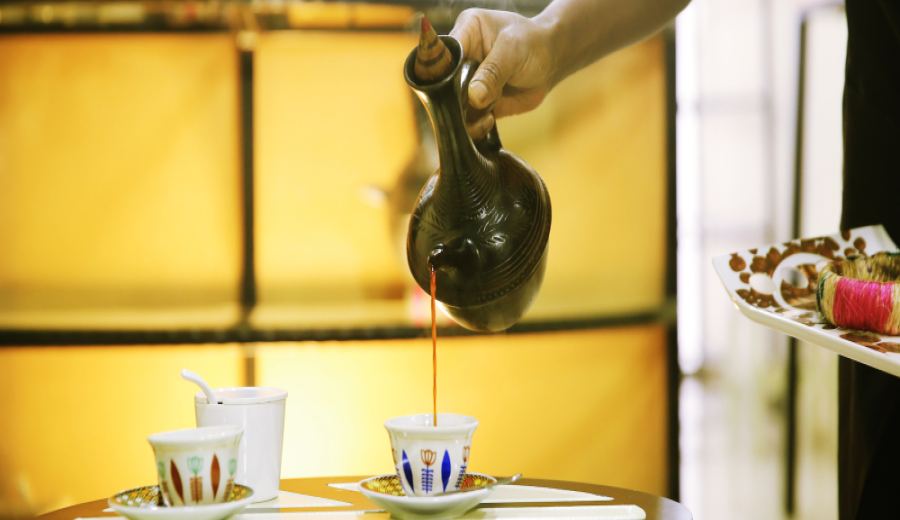
Introduction:Delve into the nine major coffee-growing regions of Ethiopia, the birthplace of coffee—from the globally renowned Yirgacheffe and Sidamo to Harrar and Limu—exploring their unique flavor profiles and processing methods. This article provides an in-depth look at the characteristics of local heirloom varieties, the differences between washed and natural processing, and practical V60 pour-over parameters to help you more accurately capture the layered complexity and fruity notes of African coffee.
Ethiopia is hailed as the cradle of coffee, famous for its bold floral aromas and multi-layered fruitiness, making it a holy grail for specialty coffee enthusiasts worldwide. Beyond its long coffee history, the country is home to numerous renowned regions, each producing beans with distinct flavors due to their unique geographical and climatic conditions.
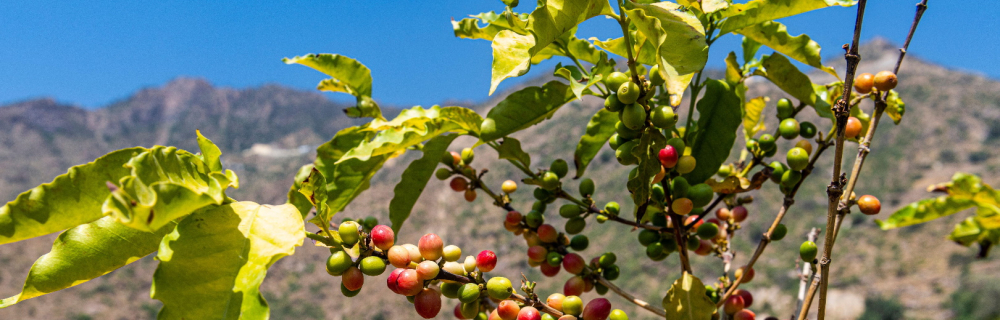
Coffee cultivation in Ethiopia is primarily concentrated in the highland plateaus of the central and western regions, categorized into three main types based on farming methods: forest coffee, garden coffee, and plantation coffee. Forest coffee is mostly found in the Kaffa forests in the southwest, existing in a wild state, harvested by locals entering the forests, with quality and flavor varying greatly due to environmental differences, and typically priced lower. Garden coffee is the primary method for most smallholder farmers, who grow coffee trees alongside other crops around their homes for easy daily care. Although plantations make up a smaller share, they are professionally managed with standardized planting and harvesting processes, mainly producing for export and brand needs.

The country has nine major coffee-growing regions, among which Yirgacheffe, Sidamo, Limu, and Harrar are the most well-known and serve as key sources of specialty coffee. These regions mostly operate under garden and cooperative models, where farmers deliver harvested coffee cherries to nearby processing facilities for centralized processing, then sell them under the facility’s name to ensure consistent quality and traceability.
Yirgacheffe (Yirgacheffe) is one of Ethiopia’s most iconic regions, originally part of Sidamo but later designated as a separate zone due to its unique flavors. The region sits at an altitude of 1,900 to 2,000 meters, with significant day-night temperature variations that allow coffee cherries to ripen slowly, developing rich flavors. Yirgacheffe coffee often features bright citrus and lemon acidity, paired with intense jasmine floral notes and honey-like sweetness, offering a clean and layered mouthfeel. Washed processing dominates here, highlighting a clean acidity and delicate fruitiness, making it a top choice for many coffee newcomers exploring African beans.
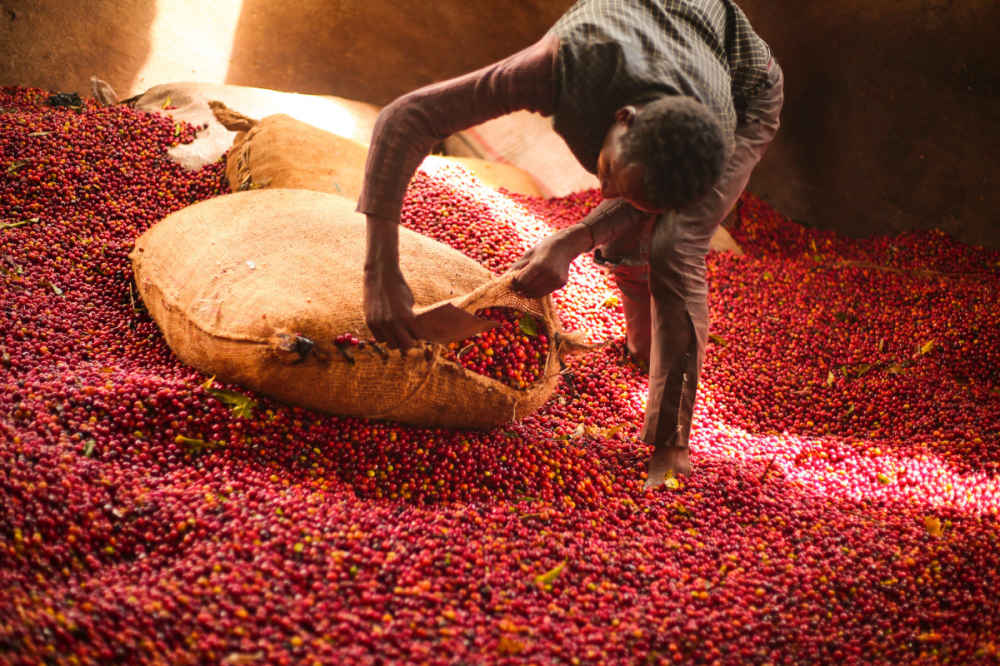
Sidamo (Sidamo) is located in southern Ethiopia, with diverse terrain and climate, resulting in a wide range of coffee flavors. The region’s coffee is mostly grown on highlands on either side of the East African Rift Valley, where fertile soil and annual rainfall of up to 2,000 mm provide ideal growing conditions. The Guji sub-region, in particular, is a hub for specialty coffee, sitting at elevations of about 2,250 to 2,350 meters, producing coffee with intense fermentation aromas like passionfruit and berries, along with prominent sweetness. Natural processing is widely used here, enhancing the coffee’s rounded, fruity profile and full-bodied mouthfeel.
Harrar (Harrar) is situated in eastern Ethiopia, a historic hub for coffee trade and one of Islam’s four holiest cities. The region’s coffee is primarily grown in the Hararghe Highlands, at relatively high altitudes but with only about 1,000 mm of annual rainfall and abundant sunshine, leading to the prevalence of natural processing. Harrar coffee is often described as having rich chocolate and dark berry flavors, with pronounced acidity and a wine-like body, sharing similarities with Yemeni Mocha. However, due to recent instability in grading systems, premium Harrar beans have become rarer in the market.
The Limu (Limu) region is located in central Ethiopia, at elevations of 1,200 to 2,000 meters, with relatively low production, mainly exported to European and American markets. Processing methods here vary, including washed, natural, and semi-washed. Limu beans tend to have a milder profile, with bright but less intense acidity compared to Yirgacheffe or Sidamo, often featuring grassy and brown sugar notes, offering a balanced overall taste with slightly lower body.
In terms of variety, Ethiopian coffee beans are often labeled as "heirloom" or "Heirloom native varieties." Due to the country’s extremely rich coffee gene pool—and the government’s efforts to protect these precious varieties—specific variety names are not fully disclosed, with the market generally referring to them as "heirloom." This also leads to Ethiopian beans often varying in size and shape, yet harboring immense flavor potential.
For processing methods, Ethiopian coffee is mainly divided into natural and washed categories. Natural processing involves drying harvested coffee cherries directly under the sun until their moisture content drops to 12%. While this method preserves more fruit pulp flavors, improper handling can easily introduce earthy, overly fermented, or rotten off-notes. To improve quality, Ethiopia later introduced washed processing techniques, involving steps like floatation, fermentation to remove mucilage, washing, and drying, effectively reducing defect rates and highlighting a cleaner, brighter acidity with distinct floral and fruity aromas.
To brew Ethiopian coffee at home and capture its refined flavors, it’s recommended to use freshly roasted beans, ideally within 4 to 7 days post-roast, to fully experience their aromatic potential. Use a V60 dripper, with a water temperature of 91–92°C, a coffee-to-water ratio of 1:15, and a grind size similar to superfine sugar (about 80% passing through a #20 sieve). Employ a three-stage extraction: start with a 30-second bloom using 30 grams of water, then pour in small streams to reach 125 grams for the first pour, followed by additional pouring to 225 grams as the water level drops, with a total extraction time of around 2 minutes. These parameters effectively highlight the fruitiness and sweet-tart layers of Ethiopian beans, suitable for classic profiles like washed Yirgacheffe and natural Sidamo Huakui.
The above content is compiled by CoffeeHunters, a coffee news website.


