







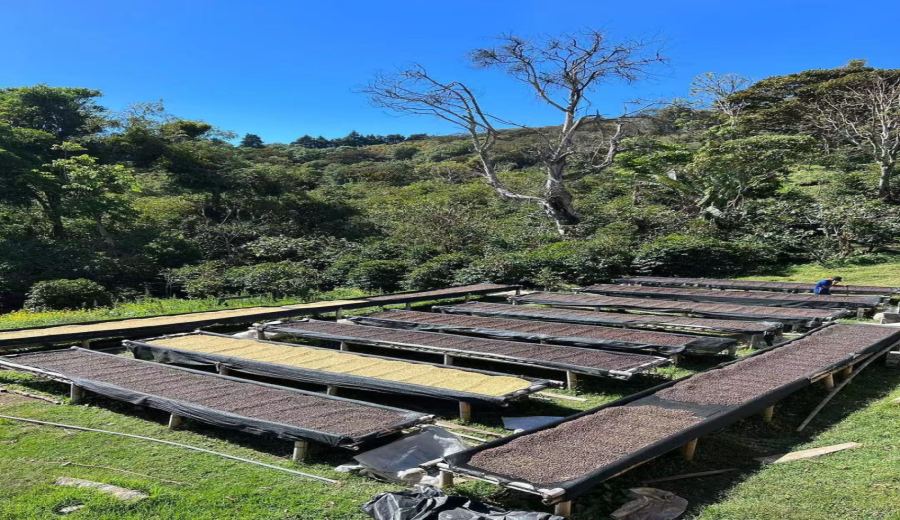
Introduction:Delve into the Elida Estate located in Panama’s Boquete region, a legendary coffee plantation nestled on a mountain at nearly 1,850 meters above sea level. This article details its century-old family history, unique geographical environment, and how meticulous processing methods such as anaerobic fermentation and low-temperature slow sun-drying yield Geisha coffee with rich and layered flavors. From cultivation conditions and variety selection to pour over recommendations and flavor analysis, gain a comprehensive understanding of the secrets behind this top-tier coffee.
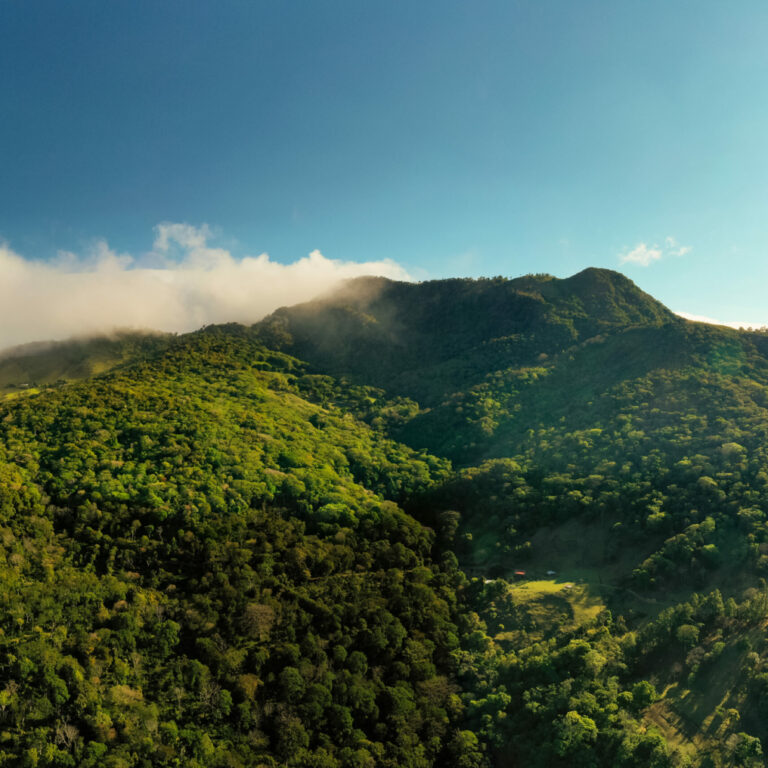
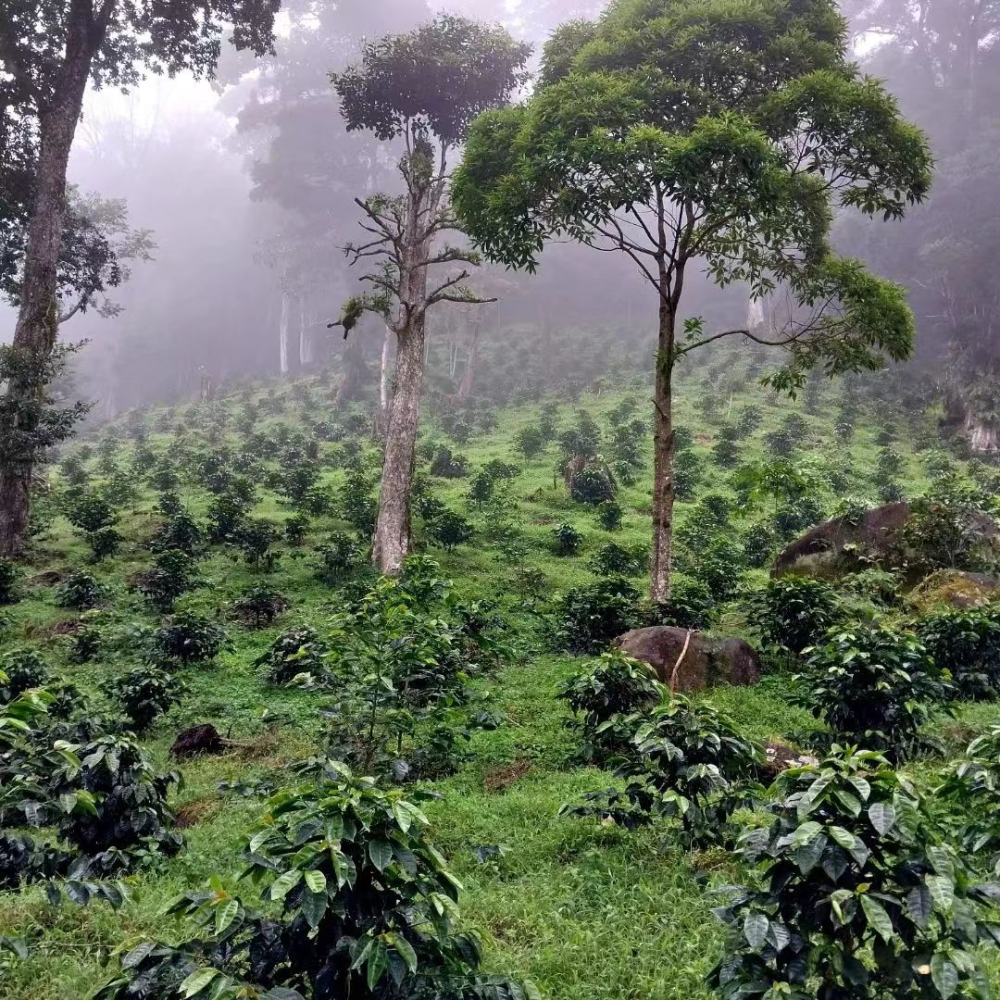
At the summit of the Boquete region in Panama, nearly 1,850 meters above sea level, stands the Elida coffee estate. Owned by the Lamastus family, this plantation has been cultivating coffee since 1918. Its unique location places nearly half of its area within the boundaries of the Baru Volcano National Park, making it one of the few ultra-high-altitude coffee growing bases in Panama and even Central America.
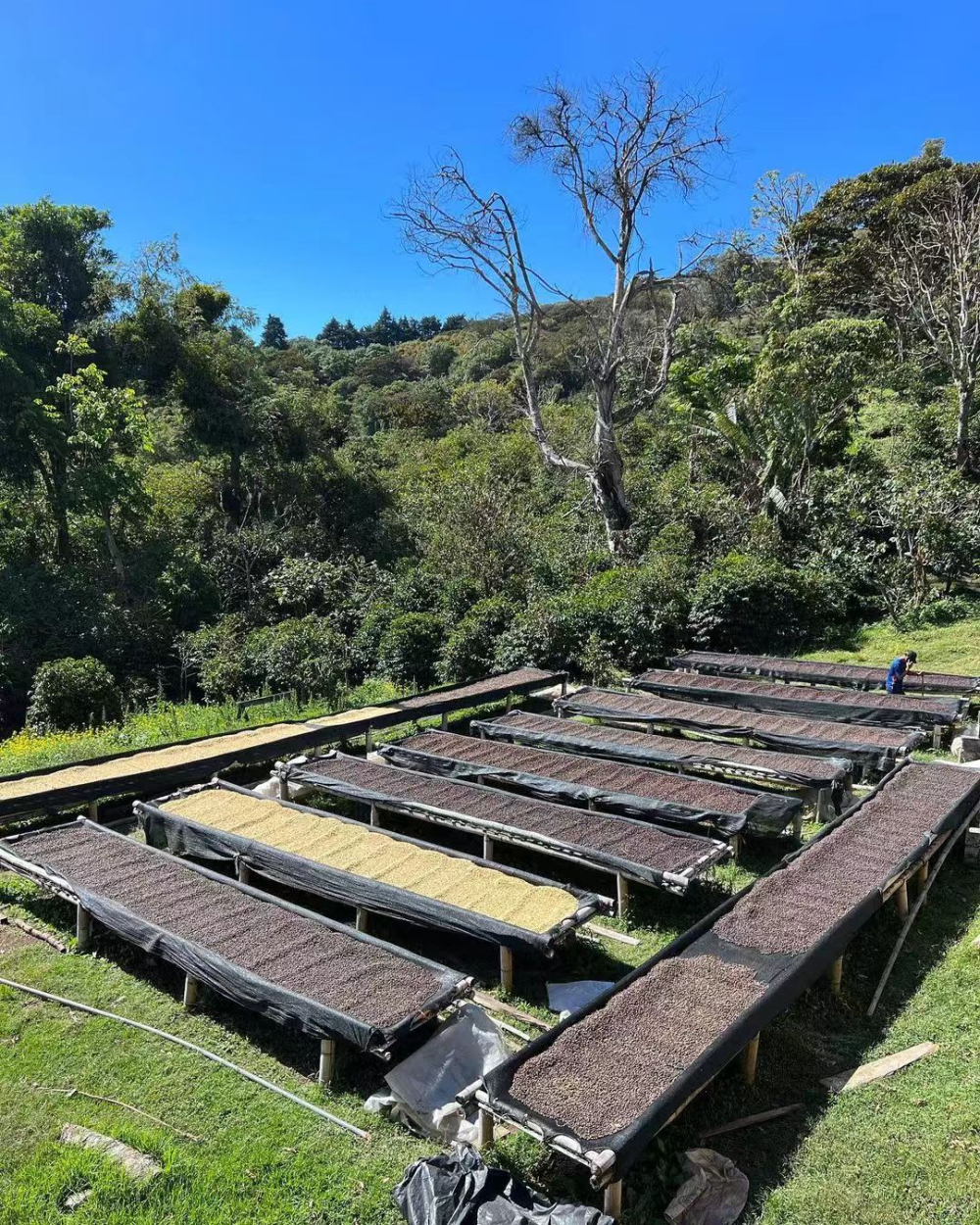
The Elida Estate is renowned not only for its altitude but also for its refined cultivation and processing of Geisha. The estate mainly grows Catuai, Typica, and Geisha varieties. Through strictly controlled shaded cultivation, hand-picked harvesting, and advanced post-harvest techniques such as anaerobic fermentation and low-temperature slow sun-drying, the coffee beans are endowed with an exceptionally delicate and complex flavor profile. These characteristics have secured Elida’s Geisha a notable place in the global specialty coffee market.
The estate’s name “Elida” honors the wife of Robert Louis Lamastus, an early-generation farm owner of the Lamastus family. With an altitude that is nearly the highest in all of Panama, over 35 hectares of the land remain in pristine forest, while only about 30 hectares are dedicated to coffee cultivation, at elevations ranging from 1,670 to 1,850 meters. This has established it as one of Panama’s premier coffee-growing regions. It is worth mentioning that another well-known estate at a similar altitude is the Carmen Estate located in the Volcán Valley.
Situated at the foot of the Baru Volcano, the terrain here is rugged, and the day-night temperature variation is extreme, resulting in a much longer growth cycle for coffee trees compared to other regions. It is understood that it takes up to five years for Elida’s coffee trees to go from planting to their first harvest, significantly longer than the three years typical in other regions. Although this means lower yields and higher risks, it also allows the coffee beans more time to accumulate complex flavors. Additionally, if heavy rain or hurricanes occur near harvest time, the estate insists on not harvesting early, even at the cost of reduced yield, picking only fully ripe coffee cherries.
Coffee cultivation in the Boquete region of Panama is generally divided into three types: full sun, semi-shade, and full shade, depending on the planting density per hectare: over 50 plants per hectare is considered full shade, 25 to 50 plants is semi-shade, and below 25 plants is full sun. Shaded environments slow fruit ripening and promote the accumulation of more flavor compounds, but they also reduce yield per unit area. Nowadays, many regions, including Colombia, commonly use tall crops like banana trees as natural shading strategies.
The main varieties grown at Elida Estate—Geisha, Catuai, and Typica—are all premium Arabica types. Each batch of coffee beans can be clearly traced back to its origin, with detailed records from specific plots, cooperatives, and even individual farmers. This allows coffee enthusiasts to better understand the regional characteristics and human effort behind the flavors. Many industry insiders emphasize that only by visiting the producing regions and estates in person can one truly appreciate how microclimates, varietal traits, processing methods, and the unique craftsmanship of coffee farmers together shape the distinct personality of a cup of coffee.
The Geisha (Geisha/Gesha) variety was first discovered in 1931 in the Gesha Forest of Ethiopia, and was later introduced to Kenya, Uganda, Tanzania, Costa Rica, and other places, only arriving in Panama in the 1970s. However, it wasn’t until 2003, when Panama’s Hacienda La Esmeralda isolated it from other varieties and won the BOP competition championship in 2004, that Geisha truly stepped onto the world stage of specialty coffee. This variety is extremely particular about its environment, preferring high altitudes, foggy or well-shaded settings, and fertile, deep soils—and Boquete happens to be one of its ideal growing locations.
At the Elida Estate, in addition to Geisha, Catuai and Typica are also planted, with overall management of the planting areas being extremely rigorous. The processing facility is located halfway up the mountain, ensuring that harvested coffee cherries can be delivered to the processing area in the shortest possible time to avoid quality degradation. Moreover, the region’s special microclimate also allows some high-altitude fruits, such as tree tomatoes, to grow, and the aromas of these plants can occasionally be faintly detected in the coffee’s flavor profile.
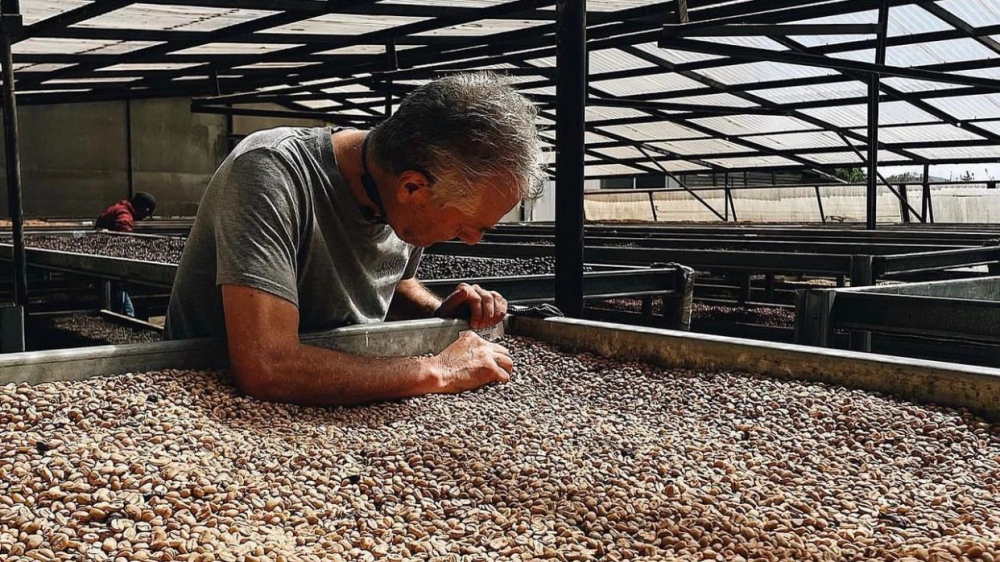
Mr. Wilford, the owner of Elida Estate, is extremely meticulous about the harvesting and processing procedures. To maintain the highest quality, only fully ripe coffee cherries (Ripe on Pinton) are allowed to be picked, ensuring optimal pulp and sugar content—this is the cornerstone of the unique flavor of Elida’s Geisha. Furthermore, the processed green beans undergo at least five months of low-temperature resting to stabilize and develop their flavors. This practice originates from the post-harvest bean maturation philosophy advocated by coffee expert George Howell in 2006. Based on practical experience, Elida believes that five months of low-temperature aging represents the ideal balance point for this altitude and processing method.
Take the recently highly regarded Elida Estate ASD process Geisha as an example. This coffee employs a refined technique combining anaerobic fermentation with low-temperature slow sun-drying. First, whole coffee cherries are placed in a sealed container for 4 to 5 days of anaerobic fermentation, after which they are spread out on drying beds to slowly dry at low temperatures. This process relies on stable weather conditions, is time-consuming, and comes with higher costs, but it enables the coffee to develop richer and more delicate aromas and textures, while also helping the green beans maintain stable performance during storage.
Below are practical pour over parameters using this Elida ASD Geisha as an example, suitable for coffee enthusiasts who enjoy high-altitude hard beans and pronounced acidity. It is recommended to use medium-light roasting to highlight its floral-fruity notes and clear layers.
Pour over recommendations are as follows:
• Dripper: V60
• Water temperature: 91–92°C (suitable for high-altitude beans with bright acidity)
• Coffee dosage: 15 grams
• Coffee-to-water ratio: 1:15
• Grind size: Fine sugar-like (approximately 80% through a #20 sieve)
In terms of steps, it is recommended to use a multi-pour extraction method: first, place the ground coffee into the dripper, then pour 30 grams of hot water for a 30-second bloom, using a small stream to evenly circle from the inside out. Next, pour 95 grams of water, and once the dripping speed slows down, pour the final 100 grams of water until the dripping is complete. The total brewing time should be controlled to around 2 minutes, allowing for approximately 10 seconds of flexibility.
The above content is compiled by CoffeeHunters, a coffee news website.


