







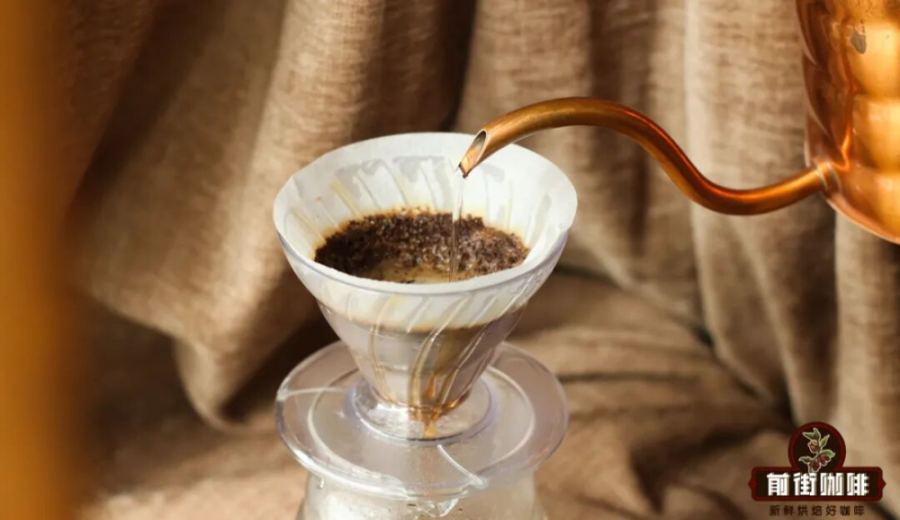
Introduction:Pour-over coffee originated from the ingenuity of a German housewife and has evolved into one of the most popular brewing methods in today's specialty coffee scene. This article delves into the historical evolution of pour-over coffee, from the invention of the Melitta filter cone to the advancements in modern filter designs. It also provides a comprehensive three-stage pour-over tutorial, using the classic Huagu coffee as an example to detail techniques such as blooming, main extraction, and finishing. Additionally, it recommends several coffee beans suited to different taste preferences to help you master professional-level pour-over skills.
Pour-over coffee is now one of the most beloved brewing methods in the specialty coffee world, but its origins can be traced back over a hundred years to the innovative practice of a German woman. At the time, coffee brewing methods were generally crude—coarse-ground beans were boiled directly and then filtered, resulting in a brew that was not only full of impurities but also often bitter, astringent, and sludgy. Until one German housewife, who had very high standards for coffee quality, decided to change all that.
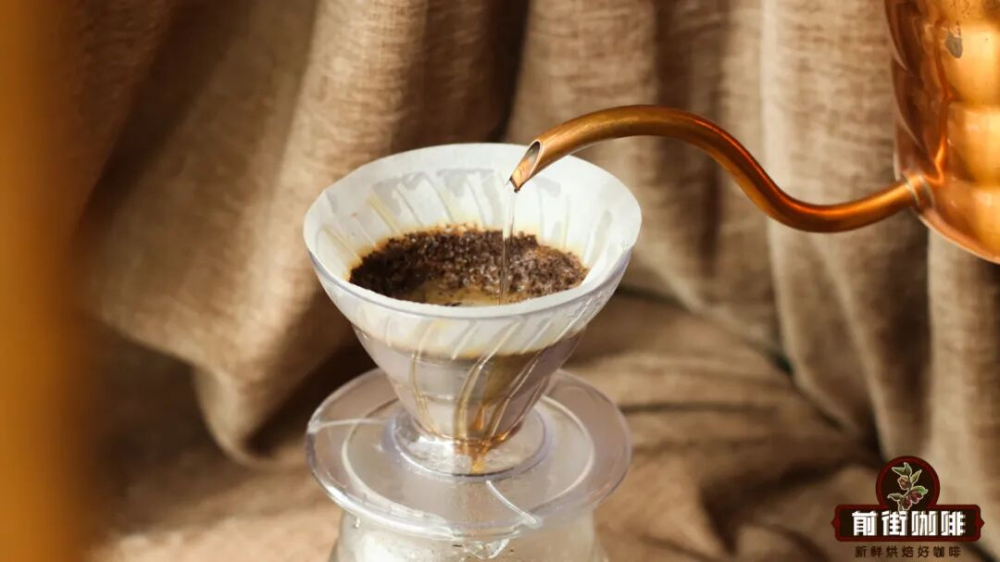
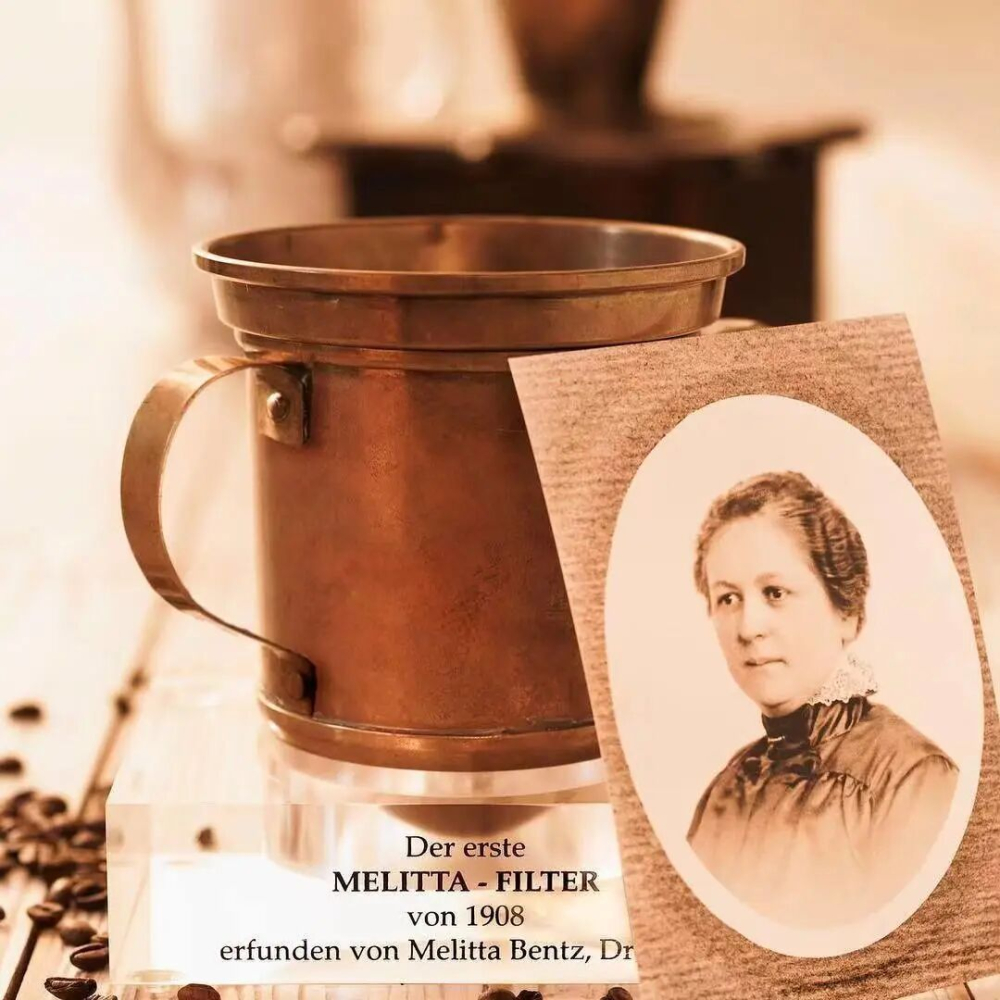
In the early 20th century, Amalie Auguste Melitta Bentz from Germany grew dissatisfied with traditional coffee filtration methods. She was tired of drinking coffee filled with coffee grounds. After numerous trials, she had a flash of inspiration: she punched small holes in the bottom of a copper container, lined it with blotting paper, added ground coffee, and poured hot water over it. This simple yet revolutionary design successfully filtered out coffee grounds while preserving aroma and flavor, giving birth to the world’s first drip-style coffee brewing system.
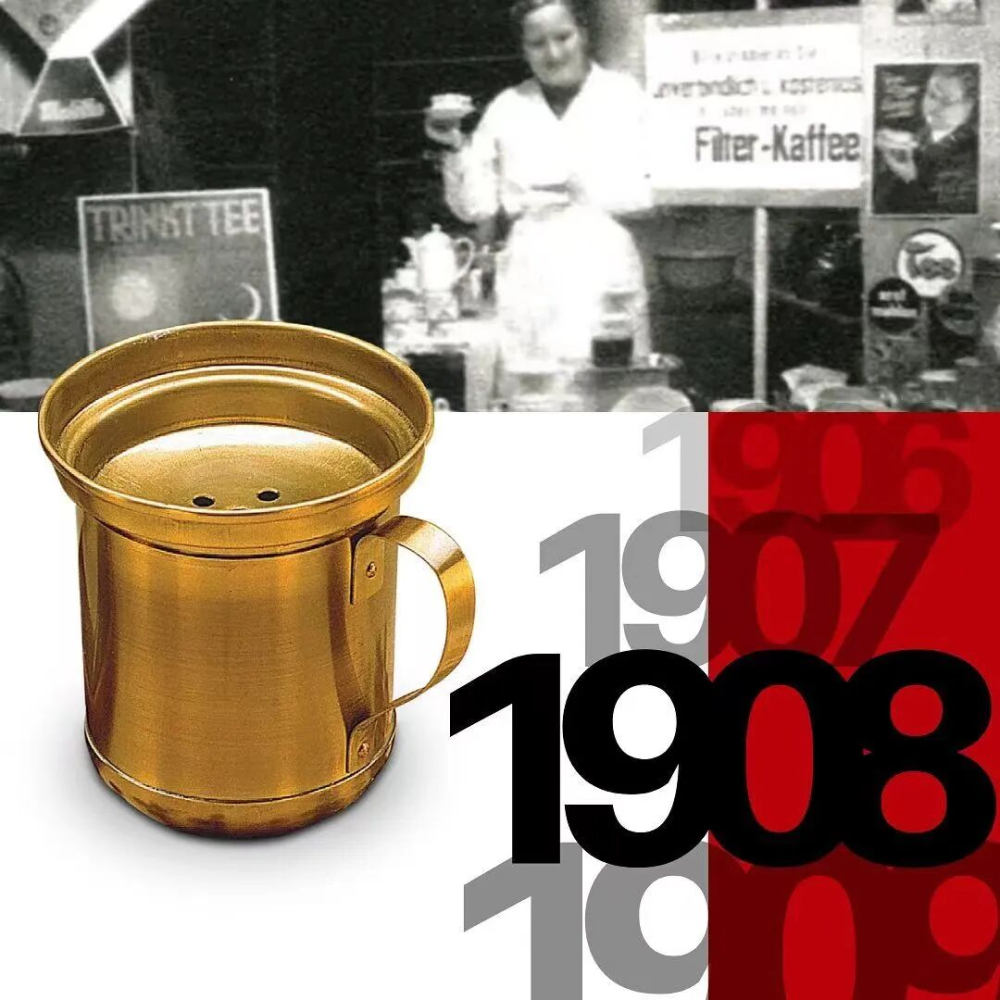
In 1908, Melitta applied for a German imperial patent for this invention and founded the Melitta company, ushering in the era of modern pour-over coffee. This system not only made the coffee taste purer but also quickly gained market popularity due to its simplicity and affordability. The original filter cones were primarily made of copper, paired with dedicated filter paper, laying the foundation for various filter cone designs that followed.
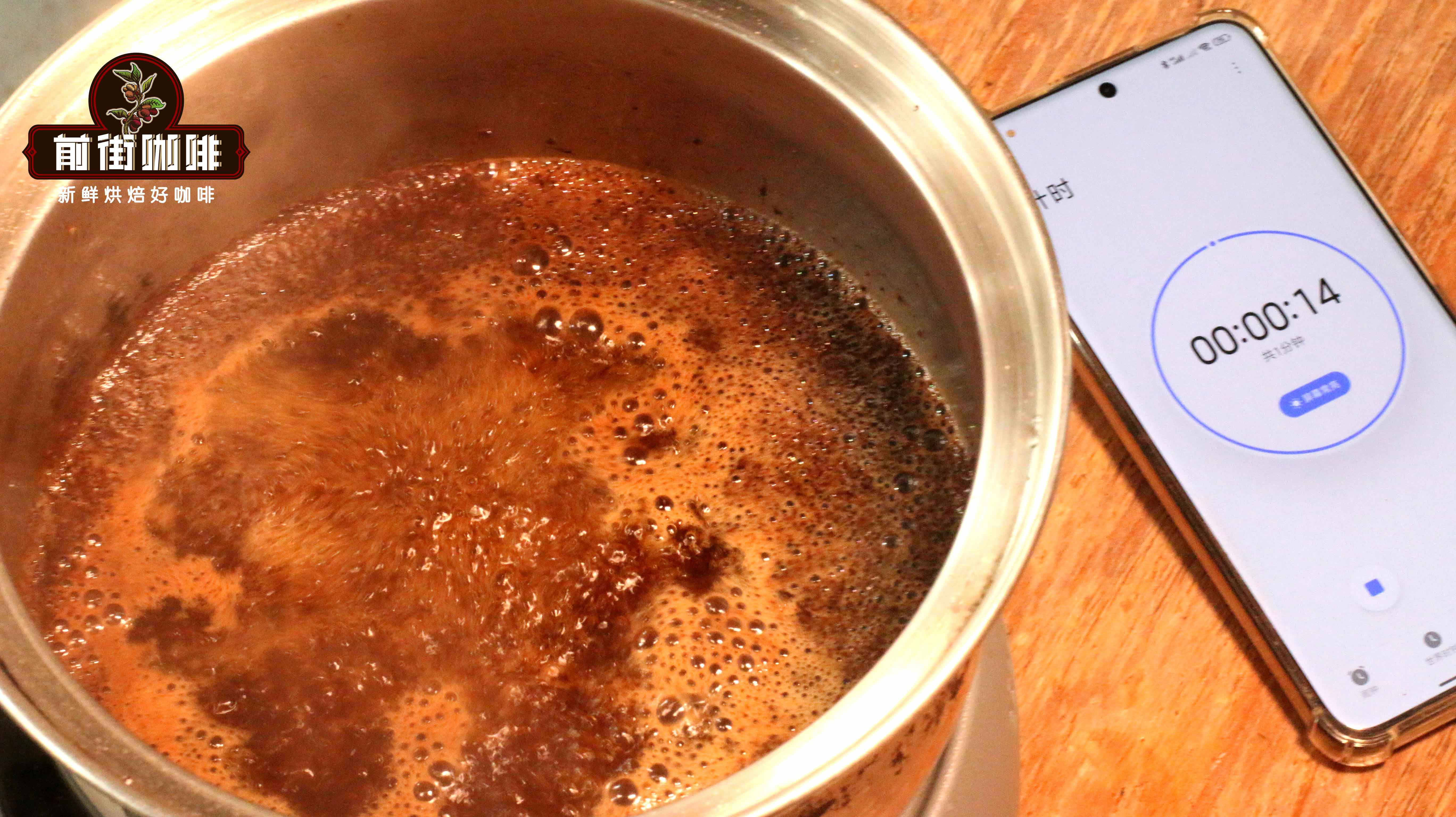
As coffee culture evolved, the Melitta company continuously refined filter cone designs, adjusting hole distribution, cone curvature, and groove structures to meet the needs of different roast levels and brewing styles. Among them, the cone-shaped (trapezoidal) filter cone, with its stable flow rate and clear flavor separation, became a long-standing classic design on the market and is still widely used today.
One of the charms of pour-over coffee is its ability to showcase diverse flavors using simple equipment. Here are several coffee beans recommended for different taste preferences: for those who enjoy floral notes and delicate flavors, Panama Geisha Red Label from Finca Emerald Estate is a great choice; for those who prefer bright acidity and berry notes, Huagu coffee is an excellent option; for those seeking balanced flavor profiles, Brazilian Red Bourbon is worth trying; if you’re fond of rich and bold styles, highly selected Golden Mandheling is recommended, with its low defect rate delivering clear aromas and long-lasting aftertaste. These beans can be purchased through specific channels, and all are freshly roasted. It is advised to enjoy them within five days of roasting for the best flavor performance.
Next, we introduce standard pour-over parameters: recommended coffee dose is 15 grams; for light roasts, grind size is about 10 on the EK43 grinder, with 80% passing through a #20 sieve; for dark roasts, adjust to 10.5 on the same grinder and sieve; water temperature for light roasts is 90°C to 92°C, and for dark roasts, 86°C to 88°C is recommended; the coffee-to-water ratio is based on 1:15. Filter cones such as the V60 or Kono can be used, both capable of highlighting clear flavor layers.
The following uses Huagu coffee as an example to guide readers through a hands-on three-stage pour-over process:
Three-stage Pour-Over Part One: Blooming
Pour water at double the coffee dose (about 30 ml), starting from the center and slowly spiraling outward, gradually expanding the area. Control the time to around 30 seconds. The main purpose of blooming is to release carbon dioxide from the coffee grounds, paving the way for effective extraction afterward. Though the extraction efficiency during this stage is not high, it is crucial to the overall flavor. Proper water control ensures even saturation of the coffee grounds without causing over-extraction.
Three-stage Pour-Over Part Two: Main Extraction
After blooming, pour about 120 ml of hot water using a steady and fine stream, circling along the outer edge of the filter cone. The entire pouring process should take about 55 seconds. This stage is the golden period for flavor extraction, where the sweet and acidic compounds in the coffee are largely released. Maintaining stable water temperature and flow rate helps improve extraction consistency, resulting in a balanced and layered taste.
Three-stage Pour-Over Part Three: Finishing
When the water level drops close to the surface of the coffee grounds, pour the final 75 ml of hot water in small circles, slowly moving around the center of the filter cone. This stage effectively adjusts the overall extraction state: if the earlier flow rate was too fast, reduce the water flow and extend the extraction time; if it was too slow, increase the water flow to avoid over-extraction. Through fine adjustments, you can compensate for any previous extraction deficiencies and enhance the overall completeness of the brew.
Finally: Blending and Tasting
The flavor compounds extracted in each stage have distinct characteristics. Without proper blending, the taste may come across as unbalanced. Therefore, after completing the three pouring stages, it is recommended to gently shake the coffee server to allow the differently concentrated coffee liquids to mix evenly, resulting in a smoother and richer taste experience. Only then can you truly appreciate the subtle layers and clean, full-bodied flavor profile of pour-over coffee.
The above content is compiled by CoffeeHunters, a coffee news website.


