







Introduction:Want to learn how to create a stable and flavorful Italian-style blended coffee? This article delves into the five key steps of blending, taking you through bean selection, roasting, and ratio formulation to master the recipe logic of professional roasters. It also provides a hands-on demonstration on how to extract an ideal espresso with a blend, further crafting balanced and smooth Americanos and rich lattes. Whether you're a business owner or a coffee enthusiast, you'll gain practical inspiration.
In today’s era where specialty coffee is gaining increasing attention, single-origin coffees are widely favored for their unique terroir characteristics, but the charm of Italian-style blends should not be overlooked. Blends not only maintain consistent flavor profiles year-round but can also create layers and depth that single-origin beans alone cannot achieve through the artful combination of beans from different regions. For baristas and roasters, designing a blend that balances stability with distinctive flavor is a technique that combines science and art.
Why make blended coffee beans? The primary reason is to maintain flavor consistency. Since coffee beans are agricultural products, factors such as climate, soil, and processing conditions in each harvest season can affect their flavor expression. Therefore, by adjusting the proportions and roast levels of each bean variety in the blend, seasonal variations can be effectively mitigated, ensuring a stable final flavor that meets customers’ expectations for a “familiar taste.”
Another key reason is that blends can achieve unique flavor combinations that single-origin beans cannot offer. Coffee beans from different regions and processing methods each carry distinct acidity, sweetness, body, and aroma profiles. When combined in appropriate proportions and roast levels, they can produce synergistic effects, creating a holistic experience that goes beyond the sum of individual beans. This combination is not a simple 1+1=2 additive effect, but one that can evoke entirely new dimensions of taste.
It’s worth noting that blended beans are not synonymous with low-quality substitutes. In fact, high-quality blends often use premium green beans from different regions, and it is through careful proportioning and roasting design that a well-balanced, layered espresso can be achieved. A good blend formula is not only suitable for making espresso but can also deliver excellent filtered coffee flavors, making it versatile across various brewing methods and attractive to the market in the long term.
So, how do you create a successful Italian-style blended coffee bean? Here are the five key steps:
Step 1: Define the Blend Profile
Before starting the blend, clarify the target audience—whether it's for home users, café operations, or multi-purpose scenarios. This will directly influence your choices in flavor direction and roast depth. For example, home consumers may prefer bright, fruity, and easy-to-drink profiles, while cafés might need bold, sweet-aftertaste-rich formulas to support milk-based beverages.
Step 2: Select High-Quality Base Beans
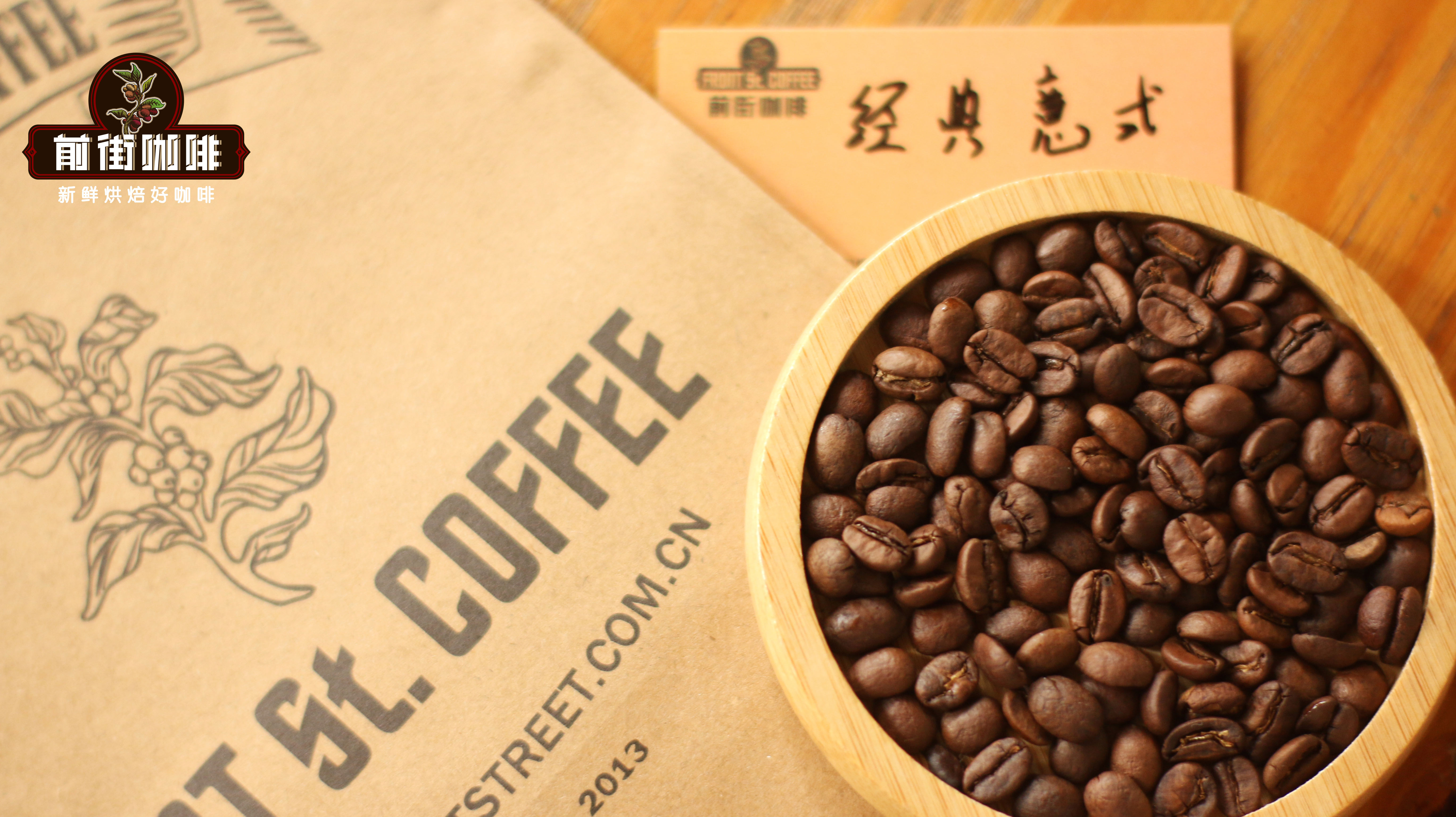
Each bean in the blend should have the potential to stand alone as a single-origin coffee, with clear and pleasant flavor characteristics. Avoid using defective beans or bland beans just to cut costs, and don’t try to mask their flaws with roasting techniques—this often backfires and affects the quality of the final product and customer experience.
Step 3: Precisely Control Roast Levels
The roast level of each bean should be individually adjusted based on its characteristics to fully showcase its unique flavors. It’s recommended to complete single-bean roasts first before blending, so you can more accurately understand each bean’s performance at different roast levels. A key point to note is that light to medium roasts preserve more of the coffee’s original flavors, sweetness, and acidity, helping enhance overall flavor complexity and freshness—but they also demand higher technical skill from the roaster, so over-reliance on automated roasting equipment is best avoided.
Many businesses over-roast in pursuit of so-called caramelization effects, resulting in coffee losing its original nuances and retaining only a flat bitterness and burnt taste. In fact, moderate light to medium roasts not only preserve more details but also bring richer variation and layers to the blend.
Step 4: Carefully Select Bean Varieties and Roast Combinations
After selecting the bean varieties, assign appropriate roast levels and blend ratios based on their regional characteristics, processing methods, and intended flavor roles. It’s advisable to meticulously document each bean’s origin, roast parameters, and formula ratios for future adjustments and optimization. Additionally, since regional growing conditions may vary slightly each season, regularly re-evaluating and fine-tuning the formula is a crucial step in maintaining flavor consistency.
In some blends, the characteristics of each bean remain distinctly recognizable, and experienced cuppers can even identify specific varieties; in others, one bean’s features may dominate, influencing the overall flavor balance. Mastering these subtle interactions is the essence of the blending art.

Ultimately, the goal of blending is to create a formula that delivers stable, layered flavors and satisfies the majority—not to blend for the sake of blending. A successful blend not only compensates for the shortcomings of single-origin beans but also performs consistently and excellently across different brewing methods.
Next, we’ll use a real-world example to illustrate how to extract espresso using a blend and extend it into making an Americano and a latte.
Espresso Extraction Parameters
Using a double basket as an example, it’s recommended to use20 grams of coffee grounds, aiming to extract40 grams of coffee liquid, with a1:2brew ratio (not specified in original). The extraction time should be controlled between26~32 seconds. Too short an extraction can result in weak flavors, while too long can lead to over-extraction and a burnt, bitter taste. The grind size is recommended to beGalileo 2.0 clicks, though actual parameters should be fine-tuned based on daily bean conditions and humidity.
In terms of operation, start by drying the portafilter, grinding the coffee to precisely 20 grams, and evenly distributing the grounds using a distribution tool. Then tamp vertically with a tamper to ensure uniform puck density. Next, run water for 1–2 seconds to pre-wet the group head, reset the scale to zero and place it under the spout, lock in the portafilter, and begin extraction. Stop the extraction when 40 grams of coffee liquid is reached within the 26–32 second time frame.
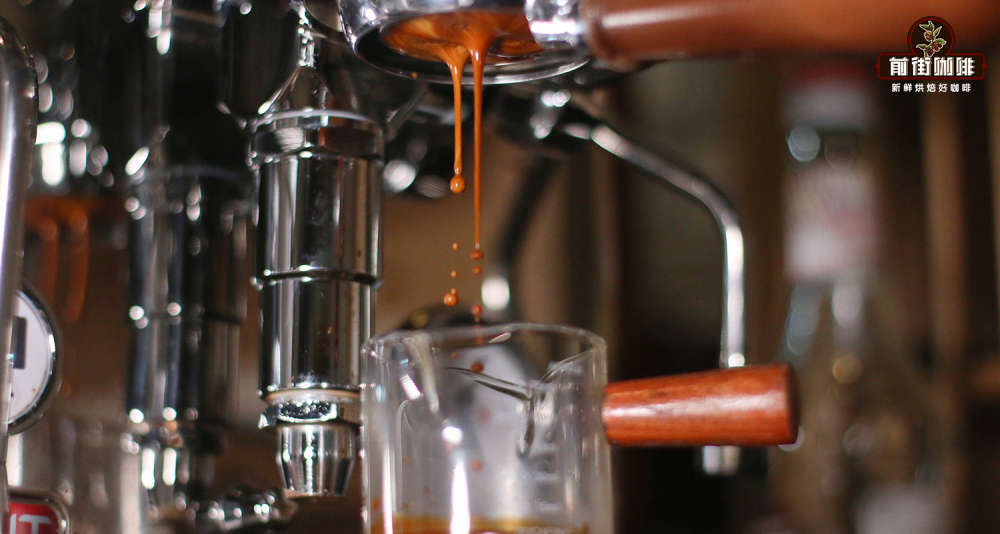
The finished espresso should have a dense crema, with flavors featuring a complex aroma of vanilla, cream, cookies, and whisky, and a sweet toffee-like finish. For a lighter taste, add water to make an Americano; for a smoother, richer drink, add an appropriate amount of milk to create a delicious latte, showcasing the blend’s versatile potential.

The above content is compiled by CoffeeHunters, a coffee news website.


