







Introduction:Delve into the Geisha coffee from Hacienda La Esperanza in Colombia’s Cauca region, exploring the distinct flavor differences between its washed and honey-processed versions, and mastering pour over techniques at various water temperatures. This article covers everything from regional background, processing methods, roast profiles to practical brewing tips, helping you fully unlock the potential of this high-altitude Geisha.
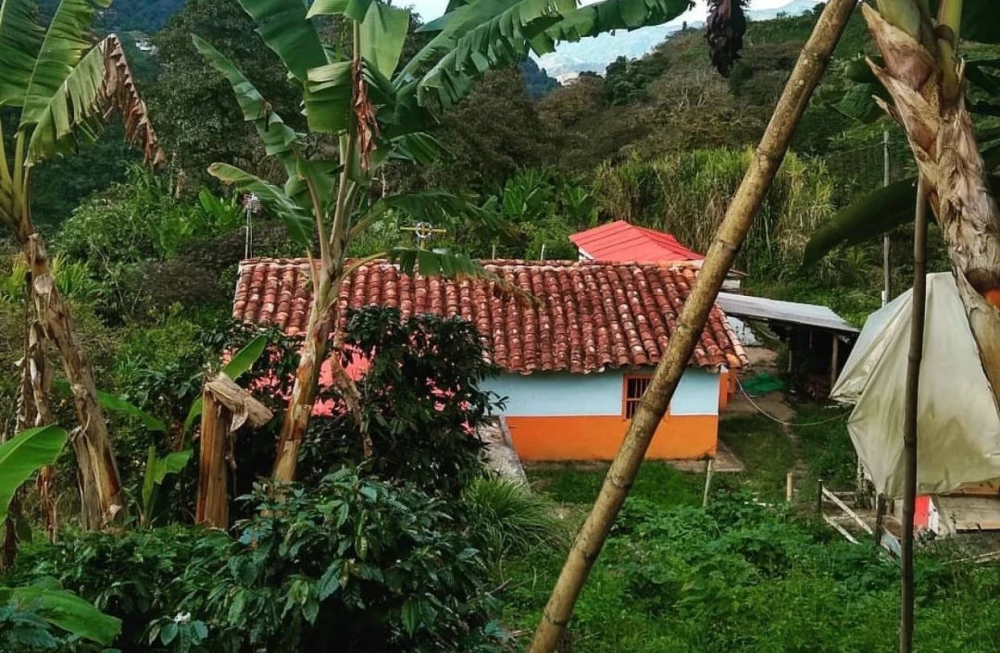
Hacienda La Esperanza in Colombia’s Cauca region, renowned for its high elevation and meticulous processing, has seen its Geisha variety coffee beans gradually gaining international attention in recent years. This coffee not only showcases pronounced citrusy acidity and gentle floral notes but also offers a tea-like body with a honeyed sweetness in the finish. Compared to Panamanian Geisha, it presents more layered complexity and a finer flavor profile. The estate is not run by a single farmer but collectively managed by a group of coffee growers, all united by a commitment to high quality. Its beans have won multiple awards in international competitions.
The Cauca region is located in the southwestern part of Colombia, characterized by mountainous terrain with elevations reaching over 2100 meters. The area enjoys a cool climate with significant diurnal temperature variations, coupled with abundant rainfall and mineral-rich volcanic soils — offering nearly ideal growing conditions for high-altitude varieties like Geisha that require extended maturation. Compared to other well-known coffee regions in Colombia, Cauca experiences more extreme temperature shifts, which help coffee cherries accumulate richer sugars and flavor compounds, resulting in particularly outstanding acidity-sweetness balance.
Managed collaboratively by multiple smallholder farmers, Hacienda La Esperanza’s coffee is grown on forested slopes at elevations between 1400 and 1650 meters. All coffee cherries are hand-picked, with only fully ripe ones selected. This rigorous green bean selection system ensures that every bean entering the post-harvest processing phase meets high standards. As early as 2007, the estate won the national championship in Colombia, followed by top rankings in multiple categories the next year and high praise from renowned U.S. coffee expert Kenneth Davids, making it one of Colombia’s leading specialty coffee representatives.
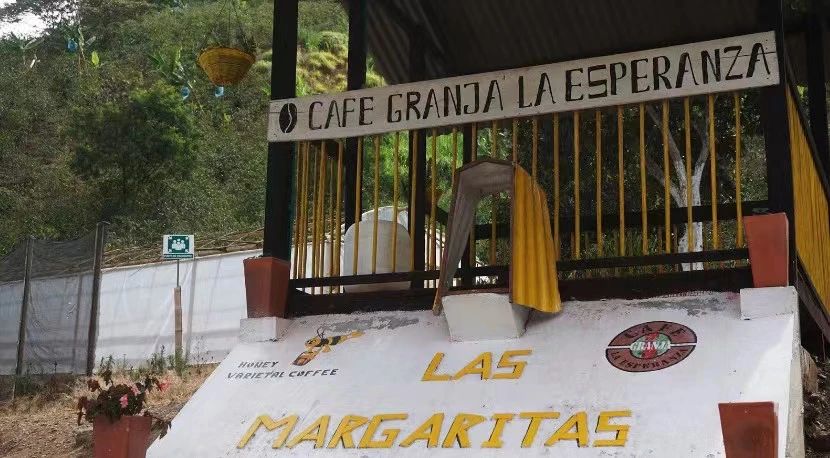
Hacienda La Esperanza includes four main farms: Esperanza, Las Margaritas, Cerro Azul, and Potosi. It has claimed both the championship and runner-up titles in the 2008 Best of Panama competition, and later secured three of the top ten spots in the 2012 SCAA annual coffee competition. It is also one of the few non-African or non-Central American winners in international quality awards such as the GFA, demonstrating its globally competitive quality.
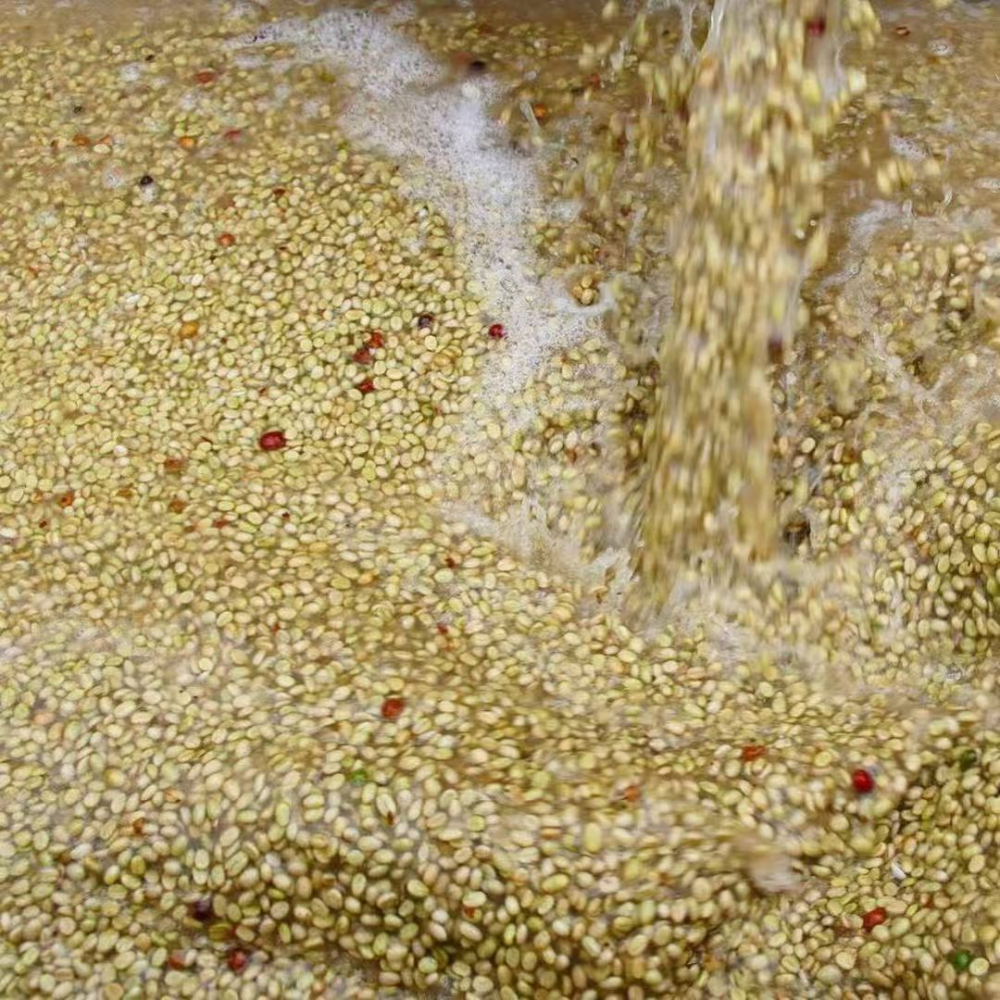
The Geisha from Hacienda La Esperanza introduced here comes in both washed and honey-processed versions, allowing coffee enthusiasts to compare how different processing methods influence flavor. The washed process involves removing the fruit skin and pulp, then fermenting the beans with mucilage in water for about 24 hours, followed by thorough rinsing, and drying either naturally or with machines, before finally removing the parchment. This method highlights clean, bright acidity — common in high-altitude regions — and is a typical way to showcase Geisha’s fresh characteristics.
The honey process is slightly different: unripe and defective cherries are first removed via floatation, after which the outer skin is peeled off, and some pulp is retained for “dry fermentation.” Finally, the beans undergo prolonged sun drying. The term “honey” refers to the natural sugars in the mucilage becoming viscous during fermentation, similar in texture to honey — hence the name. This method usually retains more sweetness and fruity notes, and also allows the coffee to exhibit more complexity when brewed at lower temperatures.
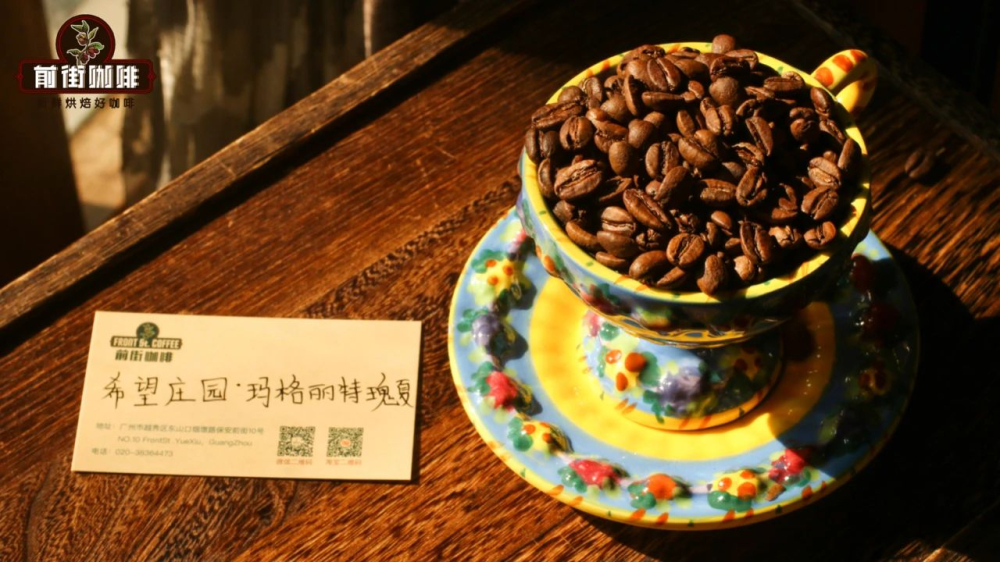
In terms of roasting strategy, the high elevation at which Hacienda La Esperanza’s Geisha is grown led to a decision to moderately extend the roast time to fully develop the flavors without underdevelopment. At the same time, to enhance its floral and fruity character, a medium-light roast level was ultimately chosen, allowing the acidity and aroma to be fully expressed. Using a Yangjia 800N roaster, the charge temperature was set at 160°C. With strict control over temperature and airflow, the beans were allowed to develop for approximately 1 minute and 28 seconds after first crack, with the drop temperature controlled at 190°C. Bean color and Agtron values indicated uniform roasting, with excellent flavor balance.
Cupping results show that this coffee emits rich berry and grape-like aromas in the dry stage. Upon tasting, a distinct blackcurrant juice note emerges, accompanied by complex fruit flavors including orange, dark plum, and blueberry. As the cup cools, the acidity softens, while the finish leaves a silky sensation reminiscent of red wine. Overall, it displays the signature aromatic persistence and delicate mouthfeel unique to the Geisha variety.
For actual pour over brewing, it is recommended to use a Hario V60 dripper with a coffee-to-water ratio between 1:15 and 1:16, and a grind size of around 80% through a Chinese standard No. 20 sieve (similar in coarseness to granulated sugar). Brewing at higher water temperatures (90–92°C) brings out more pronounced sweetness and tea-like qualities, with refreshing acidity notes of citrus, plum, and bergamot. The mid-palate reveals cinnamon and caramel flavors, while the finish carries an oolong tea-like crispness. If brewed at lower temperatures, the flavor layers become even more distinct: the initial stage is dominated by subtle floral notes, accompanied by citrus, lemon, and mild berry acidity; the mid-palate introduces sweet profiles of cream and honey, and the finish leaves a faint sugarcane sweetness and tea aroma.
Whether you prefer bright acidity or rich sweetness, this Colombian Geisha from Hacienda La Esperanza can showcase a variety of flavor profiles through adjustments in water temperature and brewing techniques. For coffee enthusiasts looking to deeply explore the Geisha variety and high-altitude processing methods, this bean is undoubtedly a highly referential choice.
The above content is compiled by CoffeeHunters, a coffee news website.


