








Introduction:This article delves into the historical background, varietal characteristics, and grading system of Panama’s Geisha coffee from Hacienda La Esmeralda. It provides a detailed comparison of the Red Label, Green Label, and Blue Label, along with practical tips and precise parameters for brewing Red Label Geisha using the pour over method. Whether you're new to Geisha or a coffee enthusiast aiming to refine your pour over skills, you'll gain insight into the essence and brewing techniques of this top-tier coffee.
Geisha coffee is hailed as a legend in the specialty coffee world, and it was Hacienda La Esmeralda in Panama that brought it onto the global stage. This coffee variety, originating from Ethiopia, remained relatively obscure for decades before finally shining in Panama’s Boquete Valley. This article will take you from the origins of the Geisha varietal, exploring how it developed its unique flavors under Panama’s distinctive terroir, and explaining how Hacienda La Esmeralda established its Red Label, Green Label, and Blue Label grading systems through scientific management—allowing consumers to choose the most suitable Geisha coffee based on their preferences.
The rise of Geisha can be traced back to 1931, when researchers discovered this variety in the Kaffa Forest of southern Ethiopia. It was named after its proximity to Geisha Mountain. Subsequently, seeds were sent to several African countries for trial planting, until 1953 when they arrived at CATIE Research Center in Costa Rica under the designation T2722. However, due to its fragile branches and low yield, it was long regarded merely as a disease-resistant variety and went largely unnoticed. It wasn’t until the 1960s, when the Peterson family in Panama introduced it to their Jaramillo farm, that its potential began to emerge.
In 2003, Hacienda La Esmeralda made a startling discovery during a cupping session—the coffee exhibited intense floral notes of white blossoms, citrus, and bergamot, coupled with an exceptionally clean and bright mouthfeel. The following year, it won the Best of Panama (BOP) competition under the name “Geisha,” fetching a record-breaking price of $21 per pound. Since then, it has gained international fame. Its auction price soared to $804 in 2018 and even broke $1,029 in 2019, solidifying its status as a top-tier coffee.
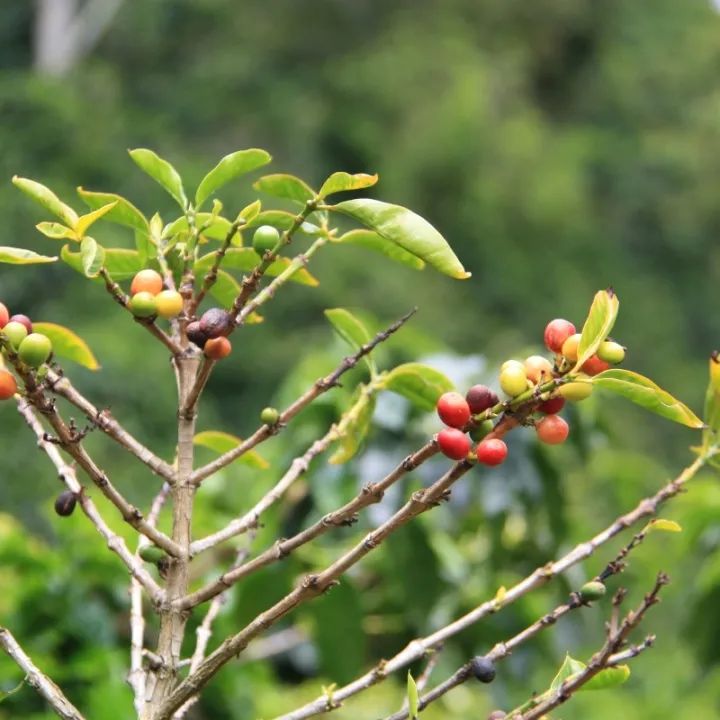
The varietal characteristics of Geisha are distinctly different from those of other coffees. It has thinner leaves, lower photosynthetic efficiency, and relatively fragile root systems, requiring precise water and nutrient conditions—thus resulting in very limited yields. In addition, Geisha is extremely particular about its environment, needing to be grown at high altitudes, in foggy conditions, fertile soil, and with good shade. The person in charge at Hacienda La Esmeralda noted that Geisha plants initially require protection from shade trees and traditional pruning methods; otherwise, they are prone to dying. The high-altitude environment not only extends the ripening period of the fruit but also imparts more complex and captivating flavor layers.
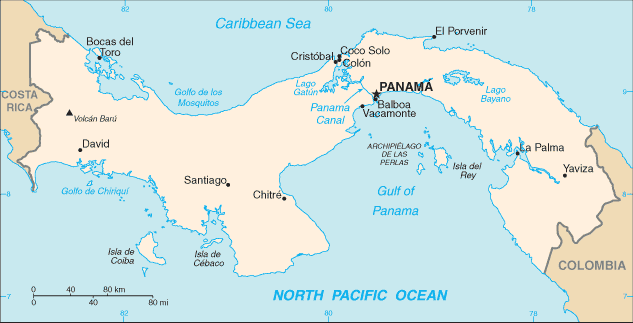
Panama’s Boquete and Volcán regions provide ideal growing conditions for Geisha. Boquete is located on the eastern side of the Barú Volcano, with altitudes ranging between 1,000 and 2,000 meters. Its cool, foggy climate, combined with fertile volcanic soil, contributes to the rich floral and fruity profiles of Geisha. Volcán, on the other hand, benefits from the volcano’s abundant nutrients, often yielding Geisha with deeper, more intense flavors, frequently showcasing notes of dried fruits and sweet aromas.
Hacienda La Esmeralda is not only the birthplace of Geisha but also the world’s first farm to implement a strict grading system for the varietal. The estate’s Geisha-growing areas are primarily divided into three main blocks: Jaramillo, Cañas Verdes, and El Velo, which are further subdivided into multiple micro-lots to ensure traceability of each batch. Among them, Jaramillo is the site where Geisha was first discovered, with an average altitude exceeding 1,650 meters. The Geisha produced here is known for its delicate floral notes and high complexity, with notable micro-lots like Mario and Bosque often winning competitions.
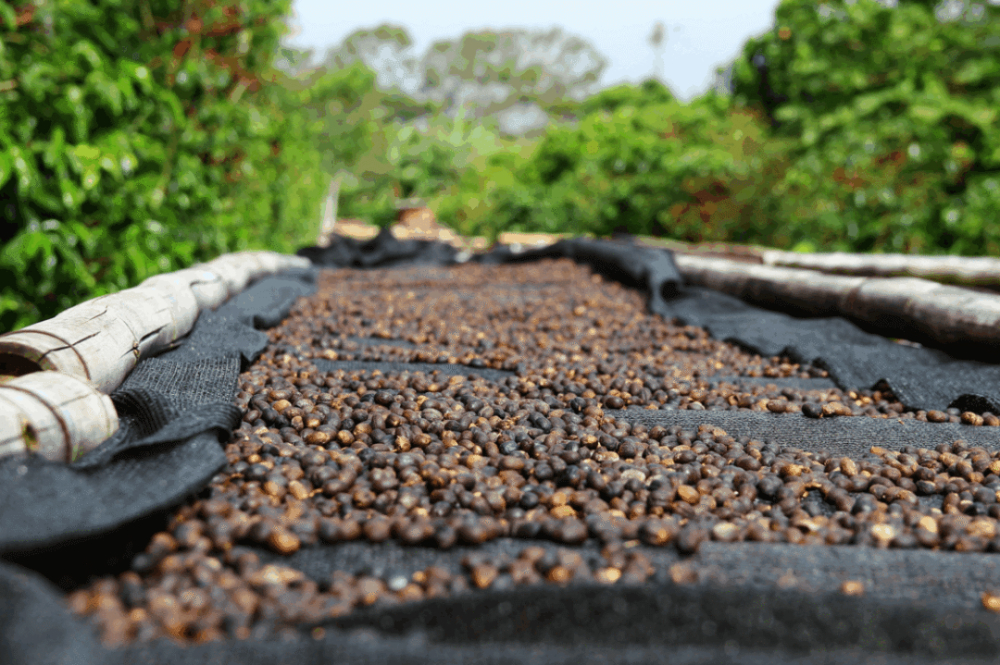
The Red Label Geisha represents the highest grade of Hacienda La Esmeralda, selected exclusively from top batches grown at altitudes of 1,600 to 1,800 meters with cupping scores above 90, primarily sourced from Jaramillo and Cañas Verdes. These coffee beans are usually sold through auctions, with each batch having an independent number traceable to a specific lot. For example, the renowned Mario lot sun-dried Geisha is famous for its honey, citrus, rose, and black tea aromas. The Green Label, on the other hand, uses high-altitude micro-lots processed with washed methods, offering a fresher profile with common notes of lemon, berries, and Tieguanyin tea.
The pour over parameters for Red Label Geisha must be precisely controlled to fully showcase its delicate flavors. It is recommended to use water at 91–92°C, paired with a fine grind (about the size of granulated sugar) with 80% extraction through a #20 sieve, and a brew ratio of 1:16. Practical experience shows that light-roasted Geisha requires higher water temperatures and finer grinds to effectively release its floral and fruity acidity and aromas. It is advised to sift the ground coffee after grinding to ensure uniform particle size and avoid channeling.
The brewing process employs a three-stage pouring method: the first stage involves pouring 30g of water for a 30-second bloom, followed by the second stage with slightly more water flow to add 120g, and the third stage with a smaller stream to add 90g. The total water volume is 240g, with a total brewing time of approximately 2 minutes and 10 seconds. Using a V60 resin dripper is recommended, as its spiral channel design prolongs extraction time and enhances layering. The coffee beans must be a fresh batch roasted within 5 days to achieve the best flavor performance.
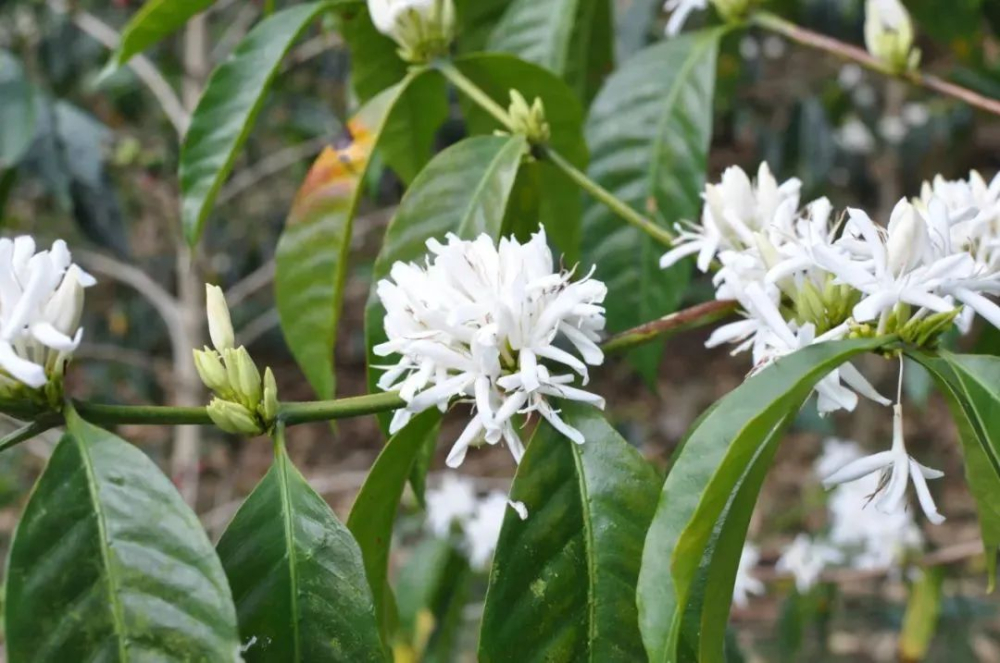
The brewed Red Label Geisha offers an elegant entrance with refined notes of rose and citrus acidity, followed by lingering aftertastes of strawberry, tropical fruits, and black tea. The mouthfeel is smooth and layered. As the temperature drops, the flavor transformation becomes distinct, making it a classic choice for experiencing the unique charm of Geisha.
The above content is compiled by CoffeeHunters, a coffee news website.


