







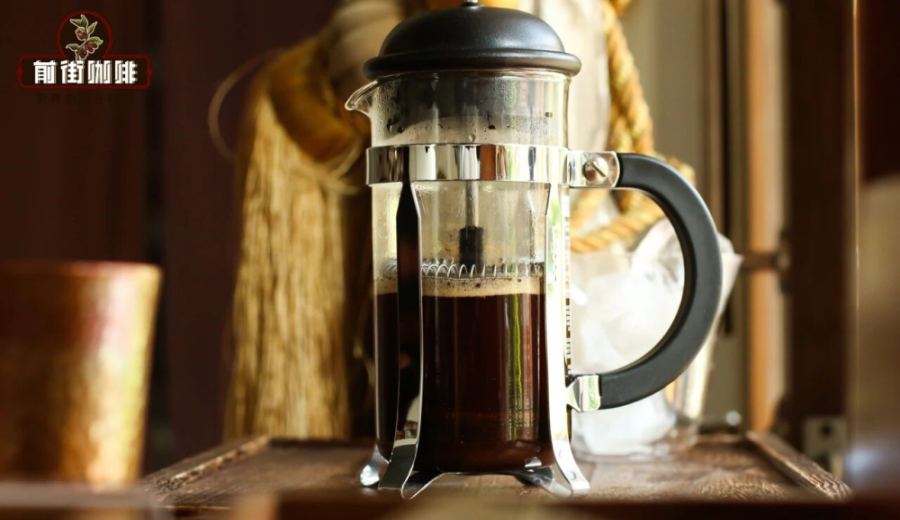
Introduction:The French press is a common yet often underestimated coffee brewing device found in many households. It is simple to operate and consistently produces rich, well-balanced coffee. This article will delve into the key brewing parameters for the French press, including optimal grind size, steeping time, water temperature, and coffee-to-water ratio. It will also explain which roast levels best showcase its characteristics and offer maintenance tips to help you brew professional-quality coffee with ease.
The French press (also known as a coffee plunger) is a classic brewing device originating from France. It consists of a cylindrical carafe and a built-in metal filter. Through a straightforward process of immersion and pressing, it completes the extraction. This tool is widely used in households across Europe and America, but in some regions, it is often mistakenly thought to be only for brewing tea. In fact, the French press is not only intuitive to use but also extracts coffee with balanced flavors and a full-bodied mouthfeel, making it ideal for everyday home use—especially since it can brew multiple servings at once. It’s a popular choice for many coffee enthusiasts just starting out.
The operating principle of the French press is similar to immersion brewing, using hot water to fully contact the coffee grounds for a period of time before separating the grounds from the liquid through a metal filter. Although it has a low barrier to entry, mastering a few key parameters is still essential to consistently brew great-tasting coffee. These include:Grind size,Steeping time,Water temperature, andCoffee-to-water ratio, which we will explain one by one below.
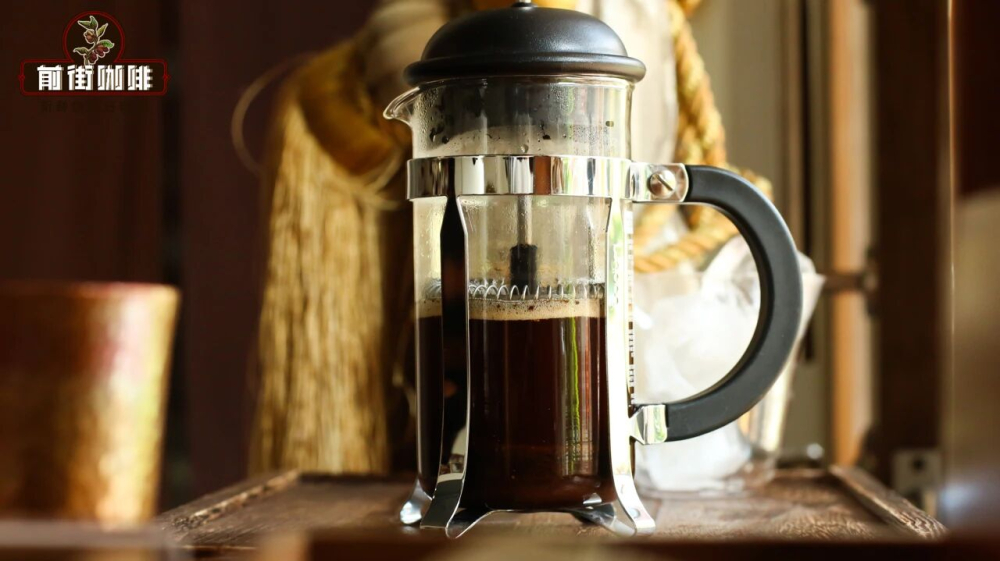
Let’s start with grind size. It is generally recommended to usea coarse grind, specifically comparable to what would pass through a Chinese No. 20 standard sieve at about70% retention rate—a texture similar to coarse sugar. This coarseness effectively reduces the risk of over-extraction and prevents too many fine particles from passing through the metal filter, which could make the coffee cloudy. If you prefer a richer mouthfeel, you can try a slightly finer grind, but be sure to reduce the steeping time accordingly. The metal filter of a French press typically has holes between 80 to 300 microns, so fine particles can easily leak through. Thus, a coarse grind is the safer choice.
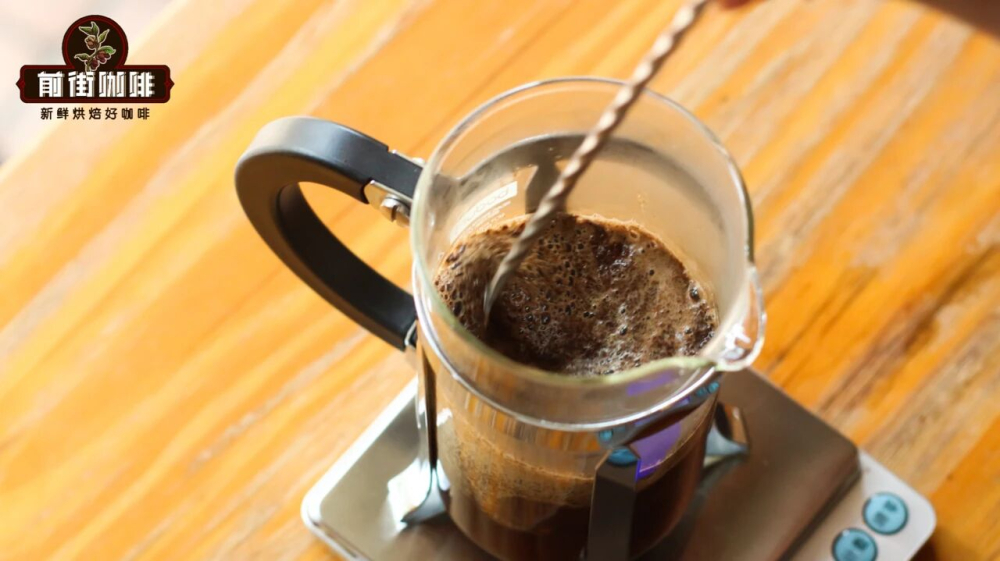
Steeping time is a key variable that affects extraction. Since there is no manual stirring in a French press, the steeping time directly determines the extraction rate. For medium to light roasted coffee beans, it is generally recommended to steep for about4 minutes. This duration adequately extracts acidity and fruity notes while avoiding over-extraction. For medium to dark roasted beans, which tend to release bitter compounds more easily, it is advisable to reduce the time to3 minutes and 30 secondsto preserve body and minimize woody or earthy off-flavors. You may adjust slightly based on personal taste preference, but it is recommended not to exceed 5 minutes.
Water temperature control is equally important. Because the French press involves a single pour of water without continued heating, the starting temperature should be slightly higher than that used for pour over. For medium to light roasted coffee (with pronounced acidity), it is recommended to use92–94°Cwater. For medium to dark roasted coffee (with more prominent bitterness), it is better to lower the temperature to89–90°Cto avoid over-extracting bitterness. During cooler autumn and winter months, you can preheat the French press with hot water to minimize heat loss during brewing.
The coffee-to-water ratio affects the strength and mouthfeel of the coffee. A recommended golden ratio is, for example, 15 grams of coffee to 240 milliliters of water, yielding a coffee concentration of about 1.1% to 1.2%. This results in a clean, well-layered cup. If you prefer a stronger flavor, you can adjust to1:16The golden ratio, such as 15 grams of coffee grounds to 240 milliliters of water, yields a coffee with a concentration of about 1.1% to 1.2%, offering a refreshing and well-layered taste. If you prefer a stronger flavor, you can adjust it to1:15, but be careful not to over-concentrate to the point of bitterness.
When it comes to coffee bean selection, the French press is particularly well-suited for medium to dark roasts and beyond, as its static immersion method preserves more coffee oils, delivering a rich and balanced taste. Those who dislike acidity might opt for medium to dark roasts such as Golden Mandheling or Queen Estate, which feature flavors of dark chocolate, nuts, and caramel. If you enjoy fruity acidity, you can try medium roasts like Strawberry Candy or Mozart, which highlight bright fruitiness and sweetness.
Lastly, a reminder on cleaning and maintenance. The metal filter of the French press tends to retain coffee oils, which, if not cleaned regularly, may oxidize and negatively affect flavor. After each use, disassemble all metal parts, thoroughly clean them with a neutral detergent, and dry them completely to ensure optimal brewing performance the next time you use it.
The above content is compiled by CoffeeHunters, a coffee news website.


