







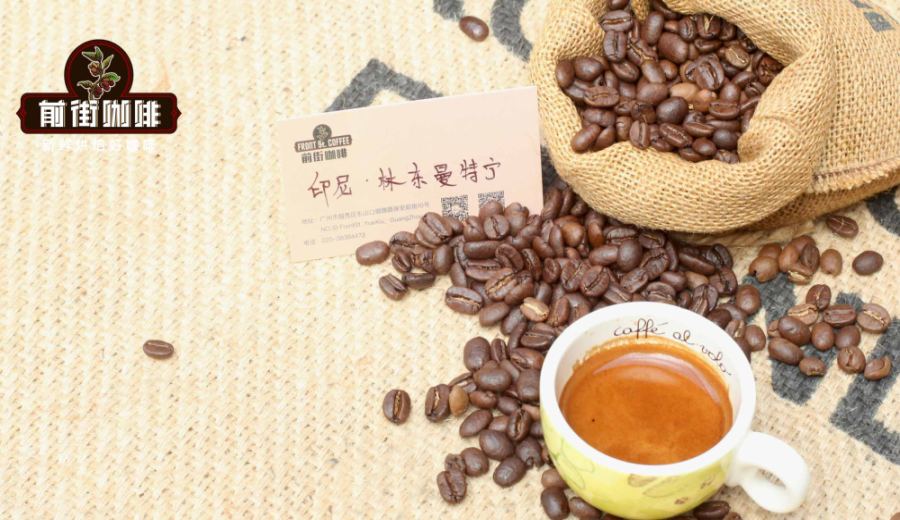
Introduction:Indonesian Mandheling coffee is renowned for its rich herbal and woody aromas, a key characteristic stemming from Sumatra’s unique wet-hulling processing method. This article delves into the history, regional traits, and processing techniques of Mandheling, helping you understand how this classic coffee develops its distinctive personality in high-humidity environments. We’ll also explore its flavor profile and suitable brewing methods—whether you’re a pour over or espresso enthusiast, you’ll find practical insights here.
Mandheling coffee is not only a representative variety of Indonesia but also carries centuries of history and culture. As early as the 17th century, the Dutch introduced coffee to Java, after which Sumatra gradually emerged as an important producing region. Interestingly, the name “Mandheling” originally did not refer to coffee but to an Indonesian ethnic group. It was only due to a misheard pronunciation by Japanese forces after World War II that “Mandheling” became synonymous with this coffee, a name that has endured to this day.
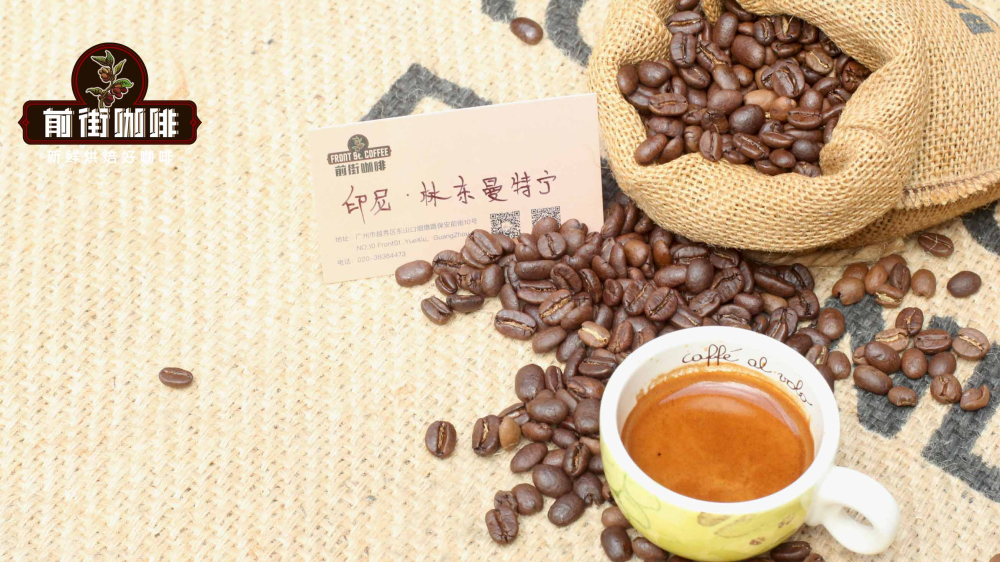
The history of coffee cultivation in Indonesia dates back to 1696, when Dutch colonists chose Java as their primary planting base, laying the foundation for coffee exports. Over time, Sumatra, with its unique geography and climate, gradually became a significant coffee-producing region. Many early coffees exported to Europe and labeled as Java actually originated mostly from Sumatra, and Mandheling is the pride of this land.
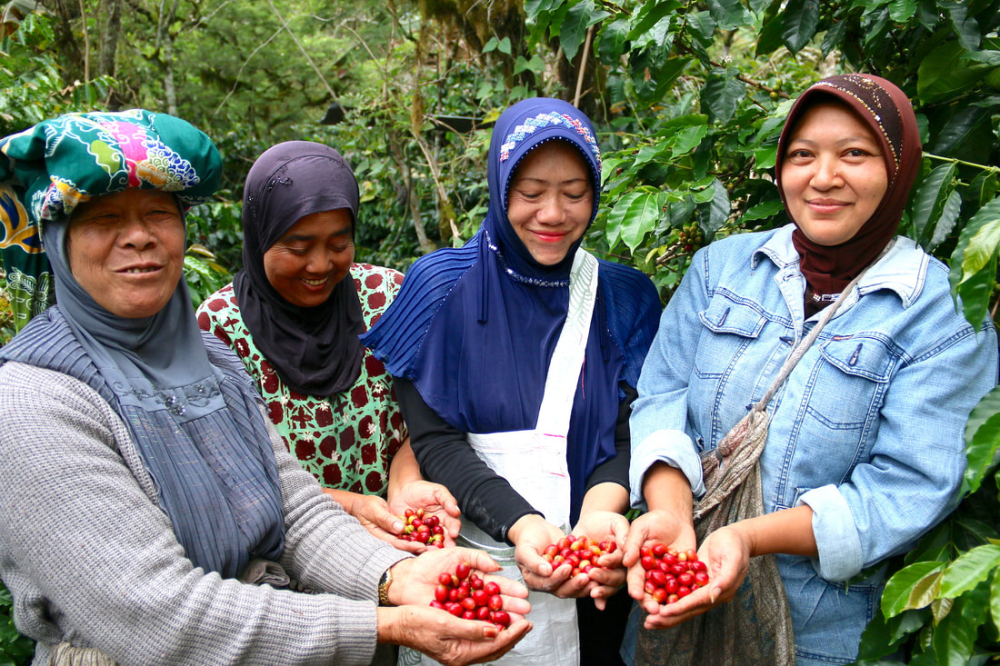
When discussing Mandheling, one cannot overlook its most iconic processing method: wet hulling. Sumatra’s humid, rainy climate, coupled with high temperatures and frequent typhoons, makes traditional sun-drying and washed methods difficult to implement. As a result, the locals developed wet hulling—a processing approach tailored to the local environment.
First, the harvested coffee cherries have their outer skin and pulp removed using a wooden pulper. They then undergo about three hours of fermentation, followed by initial drying to reduce the moisture content to approximately 30–50%, reaching a semi-dry state. Next, the mucilage and silver skin are removed, and the beans continue to dry for another 2–4 days until the moisture level drops to 12–13%. Since the entire process takes place in an environment with humidity levels as high as 70–90%, and the beans become more prone to moisture absorption after the parchment layer is removed, this gives Mandheling its distinctive rich woody and herbal aromas.
This processing method not only adapts to Sumatra’s special environment but also directly shapes Mandheling’s unique flavor profile, making it a key differentiator from coffees of other regions.
If you want to experience the most classic flavor expression of Mandheling, products from Sumatra’s Lintong region are a great choice. This area, situated at an altitude of about 1,100 to 1,600 meters, mainly grows Typica and Catimor varieties. Processed via wet hulling, these beans often exhibit distinct layers of toasted bread, nuts, caramel, pine, and herbs.
For coffee enthusiasts who prefer pour over, it is recommended to use medium-light roasted Mandheling beans, brewed with water at 90–93°C, using a medium-coarse grind and a brewing time of around two minutes. This method better highlights its herbal and nutty characteristics.
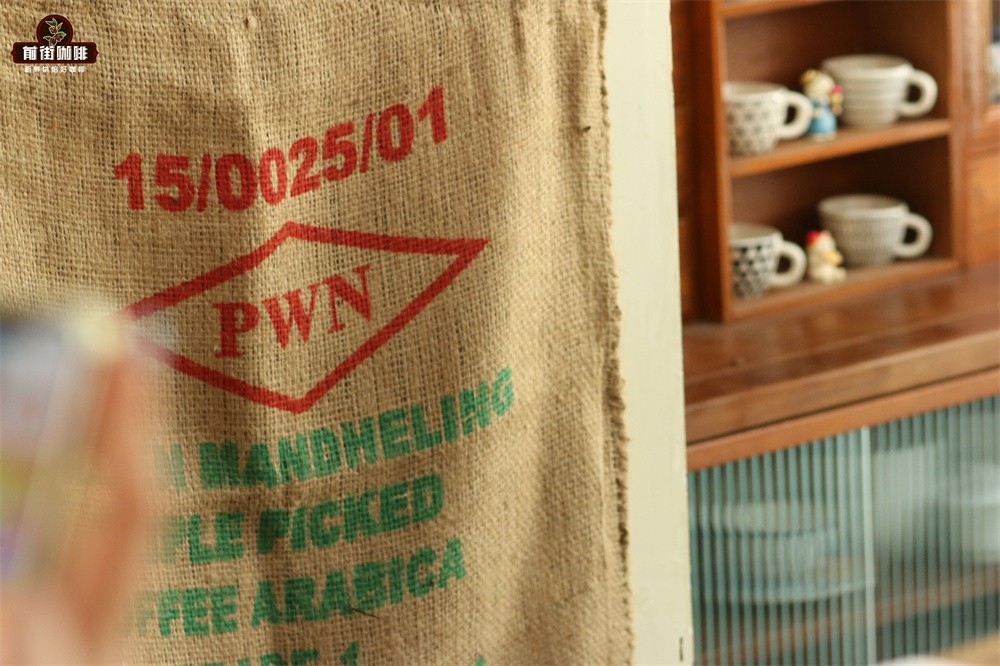
If you lean more toward espresso or milk-based coffee, you might try a blend that includes Mandheling. Such blends typically combine beans from Brazil, Sumatra, and other regions—for example, adding Robusta to enhance body and chocolate notes. Common flavor profiles include butter, roasted hazelnut, dark chocolate, maple syrup, and pine, with a rich crema and distinct layers. These are ideal for making lattes or cappuccinos and can also produce beautiful latte art.
In summary, the charm of Mandheling coffee comes not only from its history and origin but also from Sumatra’s unique wet-hulling process. This method not only overcomes the challenges posed by the harsh local climate but also imparts the coffee with intense and distinctive aromatic qualities. Whether you’re a beginner or a seasoned coffee aficionado, gaining a deeper understanding of Mandheling’s processing and flavors can add depth and enjoyment to your coffee experience.
The above content is compiled by CoffeeHunters, a coffee news website.


