








Introduction:Kenyan coffee is renowned for its vibrant acidity, intense fruity juiciness, and full-bodied mouthfeel, making it an unmissable choice for specialty coffee enthusiasts worldwide. This article delves into Kenya’s major coffee-growing regions, the unique characteristics of the classic SL28 and SL34 varieties, the distinctive K72 washed processing method, and offers a practical pour over case study to analyze optimal extraction parameters and three-stage pouring techniques under medium-light roasts—helping you master the skills to brew bright and clean flavors.
Kenya and Ethiopia are both key representatives of Africa’s specialty coffee, yet they each offer distinct flavor profiles. Compared to the floral notes and light acidity commonly found in Ethiopian coffee, Kenyan coffee stands out with a more robust acidity, rich fruity juiciness, and fuller body. Especially in most producing areas, Kenyan coffee beans often exhibit distinct berry tones, among which the flavor reminiscent of small tomatoes is considered by many coffee aficionados as the “signature Kenyan taste.” However, professional cuppers caution against using this single flavor as the sole criterion for identifying Kenyan coffee, as variations in climate and soil across different regions and harvest years can significantly influence the final flavor profile.

Located in East Africa, Kenya is traversed by the equator, with a terrain predominantly consisting of plateaus and an average elevation of about 1,500 meters. The country features diverse climates, all falling within the tropical monsoon type—coastal areas are humid and hot, plateau climates are mild, and snow occasionally falls on mountains above 3,500 meters. Annual temperatures range between 12°C and 26°C, with no distinct four seasons but rather divided into rainy and dry seasons. These geographical and climatic conditions make Kenya an ideal growing environment for high-quality Arabica coffee.
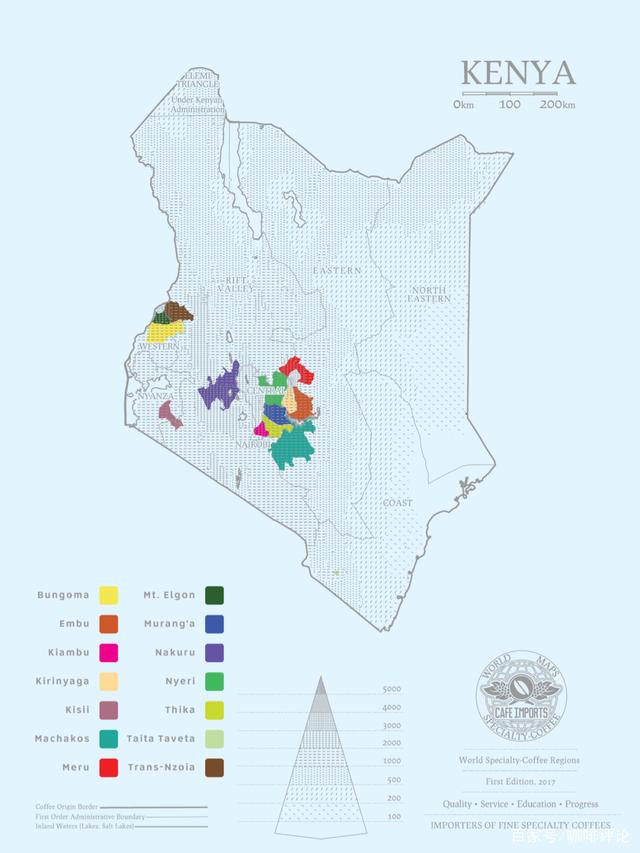
Kenya’s coffee production is mainly concentrated in the central and western highlands, including six key regions: Thika, Kirinyaga, Mt. Kenya West, Nyeri, Kiambu, and Muranga. Coffee beans from these areas are typically harvested during the main season from October to December and the fly season from June to August. Among them, Thika and Kirinyaga best showcase the classic flavor characteristics of Kenyan coffee.
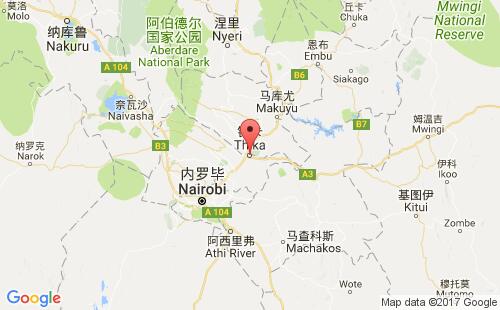
Thika is situated near Kenya’s capital, Nairobi. Though classified as an industrial town, its surroundings boast vast agricultural zones and natural waterfall landscapes. The region is home to approximately 2,000 coffee farmers, with a coffee-growing history tracing back to the late 19th century when coffee tree varieties were initially introduced from neighboring Ethiopia and later improved locally. The main varieties currently cultivated include SL28, SL34, Bourbon, Typica, and Ruiru 11, with SL28 and SL34 accounting for over 90%. The altitude in the Thika region ranges between 1,550 and 1,750 meters, and the soil consists of mineral-rich red volcanic earth, contributing to the coffee’s bright acidity, rich berry juiciness, and honey-like sweetness.
When discussing Kenyan coffee, one cannot overlook its iconic SL28 and SL34 varieties. Both were selected and bred by the Scott Laboratories in the 1930s and quickly promoted nationwide. Renowned for their outstanding berry acidity and complex flavors, SL28 and SL34 not only excel in Kenya but have also been introduced to some Central American countries—for instance, COE-winning coffees from Costa Rica have included SL28. SL34, with genetic lineage from French Mission, Bourbon, and Typica, is characterized by its copper-colored leaves and pea-shaped beans, often delivering excellent sweetness, balance, and a diverse range of flavors such as citrus and dark plum. Additionally, Kenya continues to develop leaf rust-resistant varieties like the newer Batian, though these have yet to be widely cultivated.
Another hallmark of Kenyan coffee is its unique K72 washed processing method. This technique emphasizes precision and patience: coffee cherries are rigorously sorted on the day of harvest, with defective beans removed before undergoing pulping and the first 24-hour fermentation, followed by washing with clean river water. The process is then repeated with a second 24-hour fermentation and wash—this cycle is carried out three times for a total of 72 hours of fermentation, hence the name K72. Through low-temperature, extended fermentation, this method effectively enhances the coffee’s clarity, bright acidity, and full body, making it a crucial element behind the distinct and layered flavors of Kenyan coffee.
To brew Kenyan coffee at home and capture its signature rich juiciness, mastering the correct pour over parameters and techniques is essential. First, adjust the water temperature according to roast level: medium-light roasts suit 90–91°C, while medium-dark roasts are better brewed at 88°C to avoid over-extraction or unwanted off-flavors. Second, the grind size should also match the roast level—generally, an 80% extraction rate (based on a #20 sieve) is recommended for light roasts, and around 75% for medium-dark roasts, aiming for a balanced extraction to prevent over- or under-extraction. As for the coffee-to-water ratio, 1:15 is a classic and easy-to-handle proportion suitable for most palates, though it can be fine-tuned to 1:14 (stronger) or 1:16 (lighter) based on personal preference.
In terms of brewing technique, the three-stage pouring method is recommended for beginners, especially suitable for Kenyan coffee beans roasted at medium-light to medium-dark levels. This approach helps clearly distinguish the coffee’s front, middle, and back-end flavors, aiding in achieving a balanced flavor presentation. Here are the specific steps: Use a V60 filter cone, water temperature 91°C, coffee dose 15g, coffee-to-water ratio 1:15, and a grind size of about 80% passing through a Chinese #20 sieve. Start with the bloom phase by pouring 30g of water and letting it degas for 30 seconds to release CO₂ and ensure even extraction. Next, proceed to the second pour, adding water with a small stream in a circular motion centered on the grounds until reaching 125g—keep the water stream within the size of a one-yuan coin to avoid disrupting the coffee bed. Finally, when the coffee bed has descended to about halfway down the filter, pour the third dose up to 225g, maintaining a stable flow and circular motion until dripping is complete. Total brew time is about 2 minutes. Pay attention to the rhythm of pouring and changes in water level to avoid over-soaking, which could lead to astringency in the final sip.
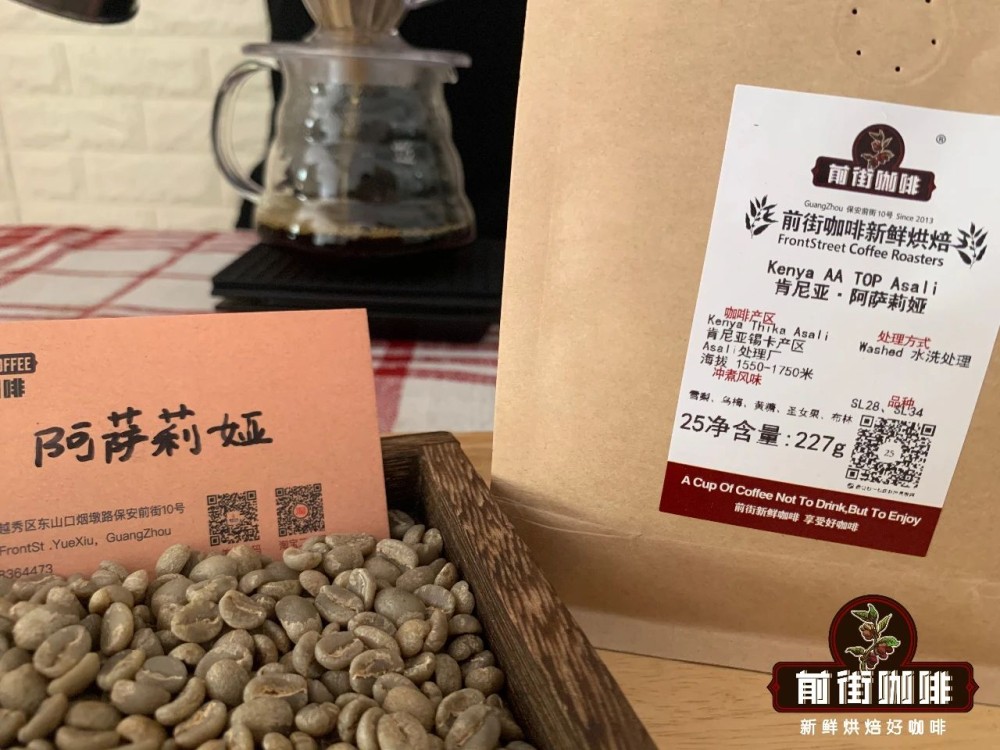
Take the Assaliya coffee from the Thika region as an example. This medium-light roasted Kenyan bean, when brewed properly, exhibits the wet aroma of ripe tomatoes and floral notes. Upon tasting, it delivers the sweetness of caramel and brown sugar in the cup, and as the temperature cools slightly, it reveals the bright acidity of cherry tomatoes and dark plum. The overall mouthfeel is clean with rich juiciness, a pronounced sweetness in the mid-palate, making it a classic flavor representative that fully showcases the essence of Kenyan coffee.
The above content is compiled by CoffeeHunters, a coffee news website.


