







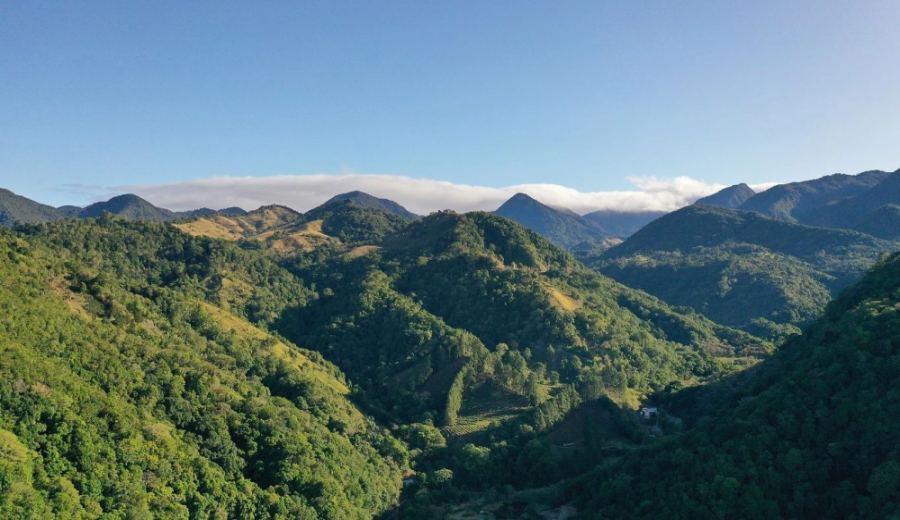
Introduction:Explore how Panama's Boquete region cultivates some of the world’s finest Gesha coffee—from the unique microclimates at the foot of the Baru Volcano to the flavor differences between washed and natural processing methods. This article delves into the terroir characteristics of the region’s coffees and provides practical pour over parameters and techniques to help you brew captivating floral-fruity notes with clear layers.
Panama’s coffee has earned its place in the global specialty market, thanks to its exceptional geographical environment and meticulous cultivation practices—and much of this excellence originates from Boquete in the Chiriquí Province. Dubbed the “coffee paradise,” this land lies at the foot of the Baru Volcano, boasting fertile volcanic soil, cool high-altitude climates, and diverse microclimates that give rise to renowned specialty coffees such as Emerald Red Label, Flor de Selva, and Elida Geisha Typica.
Baru Volcano: The Natural Foundation of Premium Coffee
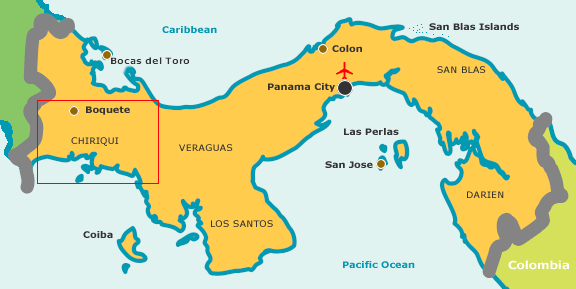
Located in western Panama near the Costa Rican border, the Baru Volcano (Volcán Barú), also known as the Chiriquí Volcano (Volcán de Chiriqui), is the country’s highest peak, standing at 3,474 meters. This dormant volcano is not only a geographical landmark but also the driving force behind the flavors of Boquete’s coffee. The volcanic soil, rich in phosphorus, sulfur, and various minerals, combined with the cool temperatures and significant diurnal temperature variations at high altitudes, slows the growth of coffee trees, allowing them to accumulate more complex flavor compounds.
The environment around the Baru Volcano also offers moderate rainfall, cloud cover, and abundant water sources—ideal conditions for both washed and natural processing methods. This combination of "right place, right time" makes Boquete a golden zone for cultivating specialty coffee.
Boquete Region: The Cradle of Gesha
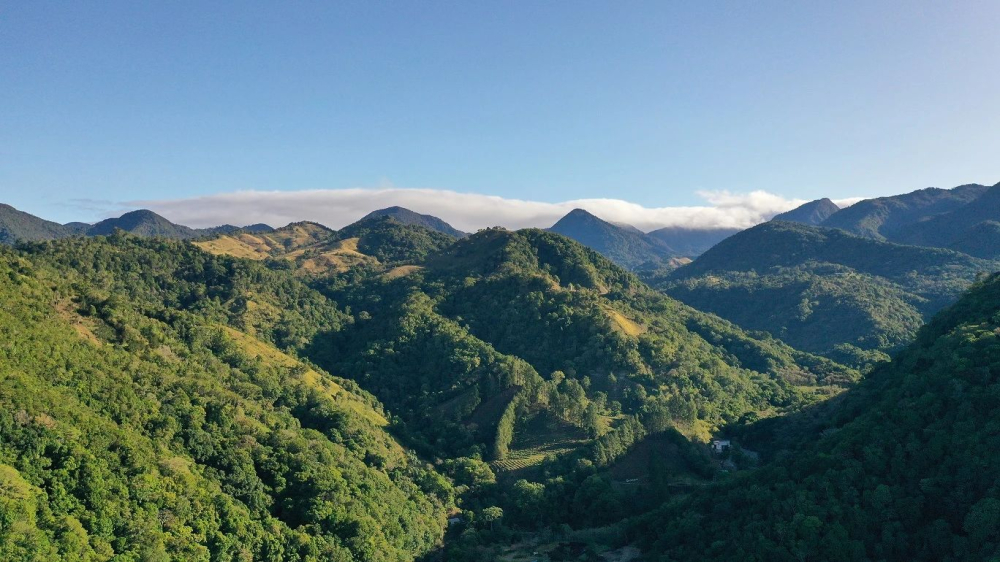
Boquete is a mountain town in the Chiriquí Province, adjacent to the eastern side of the Baru Volcano, with elevations ranging from 1,200 to 2,000 meters and diurnal temperature variations of up to 16°C or more. Such conditions not only slow the ripening of coffee cherries but also aid in the accumulation of flavor compounds, resulting in coffee with bright acidity, delicate aromas, and a long-lasting finish.
As noted by Xu Baolin in "The Coffee Hunter," Boquete possesses a "mild climate, fertile volcanic soil, and diverse microclimates," making it an ideal place for coffee cultivation. Compared to the humid and hot climate of Panama City, Boquete is cool and refreshing, resembling the mountainous regions of New Zealand or Switzerland—this environmental contrast is key to producing high-quality coffee.
In addition to the renowned Finca Elida, the region is home to many other quality producers, such as Finca Eldora and Finca Lérida Duncan, collectively shaping Boquete’s international reputation as a specialty coffee region.
Diverse Varieties and Processing Methods at the Foot of the Volcano
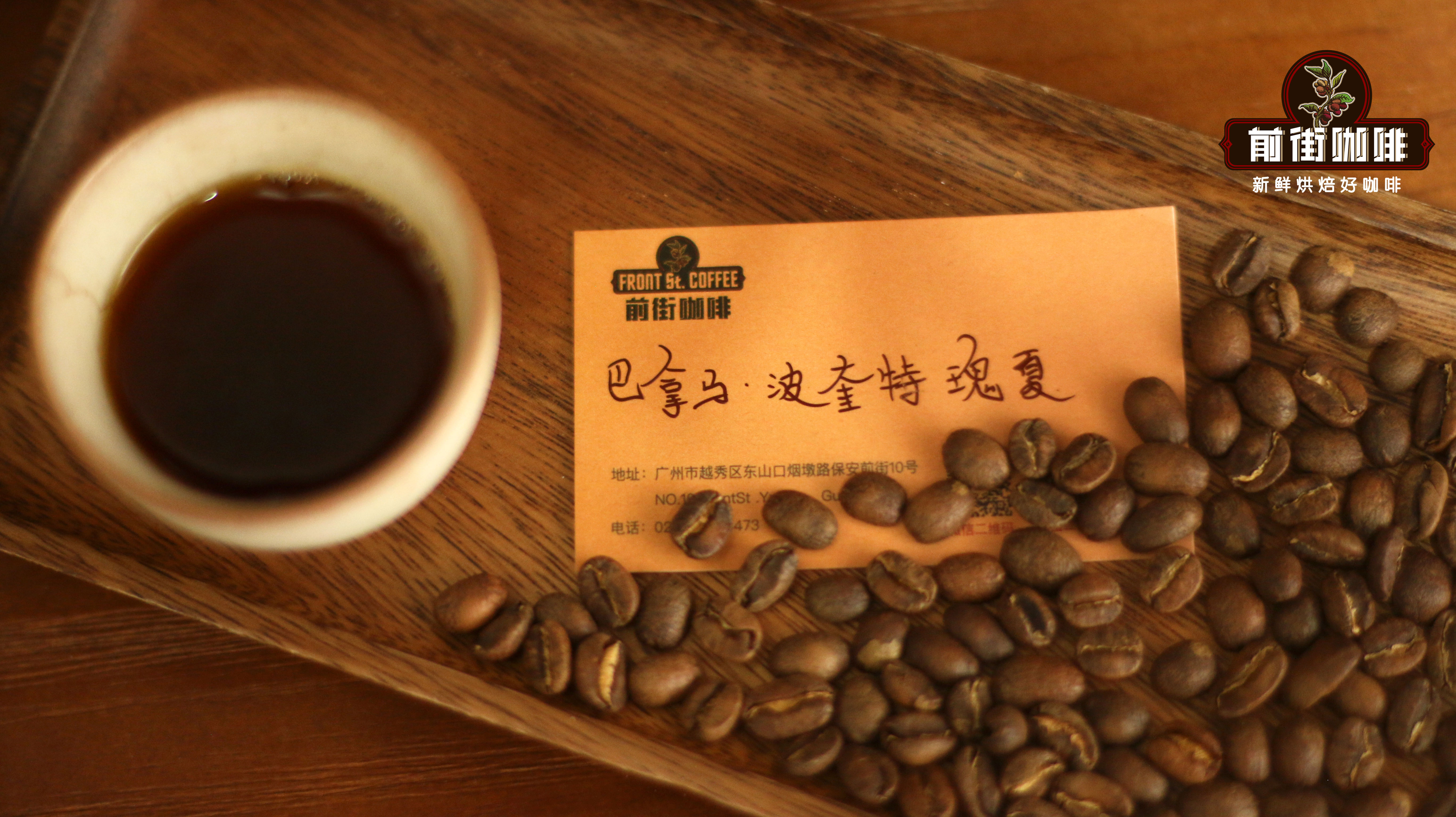
Boquete’s coffee varieties are diverse, with Gesha, Caturra, Catuai, and Typica being the most well-known. Gesha is famed for its distinctive floral notes, citrus tones, and high sweetness, making it a star variety in recent years’ specialty coffee scene; Caturra and Catuai are prized for their brighter acidity and moderate body, suiting those who prefer a crisp taste; Typica is an ancient, historic variety with slender beans—though low-yielding, it performs exceptionally well in cupping.
In terms of processing methods, Boquete’s coffee mainly falls into two categories: washed and natural. Washed processing emphasizes cleanliness and clear fruit acidity, ideal for highlighting the coffee’s layers and aromas; natural processing brings out richer sweetness and complex berry notes, with slightly lower clarity but more robust flavors.
Practical Pour Over Recommendations: Washed Flor de Selva & Natural Elida
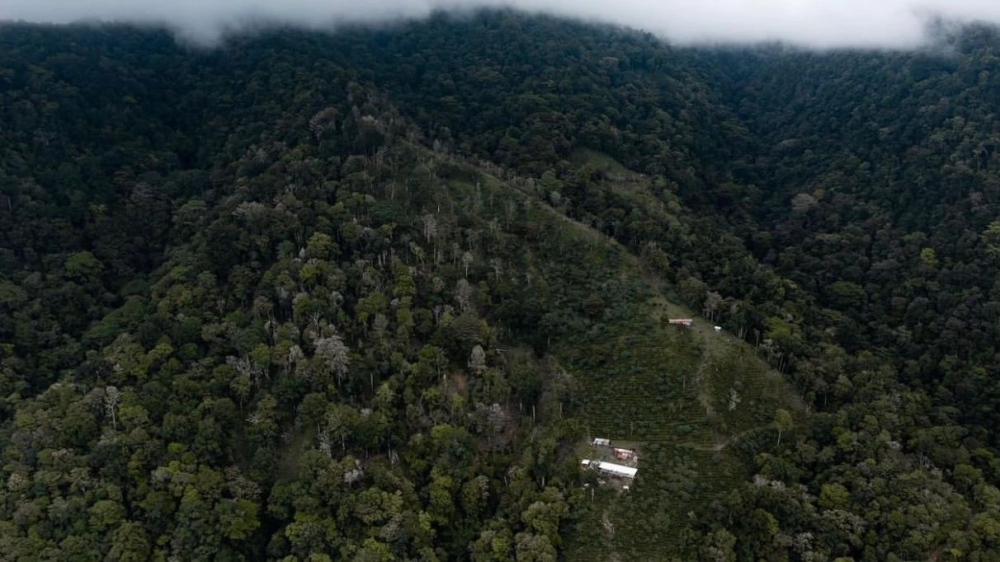
For two common beans from the Boquete region—the washed Flor de Selva and the natural Elida—here are practical pour over parameters to help you fully showcase their unique flavors:
- Filter:V60
- Brewing Water Temperature:91–92°C (suitable for high-altitude hard beans, helps improve extraction rate)
- Coffee Grounds Weight:15 grams
- Coffee-to-Water Ratio:1:15
- Grind Size:Granulated sugar size (approximately 80% through a #20 sieve)
Three-Stage Extraction Steps:
- First Stage: Pour 30 grams of water, bloom for 30 seconds to allow the coffee grounds to fully expand.
- Second Stage: Pour 95 grams of water, and when the coffee bed descends to about half, proceed to the third stage.
- Third Stage: Pour 100 grams of water until the dripping finishes. Maintain a slow, steady stream, pouring in small circles from the center outward to avoid over-extraction or unevenness.
These parameters are ideal for coffee enthusiasts seeking clear acidity, floral-fruit aromas, and good layering—highlighting the finesse and vibrancy of Boquete’s coffee.
Conclusion: A Refined Experience from Region to Cup
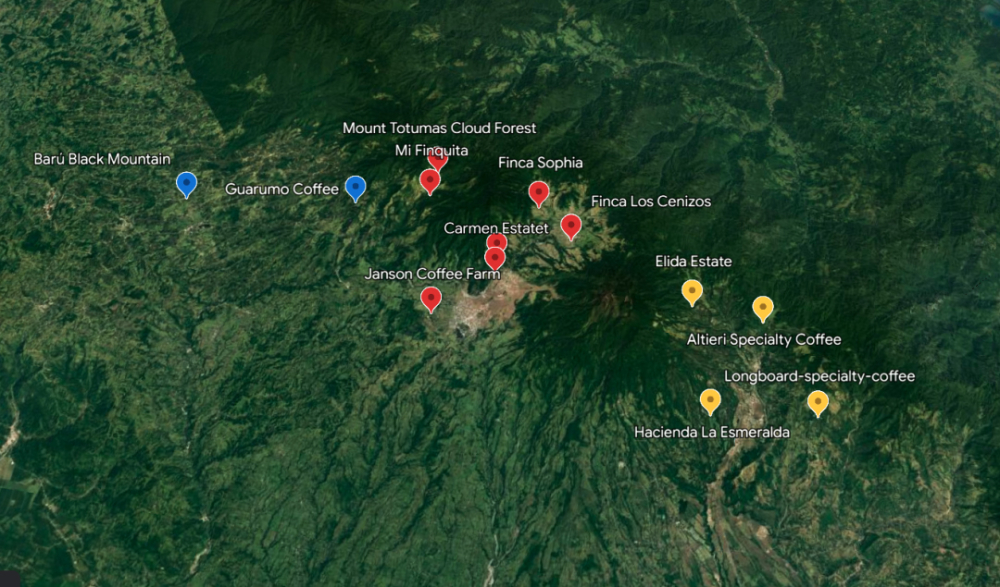
The Boquete region is not just synonymous with Panamanian coffee—it’s a mecca for specialty coffee lovers worldwide. From the unique soil and climate bestowed by the Baru Volcano to careful cultivation and rigorous processing, every cup from this region is a crystallization of nature and human ingenuity. Whether you prefer the crisp layers of washed coffee or the rich sweetness of natural, mastering the right pour over technique will allow you to savor the true charm of Boquete coffee.
The above content is compiled by CoffeeHunters, a coffee news website.


