







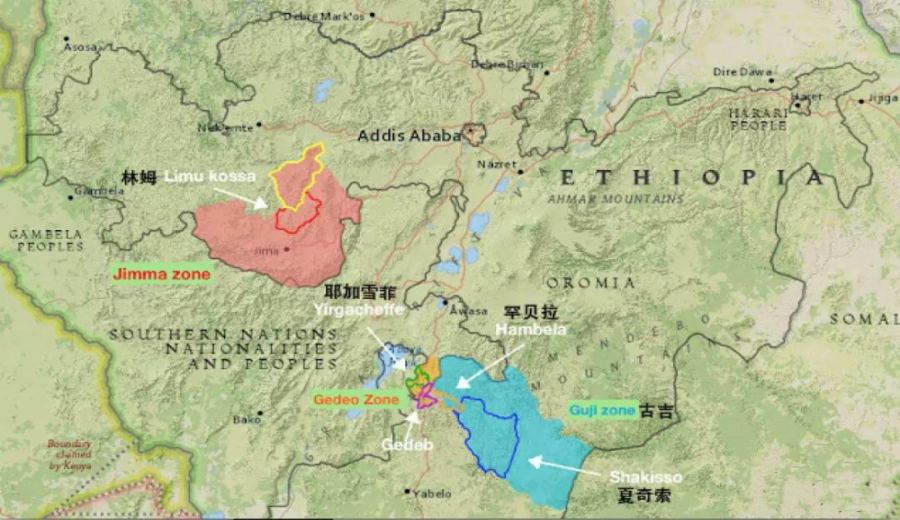
Introduction:Washed coffee beans produced in the Yirgacheffe and Sidamo regions of southern Ethiopia are world-renowned for their distinctive citrus and floral flavor profiles. This article delves into the natural conditions of the region, the washed processing method, and the characteristics and brewing recommendations of classic beans such as a well-known brand’s Yirgacheffe and Guodingding, helping coffee enthusiasts more accurately select and appreciate these high-quality specialty coffees.
The coffee flavors of southern Ethiopia exhibit a distinctly different personality compared to those of the northern regions. Here, the coffee lacks the rugged wildness often found in other areas and does not possess the intense fermented wine-like aromas seen in certain regions. Instead, it is celebrated for its gentle and delicate fruity sweetness and fresh floral notes. Among these, Sidamo’s washed coffee is the most famous, commonly marketed under the name “a well-known brand’s Yirgacheffe.” Although these beans come from one of Ethiopia’s renowned producing regions, their actual production volume is very limited, with the majority being exported to Europe and Japan, and they are even rarer in the U.S. market.
In recent years, factors such as climate change, droughts, food crises, and civil war have posed serious challenges to coffee cultivation and production in Ethiopia, particularly impacting the more meticulously processed washed coffee. Despite this, Yirgacheffe and Sidamo washed beans continue to hold their place as highly valued choices among global specialty coffee enthusiasts, thanks to their unique flavor profiles.
Long before the concept of specialty coffee became widespread, “a well-known brand’s Yirgacheffe” stood out for its outstanding citrus fruit aroma and bright floral notes, becoming one of the representatives of East African specialty coffee. This coffee is clean on the palate, with extremely low bitterness, and features a lingering sweetness and soft acidity in the aftertaste, giving it a highly distinctive profile among many coffees. It originates from the highland areas of Ethiopia’s Sidamo region at an altitude of approximately 1,200 meters (about 4,000 feet), serving as a model for African washed coffee processing and has long been highly regarded by coffee connoisseurs worldwide.
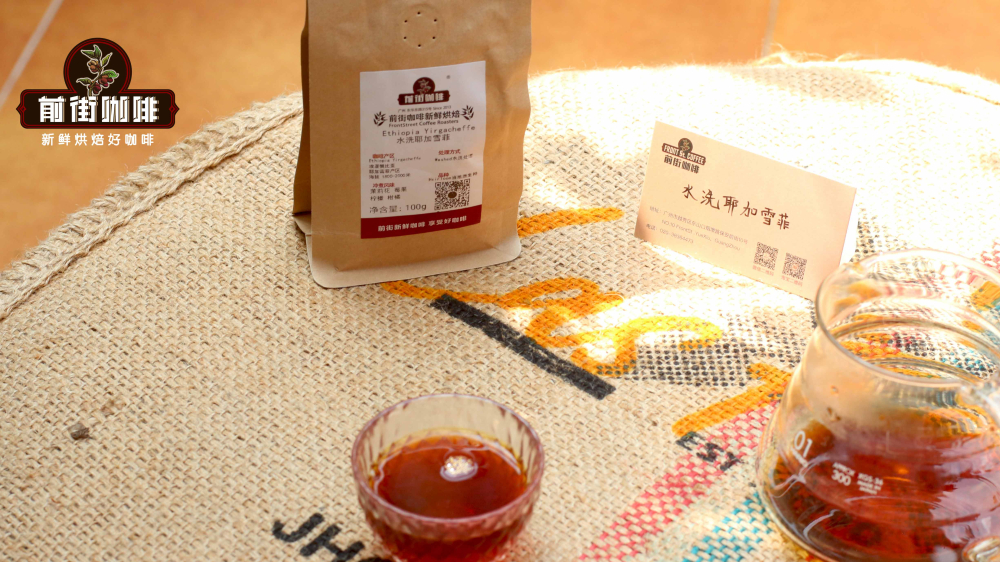
The Yirgacheffe region is located in the southwestern part of Ethiopia and benefits from exceptional geographical and climatic conditions. Local farmers continue to use traditional washed processing techniques, carefully fermenting, washing, and drying the coffee cherries to fully preserve their natural fruity aromas and sweetness. This processing method results in coffees that typically exhibit a refreshing citrus character, such as lemon and orange, along with delicate floral notes like jasmine or small white flowers, coupled with bright acidity and a smooth mouthfeel. The overall flavor profile is richly layered yet well-balanced.
If you are already familiar with the basic flavors of Yirgacheffe and wish to explore more complex options, consider trying the advanced “a well-known brand’s washed Guodingding.” This coffee belongs to a higher-grade Yirgacheffe, with even more refined washed processing, allowing it to showcase a variety of flavors such as honey, green tea, ripe plum, sweet orange, and cantaloupe. Its flavor profile is both fresh and full-bodied, making it suitable not only for hot brewing but also for methods like pour over, French press, and American drip machines. It can even be enjoyed as a cold brew, delivering a cool, sweet-and-sour, crystal-clear taste that is especially enjoyable in the summer heat.
When selecting and brewing high-quality washed coffees like Yirgacheffe or Guodingding, it is recommended to use a medium-light roast to preserve their inherent flavor characteristics. For pour over, a medium-fine grind (e.g., around 70%–75% passing through a #20 sieve) is suggested, with water temperature controlled between 90–93°C. Employing a multi-pour extraction method can better highlight the layers of fruit and floral notes. Additionally, because these coffees have bright acidity, care should be taken with milk ratios to avoid the milk flavor overwhelming their delicate qualities.
In summary, whether you are just starting your specialty coffee journey or are already deeply immersed in it, Ethiopia’s southern washed Yirgacheffe and Guodingding are classic choices not to be missed. From their unique regional terroir and traditional washed processing methods to their clearly recognizable citrus and floral expressions, these coffee beans not only embody the essence of African coffee but also offer coffee lovers around the world a diverse and high-quality flavor experience.
The above content is compiled by CoffeeHunters, a coffee news website.


