








Introduction:Panama is world-renowned for its Geisha coffee from the Boquete region, where meticulous processing methods and unique high-altitude microclimates create world-class flavors. This article takes an in-depth look at three renowned estates—Emerald, Elida, and Hartmann—analyzing the distinctive flavor profiles of their representative beans such as Red Label Geisha, Natural Typica, and Wine Processed Catuai. It also provides practical pour over recommendations and extraction parameters to help you master perfect brewing techniques and savor richly layered coffee flavors.
Although Panama is a small country, its Boquete region stands out with its exceptional geographical environment and refined coffee cultivation techniques, making it a significant player on the global specialty coffee map. In particular, the local Geisha variety, known for its delicate floral and fruity aromas and bright acidity, has repeatedly won international accolades. This article explores the region’s climate, altitude, and farming methods, introducing you to three iconic Panamanian coffee estates—Emerald Estate, Elida Estate, and Hartmann Estate—and detailing the flavor characteristics of their classic beans along with optimal pour over brewing methods.
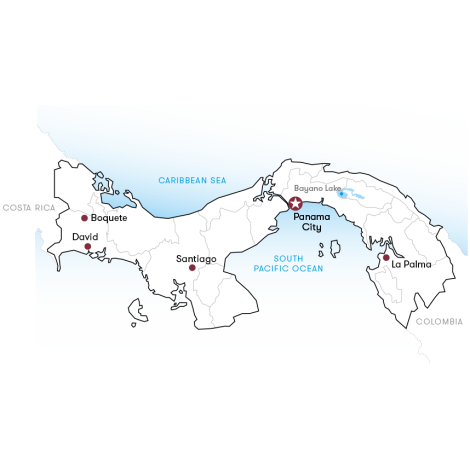
Though a small Central American nation, Panama enjoys a prime geographic location near 9°N latitude, featuring a tropical maritime climate with significant day-night temperature variations. Coupled with high-altitude terrain, these conditions create ideal coffee-growing environments. The country’s main specialty coffee regions are concentrated in the west, with the Boquete area in Chiriquí Province being the most famous. This region sees average annual temperatures between 23–27°C and annual rainfall of about 1,500–2,500 mm, divided into distinct dry and wet seasons. Planting areas above 1,300–1,500 meters in altitude are considered the "golden zone" capable of producing high-quality specialty coffee.
Coffee farms in the Boquete region are categorized by shading levels into sun-grown, semi-shaded, and fully shaded plantations. Fully shaded plantations feature more than 50 shade trees per hectare, effectively reducing sunlight intensity and slowing fruit ripening, allowing coffee cherries to accumulate richer flavor compounds. Although shaded planting reduces yield and increases costs, the resulting coffee usually boasts more complex aromas and textures. In contrast, unshaded or minimally shaded methods may yield more, but often produce flatter flavor profiles.
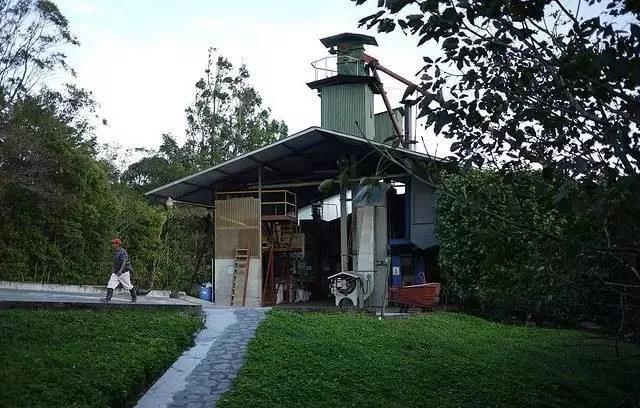
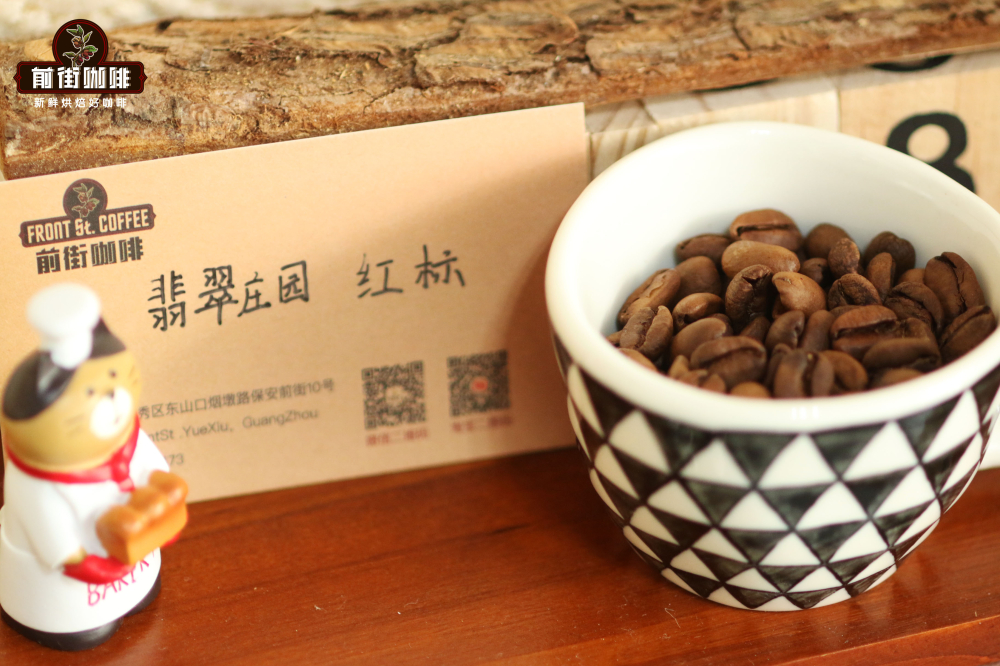
Emerald Estate (La Esmeralda), nestled at the foot of the Barú Volcano, was originally named after Volcán Barú but has since gained global fame for its Geisha variety. The estate was first acquired by Rudolph Peterson and later expanded to high-altitude regions such as Jaramillo and Canas Verdes. Emerald Estate is celebrated for its Red Label, Green Label, and Blue Label Geisha tiers, with the Red Label being the flagship—selected only from cupping scores of 90+ and specific auction lots, grown at 1,600–1,800 meters altitude. Typically processed naturally, this bean exudes intense rose, citrus, and berry aromas, with bright acidity and rich sweetness.
For pour over, it’s recommended to use a Hario V60 with 90°C water at a 1:15 coffee-to-water ratio, ground to around 75% through a #20 sieve. Specifically, start with a 30-second bloom using 30 grams of water, then pour in a circular motion up to 125 grams for the first pour. After the water level drops, continue pouring to 225 grams, and remove the filter just before the last drips. Total brew time is about 2 minutes. The result is a cup with bright fruit acidity, juicy body, and complex aromatic layers.
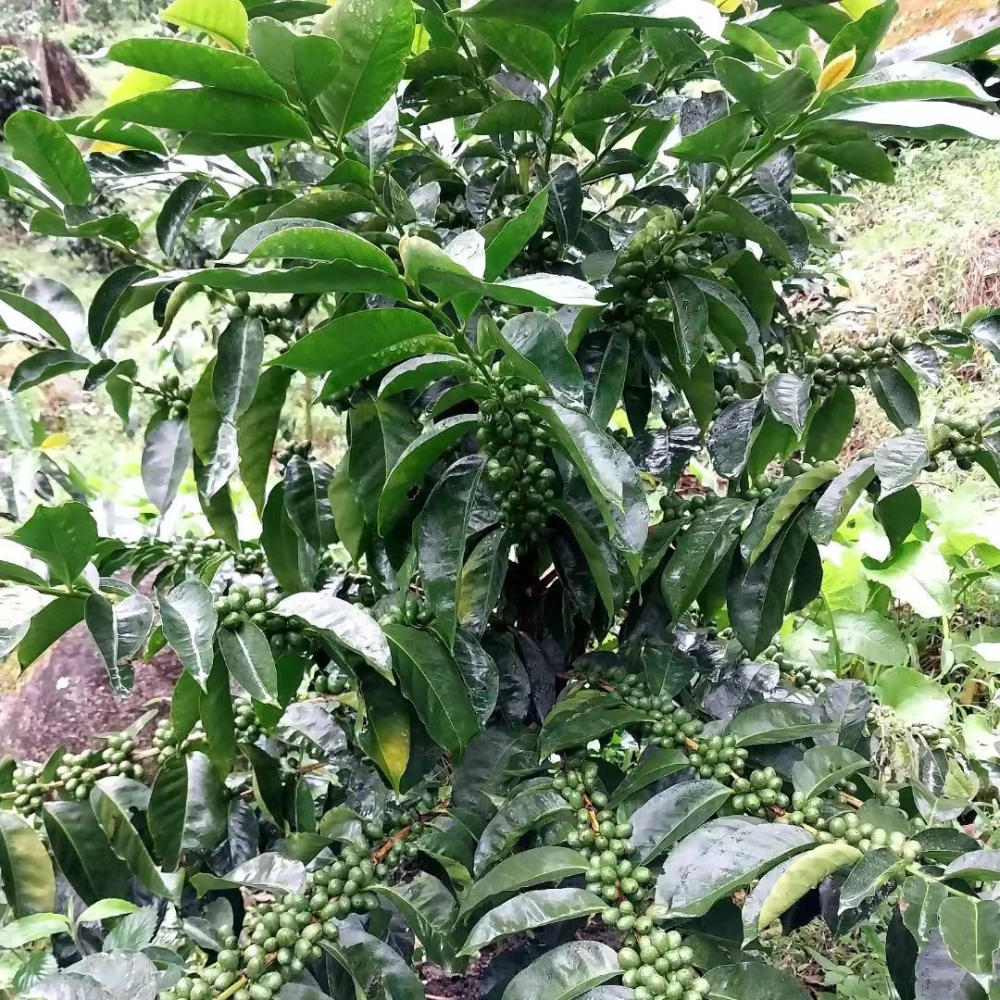
Elida Estate (Elida Estate), part of the Lamastus family with a history dating back to 1918, derives its name from the founder’s wife, Elida. Located in Boquete’s high-altitude zone—with some plots even within the boundaries of Volcán Barú National Park—it reaches a maximum planting altitude of 1,850 meters, making it one of Panama’s few ultra-high-altitude coffee regions. Elida Estate primarily grows Typica, Catuai, and Geisha, with its Typica variety processed naturally to showcase rich tropical fruit and cane sugar aromas.
Due to the high altitude and rugged terrain, coffee trees at Elida Estate grow slowly, typically taking five years to reach full production. However, this slow maturation allows for greater accumulation of flavor compounds. The estate is meticulous about harvesting and processing, picking only fully ripe coffee cherries and employing a low-temperature resting period of over five months to enhance flavor development and balance. For pour over, use 91°C water, a medium-fine grind (80% through a #20 sieve), and maintain a 1:15 ratio, again with a V60 and pulsed pouring. The flavor profile highlights peach, raisin, and orange notes, with a finish of grapefruit and green tea-like freshness.
Hartmann Estate (Hartmann Estate), managed by the third-generation of the family, rarely participates in international competitions, yet its coffee consistently ranks among Panama’s finest. The estate also oversees several well-known farms, such as Finca La Mula. Hartmann primarily cultivates Catuai, a hybrid of Mundo Novo and Caturra, known for its resilience to wind and rain but with relatively simpler flavor complexity.
Among its offerings, Hartmann’s Wine Processed Catuai is a standout. Inspired by winemaking, this process uses oxygen-deprived environments and controlled temperature and humidity to ferment the beans in sealed containers for extended periods, enhancing aroma and complexity. For brewing, use a Hario resin V60 with 93°C water and a 1:16 ratio, ground slightly coarser (70% through a #20 sieve) to minimize over-extraction. The pour over method involves a 40-gram bloom for 30 seconds, followed by two pours of 140 grams and 60 grams, with total brew time kept under 2 minutes. This coffee delivers bright citrus acidity, wine-like fermentation aromas, mid-palate brown sugar sweetness, and a wine-like finish.
The above content is compiled by CoffeeHunters, a coffee news website.


