








Introduction:Want to explore the unique charm of Papua New Guinea’s Bird of Paradise coffee? This Typica variety, hailed as the “Little Blue Mountain,” originates from Jamaican Blue Mountain seeds but exhibits distinct flavor notes of dark fruits and jasmine. This article delves into the growing environment, processing methods, and pour over recommendations for Sigri Estate’s Bird of Paradise coffee, helping you better understand the brewing and tasting essentials of this high-altitude specialty bean.
Papua New Guinea coffee is often referred to as “Little Blue Mountain” due to its Jamaican Blue Mountain Typica lineage, but its actual flavor profile is markedly different—especially in terms of brighter acidity and aroma layers. This year, we’ve selected Bird of Paradise coffee from Sigri Estate to take you through a comprehensive analysis of this high-altitude specialty bean, covering everything from the terroir and cultivation methods to the washed processing technique.
Papua New Guinea is located on the eastern half of the island of New Guinea and is a separate country from Indonesia, which occupies the western part. Due to its long official name, it is commonly abbreviated as “Papua” or “PNG.” The island not only has a unique geography but also offers distinctive coffee-growing conditions. Approximately 75% of the country’s coffee comes from small family farms, many situated in remote forested areas, with planting altitudes generally ranging between 1300 and 1800 meters, contributing to the high quality potential of its coffee.
Due to limited transportation, many coffee farms have difficulty accessing chemical fertilizers and pesticides, which actually allows the beans to ripen slowly under natural conditions. This explains why Papua New Guinea coffee often boasts clearer floral and fruity aromas along with bright acidity. Although geographically closer to the equator than Blue Mountain, its high altitude and volcanic soil still lend the coffee a delicate profile akin to Blue Mountain, albeit with added layers of sweet-tart dark fruit flavors that leave a deep impression.
Papua New Guinea’s specialty coffee mainly comes from several well-known regions, including the Waghi Valley and Sigri Estate in the Western Highlands, as well as estates like Aroma, Chimi, and Aroraka in the Eastern Highlands. Among these, the Goroka region is particularly renowned. The coffee from these regions, processed via washed methods, not only differs greatly from the herbal and spicy notes typical of Indonesian Sumatra coffee, but also showcases clarity of acidity and floral-fruitiness reminiscent of Central and South American coffees.
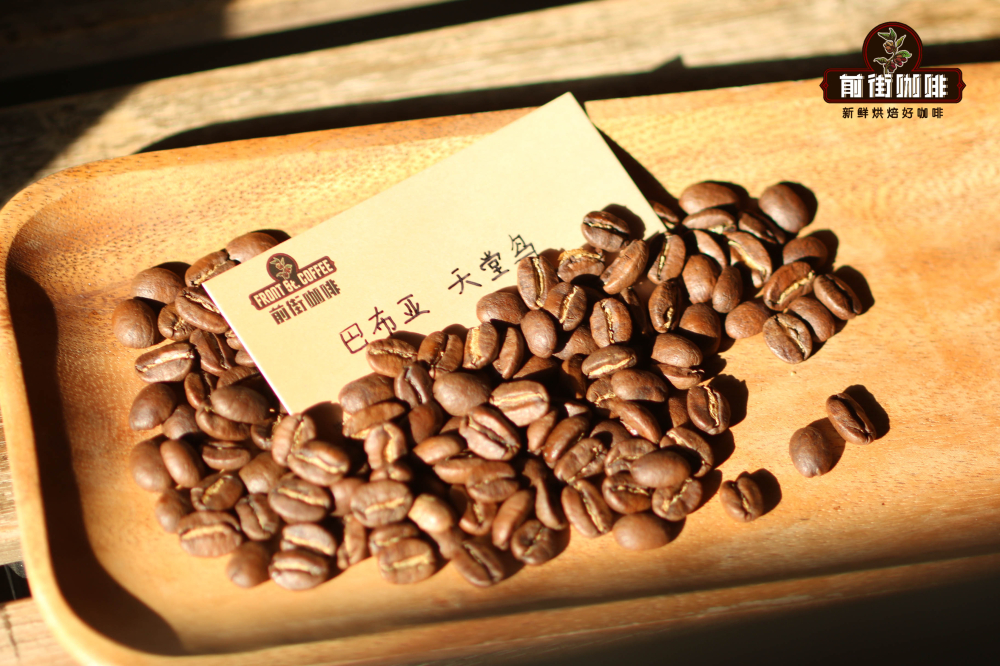
This year, we’ve specially selected Bird of Paradise coffee from Sigri Estate. The name of this coffee comes from the image of Papua New Guinea’s national bird—the Bird of Paradise—commonly found on the export sacks. It was first named as such when the coffee was introduced by Sigri Estate. Although later sacks from the Purosa Estate also featured the same design, to differentiate, the market generally refers to it by the estate name. Established as early as 1950, Sigri Estate is a key pioneer in the local coffee industry, with its plantations located in the Waghi Valley of the Western Highlands at an altitude of around 1500 meters, enjoying exceptionally favorable natural conditions.
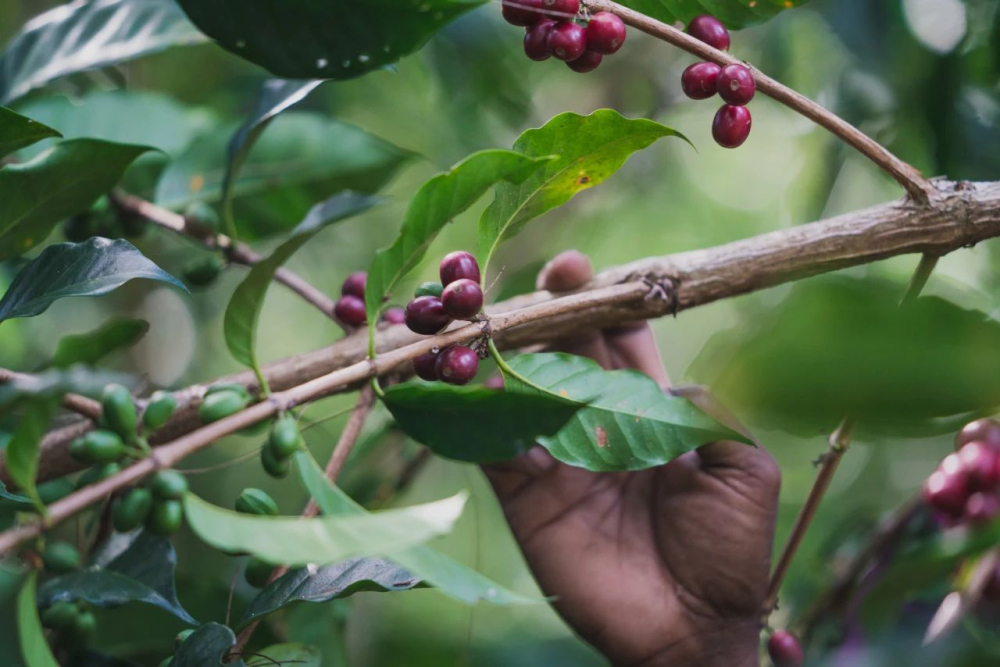
The Bird of Paradise Estate benefits from mineral-rich volcanic soil, cool climate, and abundant rainfall—all of which provide ideal growing conditions for coffee trees. More importantly, the estate has long adhered to a no-pesticide and no-insecticide policy, committed to protecting the local ecosystem and bird habitats. During harvest, only fully ripe red cherries are handpicked to ensure optimal sugar-acid balance in the coffee berries. In addition, daily cupping is conducted within the estate to maintain consistently high quality in the coffee it produces.
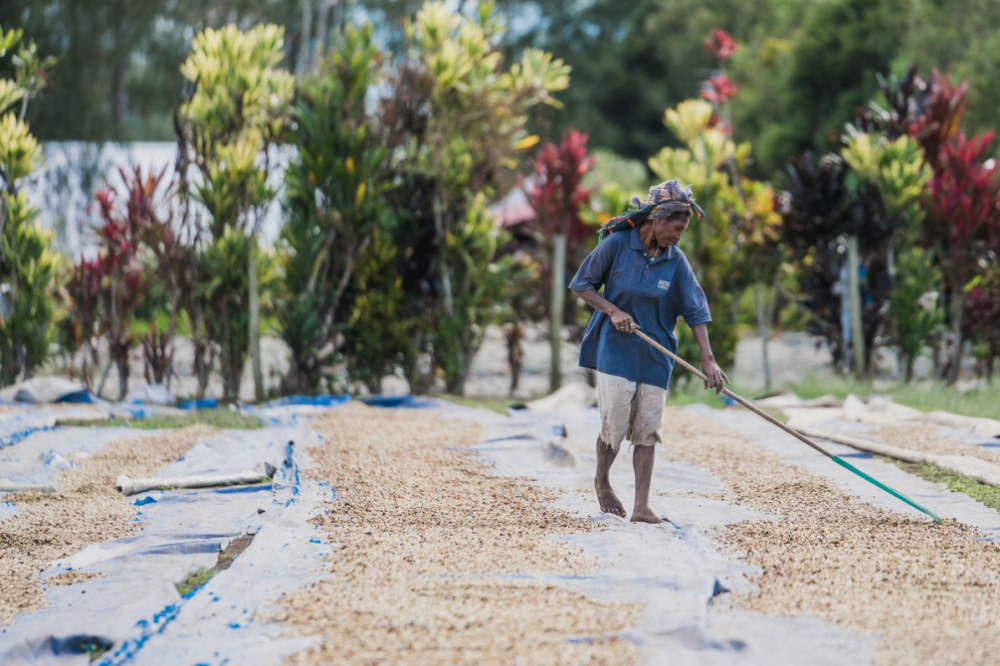
In terms of processing, washed processing is commonly used for Papua New Guinea coffee, and this is also the key to the Bird of Paradise coffee’s bright acidity and clean aftertaste. Compared to conventional washed processes in Central and South America, the local method employs a more meticulous triple-washed fermentation technique: each soak lasts about 24 hours, with fresh water changes to precisely control fermentation flavors. This process effectively reduces impurities and unwanted flavors while enhancing the coffee’s acidity-sweetness balance. After washing, the beans are further stripped of mucilage and outer skins, then sorted by size and density into grades such as common AA, AB, and peaberry PB.
For pour over enthusiasts, this Bird of Paradise coffee is recommended to be roasted to a medium-light level to highlight its bright lemony acidity and delicate jasmine floral notes. Suggested pour over parameters: a 1:15 coffee-to-water ratio, grind size between medium-fine and slightly finer (like fine sugar crystals), with water temperature controlled between 90–92°C. A three-stage pouring method can be used during brewing; segmented extraction helps balance sweetness, acidity, and body, while bringing out a richer layering of flavors.
In summary, Papua New Guinea’s Bird of Paradise coffee not only inherits the elegant foundation of the Typica variety but also, bolstered by high altitude and a special washed process, presents a uniquely distinctive flavor profile. Whether as a everyday brew or an entry point for exploring specialty coffee flavors, these beans from the homeland of the Bird of Paradise are definitely worth your careful savoring.
The above content is compiled by CoffeeHunters, a coffee news website.


