








Introduction:Yirgacheffe is one of Ethiopia’s most iconic specialty coffee regions. Its washed and natural processing methods produce distinctly different flavor profiles. This article delves into the steps, characteristics, and flavor impacts of these two processing techniques, using real case studies to illustrate brewing parameters and flavor expressions—helping you better grasp the classic appeal and brewing nuances of this renowned origin.
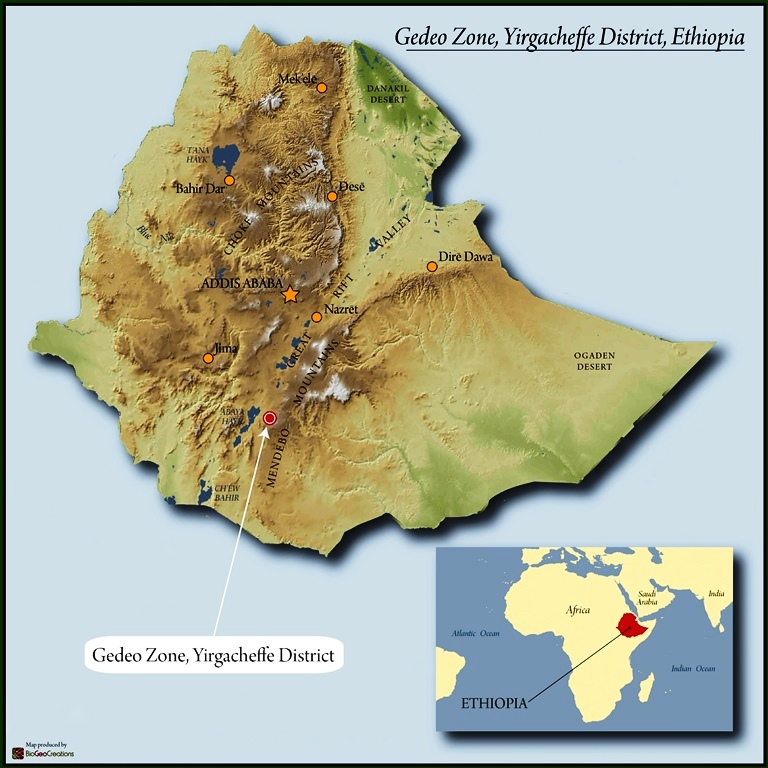
Located in southern Ethiopia, Yirgacheffe was originally a sub-region of Sidamo but gained distinction for its bright acidity and delicate floral notes, eventually becoming an independent top-tier producing area. The high-altitude environment at around 2,000 meters above sea level, along with numerous smallholder farms and cooperatives, gives the coffee here highly distinctive flavors. Among various processing methods, washed and natural are the most common and representative, each highlighting uniquely different flavor attributes.
The washed process emphasizes clean, bright acidity and clear fruit aromas, making it a popular starting point for many specialty coffee enthusiasts. In contrast, the natural process retains more of the fermentation characteristics from the coffee cherry pulp, showcasing rich berry notes and a full sweetness. Understanding the craft details of these two processing methods not only allows for a deeper appreciation of Yirgacheffe’s diverse flavors but also helps in making more suitable choices when selecting and brewing.
Gedeo Cooperative: A Classic Representative of Washed Processing
Situated southeast of Yirgacheffe, the Gedeo Cooperative was formerly part of the Worka Cooperative before becoming independent in 2012. With about 300 members, the coop is known for traditional washed and natural processing methods and is hailed as “the last pure land of Yirgacheffe.” Its washed beans follow a rigorous processing procedure—from removing the pulp and mucilage through fermentation, to washing in channels and drying on raised beds—each step influencing the final flavor.
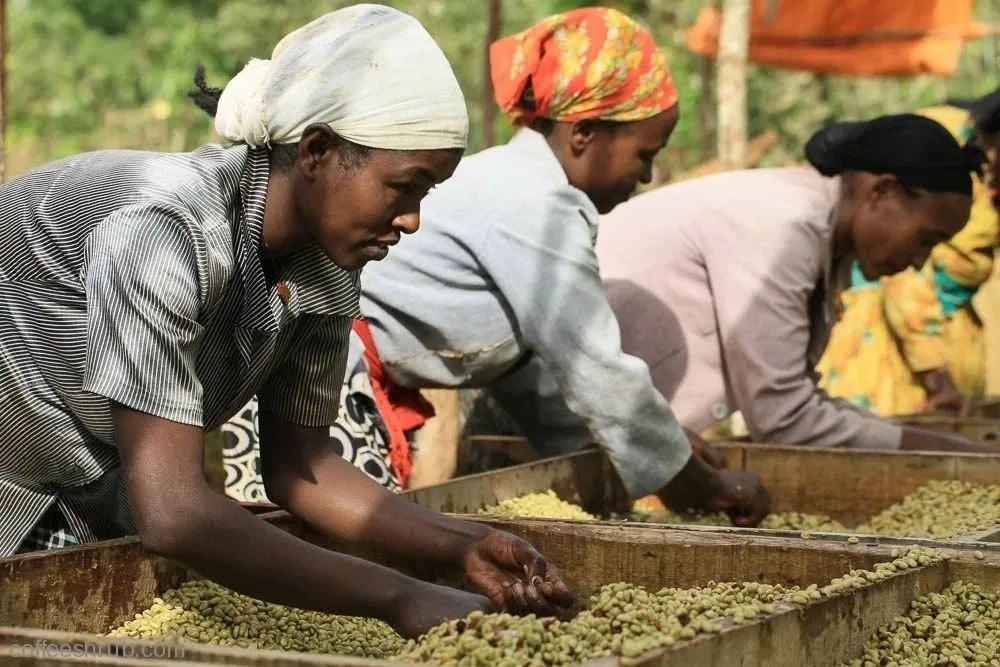
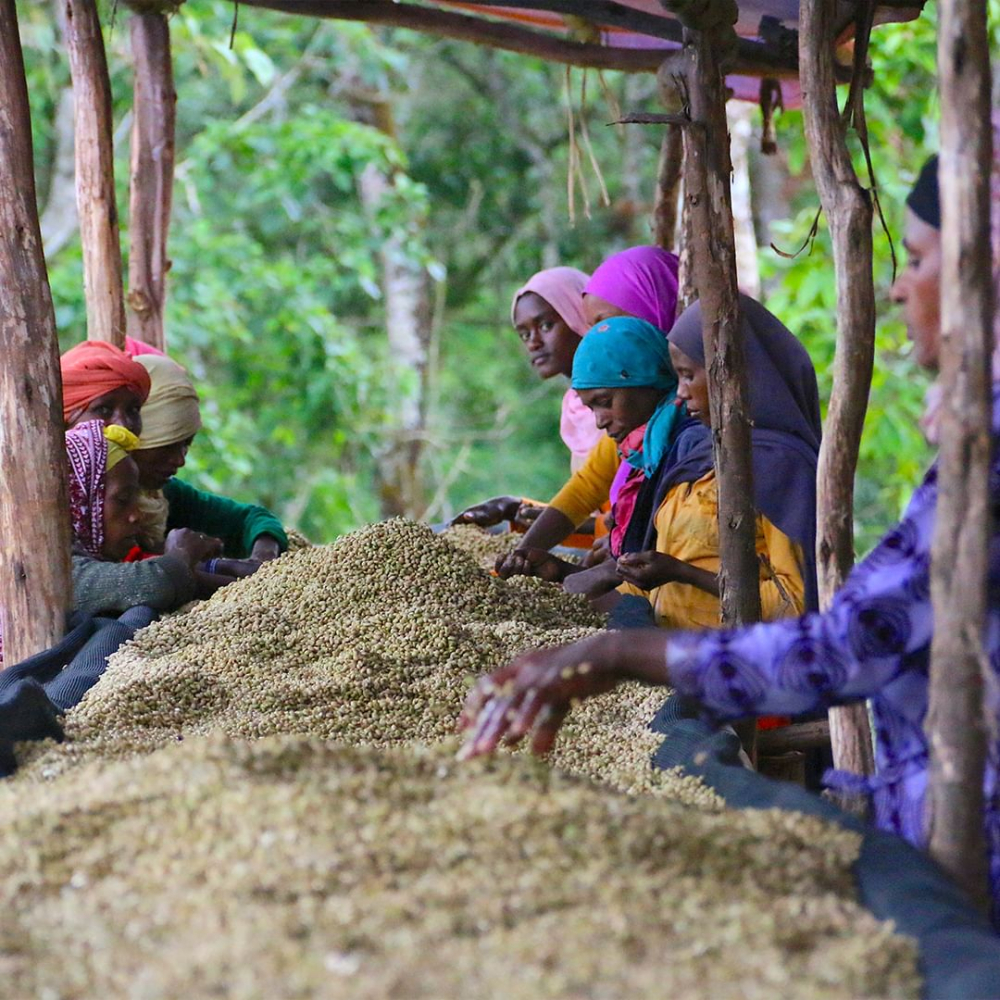
During processing, the parchment coffee is first left to ferment in tanks for 18 to 36 hours, adjusted according to local temperature and humidity to ensure thorough breakdown of the mucilage layer. Then, using the flow of water in washing channels, lower-quality beans are sieved out, leaving only the well-graded parchment. These beans are subsequently dried on African-style raised beds for about 14 days. After drying, they undergo further processing at a dry mill—including hulling, color sorting, and foreign matter removal—to ensure export quality.
Washed beans from the Gedeo Cooperative used by a well-known coffee brand are sourced from the Gedeo region at elevations between 1,900–2,300 meters. The variety is Ethiopian Heirloom, and the grade is G1. Flavor notes commonly include berries, cream, honey, and citrus. The cup has a juice-like mouthfeel, with bright yet non-aggressive acidity, making it a classic choice for experiencing Yirgacheffe’s washed flavors.
Red Cherry Project: A Quality Revolution in Natural Processing
When discussing natural processing in Yirgacheffe, one cannot overlook the “Red Cherry Project (Operation Cherry Red).” Launched in 2007 by Dutch green coffee trader Trabocca, the project aims to break the vicious cycle of low farmer income and bean quality by raising purchase standards. It requires farmers to harvest only fully ripe red cherries, handpicked meticulously, significantly improving the initial quality of the beans.
The Red Cherry Project not only emphasizes harvesting but also provides technical and financial support to small-scale farms, including equipment such as drying beds, shade nets, and generators, alongside cupping training and market connections. Coffee participating in the project undergoes cupping evaluations in both Ethiopia and the Netherlands, and those meeting the standards are eligible for international auctions, often selling for prices 4 to 20 times the average market rate.
Washed beans from the Yirgacheffe Red Cherry Project used by a prominent coffee brand come from the Allertu Farm, processed via full red cherry natural method at altitudes up to 2,300 meters, and graded G1. After medium-light roasting, this bean exhibits pronounced notes of berries, lemon, citrus, and sweet orange. It has high sweetness with a caramel and black tea aftertaste, serving as a flagship representation of the natural processing method’s essence.
The Impact of Processing Methods on Flavor & Practical Brewing Recommendations
Washed and natural processing methods not only shape the flavor profile of coffee but also directly influence brewing performance. Using a V60 dripper as an example, recommended settings include a water temperature of 90–91°C, a brew ratio of 1:15, and a medium-fine grind (approximately 80% passing through a Chinese standard No. 20 sieve). A three-stage extraction is advised: start with a 30-second bloom using 30 grams of water, then pour in small streams to reach 125 grams for the first drawdown, followed by pouring up to 225 grams in total, with an overall extraction time of around 2 minutes.
In actual tasting, the Yirgacheffe Red Cherry natural beans show bright acidity and sweetness with notes of berries, cream, and citrus at higher temperatures, while lowering the temperature brings out a smoother and more layered mouthfeel. The Gedeo washed beans, on the other hand, are noted for their crisp lemon acidity, honey-like sweetness, and juice-like body—ideal for those who prefer clean, bright flavors.
It’s worth noting that coffee beans from different processing methods may require slight adjustments in grinding and brewing. Natural beans, typically having undergone higher levels of fermentation, tend to have more intense flavors, so a slightly coarser grind can help avoid over-extraction. Washed beans, being cleaner, suit a medium-fine grind to fully express their acidity and aroma. Additionally, water temperature control is key—a slightly lower temperature can help moderate the fermentation sensation of natural beans, resulting in a more balanced flavor.
In summary, Yirgacheffe’s washed and natural processing methods each have their own unique charm—the former excels in refreshing acidity and fruity notes, while the latter showcases rich sweetness and layered fermentation character. Whether you’re a beginner or a coffee enthusiast seeking intricate flavor details, gaining a deeper understanding of the craft and impact of these two processing methods will enrich your tasting and brewing experiences.
The above content is compiled by CoffeeHunters, a coffee news website.


