







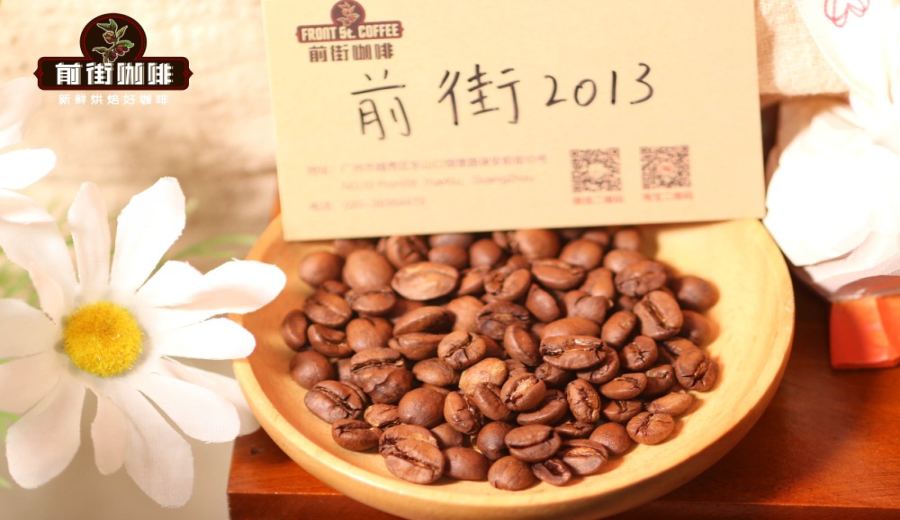
Introduction:Want to learn about the varietal origins and regional characteristics of Yunnan small-bean coffee? This article delves into the differences between the three major varieties—Typica, Bourbon, and Catimor—and explores the geography and climate conditions of Yunnan’s four main coffee-growing regions. It also shares practical insights on how washed and natural processing methods affect flavor, along with V60 pour over parameters and cupping notes, offering a comprehensive guide to Yunnan coffee from variety to brewing.
What variety does Yunnan small-bean coffee refer to? The so-called "small-bean coffee" commonly mentioned in the market mostly refers to Catimor. Although Yunnan small-bean coffee originally came from Typica, due to Catimor’s strong disease resistance and high yield, it has now become the dominant variety in Yunnan, accounting for 99.99% of planted area. So why has Catimor become mainstream? Professional observations indicate that its high-yield characteristics and resistance to pests and diseases make cultivation more stable and profitable, naturally making it farmers’ top choice.
Coffee cultivation in Yunnan is mainly concentrated in four regions: Lincang, Baoshan, Pu’er, and Dehong. These areas are mostly located in the southwest of Yunnan, where the climate and altitude are suitable for coffee growth. Among them, Lincang has a unique geographical location, bordering Pu’er to the east, Dali to the north, Baoshan to the west, and Myanmar to the southwest. The annual average temperature across the region ranges between 16.8°C and 17.2°C, with distinct dry and wet seasons and abundant sunshine, providing an ideal environment for coffee cultivation.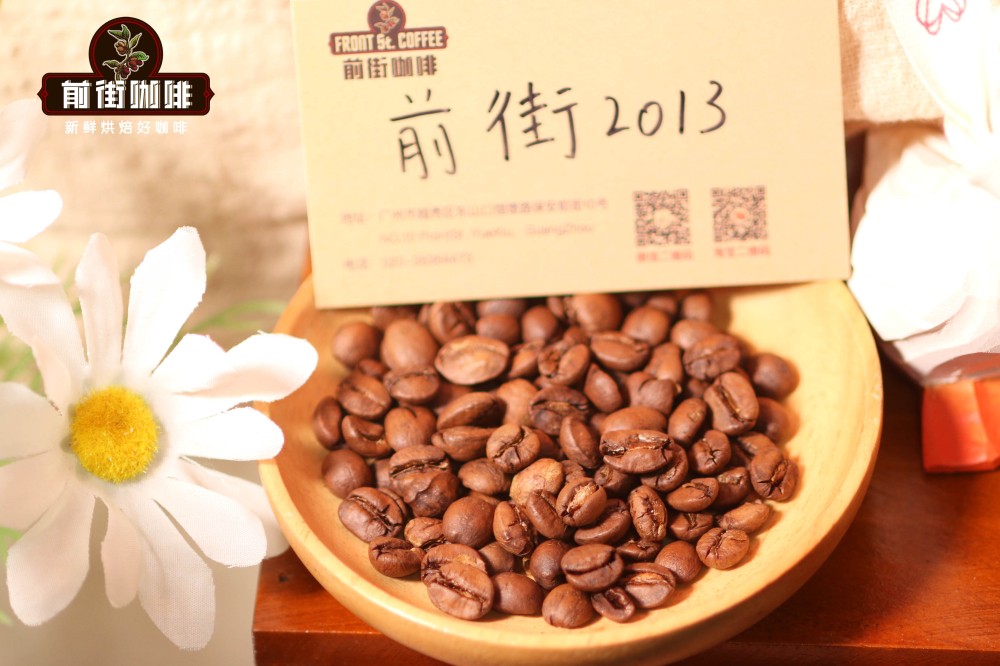
Particularly in Lincang, not only are the geographical conditions superior, but local operators have also established their own estates and launched their first seasonal natural-processed Typica in 2021, showcasing the potential of local cultivation and processing. However, although early Yunnan plantings were mostly Typica, due to Catimor’s advantages in high yield and disease resistance—and driven by policy support and the introduction of international brands like Starbucks and Nestlé—it gradually replaced traditional varieties to become the market mainstream.
Among China’s coffee-growing regions, Baoshan in Yunnan is one that cannot be overlooked. The Baoshan coffee region not only features high altitudes, but the coffee produced at these elevations can rival that of Jamaica Blue Mountain, and it has even produced the world’s most expensive civet coffee. Since 1952, Baoshan has accumulated over 60 years of coffee cultivation experience and is hailed as one of the “best coffee-growing regions in Asia.” The region’s climate is highly variable, often described as “four seasons on one mountain, different weather within ten miles,” and with over 95% of the country’s coffee production and an export volume of 60,700 tons, it has established its significant status.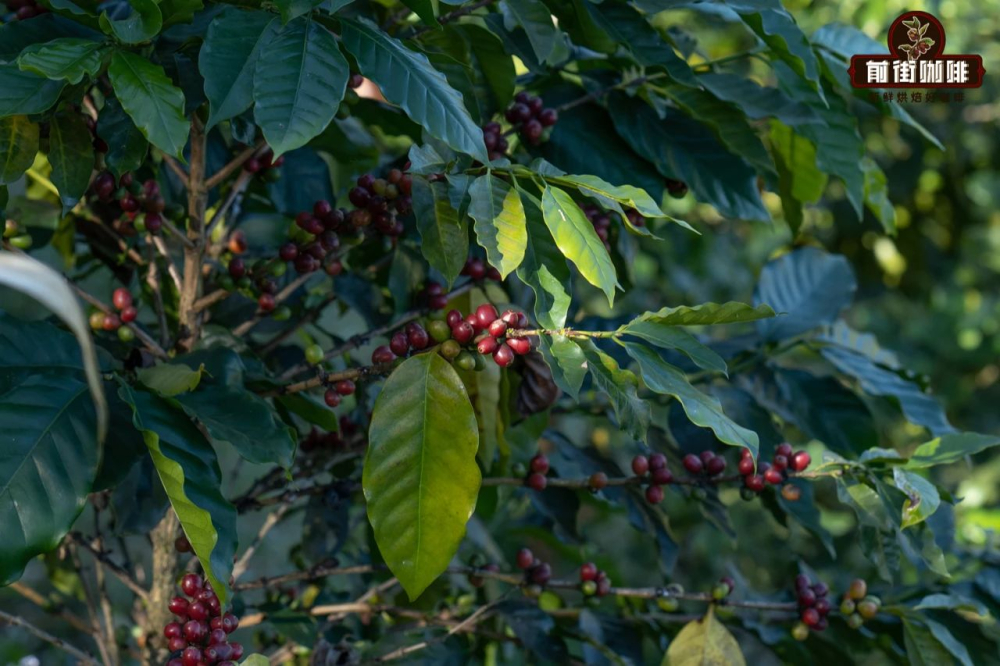
Returning to the varieties themselves, the most widely planted variety in Yunnan today is Catimor, which is not of pure Arabica lineage but rather a hybrid of the Timor variety (containing 25% Robusta genes) and Caturra (a mutation of Bourbon). This makes Catimor high-yielding but often considered to have a relatively thin flavor profile, prone to astringency or musty notes. In contrast, Typica and Bourbon are traditional high-quality Arabica varieties. Typica originates from Ethiopia, with robust plants but low yield and susceptibility to rust disease, serving as the varietal foundation for many renowned specialty coffees such as Jamaica Blue Mountain and Hawaiian Kona.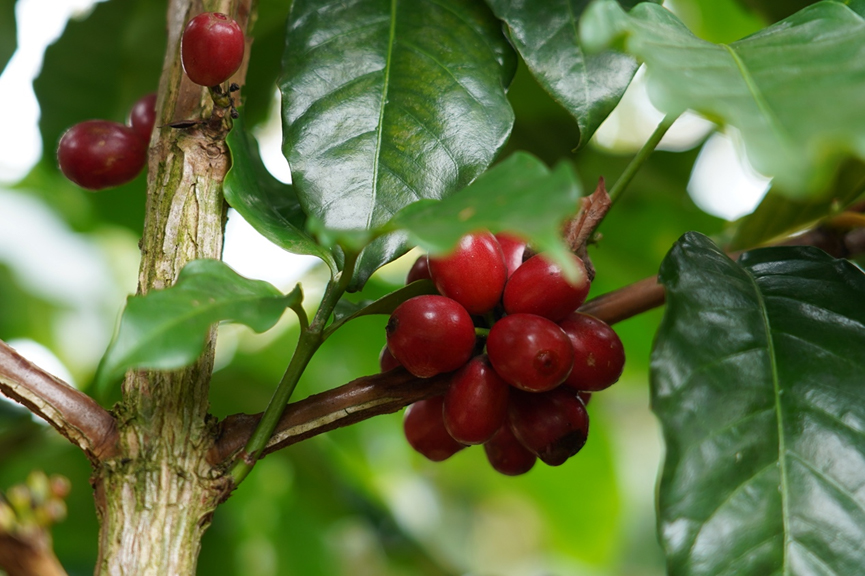
Bourbon is a mutation of Typica, known for its elegant aroma and rich complexity, but it also suffers from low yield and weak disease resistance. As a result, many Central and South American regions have switched to planting disease-resistant varieties like Caturra. In comparison, while Catimor offers advantages for commercial cultivation, it slightly lags in flavor performance, which is why many coffee enthusiasts still hold a special preference for Typica.
In terms of processing methods, washed and natural are two common approaches that significantly influence flavor. Washed processing, which involves removing the pulp and fermenting the beans, results in a cleaner, brighter acidity, highlighting delicate fruity and floral notes, and is commonly seen in Central and South American and African beans. Natural processing, on the other hand, retains more flesh and pulp, with longer fermentation times, thereby imparting richer fruitiness, sweetness, and a fuller body, making it an ideal choice for showcasing tropical flavors.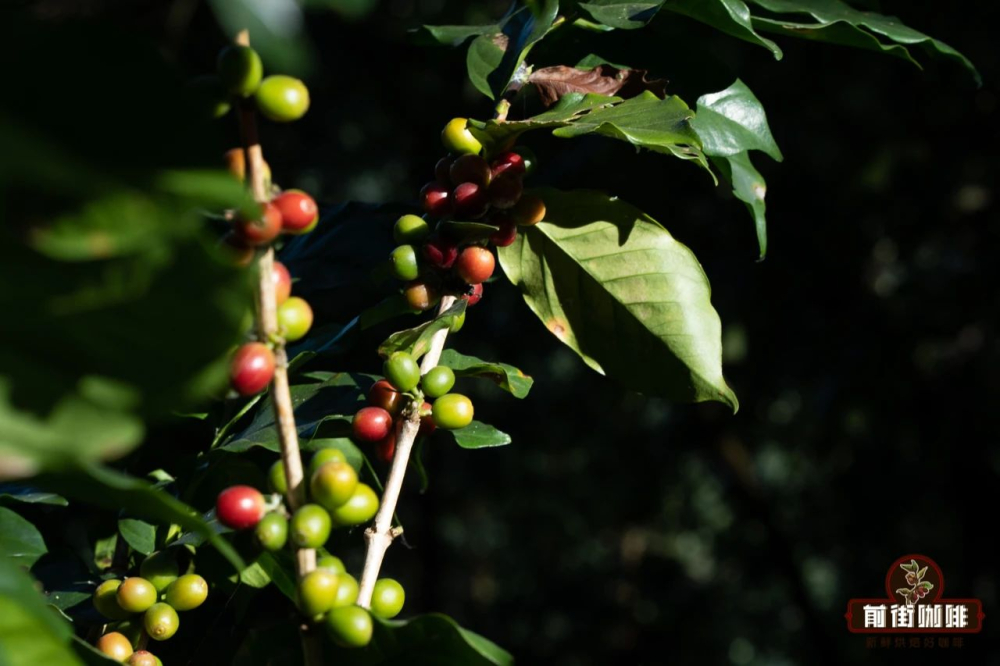
One producer once released a washed Catimor bean from Baoshan, grown at an altitude of about 1,200 meters. Its roast profile shows a drop-in temperature of 198°C, emphasizing cleanliness in the mid-palate and sweetness in the aftertaste. Another natural-processed Typica comes from Lincang, grown at 1,300 meters, and through prolonged sun drying, it brings out layers of herbal, honey, and brown sugar notes. These two beans not only demonstrate the differences between processing methods but also reflect the impact of altitude and microclimate on flavor.
For coffee enthusiasts who enjoy pour over, it is recommended to use a V60 dripper with a water temperature of 90–92°C, a 1:15 coffee-to-water ratio, and medium-fine grind (approximately 57% extraction through a #20 sieve), employing a multi-pour extraction method. This effectively balances acidity and sweetness, highlighting the unique fruity and full-bodied characteristics of Yunnan beans. Whether you choose the traditional Typica or the mainstream Catimor, understanding varietal traits and processing methods will allow you to better appreciate the distinctive flavors of Yunnan small-bean coffee.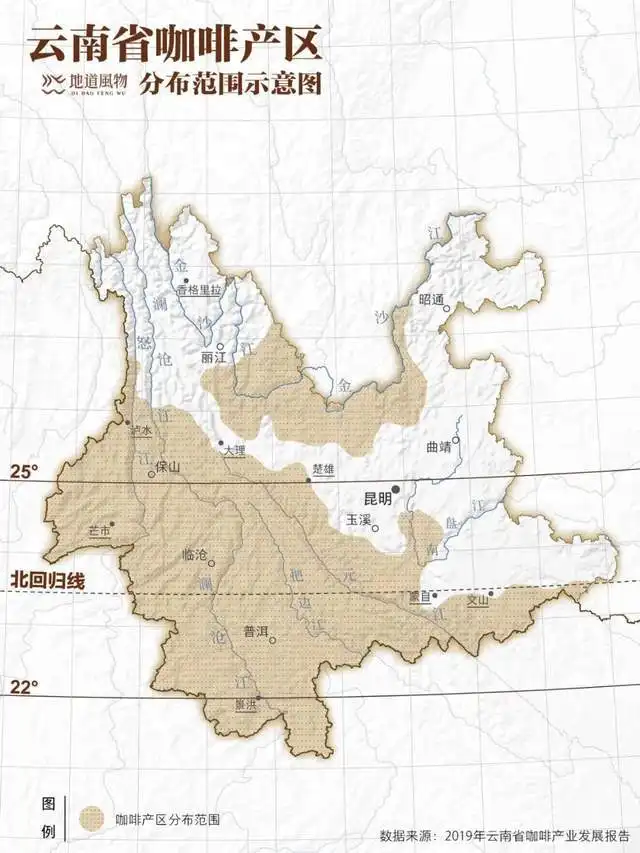

The above content is compiled by CoffeeHunters, a coffee news website.


