







Introduction:Mandheling coffee is renowned for its full body and low acidity, with its distinctive flavor profile primarily derived from Sumatra’s unique wet-hulling processing method. This article delves into the origin background of Mandheling, the story behind its name, the origins and identification of PWN Golden Mandheling, and provides a detailed guide to suitable brewing parameters and techniques—helping you fully understand this classic coffee from origin to cup.
With its rich, smooth texture and low acidity, Mandheling coffee is highly favored by those who prefer a less acidic cup. Originating from the Indonesian island of Sumatra, this coffee owes its bold, heavy mouthfeel and unique flavor profile to the region’s distinctive wet-hulling process. In this article, we’ll start with Sumatra’s growing environment, explore the origin of the name “Mandheling,” trace the history of the PWN company and the production of Golden Mandheling, and offer practical pour-over recommendations along with flavor characteristics—providing a comprehensive look at this classic coffee’s journey from origin to cup.
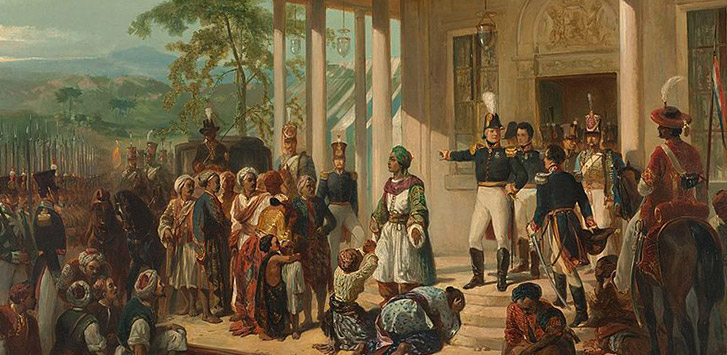
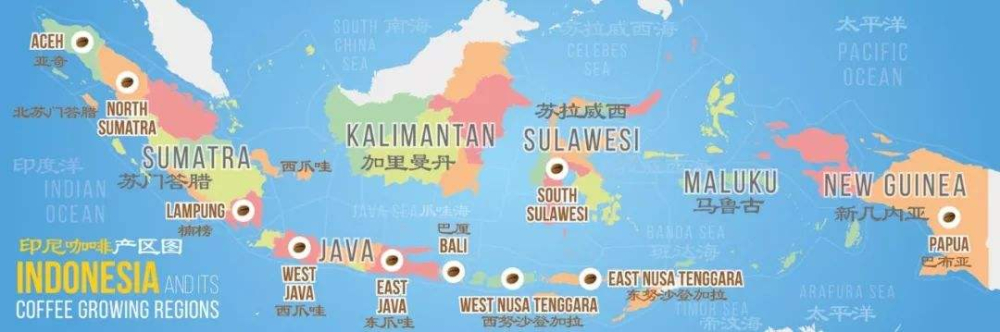
Sumatra is the world’s sixth-largest island, characterized by a mountainous terrain, with the Barisan mountain range stretching across the entire island and its highest peak, Mount Kerinci, reaching an elevation of 3,800 meters as an active volcano. The island’s Arabica coffee is mainly grown in higher-altitude regions, typically managed by smallholder farmers. Indonesia’s coffee cultivation history dates back to 1696, when the Dutch introduced coffee seedlings from Malabar, India. After a successful trial planting in 1699, cultivation gradually expanded to areas including Sumatra. However, coffee exports from the region didn’t take off until the early 19th century, with export value surpassing 12 million British pounds by 1840 and reaching peak production in 1860. Subsequently, due to the outbreak of coffee leaf rust disease, most Arabica plants were destroyed, and Robusta gradually became the dominant variety. To this day, Sumatra remains Indonesia’s largest coffee-producing region.
It’s worth noting that although Java was once famous for its Arabica, by the early 20th century, Robusta had almost entirely replaced local Arabica cultivation. In contrast, Sumatra retained some Arabica-growing regions, and its reputation gradually surpassed that of Java. It is against this backdrop that the name “Mandheling” became widely known. Interestingly, Mandheling is not a person’s name but rather refers to an indigenous ethnic group in Sumatra.
There is an interesting anecdote about the origin of the name “Mandheling.” During World War II, a Japanese soldier tasted a rich and bold coffee in Sumatra and was very impressed. He asked the shopkeeper what kind of coffee it was. Due to a language barrier, the shopkeeper misunderstood the question as being about his origin and replied that he was from Mandailing. Because the pronunciation was similar in Japanese, the soldier heard it as “Mandheling.” After returning to Japan after the war, he asked merchants to find this coffee from “Mandheling.” The coffee quickly gained popularity in the Japanese market for its bold character, and the name Mandheling spread globally from there.
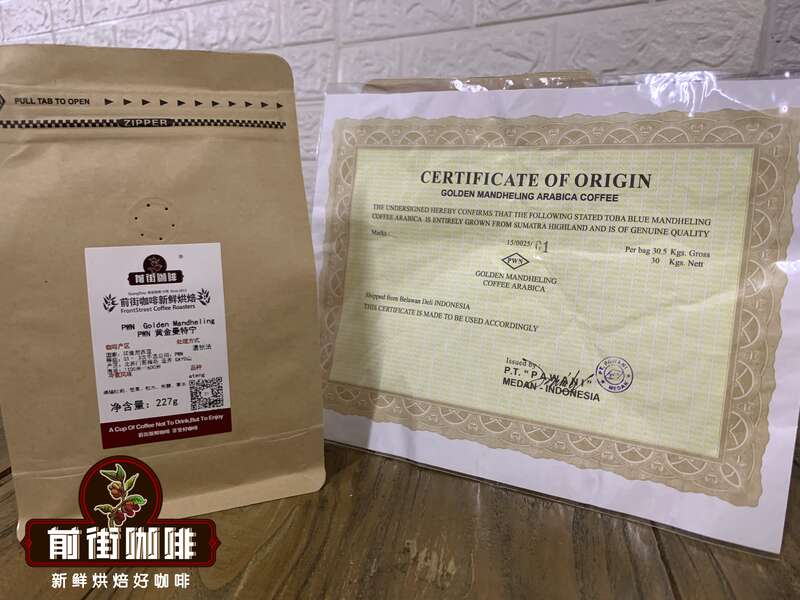
The Indonesian trader who was mistaken for being from Mandailing is none other than the now well-known PWN company (PAWANI). PWN registered “Golden Mandheling” as a trademark early on, and the Japanese market also once launched “Dingshang Golden Mandheling.” Therefore, only Golden Mandheling produced by PWN is the authentic version. The two differ in branding, packaging, and marketing strategies, allowing consumers to choose based on personal preference.
Currently, the PWN Golden Mandheling available on the market is mostly processed using the wet-hulling method from the Ateng variety grown at altitudes of 1,100 to 1,600 meters in Sumatra, Indonesia. The PWN Golden Mandheling used in the industry undergoes extremely strict green bean selection standards—no more than 3 defective beans per 300 grams of sample beans, achieving the highest G1 grade. In the production process, PWN first uses machines to sort out large, dense green beans, followed by three rounds of manual hand-picking to ensure bean quality and cleanliness, thereby enhancing the purity of the final flavor expression.
To confirm whether the Golden Mandheling you purchased is from PWN, check for the official PWN logo on the jute sack of green beans and request the factory certification documents from the supplier. These details help identify genuine products and avoid purchasing counterfeits.
Mandheling’s unique wet-hulling processing method is key to shaping its flavor profile. Sumatra’s long rainy seasons, limited sunlight, and economic constraints make traditional washed processing difficult to implement, leading to the development of a distinctive semi-washed method—wet-hulling. The process generally involves the following steps: First, ripe coffee cherries are depulped using a pulper to remove the skin and fruit pulp. The mucilage-covered parchment beans then undergo water tank fermentation, followed by washing with clean water to remove the mucilage. They are then sun-dried to reach a semi-dry state.
At this point, farmers usually send the semi-dry parchment beans to local processing stations. To accelerate the drying process, the stations first remove the beans’ silver skin (parchment layer), then continue sun-drying until the moisture content drops to around 13%. The overall drying process takes approximately 3 to 4 days. This rapid hulling and drying method is the hallmark of wet-hulling and is the key reason why Mandheling coffee has such a bold mouthfeel and unique aroma.
When roasting PWN Golden Mandheling, industry roasters typically opt for a medium-dark roast to fully showcase its bold characteristics. For pour-over brewing, it is recommended to use a KONO filter, with water temperature controlled at 88°C, a coffee dosage of about 15 grams, a brew ratio of 1:15, and a grind size adjusted to approximately 70% extraction through a #20 sieve—i.e., a medium-coarse to slightly fine grind—to aid in flavor extraction and flow rate control.
The specific pour-over steps are as follows: First, wet the KONO filter to ensure a good seal, discard excess water from the server, then add 15 grams of coffee grounds and perform a 30-second bloom with 30 grams of water. Next, pour water in small streams in a circular motion from the center outward until the total water volume reaches 125 grams for the first pour. Once the coffee bed has settled to the middle of the filter, pour again to reach 225 grams. Finally, wait for the dripping to finish before removing the filter.
The brewed PWN Golden Mandheling often exhibits pronounced nutty notes. As the temperature cools, herbal and spicy aromas gradually emerge, with a lasting caramel-like sweetness in the aftertaste. The overall mouthfeel is clean, soft, and layered—making it a classic choice for experiencing the Sumatran wet-hulling process and the flavor charm of Mandheling.
The above content is compiled by CoffeeHunters, a coffee news website.


