







Introduction:Many coffee enthusiasts, when purchasing coffee, opt to have the beans ground into powder by the seller to save time and effort on grinding themselves. However, did you know? Once coffee is ground, its flavor rapidly deteriorates, which can even affect the final extraction taste. This article delves into the optimal freshness periods for whole coffee beans and ground coffee, the shelf life of flavor after grinding, and why pre-ground coffee often "loses its flavor." It also provides practical storage tips so that you can brew coffee with the best flavor even during holidays.
The Spring Festival holiday is approaching, and many coffee lovers have already prepared their usual stock of coffee beans or ground coffee at home, ready to enjoy a rich pour-over coffee during the break. Although the flavor advantages of freshly ground coffee are widely known, some still choose to buy pre-ground coffee from sellers for convenience. While this practice saves the step of grinding, it may sacrifice the most precious layers of coffee flavor.
To help everyone better understand the difference between whole coffee beans and ground coffee, we start from practical experience and comparative tests, analyzing in detail the “optimal freshness period” of coffee beans, the duration of flavor preservation after grinding, and the reasons why pre-ground coffee is often considered “not tasty.” Through actual observations and data, we aim to help you make smarter choices and learn how to properly store ground coffee, ensuring every cup maintains its best condition.
As the holiday season approaches, many people begin to check their coffee inventory to ensure they can enjoy a good cup of coffee during the break. Most understand that freshly ground coffee has far superior flavor compared to pre-ground, but considering convenience, some still opt to have the seller grind it for them in advance. While this saves time, it also leads to issues with flavor preservation.
So, at what stage after roasting is the flavor of coffee beans at its best? How long can ground coffee maintain its quality? Why does pre-ground coffee often taste bland when brewed? Below, we will answer these common questions one by one and provide specific storage suggestions to help you maintain as much flavor as possible, even when using pre-ground coffee.
Right after roasting, coffee beans accumulate a large amount of carbon dioxide and volatile aromatic compounds. Within 4–7 days after roasting, these gases are released by about 60%–70%, which is why many baristas recommend performing a “bloom” during this period—you can observe the coffee grounds forming a beautiful “hamburger-like” expansion. Over time, the internal gas gradually decreases to 30%–40%, and the release rate slows down. At this point, the coffee beans enter a relatively stable phase, typically between 30–45 days after roasting, when their flavor peaks—this is known as the “optimal freshness period.”
However, it’s important to note that this freshness period is not absolute; actual flavor performance can also be influenced by storage conditions. It is recommended to store freshly roasted coffee beans in a sealed, cool, dry, and dark environment, and to minimize the number of times the container is opened. If the beans are frequently exposed to air, moisture, or sunlight, even within the freshness period, noticeable “flavor loss” may occur.
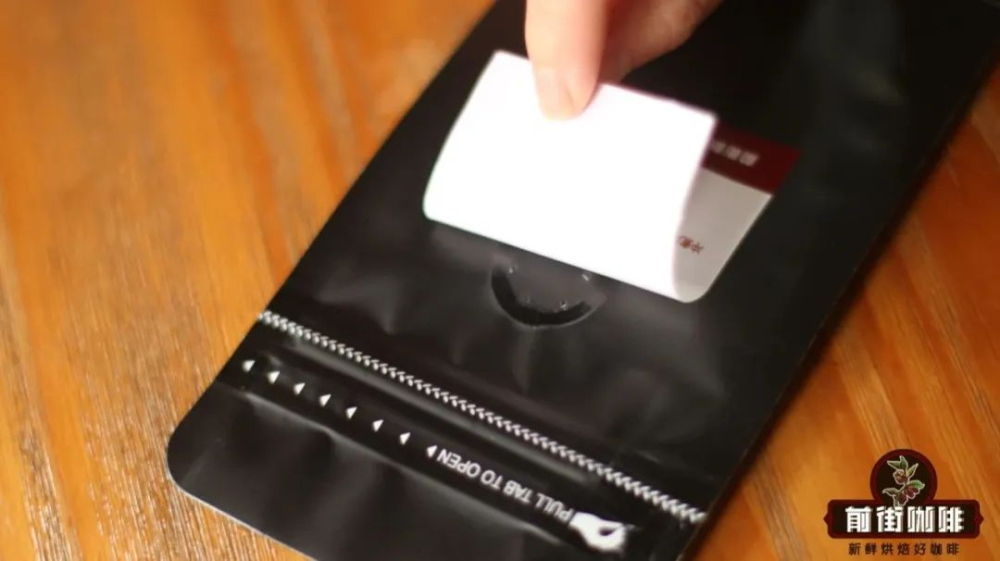
Once coffee beans are ground into powder, the situation changes significantly. The intact structure of whole beans allows for a slow release of carbon dioxide, but once ground, the increased surface area of the powder leads to rapid escape of carbon dioxide and volatile aromatic compounds, thereby shortening the flavor preservation time.
To explore the actual flavor shelf life of ground coffee, we conducted a comparative experiment: we ground the same batch of Panamanian Boquete Geisha beans at 30 days, 21 days, and 14 days post-roast, stored them sealed under the same conditions, and then performed brewing tests. The results showed that under sealed conditions and with minimal openings, ground coffee could still retain decent flavor within three weeks of grinding, but the aroma would gradually decline each day; after exceeding one month, the aroma almost completely dissipated, leaving only a flat “coffee taste.”
Therefore, if you purchase a large quantity of pre-ground coffee at once, it is recommended to use multiple sealed jars or bags to portion the coffee, opening only the amount needed for that day’s brew to avoid aroma loss caused by frequent openings.
To more intuitively understand how the flavor of ground coffee changes over time, we further observed a pack of washed Yirgacheffe (roasted on December 29, 2024) over several days after grinding. The experiment found that freshly ground coffee had a dry aroma full of white floral notes, citrus fruitiness, and honey sweetness. During the bloom, the coffee layer expanded noticeably, and the brewed cup exhibited bright notes of orange peel, lemon, pears, and plum acidity, with a finish of sunflower seeds, caramel, and green tea as the temperature dropped—showcasing bright acidity and rich layers.
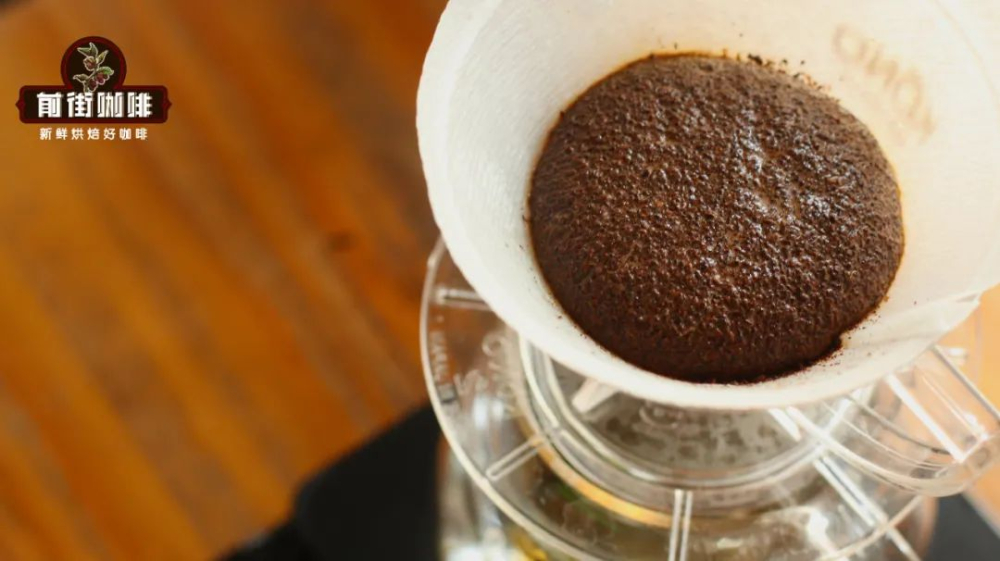
However, just one day later, the dry aroma of the coffee shifted mainly to citrus and lemon peel, with floral notes significantly weakened and the emergence of nutty and milk candy aromas. While the brewed cup still had sweet orange and pomelo acidity and sweetness, the overall profile was less vivid than initially, with a caramel sensation and green tea finish upon tasting.
By the third day, the dry aroma further transitioned into a mix of honey, citrus, and nuts. The bubbling during bloom and extraction noticeably decreased, and the flavor was dominated by pomelo and lemon, with acidity no longer bright and caramel notes becoming more prominent. It is evident that as time progresses, ground coffee not only loses aroma but also undergoes clear changes in its basic flavor profile.
These observations indicate that once coffee is ground, not only does carbon dioxide dissipate quickly, but volatile aromas also diminish over time and with increased exposure to air. Especially for medium to light roasted coffees that emphasize fruity and floral notes, flavor loss occurs even faster—potentially losing most of their essential aromatic qualities within just a few hours of grinding.
Therefore, if you’re pursuing the most original and richest flavor expression from your coffee, it is recommended to invest in a suitable grinder and grind your beans right before brewing—only then can you truly experience the exceptional flavor layers of pour-over coffee.
The above content is compiled by CoffeeHunters, a coffee news website.


