








Introduction:The coffees from Colombia’s Huila region are renowned for their delicate and balanced flavors, making them especially suitable for beginners practicing pour over. This washed Caturra bean from high altitudes features distinct notes of chocolate, caramel, and nuts, with fruit acidity becoming more pronounced as it cools. This article delves into the geographical advantages of the Huila region and offers professional-grade pour over recommendations to help you consistently extract a rich and mellow cup using simple equipment.
In the world of specialty coffee, Colombia’s Huila region has always been a name that cannot be ignored. The beans from this area are celebrated for their balanced acidity and sweetness, along with rich aromas of chocolate and caramel, making them particularly ideal as practice beans for those new to pour over. The Caturra variety grown locally, processed through the washed method, and roasted to a medium-to-dark level further highlights the robust textures of nuts and caramel.

As one of the world’s top coffee-producing countries, Colombia boasts exceptionally favorable growing conditions. Its territory is traversed by the Andes Mountains, and the varied terrain creates diverse microclimates. Coupled with high-altitude environments and volcanic soils rich in minerals, these factors provide an ideal setting for Arabica coffee. Among these, Huila Province, located in the southwestern part of the country, may have relatively modest infrastructure but remains an important hub for high-quality coffee beans.
To understand what makes Huila coffee unique, we must first look at the history of coffee in Colombia. Records indicate that coffee was introduced to the country by Jesuit priests around 1723, but large-scale cultivation only began in the late 19th century. By 1912, coffee had become a significant cash crop in Colombia, accounting for half of its imports. Unlike other regions, Colombia places particular emphasis on brand marketing — figures such as “Juan Valdez” and his mule have become international symbols representing the country’s coffee.

Colombia has numerous coffee-growing regions, among which Medellin, Armenia, and Manizales — collectively known as “MAM” — are relatively well-known traditional areas. However, specialty coffee enthusiasts tend to favor the southern high-altitude regions, such as San Augustin in Huila Province and Popayan in Cauca Province, where elevations generally exceed 1,500 meters. Coffees from these areas often exhibit bright acidity with berry-like notes, alongside caramel sweetness.
Focusing on the Huila region, its geography is surrounded by the central and eastern parts of the Andes Mountains, with most farms located around the Magdalena Valley at altitudes between 1,200 and 1,800 meters. According to data from the Colombian Coffee Growers Federation (FNC), temperatures here typically remain between 17 and 23 degrees Celsius. Combined with volcanic soils rich in nitrogen, these conditions yield coffee beans with a delicate, smooth mouthfeel and a substantial body. Especially after washed processing, the Caturra variety often displays prominent notes of nuts, chocolate, and caramel, with acidity well-balanced, resulting in an overall elegant and harmonious flavor profile.
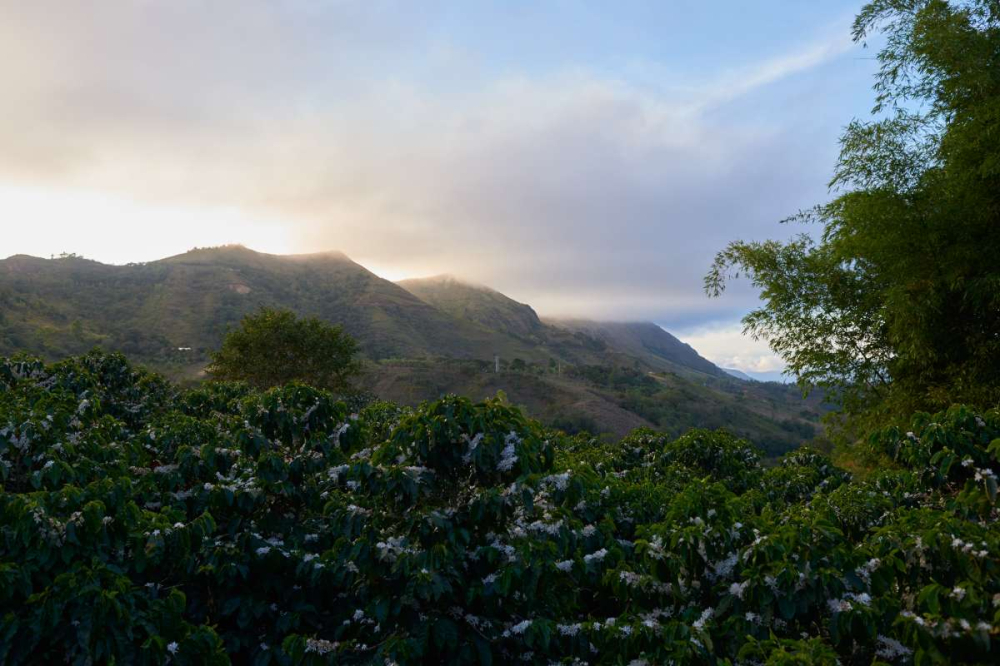
The washed Huila coffee bean featured in this article comes from a planting area at elevations of 1,500–1,800 meters, using the Caturra variety and traditional washed processing. Compared to beans from other Colombian regions, it is roasted slightly darker, which helps enhance the lingering notes of chocolate and caramel while still preserving subtle hints of fruit acidity even at lower temperatures. For pour over beginners, this flavor profile is not only easy to identify but also helps train sensitivity to extraction parameters.
So, how can you consistently extract the flavors of this coffee at home? Below is a set of tried-and-tested reference parameters and techniques suitable for enthusiasts using standard pour over equipment:
[Recommended Equipment] KONO dripper
[Water Temperature] 88°C
[Coffee-to-Water Ratio] 1:15 (e.g., 15 grams of coffee to 225 grams of water)
[Grind Size] Approximately 80% passing through a Chinese Standard No. 20 sieve (medium-coarse, similar to fine sugar granules)
[Pour Over Steps]
1. Start by pouring 30 grams of hot water for a 30-second bloom to activate the release of aromatic compounds from the coffee grounds.
2. Then, pour water in small circles, and when the total water volume reaches 125 grams, pause pouring and proceed to the first pause.
3. When the water level gradually drops and is about to expose the coffee bed, pour again until the total volume reaches 225 grams, then wait for all the water to completely drip through the dripper.
4. Keep the total extraction time around 2 minutes (starting from the bloom).
Please note that these parameters are designed to standardize the output. During actual brewing, you can fine-tune the water temperature, grind size, or pouring speed based on your personal taste to find your ideal balance.
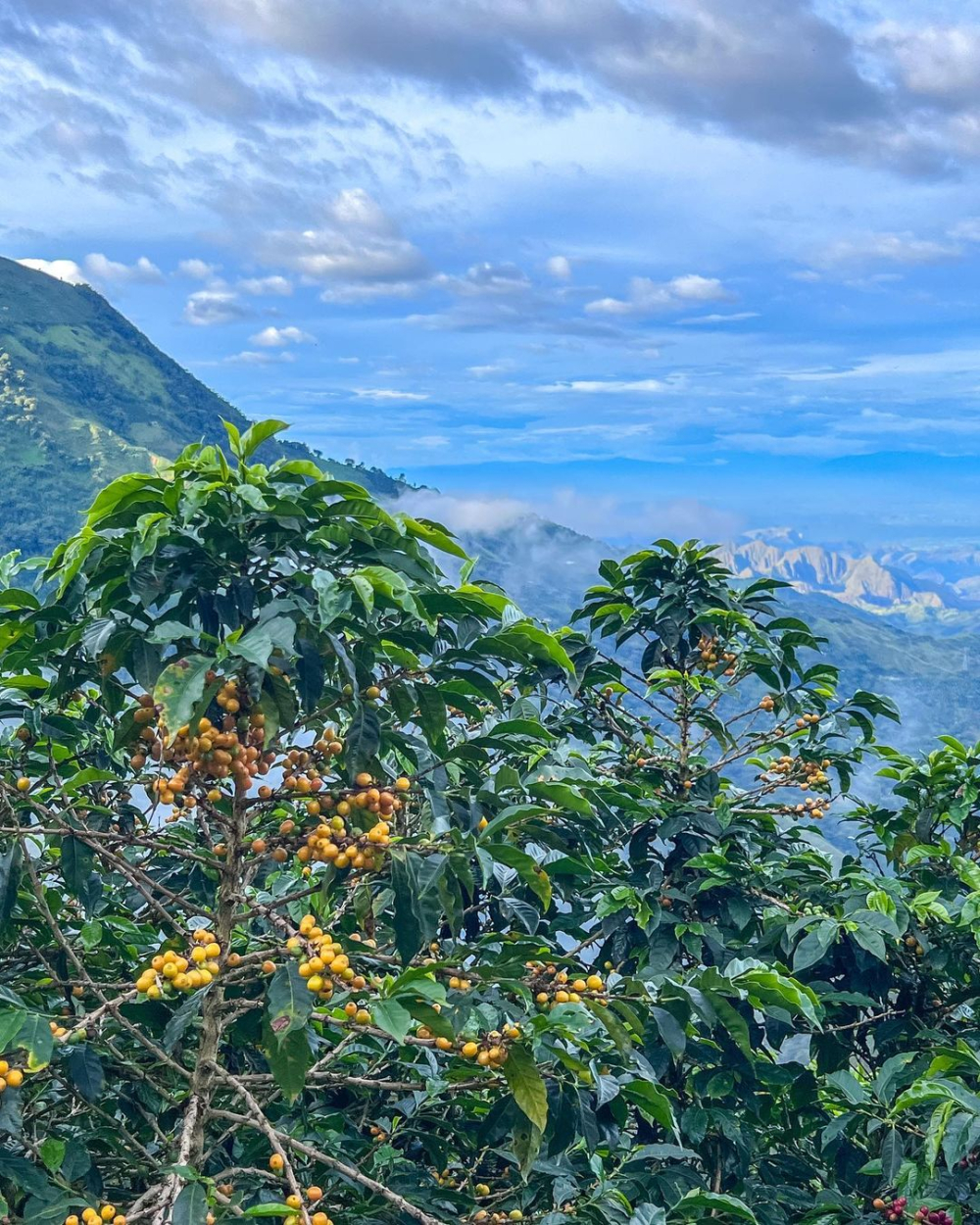
Finally, a quick note: this everyday coffee bean uses the Caturra variety because it is widely planted in Central America, with stable and easily recognizable flavor profiles. However, Colombia also grows many other distinctive varieties, such as Bourbon, Typica, Caturra, Tabi, Colombia, Maragogype, and even competition standouts in recent years like Sidra and Pacamara, all of which are worth further exploration.
The above content is compiled by CoffeeHunters, a coffee news website.


