







Introduction:Delve into Bolivia, a high-altitude yet low-yield coffee nation — from the rare Geisha and Java varieties, to the rugged Yungas growing region, and the specialty coffee revolution driven by the Rodríguez family. This article explores Bolivia’s coffee history, regional characteristics, varietal evolution, and innovative processing methods, along with an in-depth look at the unique flavor profile and pour over recommendations of a cocoa natural Java bean from the Vallecito Estate.
When Bolivia is mentioned, many think of the majestic Andes Mountains and the ancient Inca civilization. But for coffee enthusiasts, this landlocked South American country is also a hidden gem for high-altitude specialty coffee. Although Bolivia currently produces only about 223,000 60kg bags of coffee annually — a relatively small output on the global market — it has repeatedly impressed with outstanding flavor profiles, especially in international competitions. For example, at the 2017 World Barista Championship (WBC), Japanese barista Miki Suzuki earned second place in the world using a Bolivian Geisha coffee bean, celebrated for its delicate layers of flavor and rich, lingering finish. Beyond Geisha, Bolivia also cultivates another variety closely related to it — Java Nica — which delivers equally stunning flavors.
Located in the heart of South America, Bolivia is a landlocked country bordered by nations such as Brazil and Peru. Its terrain is highly diverse, stretching from towering Andes mountains to vast salt flats and plateaus. With an average elevation exceeding 3,000 meters, its capital, La Paz, sits over 3,600 meters above sea level, making it the highest capital city in the world. Such high-altitude conditions are theoretically ideal for growing premium coffee. Yet, Bolivia’s coffee industry has long struggled with persistently low yields. During cupping sessions, one brand noted that Bolivian coffees generally exhibit pronounced sweetness and smooth acidity, with rich and layered flavor profiles.
The reasons behind the low yield are rooted in multiple structural challenges. First, the transportation infrastructure is underdeveloped, particularly in the main coffee-growing region of Yungas, where roads are treacherous. The North Yungas Road, dubbed the “Death Road,” features narrow lanes, lack of guardrails along cliff edges, and frequent heavy fog, resulting in numerous traffic accidents each year that severely hinder coffee transport. Though the government has invested in road improvements in recent years, the benefits are still unfolding. Second, Bolivia has a population of only about 10.5 million, many of whom live in poverty. The economic returns from growing coca leaves (used for drug production) far exceed those from coffee, prompting many farmers to abandon coffee cultivation or leave their land fallow. Coca farming also causes irreversible damage to the soil. Adding to these issues, a severe outbreak of leaf rust disease in 2013 caused Bolivia’s coffee output to plummet by 50% within just one year, compounding the challenges and reducing this once-promising region to a minor producer.
Looking back at history, Bolivia had a sizable coffee industry in the 1880s, primarily centered around large farms north of La Paz. In 1991, the government introduced policies to encourage indigenous coffee farming, but without a focus on quality improvement — and while simultaneously promoting coca cultivation — leading to a mass shift away from coffee. From the late 1990s to the early 2000s, the United States provided agricultural aid to Bolivia through USAID, but relations soured due to the government’s insistence on supporting the coca industry, ultimately harming coffee farmers. It wasn’t until 2004, with support from USAID, that Bolivia hosted its first Cup of Excellence (COE) competition. That year, 13 coffees scored over 84 points, with the champion reaching an impressive 90.44 points, highlighting its specialty potential. However, due to political factors, Bolivia has not participated in COE since 2009. The 2013 leaf rust outbreak, combined with longstanding unfavorable policies, led to a 70% drop in coffee production over the following decade, making the path to specialty coffee development extremely challenging.
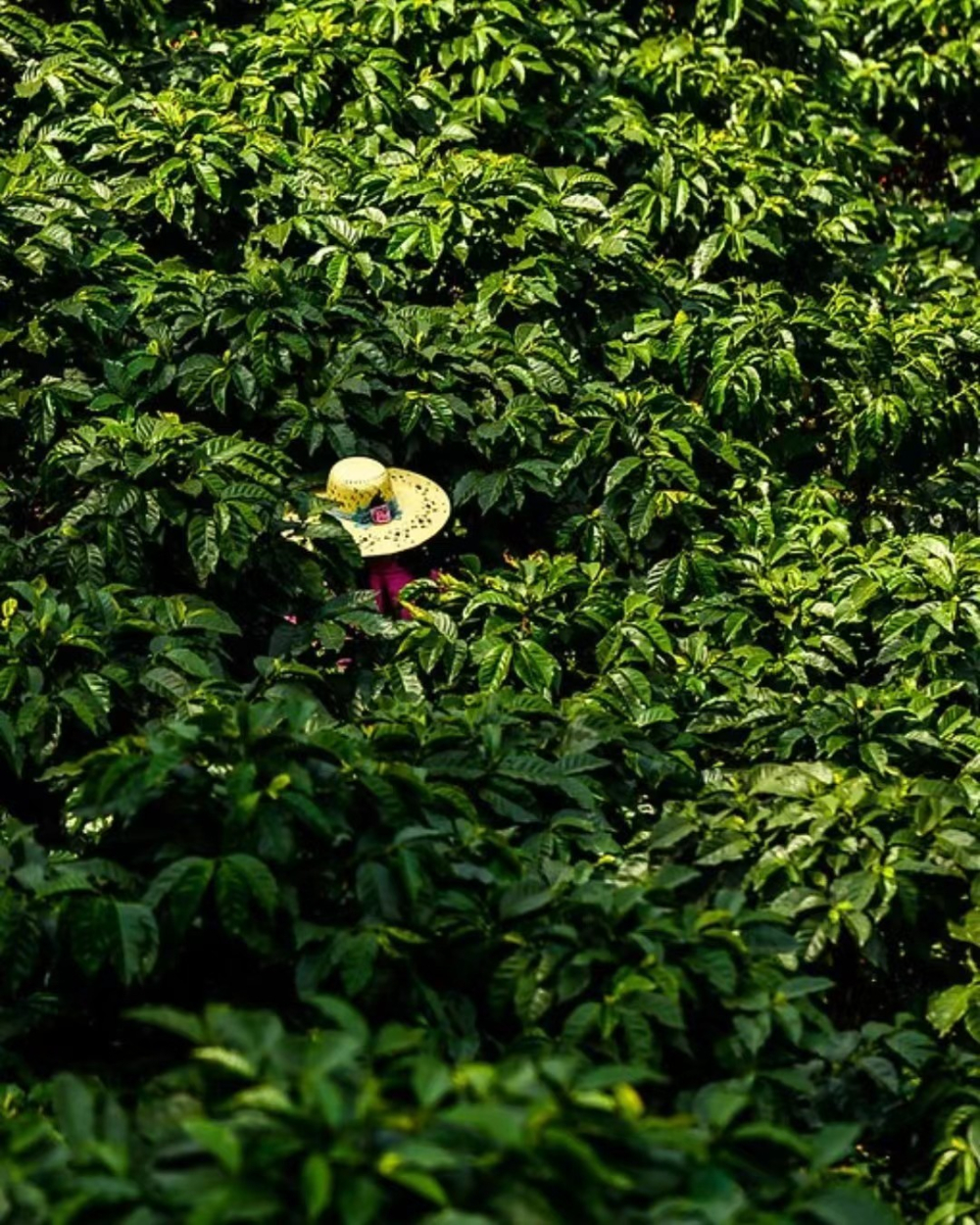
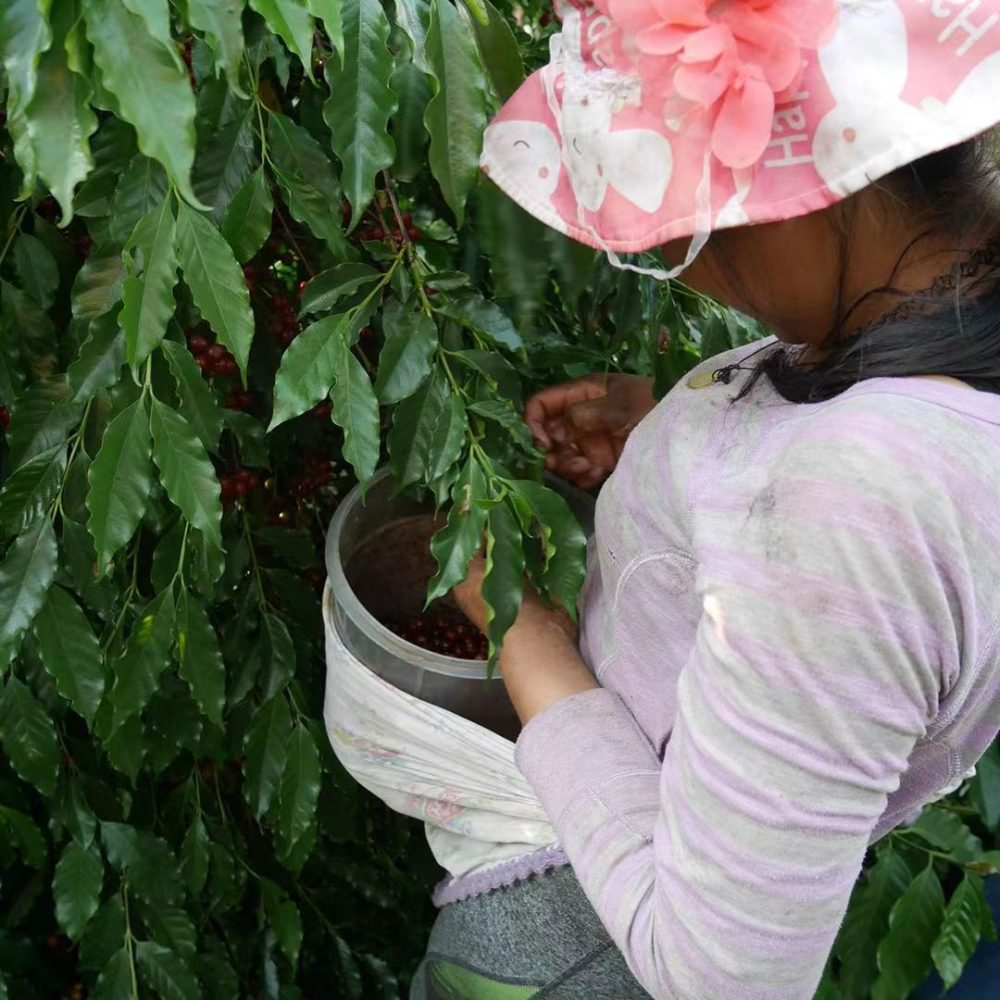
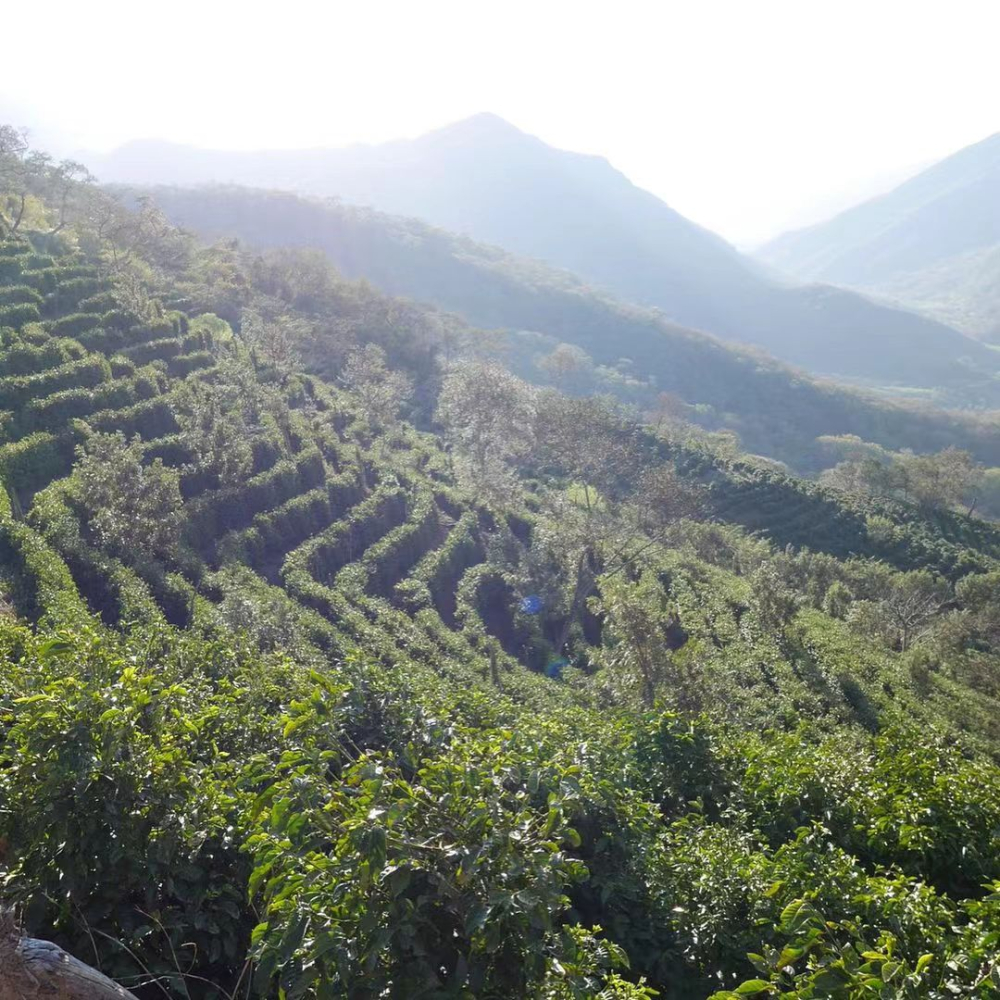
Currently, most of Bolivia’s coffee comes from small family farms. The country has approximately 23,000 coffee growers, each managing just 1.2 to 8 hectares of land scattered across mountainous slopes. The main producing region is Yungas, accounting for 95% of national output, with altitudes ranging from about 800 to 2,300 meters and a harvest season from July to November. As Bolivia’s oldest coffee-growing area, Yungas also serves as a model for high-altitude coffee. While there is some cultivation in La Paz to the west of the region, as well as in areas like Santa Cruz and Beni, the lower altitudes there result in a smaller proportion of high-quality beans.
When discussing the driving forces behind Bolivia’s specialty coffee movement, the Rodríguez Family must be mentioned. Since 1986, this family has been dedicated to coffee cultivation. Facing challenges such as land reforms, policy restrictions, and natural disasters, they chose to acquire land, establish new estates, and focus on producing high-quality specialty coffee — including the much-lauded Geisha and Java varieties. The Rodríguez Family owns 12 estates, four located in Santa Cruz and eight concentrated in the Caranavi region of La Paz. They have also achieved full vertical integration, managing everything from harvesting and processing to packaging and exporting.
In 2016, the Rodríguez Family launched the “El Sol de Mañana” (The Morning Sun) initiative, aimed at helping smallholder farmers improve coffee quality. The program provides professional training, subsidies for purchasing high-quality seedlings, technical consultations, and fair-price purchases of coffee. It also includes incentive mechanisms to reward farmers who achieve target cupping scores, creating a positive cycle between quality and income. One brand cupped a washed Java Typica from this program, noting a soft acidity reminiscent of strawberries, caramel sweetness, and a finish with delicate notes of cocoa and almonds.
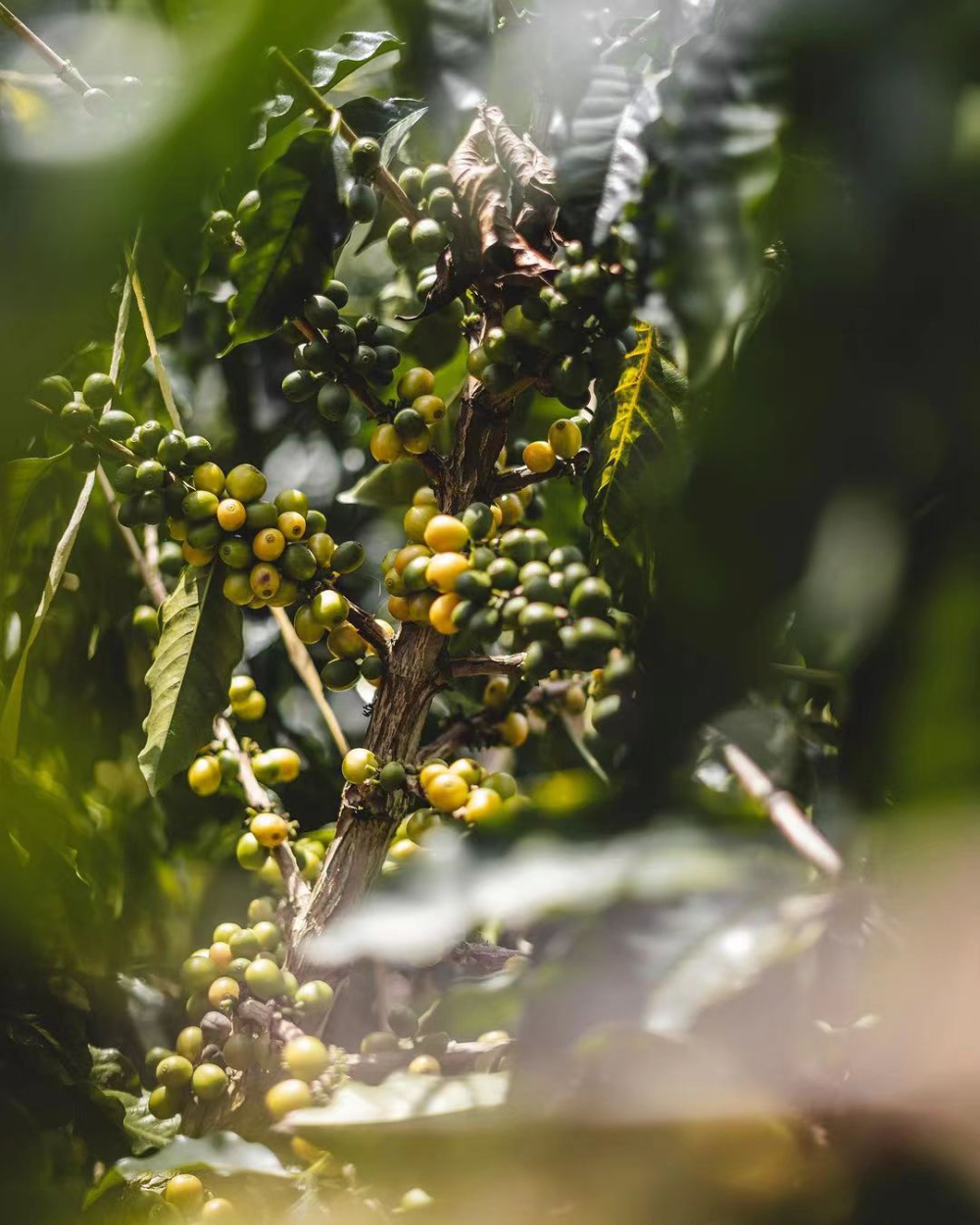
In terms of varieties, Bolivia historically grew traditional types such as Typica, Catuai, and Red & Yellow Caturra. In recent years, with the rise of the specialty coffee trend, more farms have introduced varieties like Geisha, Pacamara, and SL28. Among them, the Geisha grown by the Rodríguez Family originates from the renowned El Injerto Estate. Java (Java Nica), on the other hand, is an ancient variety derived from the Abyssinian lineage of Ethiopia and shares a common origin with Geisha. It boasts intense floral and fruity notes, often referred to as Geisha’s “cousin.” It’s important to clarify that this “Java” does not come from Indonesia’s Java Island. Instead, it was cultivated in Cameroon in the 1980s, introduced to Costa Rica by CIRAD in 1991, and subsequently spread across Central and South America. In high-altitude environments, this variety demonstrates exceptional flavor potential. It gained the name JAVA NICA after being promoted in Nicaragua by the Mierisch family.
This year, one brand cupped a cocoa natural Java coffee bean from Bolivia’s Vallecito Estate (Waliki Estate), grown in the Polindara community about 10 kilometers outside of Caranavi town in La Paz Province, at an altitude exceeding 1,600 meters. The region’s cold climate and long coffee growth cycle contribute to flavor accumulation. This coffee was processed using the Rodríguez Family’s proprietary “Cocoa Natural” method. In this process, after selection and washing, the coffee cherries are placed on African-style raised beds to dry, being turned hourly to ensure even drying. After about a week, they are moved to a cocoa dryer, where they are slowly dried at a constant temperature below 40°C for approximately 35 hours. This greatly reduces the impact of weather on the drying process. Finally, the beans undergo precision hulling and manual sorting to ensure the highest quality of each individual bean.
For roasting recommendations, to highlight the Java variety’s distinctive aromatics and juicy character, one brand opted for a light roast to preserve its floral-fruity notes and delicate acidity. Below is the cupping profile for this coffee:
Dry Aroma: Fermented notes accompanied by the sweetness of ripe grapes
Wet Aroma: A blend of honey and subtle floral scents
Flavor: Flavors of grape, citrus, honey, nuts, and a creamy, silky mouthfeel
One brand recommends using a slightly higher water temperature (around 92–94°C) and a medium-fine grind for pour over to fully extract its nuanced flavors. Upon brewing, this coffee reveals a slight fermentation character, clear grape notes, moderate acidity, and a juicy mouthfeel, with a finish marked by nutty and floral undertones. It is a highly distinctive high-altitude specialty coffee.
The above content is compiled by CoffeeHunters, a coffee news website.


