







Introduction:Delve into the washed coffee beans of Ethiopia's Sidamo region, with a special focus on the renowned Huila Estate beans. This guide covers regional characteristics, flavor profiles, ideal roast levels, and brewing methods, offering practical tasting and extraction advice. It will help you master the unique personality of Sidamo washed beans, whether you're using them for pour over or espresso applications.
Sidamo is located in the high-altitude southern part of Ethiopia, bordering Kenya, and is one of the internationally acclaimed specialty coffee regions. The terrain here is diverse, encompassing mountains, plateaus, valleys, and plains. The area’s volcanic soil is rich in nutrients and well-draining, providing an ideal environment for coffee trees. Most local coffee farmers practice traditional garden-style cultivation, intercropping various native varieties, which contributes to the unique flavor profile of each batch.
Washed Sidamo coffee beans are known for their bright acidity, delicate fruitiness, and elegant aftertaste. These coffees often feature layers of citrus, stone fruits, honey, and subtle cocoa, achieving a balanced sweetness and acidity, along with a smooth mouthfeel and distinct layers.They are versatile in roast suitability—light to medium roasts particularly highlight single-origin characteristics, while medium to dark roasts can serve as excellent bases for blends or espresso.With proper brewing techniques, their vibrant citrus notes and refined creamy aromas can be further accentuated.
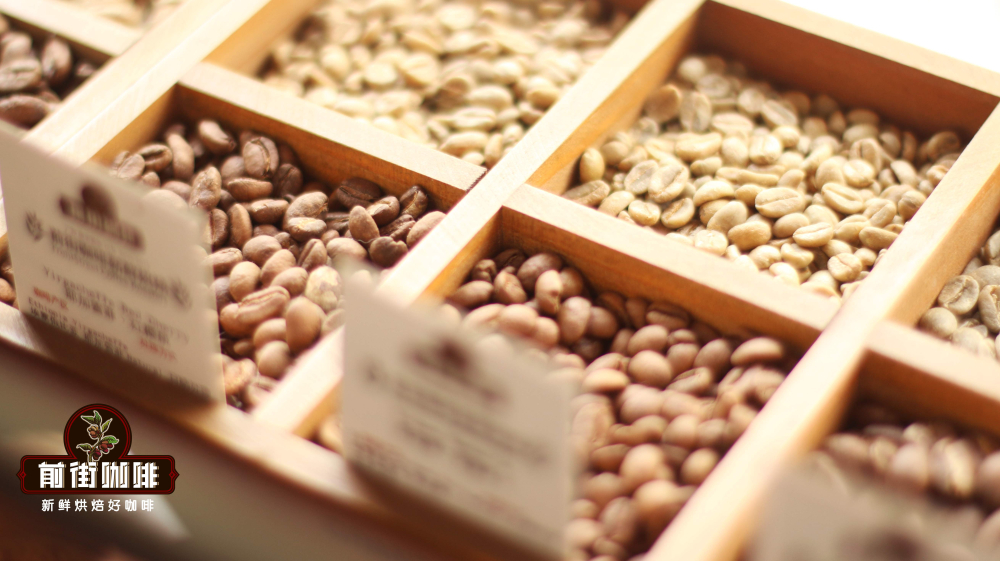
Among the many coffees from the Sidamo region, the washed beans produced by the Huila Estate (Hambella) stand out, especially the Huila 11, which has received widespread acclaim for its clear berry acidity, full body, and floral undertones. These beans appear light green in color, are slightly small and oblong in shape, and belong to the typical G1 grade. They undergo rigorous screening during processing to ensure consistent quality.
The washed processing method highlights a cleaner, brighter citrus character in Sidamo coffee, often accompanied by nutty creaminess and a hint of cocoa in the finish. Upon tasting, a mild acidity unfolds, quickly brightened by distinct lemony fruit notes, with a dense mouthfeel and a sweet, lingering aftertaste that forms a highly distinctive flavor profile. Compared to natural processed Sidamo, washed versions exhibit more direct acidity while retaining a smooth body and fine texture.
In contrast, naturally processed Sidamo beans take on another style, often characterized by abundant floral notes, sweet-tart tropical fruits, and a silky-smooth mouthfeel. For example, items like the Sidamo Natural Alo and Harmasu offered by certain coffee shops showcase intense fruitiness and soft acidity, making them ideal for those who enjoy pronounced sweetness and complex aromatic layers.
The diverse flavors of Sidamo coffee are closely tied to its varied microclimates, rich soil types, and countless native coffee varieties. The region’s deep volcanic soils are high in organic matter and rely on natural humus cycles for nutrient supply, resulting in uniquely characteristic coffees from different villages and altitude zones. According to past international evaluations, between 2010 and 2012, Sidamo repeatedly scored between 92 and 94 from the authoritative U.S. coffee website CR, proving its green bean quality has reached international specialty-grade standards.
In terms of actual cultivation conditions, Sidamo coffee is primarily grown in highland areas ranging from 4,600 to 7,200 feet (approximately 1,400 to 2,200 meters) above sea level, making it a classic high-altitude specialty coffee growing zone. This elevation not only slows the ripening process of coffee cherries but also promotes the accumulation of flavor compounds, resulting in more pronounced acidity, complex aromas, and better sweetness. Generally, coffees from this region are notably sweet, approachable, and very suitable for consumers new to Ethiopian coffee. Annual production is approximately 225,000 bags (each bag weighing 60 kilograms).
During processing and drying, Sidamo coffee beans are typically spread on raised mesh wooden beds and turned manually by workers to ensure even drying. This step is crucial for preserving fruitiness and developing sweetness. Especially for premium G1 grade beans such as Huila, the selection and processing are strictly controlled to ensure the best possible flavor expression in the final cup.
If you wish to brew Sidamo washed beans at home, it is recommended to use a medium-light roast batch and employ a pour over or filter brewing method to best highlight its bright citrus and stone fruit acidity. Use a medium-fine grind (similar to the size of fine sugar grains), control water temperature between 90–93°C, and apply a pulse pouring technique—starting with a 30-second bloom, followed by steady circular pouring. The total extraction time should ideally be between 2 minutes 30 seconds and 3 minutes, allowing its layered aromas and refined mouthfeel to fully develop.
In summary, Ethiopian Sidamo washed coffee beans, whether from the Huila Estate or other G1 grade beans, showcase the region’s distinctive flavor charm—from refreshing citrus tones and enchanting florals to soft body and subtle sweetness in the aftertaste—making them premium specialty coffee choices worthy of in-depth exploration.
The above content is compiled by CoffeeHunters, a coffee news website.


