







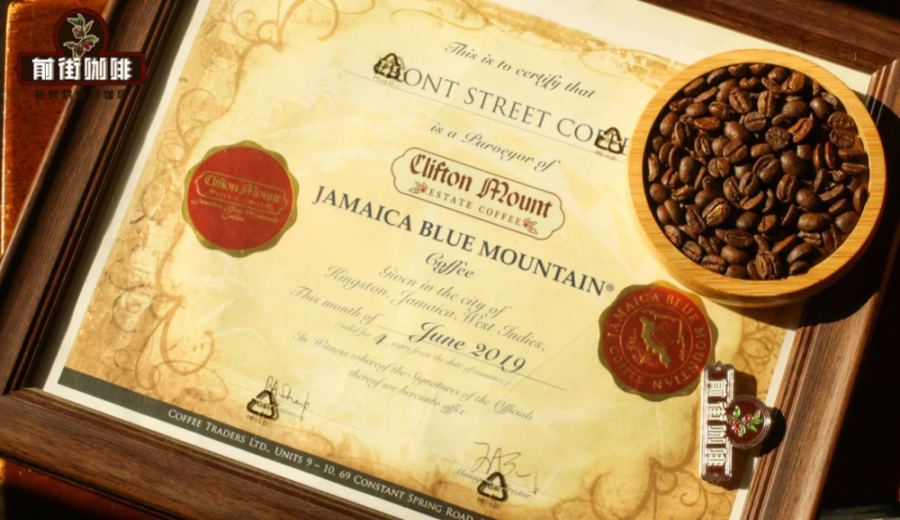
Introduction:Jamaica Blue Mountain coffee is one of the representatives of global specialty coffee, renowned for its balanced and elegant flavor profile as well as its strict grading system. This article provides an in-depth analysis of the grading standards of Blue Mountain coffee, tips for identifying authenticity, the current market price situation, and offers professional pour over brewing recommendations to help you fully grasp the essence of this legendary coffee.
Blue Mountain coffee can be considered a legend in the world of specialty coffee. With its unique flavor profile and high-standard quality control, it has long been highly regarded by coffee enthusiasts around the globe. However, there are many claims in the market regarding its high price, scarce supply, and difficulty in distinguishing authenticity. This article will start from the historical background of Blue Mountain coffee and systematically introduce its grade classification, flavor characteristics, market status, along with practical pour over parameters to help readers establish a comprehensive understanding.
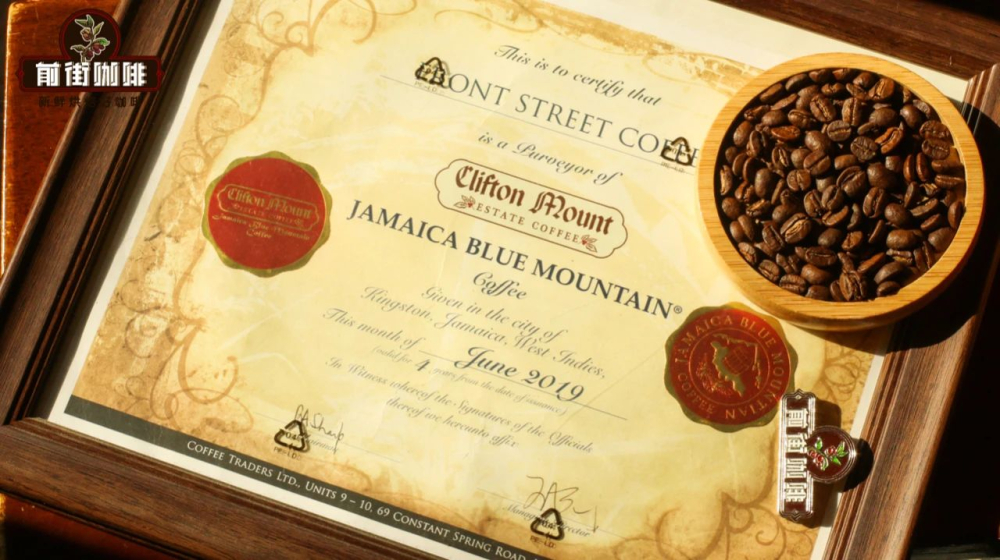
The reason why Jamaica Blue Mountain coffee is so famous goes beyond its unique geographical environment, and is also due to its strict grading system. The coffee beans from this producing region are mainly divided into three major categories: Blue Mountain Coffee, Jamaica High Mountain Supreme Coffee Beans, and Jamaica Prime Coffee Beans. Among them, Blue Mountain Coffee and Jamaica High Mountain Supreme Coffee Beans are each further subdivided into two grades, with the overall quality ranking as follows: Blue Mountain No. 1 > Blue Mountain No. 2 > High Mountain No. 1 > High Mountain No. 2 > Jamaica Prime Coffee Beans. If categorized by green bean specifications, they include NO.1, NO.2, NO.3, and peaberry (PB). The higher the grade, the more refined the flavor and the relatively higher the price.
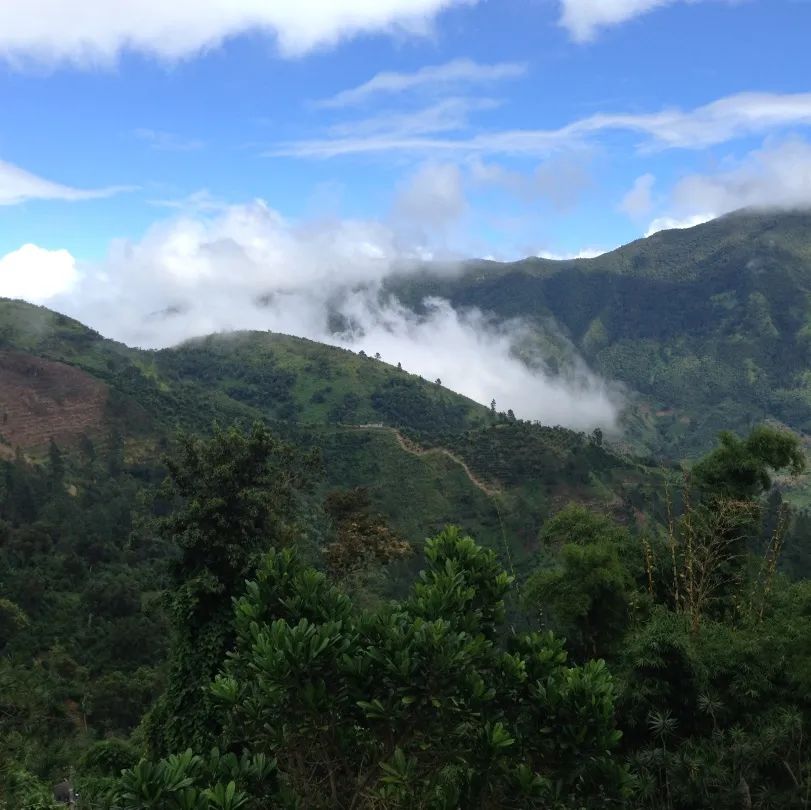
According to the regulations of the Jamaica Coffee Industry Board (CIB), the green beans of Blue Mountain No. 1 must meet multiple strict criteria, including a bean size of 17 mesh or above, a defect rate of less than 3%, and a moisture content controlled at around 13%. Only by meeting these standards can the purity and consistency of the final flavor be ensured. It is worth mentioning that the commonly seen "Blue Mountain blends" or products marketed as having a "Blue Mountain flavor" on the market are mostly just commercial marketing tactics, and not actually coffee beans from the Blue Mountain producing region. Consumers should pay special attention to packaging labels when making purchases to avoid being misled.
Regarding the issues of Blue Mountain coffee’s price and supply, there was indeed a past claim of a "Japanese market monopoly." Many years ago, Japan obtained the right of priority purchase from the Jamaican government, resulting in up to 90% of Blue Mountain coffee beans flowing into Japan. However, this agreement was officially terminated in 2011, and since then, the trade channels for Blue Mountain coffee have been fully opened. In addition, media reports in earlier years claimed that it was difficult to obtain authentic Blue Mountain coffee domestically, but with the establishment of legal import channels, consumers can now purchase Blue Mountain No. 1 coffee beans from Jamaica through official channels. Taking the commonly available 100-gram pack as an example, its price is around 150 to 200 yuan, which, while higher than that of general specialty coffee, is not as prohibitively expensive as rumored.
As for flavor performance, Blue Mountain coffee is known for its ultimate sense of balance. Its typical flavor profile includes a gentle chocolate note, nutty aroma, delicate creamy texture, and a subtle cocoa aftertaste. These characteristics allow it to deliver a layered taste experience whether enjoyed as a black coffee or with milk. Many coffee critics describe Blue Mountain coffee as the "perfect coffee that combines all the advantages," and its low caffeine content (about half that of regular coffee beans) also aligns with the trend of modern healthy eating.
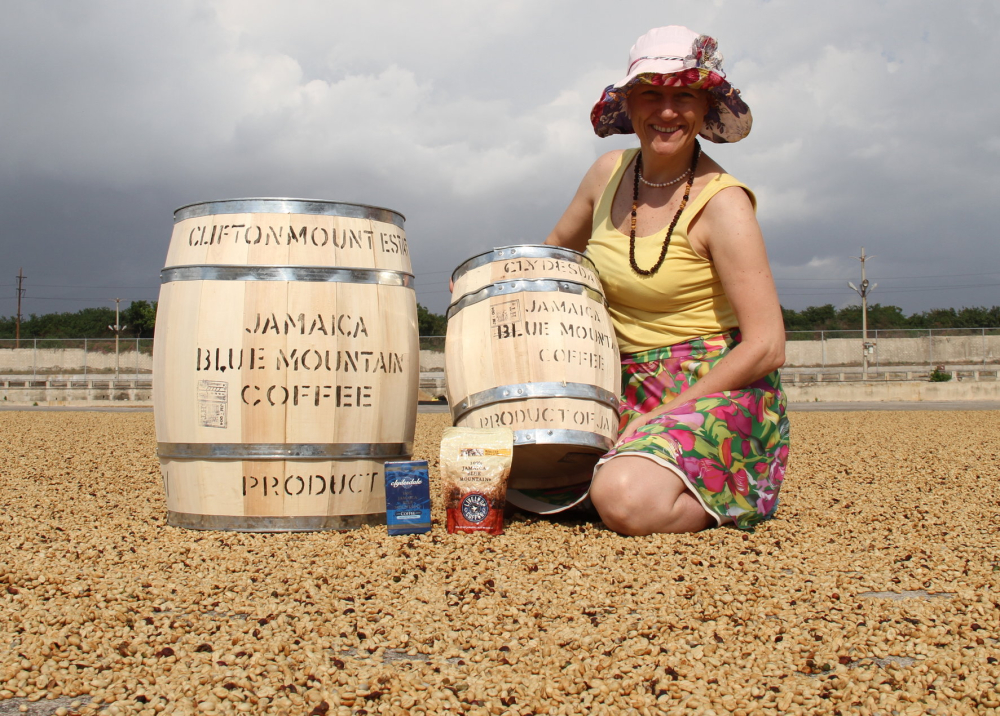
Taking the Blue Mountain No. 1 produced by the Clifton Estate in Jamaica as an example, these coffee beans are grown at an altitude of about 1,310 meters, processed using the washed method, and are of the traditional Typica variety. According to professional cupping evaluations, its flavor performance is particularly outstanding after dark roasting: the first impression is a distinct black chocolate and nutty aroma, followed by a rich body and a balanced acidity and sweetness. The coffee has a high level of cleanliness, good brightness, and no noticeable defective flavors, fully showcasing the classic traits of Blue Mountain coffee.
If you wish to brew high-quality Blue Mountain coffee at home, it is recommended to use the pour over method to fully highlight its delicate flavors. It is suggested to use freshly roasted coffee beans (within 5 days of roasting), and let the beans rest for 4 to 7 days after arrival to complete the degassing period. The specific brewing parameters are as follows: use 15 grams of coffee grounds, a 1:15 coffee-to-water ratio, water temperature controlled at 88°C, and a grind size of about 70% passing through a 20-mesh sieve. It is recommended to use a KONO filter cone and adopt a three-stage pouring method: the first stage is a 30 ml bloom pour to activate the coffee grounds; the second stage is a 100 ml pour to bring out the flavors; and the final stage is a slow 95 ml center pour to ensure even extraction. After brewing, gently swirl the coffee liquid in the filter cone, and you can enjoy a cup of Blue Mountain coffee with a balanced flavor.
The above content is compiled by CoffeeHunters, a coffee news website.


