







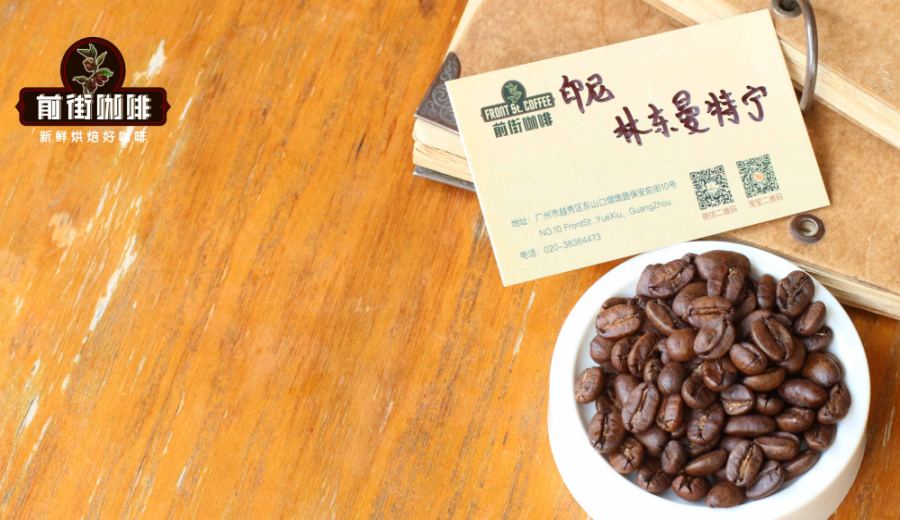
Introduction:Sumatra Mandheling is renowned for its bold, low-acid profile and herbal aroma, with G1-grade beans being a top choice among specialty coffee enthusiasts. This article delves into the differences between the Aceh and Lintong regions, the impact of the wet-hulling process on flavor, and the stringent selection criteria for PWN Golden Mandheling. It also provides pour-over parameters for medium-dark roasted Mandheling, including grind size, water temperature, and a three-step pouring technique to help you avoid burnt bitterness and extract a rich caramel sweetness.
Sumatran coffee holds a unique place in the specialty coffee world, especially Mandheling beans, which consistently deliver a bold, low-acid experience with herbal and spicy notes. This distinctive flavor profile stems not only from the region’s exceptional terroir but also from Indonesia’s signature wet-hulling process. This article will guide you through the region’s history, processing methods, and hands-on brewing techniques to fully appreciate the essence of Sumatran Mandheling.
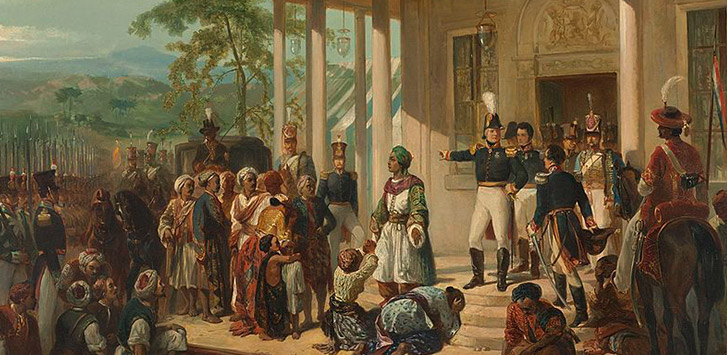
To understand Sumatran coffee, we must start with its colonial history. Although Indonesia is not the birthplace of coffee, European powers introduced coffee seedlings to their colonies in the 17th century to meet growing demand. The Dutch East India Company played a key role, successfully cultivating coffee on Java Island after two attempts before expanding to Sumatra and Sulawesi. However, the early 20th-century rust disease devastated Arabica plantations on Java, leading to a shift toward more disease-resistant Robusta. Despite this, Indonesia remains a major global coffee producer, ranking among Asia’s top Arabica producers.
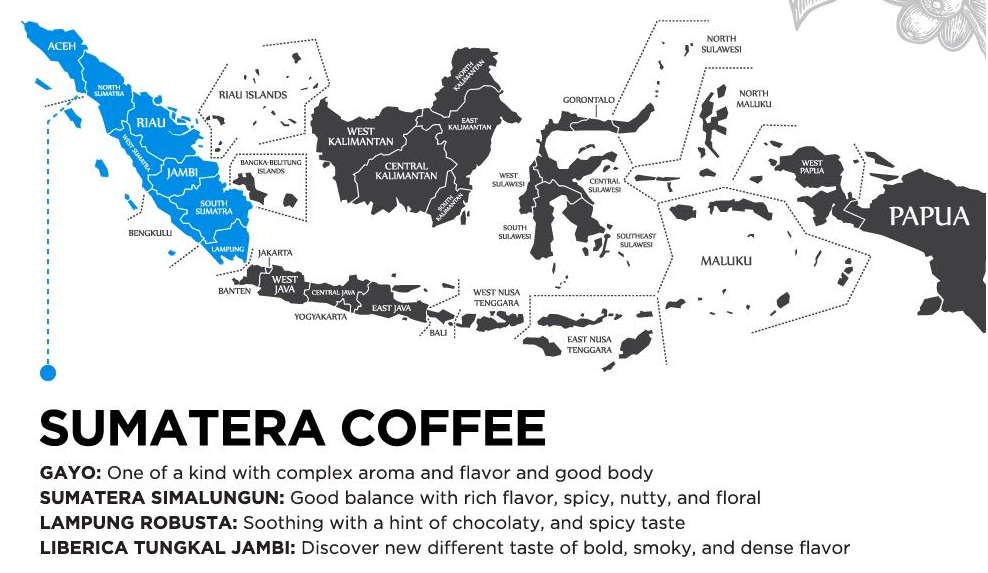
The heart of Sumatran coffee lies in the island’s northwest, particularly the Aceh region in North Sumatra and the Lintong area near Lake Toba in North Sumatra Province. As the traditional hub of Mandheling, Lintong employs the local wet-hulling process, giving its beans a bold, full-bodied character with herbal and caramel notes. In contrast, Aceh is a newer player but has seen steady production growth since Arabica trees were introduced in 1924. Its high altitude and favorable microclimate make it a promising region, even amid climate change threats.
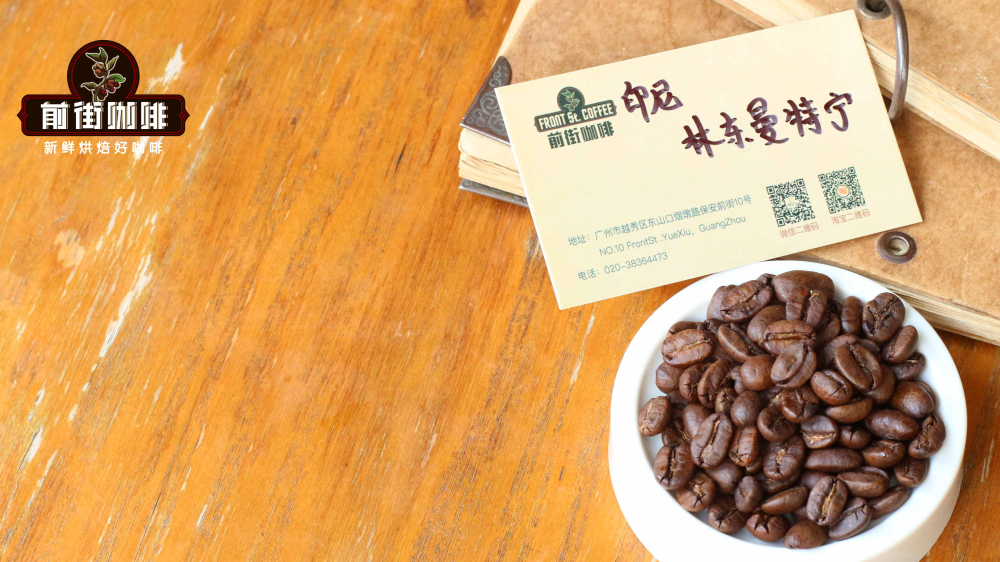
Many coffee drinkers are first drawn to Mandheling by its deep-roast profile, which highlights intense notes of nuts, dark chocolate, roasted chestnuts, and spices. These classic flavors shine in medium-dark roasted Mandheling, paired with a creamy, caramel-like mouthfeel and a sweet, lingering finish—making it ideal for those who prefer strong black coffee.
So why do most commercially available Mandheling beans use medium-dark roasts? The answer lies in Sumatra’s unique wet-hulling process. This method removes the outer parchment layer before the beans are fully dry, exposing them to high humidity and creating distinctive herbal and woody aromas—but also increasing the risk of defects. Dark roasting amplifies the bean’s inherent flavors while masking processing-related impurities. Additionally, early Japanese market preferences influenced the style, establishing deep-roasted Mandheling as the mainstream today.
When discussing Mandheling quality grades, the PWN company’s “Golden Mandheling” is a must-know. This brand name is a registered trademark, and only PWN-produced Mandheling can bear the “Golden Mandheling” label. Its strict selection process includes multiple checks for bean size, density, shape, and color, with both machine and manual sorting to ensure premium quality. Authentic PWN Golden Mandheling sacks feature clear branding and come with official origin certificates for verification.
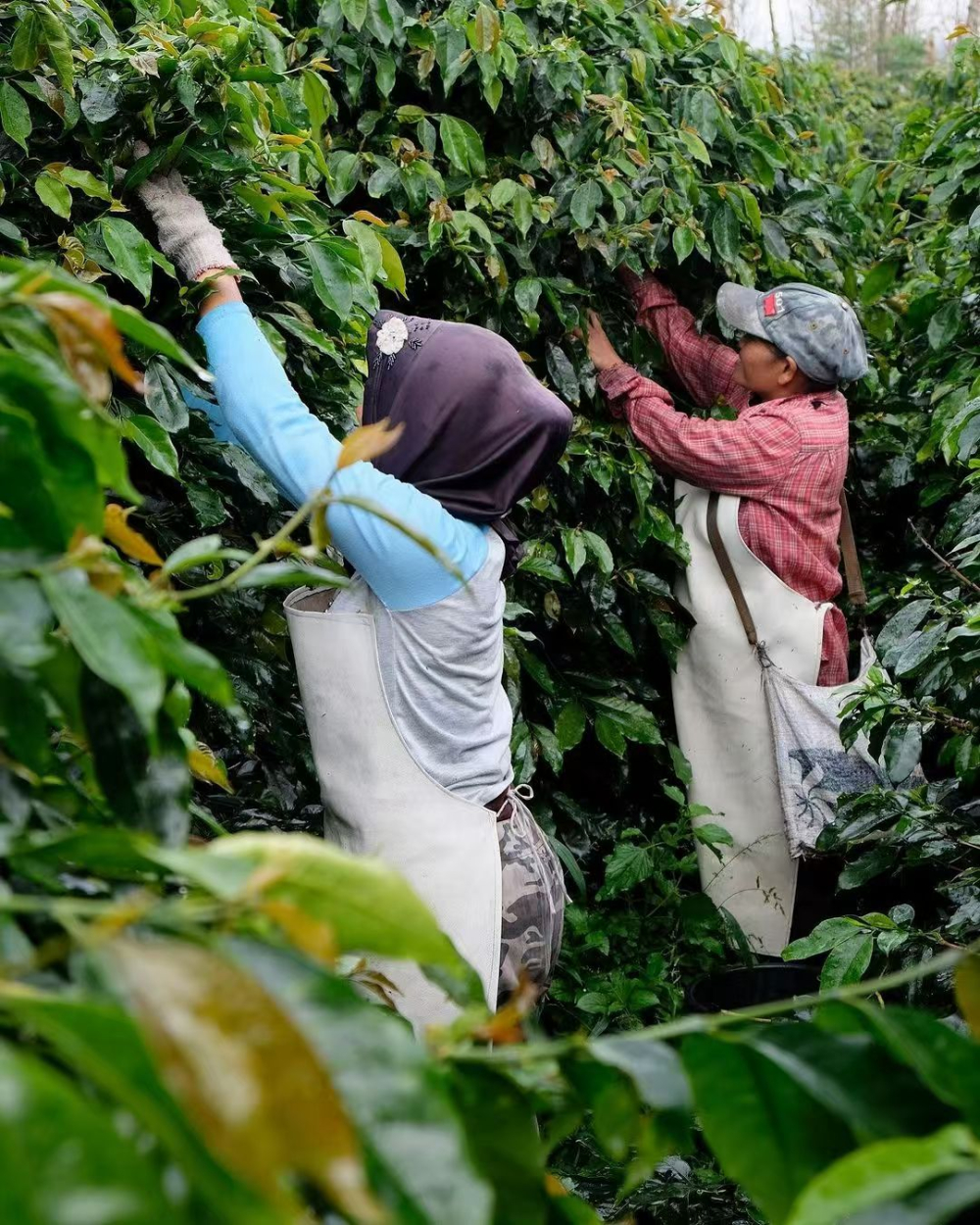
Indonesia’s green bean grading system primarily considers defect counts and bean size. The highest grade, G1, allows no more than 11 defects per 300-gram sample. Lintong Mandheling falls under this grade, processed via wet-hulling to showcase traditional Sumatran flavors. PWN Golden Mandheling goes further, using only top-grade beans (18+ mesh, fewer than 3 defects per 300 grams) that undergo multiple rounds of manual sorting and density grading to ensure uniform size and color, resulting in a purer, more refined flavor.
For pour-over enthusiasts, the common issue of bitter or burnt Mandheling often stems from improper extraction parameters. For medium-dark roasted Mandheling, the KONO filter is recommended—it minimizes over-extraction by reducing excessive degassing, yielding a smoother, fuller-bodied cup. Additionally, since dark roasts have looser internal structures and absorb water quickly, releasing more bitter compounds, a medium-coarse grind (around 70% extraction through a 20-mesh sieve) is advised.
Water temperature is equally critical. While light roasts suit higher temperatures (91–93°C), medium-dark roasts should be brewed at 87–88°C to avoid extracting excessive large-molecule bitter compounds. A 1:15 brew ratio is recommended: 15g of coffee, with a three-step pour: 30ml for the bloom to activate degassing, 100ml to expand the coffee bed and release golden crema, and 95ml as a final center pour to enhance sweetness and body.
Following these parameters and techniques will help you fully express the rich texture and captivating caramel sweetness of Sumatran Mandheling, avoiding common bitterness pitfalls for a balanced, layered pour-over experience.
The above content is compiled by CoffeeHunters, a coffee news website.


