







Introduction:The flavor profile of coffee beans is not only derived from their origin and variety, but is also deeply influenced by processing methods. The same batch of coffee cherries, when processed differently, can yield a wide range of flavors—from bright fruity notes to rich sweetness. This article delves into mainstream processing techniques such as natural (sun-dried), washed, honey, wet-hulled, and anaerobic fermentation, breaking down each step, key parameters, typical flavor characteristics, and practical considerations to help you understand how processing shapes the flavors in your cup.
The final flavor profile of a cup of coffee is certainly influenced by terroir and variety, but the green bean processing method is an equally crucial variable. Even beans from the same region can show extreme contrasts—from clean and bright to bold and sweet—simply by using different processing methods such as natural, washed, or anaerobic fermentation. This article will systematically break down the world’s mainstream coffee processing methods, from basic principles to detailed steps, and illustrate their impact on flavor through practical examples, helping coffee enthusiasts better understand the connection between processing and cup characteristics.
Global coffee-growing regions vary from high-altitude mountains to low-latitude plains, resulting in diverse growing conditions and, consequently, a variety of processing methods. Among the most representative foundational methods are natural (sun-dried), washed, and honey processing, while Indonesia’s unique wet-hulled method and the recently emerged anaerobic fermentation showcase local innovation and technical breakthroughs. It’s worth noting that many regions adapt traditional methods based on climate and resources—for example, areas with limited resources may develop low-water-usage processing methods, or optimize fermentation efficiency through controlled temperature and humidity.
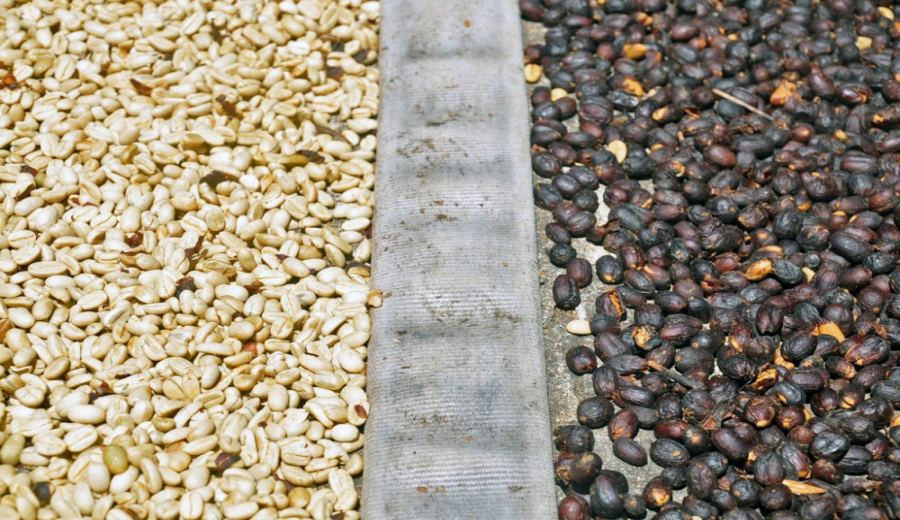
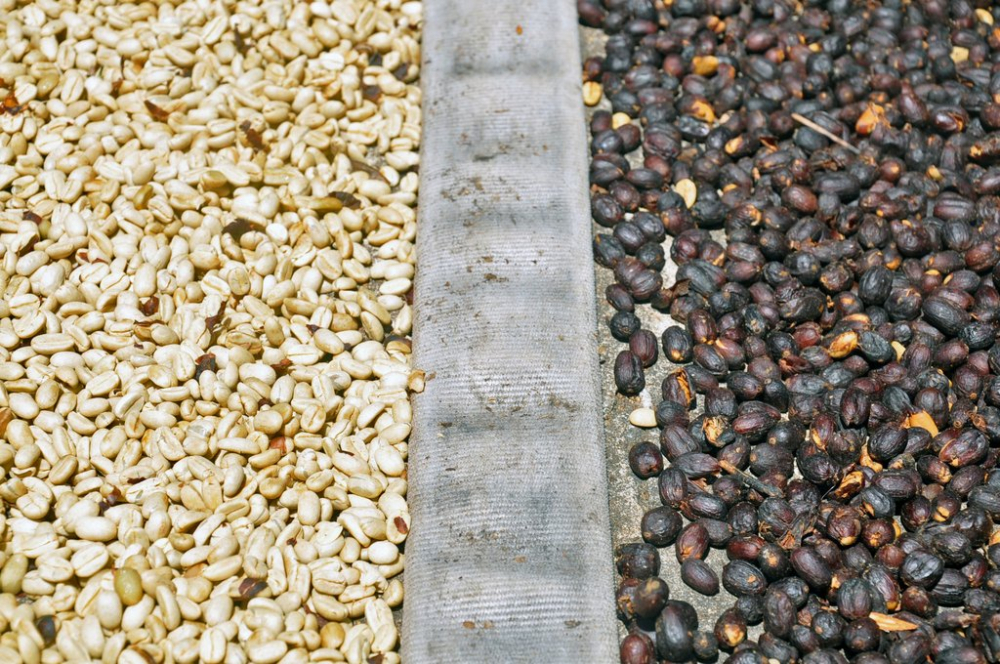
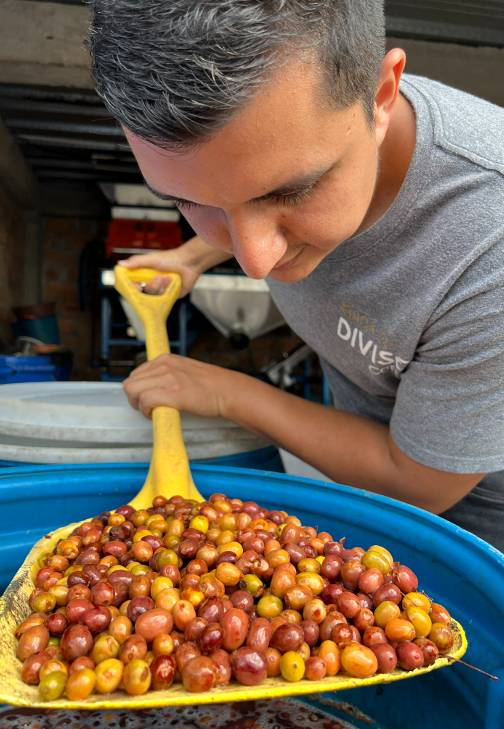
Take washed and natural processing as examples: although both are basic methods, their workflows and flavor directions are completely different. The washed method requires significant water use. First, harvested coffee cherries are placed in water tanks, where unripe and defective cherries are sorted out using buoyancy (typically, unripe cherries are less dense and float). Then, a depulper removes the outer fruit skin, leaving beans coated with mucilage, which are then placed in fermentation tanks for about 18 hours of underwater fermentation (temperature and pH affect fermentation speed and need regular monitoring). Once the mucilage is broken down, the beans are rinsed clean and then spread out on drying beds or dried using machines until their moisture content is reduced to around 11% for storage. This method, due to the thorough removal of mucilage, typically results in a clean, bright acidity and a crisp mouthfeel.
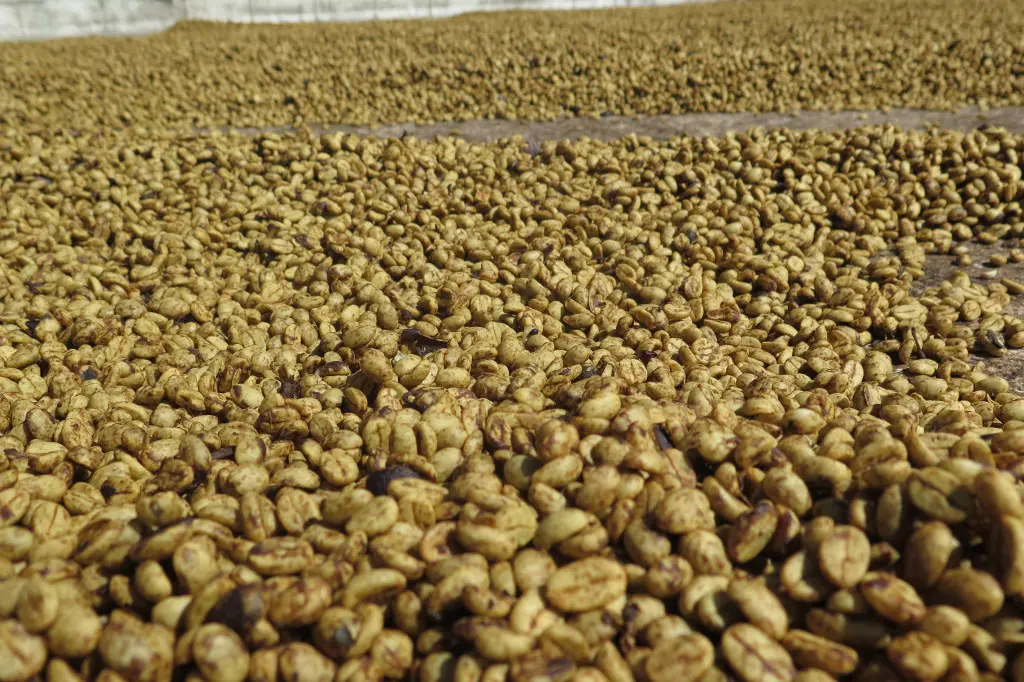
In contrast, the natural method requires almost no water and has a relatively simple process, but is more dependent on weather conditions. First, obviously defective cherries are removed, then the cherries—still with their skin and pulp—are spread out to dry on concrete patios or African beds. They need to be turned daily to ensure even drying (ideal drying time is about 10–14 days, adjusted according to sunlight intensity). Once the moisture content drops to 11%, a hulling machine removes the hard skin and pulp layer. Because the mucilage and pulp are fully involved in the drying process, this method often imparts a richer sweetness, heavier body, and complex floral notes. However, unstable weather or improper turning can lead to mold risks.
Honey processing is a variation of the natural method, mainly popular in countries like Costa Rica. Its key difference lies in retaining the mucilage layer: after removing the outer skin and pulp, the beans are spread out to dry without water fermentation. The sugars continue to penetrate the beans, resulting in particularly prominent sweetness. Notably, a well-known brand’s Costa Rican Musician Series Bach coffee beans use a unique raisin honey process—first allowing the whole coffee cherry (with skin, pulp, and mucilage) to dry naturally to a raisin-like dehydrated state, then removing the outer layer and drying the mucilage again. This extended drying time allows deeper sugar penetration, producing an intensely sweet and syrupy profile with honey and caramel notes.
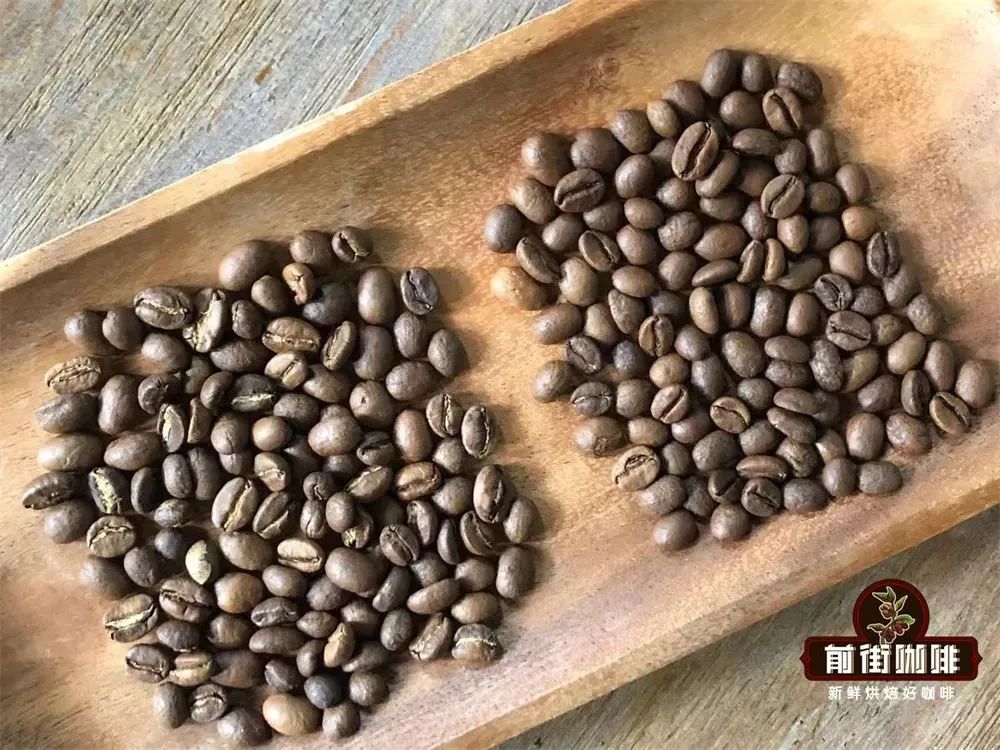
Indonesia, due to its tropical rainforest climate, faces high humidity that makes traditional sun-drying prone to mold, leading to the development of the wet-hulled method. The process is as follows: first, the skin and pulp are removed, and the beans with their sticky mucilage layer are partially dried (moisture content remains high). Then, a specialized machine removes the parchment layer (at this stage, the beans are semi-dry, with the parchment and bean tightly adhered; mechanical force can easily cause compression and deformation, resulting in the characteristic “elephant ear” bean shape). Finally, the moisture content is controlled at around 12%–13% to complete processing. Although this method increases operational difficulty, it creates the unique herbal, earthy, and deep, heavy-bodied flavors of Indonesian Mandheling. However, if the mucilage is too moist during hulling or drying is uneven, earthy or moldy off-flavors may emerge.
Anaerobic fermentation, which has garnered much attention in recent years, breaks through traditional limitations by controlling environmental parameters. Take Colombian Rose Valley coffee as an example: harvested cherries must be immediately sorted to remove defects, then placed in sealed fermentation tanks (usually made of stainless steel or food-grade plastic) and subjected to anaerobic fermentation at low temperatures (10–15°C) for over three days (low temperatures inhibit contaminants and slow sugar breakdown). The anaerobic environment encourages specific yeasts and lactic acid bacteria to act, producing unique fruity and wine-like notes. After fermentation, the beans are further dried by sun or machine to reach the target moisture content, then hulled and stored. This method allows precise control over time, temperature, and pH, reducing the unpredictability of traditional fermentation and creating complex flavors such as floral, berry, and caramel. As a result, it has become a common choice for competition beans (industry observation shows that five out of the top six coffees in the 2018 World Barista Championship used anaerobic processing).
It’s worth noting that each processing method has its applicable conditions and potential challenges. For example, the natural method requires ample sunlight and frequent turning, otherwise localized overheating can occur; the washed method consumes a lot of water (about 15–20 liters per kilogram of green beans), making it unsuitable for arid regions; anaerobic fermentation requires professional equipment and parameter monitoring, and improper operation by beginners can easily lead to fermentation failure. Understanding these detailed differences in processing methods not only helps consumers choose beans based on flavor preferences, but also serves as an important basis for roasters and green bean buyers to evaluate quality and flavor potential.
The above content is compiled by CoffeeHunters, a coffee news website.


