







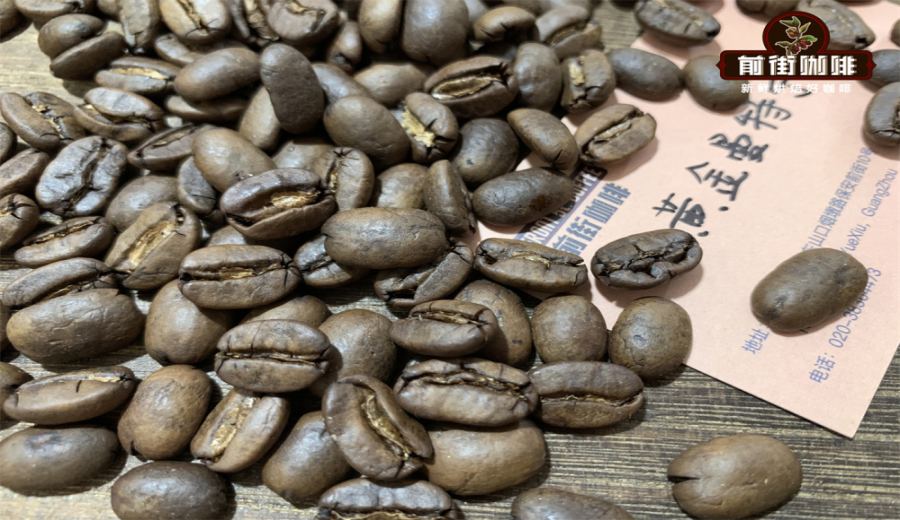
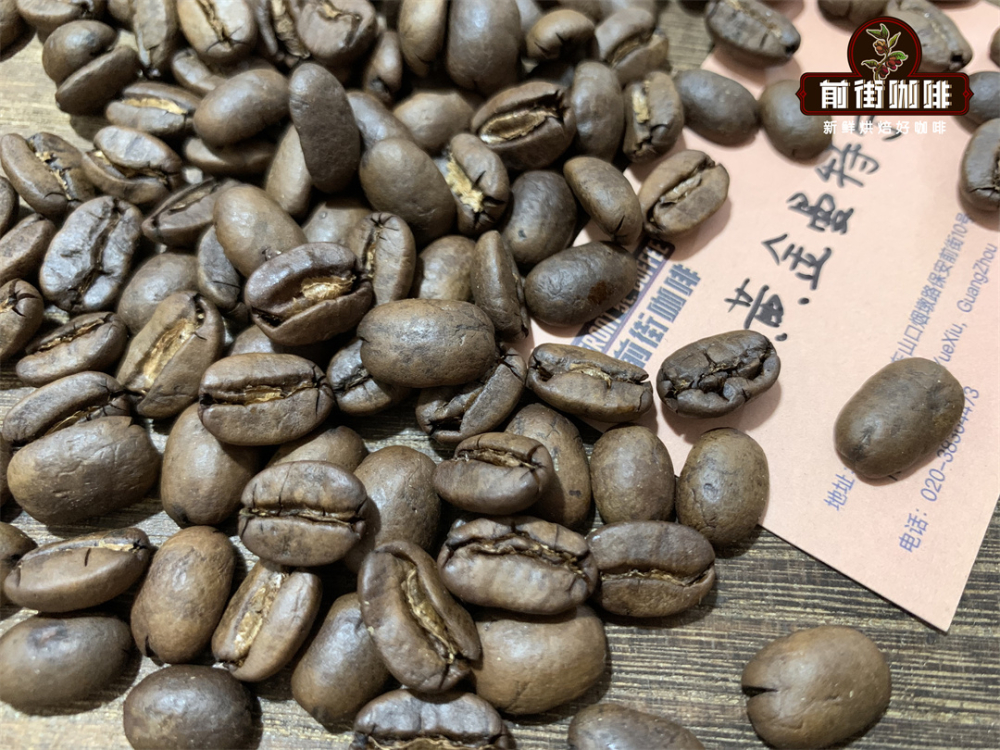
Introduction:Mandheling coffee from Sumatra, Indonesia, is renowned for its full-bodied, low-acid profile with distinctive herbal and dark chocolate notes. Its classic flavor originates from the unique high-altitude growing environment and the distinctive wet hulling processing method. This article delves into the geographical and climatic characteristics of Sumatra’s two major producing regions—Aceh and North Sumatra—analyzes the current state of coffee cultivation around Lake Tawar and Lake Toba, and explains in detail the Golden Mandheling produced by Pwani Coffee Company (PWN), as well as how wet hulling shapes the unforgettable taste of Mandheling. Finally, it offers purchasing advice to help you better understand this classic Southeast Asian-flavored coffee.
When it comes to Indonesian coffee, most people immediately think of Mandheling. This Arabica coffee from Sumatra Island is known for its rich and bold flavor, low acidity, and unique notes of herbs, dark chocolate, and caramel. However, many commercially available Mandhelings are often processed with dark roasts, which can enhance their bitter-sweet profile but may also mask their delicate regional characteristics. In fact, choosing a medium-dark roasted Mandheling better showcases its classic layers and aromatic features.
Although Sumatra has eight provinces, the areas that truly engage in large-scale cultivation of high-altitude Arabica coffee are primarilyAceh Province and North Sumatra Province. These two regions, located within the tropical rainforest climate zone, feature mountainous areas shrouded in clouds year-round, offering cool and humid weather along with fertile volcanic soil—ideal conditions for coffee trees. The harvest season for coffee cherries runs annually from September to April of the following year, during which local farmers intensively pick ripe red cherries.
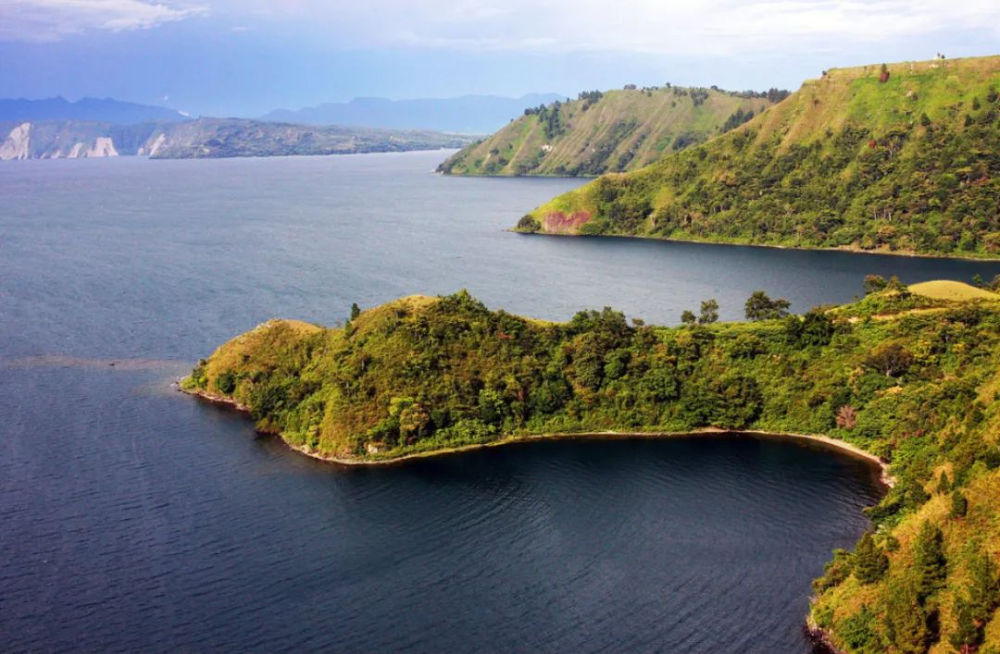
Traditionally, Sumatran Mandheling has been predominantly cultivated by theMandailing and Batak ethnic groups, but in recent years,the area around Lake Tawarhas seen theGayo ethnic groupas the main farming community. Lake Tawar and Lake Toba are two well-known volcanic lakes in the region, surrounded by highly ecologically valuable environments that also provide stable water sources and microclimate regulation for coffee cultivation. Especially in theLake Tawar area of the Gayo Mountains, due to the widespread adoption of organic farming practices and a long history of cultivation, its coffee quality and yield stand out among Sumatra’s many producing regions, earning high praise from international buyers, including the renownedPwani Coffee Company (abbreviated as PWN).
Among the many Mandheling products,Golden Mandheling produced by PWNis considered a classic representative. The company is known for its strict quality control process—the green beans it purchases undergoone mechanical screening and three manual hand-pickingsto eliminate defective beans, retaining only plump, high-quality beans. The final coffee beans produced all meet specialty grade standards, and "Golden Mandheling" is its most iconic premium product. It is worth mentioning that PWN registered the English trademark for "Golden Mandheling" early on, so only the same-named product produced by this company is the officially certified authentic version.
The reason Indonesia’s coffee processing methods differ from those of other producing regions mainly stems from its unique climatic conditions.With humidity consistently maintained at 70% to 90% throughout the year, coupled with frequent typhoons and annual rainfall exceeding 2000 millimeters, traditional sun-drying and washed processing methods are difficult to carry out smoothly. Sun-drying requires a stable, dry environment to ensure the green beans do not mold, while washed processing consumes significant water and labor resources—too costly for Indonesia’s mass-production-oriented coffee industry. Therefore, Indonesia has developed a special processing method suited to local conditions—wet hulling (known in Indonesian as Giling Basah).
The wet hulling process has its own peculiarities. After the first fermentation and initial washing, farmers roast the parchment-covered coffee beans to a moisture content of approximately35% to 40%—not yet fully dry—and then send them to collection stations. These stations may divide or mix the beans, so the drying level and quality of beans from the same batch may vary slightly, which is one reason why wet-hulled beans sometimes exhibit inconsistent flavors.
Next, these still-high-moisture beans continue to be sun-dried with their parchment layer until the moisture content drops to20% to 24%. At this point, the beans are sent to a specially designed wet mill, where intense mechanical friction removes the parchment layer. Since the beans are moist and soft during this process, it often releases white or green mucilage and can easily damage the bean surface, resulting in so-called "horse hoof beans" or "goat hoof beans" (locally called kuku kambing), where the beans develop chipped or irregular shapes at the ends. Finally, the parchment-free beans are further dried in open-air areas to a moisture content of about12% to 13%, at which point they appear dark green or blue-gray. After grading, they are prepared for export.
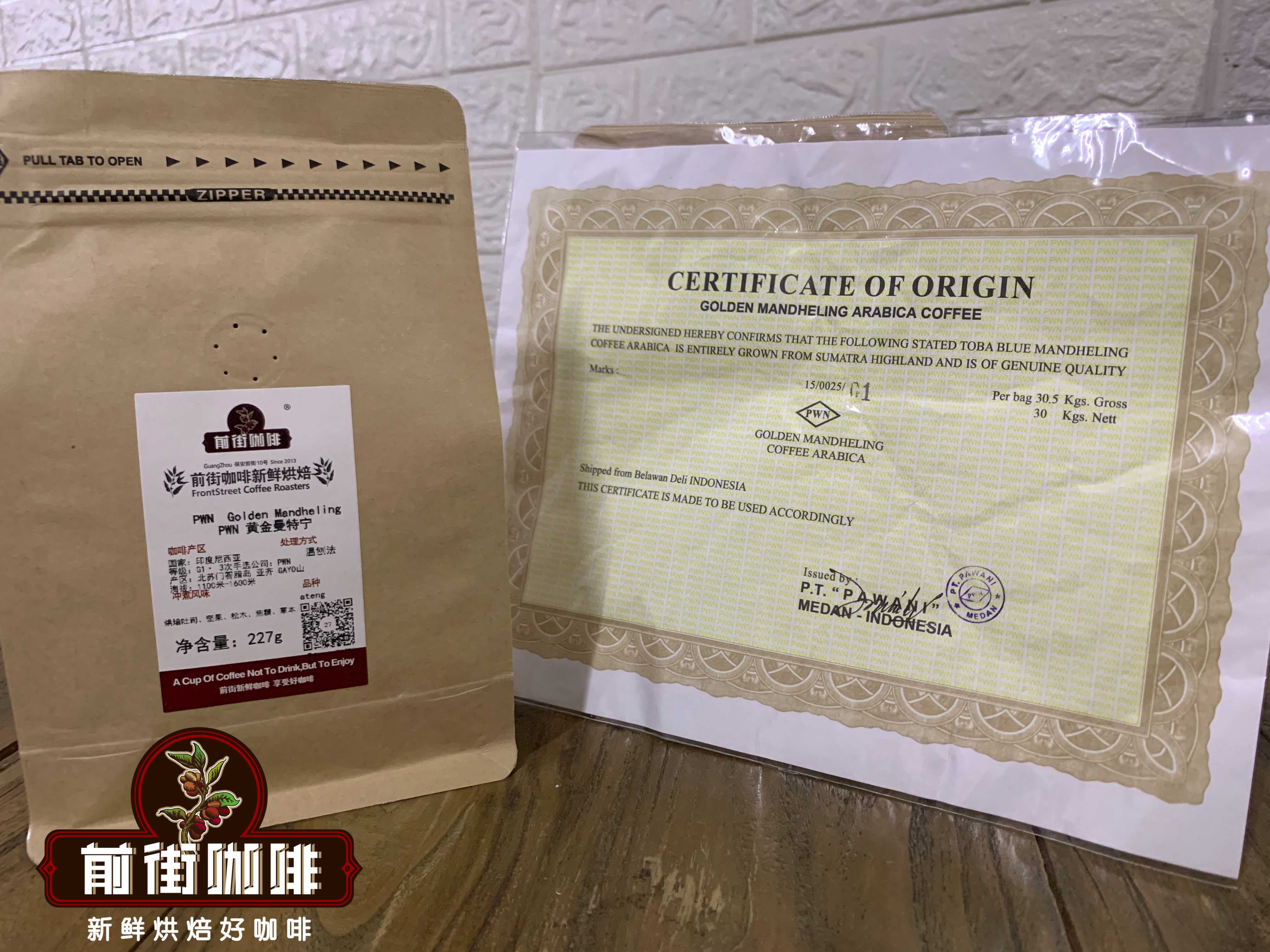
For coffee enthusiasts new to Mandheling, it is recommended to start with an entry-level, affordable wet-hulled Mandheling, such as beans from the Lintong producing area. These can fully deliver Mandheling’s classic low acidity, full body, and herbal aromas, making them ideal for daily drinking or practicing pour over techniques. If you want to explore the refined expression of wet hulling more deeply, consider tryingGolden Mandheling, produced by PWN. These beans come from theGayo Mountain region of Aceh, North Sumatra,at elevations between 1100 and 1600 meters, and are of the Ateng variety, processed using wet hulling and passingG1 grade evaluation and triple manual sortingwith an extremely low defect rate.
After medium-dark roasting, Golden Mandheling not only showcases rich notes of caramel and dark chocolate as its primary flavors but also carries warm roasty aromas. It has a full-bodied and solid mouthfeel, extremely low acidity, and is very suitable for drinkers who prefer coffee with less pronounced acidity. Whether brewed using pour over, French press, or siphon, it exhibits its bold and layered characteristics.
The above content is compiled by CoffeeHunters, a coffee news website.


