







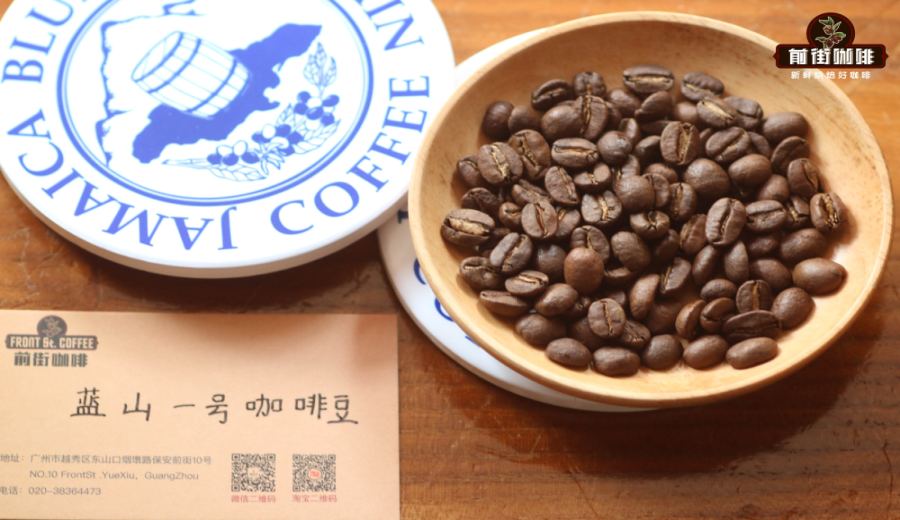
Introduction:Jamaica Blue Mountain coffee is hailed as a representative of the world’s top-tier specialty coffees, but beans genuinely grown in the Blue Mountains are extremely rare. This article delves into the core producing regions of Blue Mountain coffee—St. Andrew, Portland, and St. Thomas—and explains the differences among the three main grades: Blue Mountain, High Mountain, and Jamaica. It also covers the uniqueness of the Typica variety and the traditional washed processing method, as well as the distinctive barrel exports and authentication methods. Furthermore, it offers expert pour over brewing recommendations and flavor profiles to help you fully grasp the essence of Blue Mountain coffee.
Jamaica Blue Mountain coffee is universally recognized as a premium offering in the global specialty coffee scene. However, the market is flooded with products labeled as “Blue Mountain flavor” or “Blue Mountain blends.” Only beans that are 100% grown in the Jamaica Blue Mountains meet the true definition of Blue Mountain coffee. This article will take you deep into the authentic origins of Blue Mountain coffee, including its three core regions: St. Andrew, Portland, and St. Thomas, as well as the criteria for the three main grades: Blue Mountain, High Mountain, and Jamaica. It also explores the distinctiveness of the Typica variety and the traditional washed processing method, along with the iconic barrel export system and certification process.
Jamaica is an island nation in the Caribbean, and its highest peak is the Blue Mountains. The areas suitable for coffee cultivation in the country are almost entirely concentrated here. Over the years, the major producing regions of Blue Mountain coffee have been clearly divided into three blocks: the St. Andrew region, the Portland region, and the St. Thomas region. These areas not only enjoy moderate altitudes, but also benefit from exceptionally favorable climate conditions, which form the irreplaceable flavor foundation of Blue Mountain coffee.
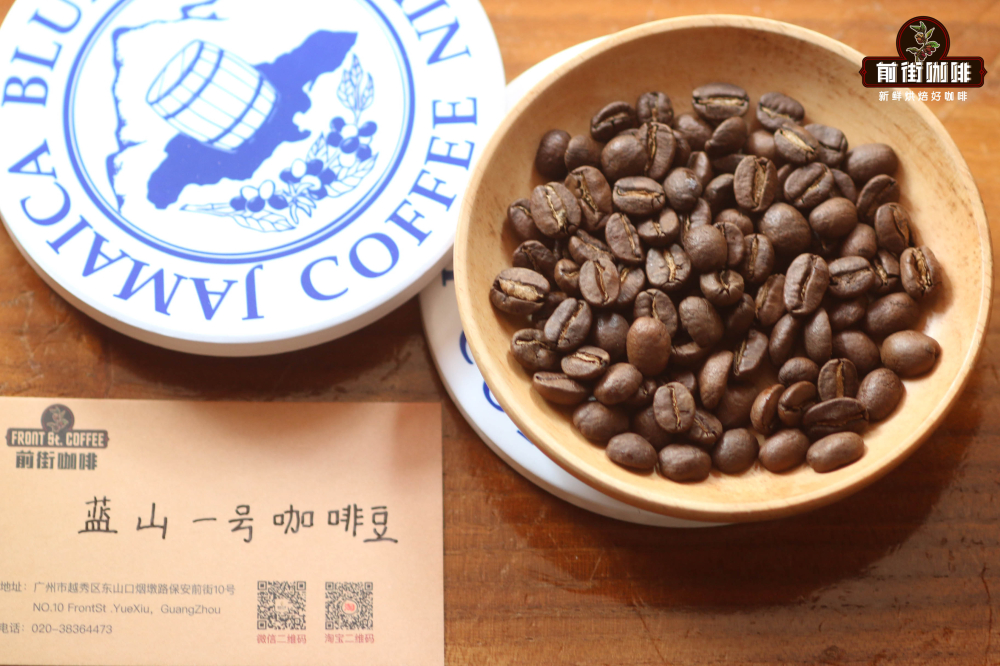
According to historical records, Jamaica exported more than 375 tons of pure Blue Mountain coffee within eight years, with 1932 being the peak production year when over 15,000 tons were harvested. To ensure coffee quality, the Jamaican government established the Jamaica Coffee Industry Board in 1950. This organization is responsible for formulating and enforcing strict quality standards and issuing official seals for both green and roasted beans exported from the country. It is also regarded as the most authoritative national-level coffee regulatory body in the world. Currently, there are six official labels that can represent the authentic origin of Blue Mountain coffee, such as the Mavis Bank Central Factory (M.B.C.E.) and the Blue Mountain Coffee Cooperative Trading Company (M.H.C.C.T.). In 1969, with Japanese financial aid, the production quality of Blue Mountain coffee was further improved, and the market gradually stabilized. To this day, Blue Mountain coffee has become a highly sought-after collectible among coffee enthusiasts worldwide.
Since 1981, Jamaica has continued to expand its coffee cultivation area, having reclaimed approximately 1,500 hectares and 6,000 hectares of land at different times. However, the actual current planting area of Blue Mountain coffee is only about 6,000 hectares, indicating that not all coffee labeled as “Blue Mountain” comes from this region. The remaining 12,000 hectares are mainly planted with other grade products such as High Mountain Supreme Coffee and Jamaica Prime Coffee.
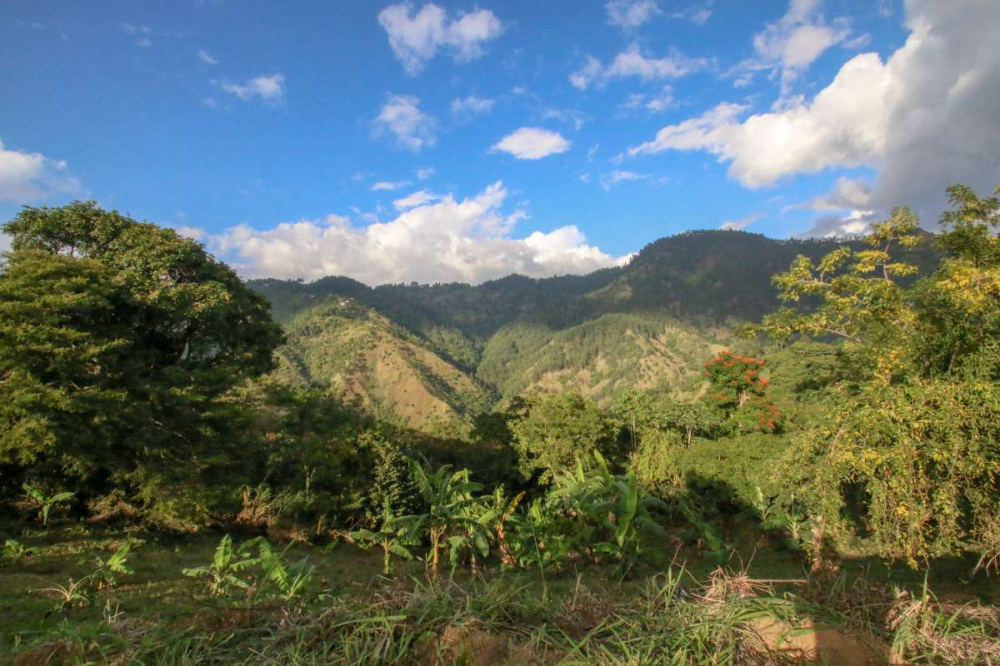
The reason why Blue Mountain coffee is revered as the best in the world is inseparable from Jamaica’s unique geographical environment. The Blue Mountains run through the eastern part of the island, with elevations exceeding 2,100 meters. The climate is cool and often foggy, with frequent rainfall providing uniform and ample moisture. Local farmers adopt mixed planting models, where coffee trees often coexist with crops such as bananas and avocados on terraces, and some small farms maintain small-scale operations. Notably, even the largest farms, by international standards, are still considered smallholder farms, many of which are family-owned, with some passed down through two centuries. However, the Jamaican coffee industry also faces challenges such as hurricanes, rising labor costs, and the difficulty of mechanizing terraced farming. Due to long-term Japanese investment, most Blue Mountain coffee is now controlled by Japanese buyers, who enjoy priority purchasing rights. According to 1992 data, Jamaica exported 688 tons of Blue Mountain coffee to Japan, 75 tons to the United States, and 59 tons to the United Kingdom. Today, Japan accounts for up to 90% of purchases, making Blue Mountain coffee in high demand and short supply globally.
Blue Mountain coffee is divided into three main grades based on quality: Blue Mountain Coffee, Jamaica High Mountain Supreme Coffee Beans, and Jamaica Prime Coffee Beans. Among these, Blue Mountain and High Mountain Coffee are each further divided into two grades, with the overall ranking as follows: Blue Mountain No. 1, Blue Mountain No. 2, High Mountain No. 1, High Mountain No. 2, and Jamaica Coffee, listed from highest to lowest quality.
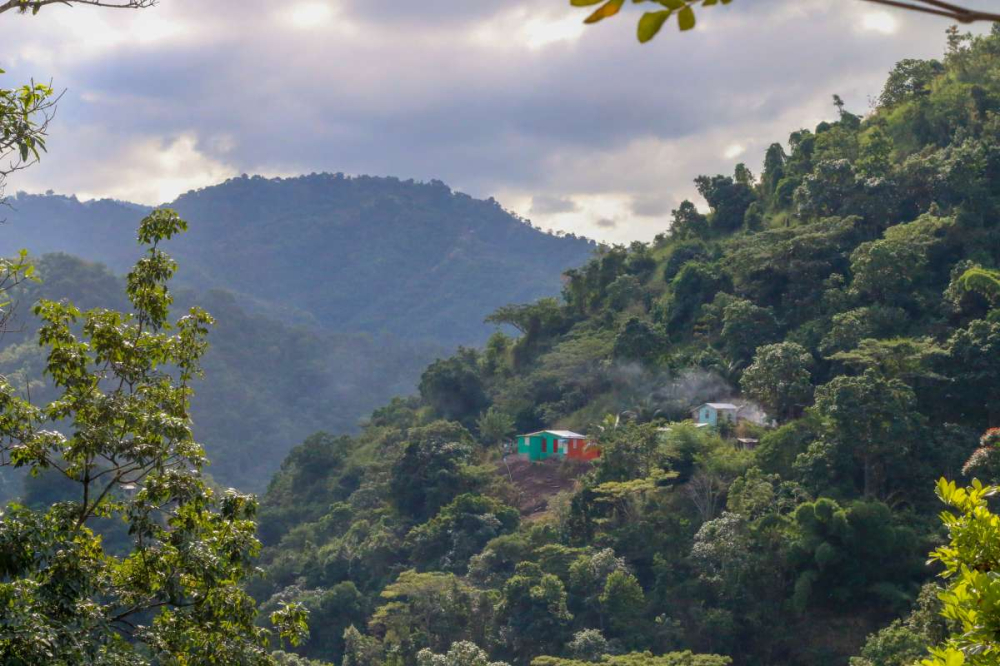
The selected Blue Mountain No. 1 coffee beans come from the Clifton Estate, a historic farm that has been growing coffee since around 1750 and is still in operation today. The average altitude of the farm’s planting and processing areas is about 4,300 feet (approximately 1,310.64 meters). The high altitude, combined with afternoon cloud cover, moderate sunlight, and mineral-rich soil, provides ideal growing conditions for coffee trees. It also extends the ripening time of coffee cherries, aiding in flavor development.
Blue Mountain coffee uses the genetically stable Typica variety. Due to Jamaica’s relatively isolated geography, the Typica here has retained its original characteristics from over 300 years ago. Compared to Typica in other regions, which have undergone multiple hybridizations and mutations, Blue Mountain beans exhibit a purer and more consistent taste.
Traditionally, Blue Mountain coffee must be processed using the washed method. The washed process involves first removing the fruit skin and pulp, followed by 12 to 18 hours of fermentation. Then, water flow and friction between beans are used to remove residual mucilage, resulting in a smooth-surfaced, stable-quality green bean. This method not only ensures flavor consistency but is also a key guarantee of the high quality of Blue Mountain coffee. Additionally, Blue Mountain coffee is one of the very few types of coffee exported in wooden barrels. Compared to standard jute bags, wooden barrels can regulate humidity changes and prevent aroma loss. Although the cost is higher, they better maintain the freshness and flavor of the coffee. To authenticate, in addition to the wooden barrel packaging, the official certification documents issued by the Jamaican authorities are also important references. These include three types: quality certificates, authorized sales certificates, and certificates of origin. The one obtained is the authorized sales certificate issued by the Blue Mountain coffee producer.
In terms of roasting, choosing a dark roast helps highlight the unique flavor layers of Blue Mountain coffee. It is also recommended to brew it using the pour over method to fully showcase its delicate taste. It is advisable to use freshly roasted beans within five days of roasting to achieve the best flavor performance, with a resting period of about 4 to 7 days.
Recommended pour over parameters are as follows: 15 grams of coffee, medium-coarse grind (about 75% passing through a #20 sieve), a 1:15 coffee-to-water ratio, 87°C water temperature, paired with a Kono filter. During brewing, use a three-stage pouring method: the first pour is 30 ml for a 30-second bloom, the second pour is 100 ml, and the third pour is 95 ml, with a total extraction time of about 2 minutes.
The flavor profile of Blue Mountain coffee is characterized by an extremely clean mouthfeel, rich layers, and a gentle, smooth taste. It boasts a pronounced chocolatey sweetness and a full-bodied texture, with an excellent balance of acidity, sweetness, and bitterness—featuring almost no noticeable bitterness. The aftertaste lingers with a lasting fruity aroma, making it a classic flavor experience not to be missed by coffee lovers.
The above content is compiled by CoffeeHunters, a coffee news website.


