







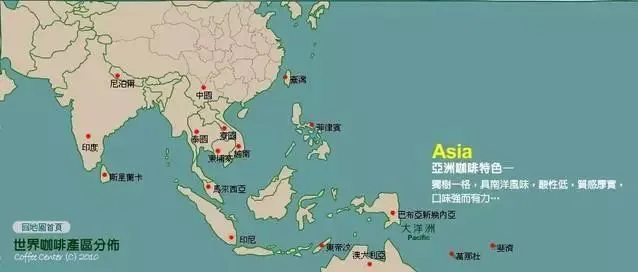
Introduction:Although Asian coffee regions may not be as globally renowned as those in Africa or Central and South America, they stand out with their rich, full-bodied, low-acid, and sweetly smooth flavor profiles. From Indonesian Mandheling to Yunnan’s small-seed variety, these regions produce uniquely distinctive coffee beans that are well-suited for pour over or espresso blends. This article delves into the varietal characteristics, processing methods of major Asian coffee regions, and provides practical pour over parameters along with flavor descriptions to help you explore the profound charm of Asian coffee.
Though not widely known for its abundance of prestigious estates, the Asian coffee region holds an important place on the global map due to its distinctive rich, full-bodied flavors and relatively low acidity. Indonesian Mandheling, China’s Yunnan small-seed variety, Vietnam’s Robusta, India’s Monsooned Malabar, and Papua New Guinea’s Aromatic Bird each showcase the unique heaviness and sweetness characteristic of Asian beans. These regions not only have considerable production volumes, but also attract attention for their highly identifiable flavor profiles.
Indonesia: The Rich Standard-Bearer of Wet-Hulling
The story of Indonesian coffee began in 1696 when the Dutch introduced coffee to Java Island for large-scale cultivation. However, the leaf rust disease of 1877 severely damaged Arabica, prompting the local adoption of the disease-resistant Robusta. Today, Indonesia is one of the world’s leading producers of Robusta, with the southern part of Sumatra being the main cultivation area for this variety. Meanwhile, Arabica, which accounts for only about 10% of total production, has earned worldwide acclaim thanks to varieties such as Mandheling.
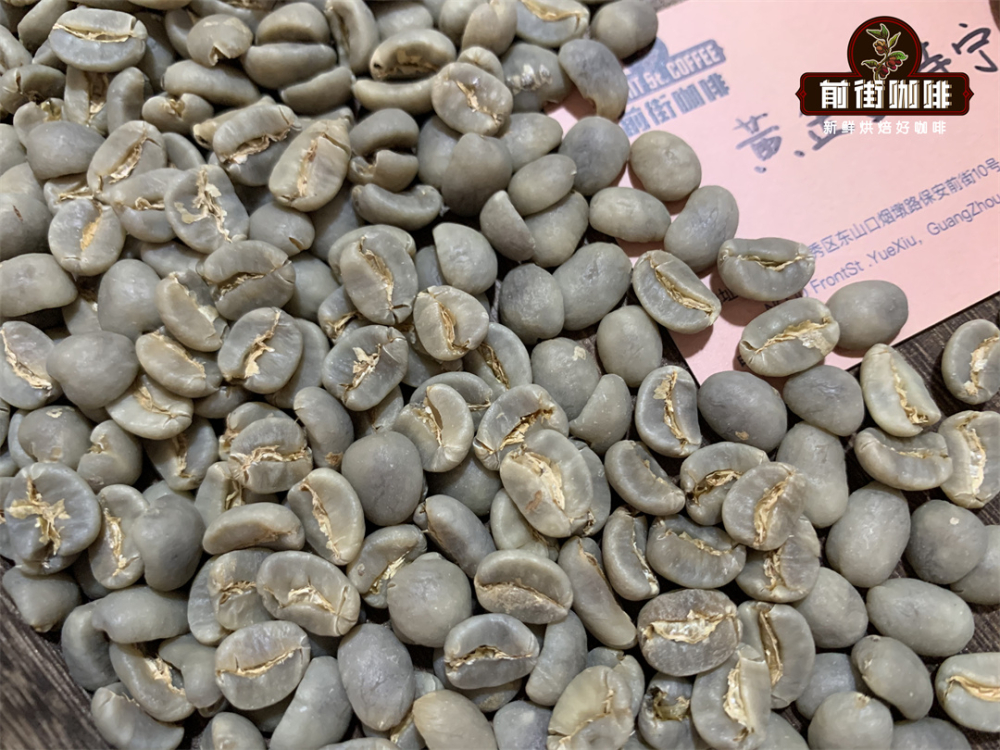
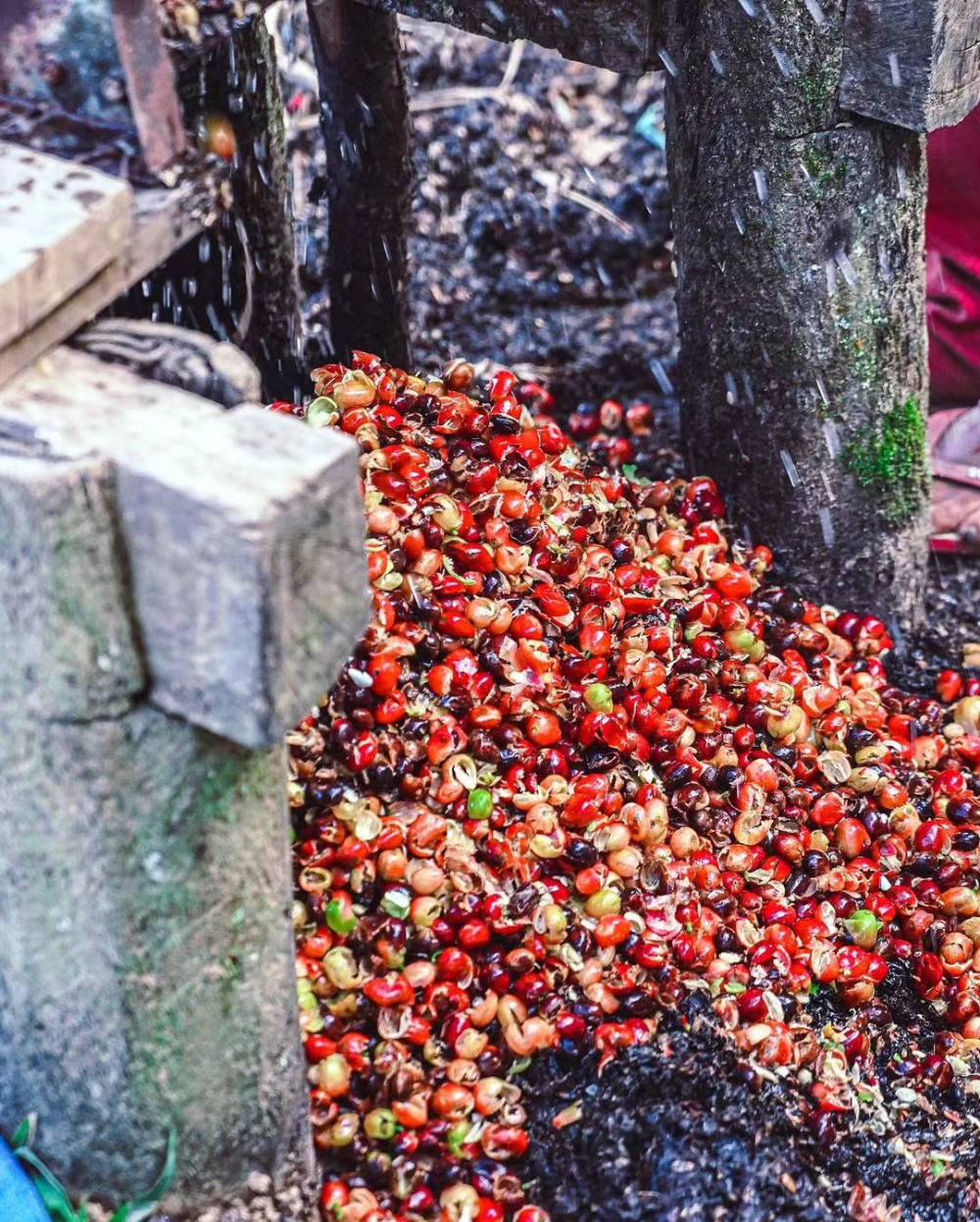
Indonesian coffee is primarily processed using natural (sun-dried), washed, and wet-hulled methods. Due to the humid climate, the wet-hulling method is more commonly used, especially for Mandheling produced in western Sumatra. This process involves first removing the fruit skin and pulp, followed by brief fermentation, then drying the beans to a moisture content of 12–13%. The rapid drying process creates unique cracks in the beans (commonly referred to as "elephant ears"). Aged wet-hulled coffee involves storing the processed beans for 2–3 years, during which acidity transforms into sweetness, resulting in a richer, aged flavor profile.
The Diverse Faces of Mandheling
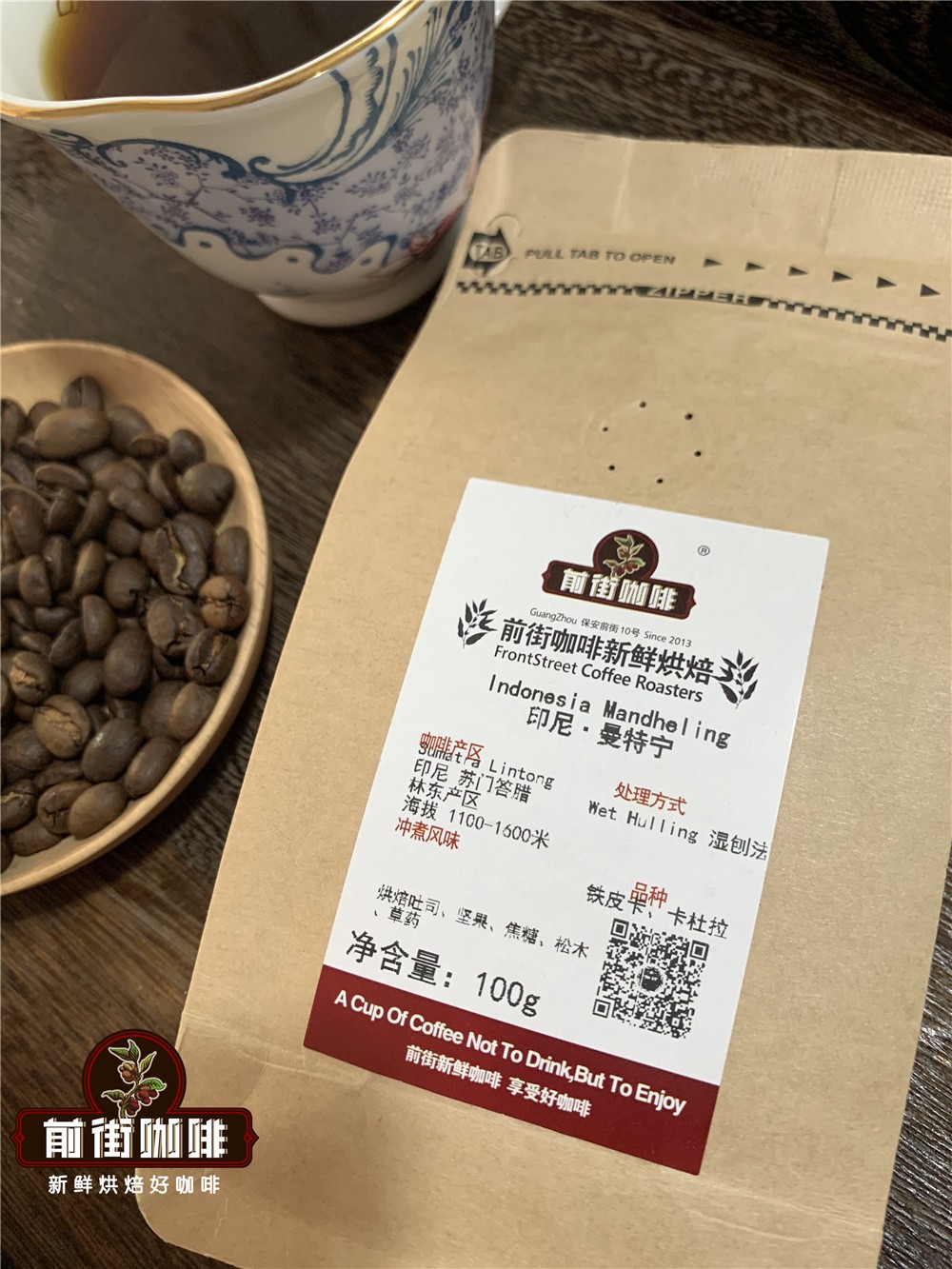
The area around Lake Toba in northern Sumatra is the main producing region for Mandheling. Common varieties include PWN Golden Mandheling, Lintong Mandheling, Tiger Mandheling, and Aged Mandheling. Lintong Mandheling exhibits typical herbal notes, while PWN Golden Mandheling undergoes four rounds of manual sorting, ensuring uniform bean size with 18 mesh and above, resulting in a clean and bright cup profile. Aged Mandheling, stored for extended periods, sees its acidity diminish and transform into sweetness, yielding a more intense flavor that may vary in acceptance among different palates.
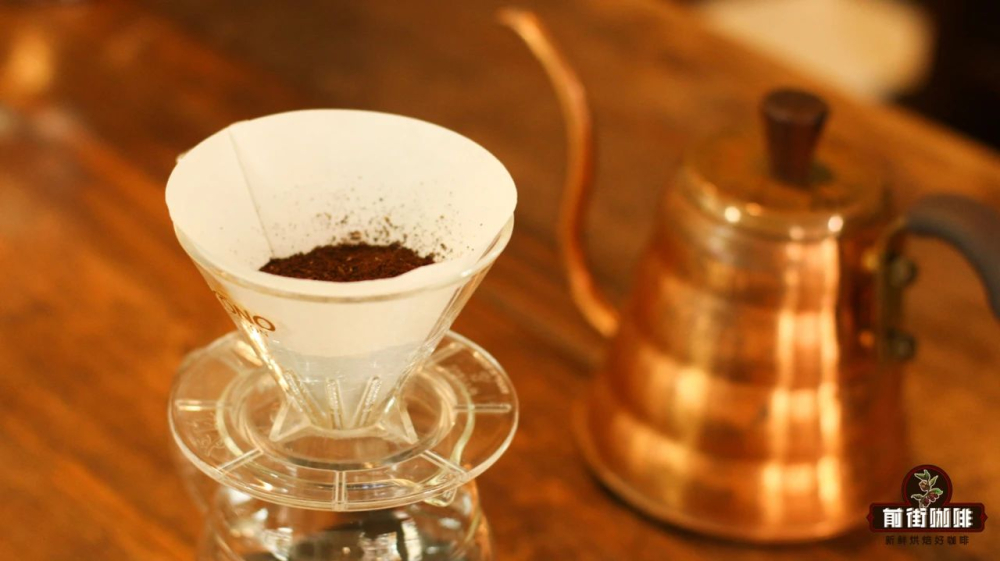
Pour Over Recommendation: Use a Kono filter, water temperature at 88°C, coffee-to-water ratio of 1:15, medium-fine grind (BG#6W). Brew in stages: bloom with 30g of water for 30 seconds, pour up to 125g, then continue pouring until 225g as the water level drops. Total brew time is about 2 minutes. The cup offers flavors of nuts, spices, chocolate, and caramel, with a clean and soft mouthfeel.
Yunnan: The Balanced Taste of Plateau Red Soil
Coffee in China is mainly grown in Yunnan, Hainan, and Taiwan, among which Yunnan is most famous for its Arabica small-seed variety (Catimor). The subtropical highland climate south of the Tropic of Cancer, combined with fertile and loose red soil, gives Yunnan coffee its characteristic of being strong yet not bitter, fragrant yet not harsh, with a slight fruity note. The Baoshan area, with an average annual temperature of 21.5°C and no frost, is recognized as the best-producing region.
Coffee processing methods in Yunnan are becoming increasingly diverse, with natural (sun-dried), washed, and anaerobic processes all in use. The mainstream variety, Typica, offers a delicate flavor but has low yield and weak disease resistance; Catimor, on the other hand, has become dominant due to its resistance to leaf rust and high productivity. Pour over recommendation: use a Kono filter, 15g of coffee, 1:15 coffee-to-water ratio, medium-fine grind. Brew in stages: bloom with 30g of water for 30 seconds, then pour to 125g and 225g. Total brew time is 2 minutes. The flavor profile includes nuttiness, herbs, and a chocolatey finish, with a light acidity.
Vietnam: The Domain of Robusta
As the largest coffee-producing country in Asia, Vietnam exports 96% Robusta, mostly from smallholder farms. The Java and Bourbon varieties introduced during the French colonial period have developed unique flavor profiles in the southeastern highlands. Robusta is characterized by its high body and strong bitterness, often used as the base in espresso blends.
India: Unique Flavors Born from the Monsoon

Indian coffee processing shares similarities with Indonesia’s aged Mandheling, employing the monsoon processing method. Traditionally, coffee beans were shipped by sailboat to Europe over several months, where high humidity turned the beans yellow and developed unique flavors. Modern producers mimic this process by spreading coffee during the southwest monsoon season in ventilated houses, regularly turning it to ensure even exposure to high-humidity air for seven weeks to complete the flavor transformation.
A certain brand’s Indian Monsooned Malabar coffee beans exhibit flavors of caramel, raisins, and herbs, with a mouthfeel reminiscent of genmaicha, and a berry-like sweet-tart finish. Pour over parameters are similar to most other low-acid Asian beans: use a Kono filter with a medium-fine grind, and brew in stages to highlight its unique layered flavors.
Papua New Guinea: The Spice Symphony of the Aromatic Bird
Papua New Guinea regards the Aromatic Bird as a symbol of freedom, hence the name of the Arabica coffee from the PNG AA Sigri Estate. This coffee features spicy notes and a rich interplay of sweet and sour layers, with some varieties tracing back to the Typica of Jamaica’s Blue Mountain, earning it the title “Little Blue Mountain.” Around 90% of the coffee in the region is grown by smallholder farmers, with washed processing being the norm, and a minority using natural (sun-dried) methods to enhance flavor complexity.
Brewing recommendations for Aromatic Bird coffee are consistent with most Asian regions: a medium-fine grind paired with staged extraction highlights its sweet and bright acidity as well as its unique spicy finish. Products from larger estates offer a cleaner and more refined cup, while those from smallholder farms present a richer and more robust flavor.
By understanding the characteristics and processing differences of these regions and applying precise pour over parameters, you will be able to fully experience the diverse charm of Asian coffee — from richness to layered complexity.
The above content is compiled by CoffeeHunters, a coffee news website.


