








Introduction:Dark roasted coffee is often misunderstood as being solely bitter and smoky, but when roasted properly, it can also showcase captivating cocoa, dark chocolate, and nutty aromas. This article delves into the relationship between caramelization reactions and roast levels, and categorizes multiple medium-dark and dark roasted coffee beans based on different taste preferences, introducing their actual flavor profiles to help you find your own rich choice.
When it comes to dark roasted coffee beans, many people immediately think of intense bitterness and smoky notes, even believing that such coffees are hard to enjoy. However, that’s not the case. A well-roasted dark bean can actually present a rich and pleasant flavor profile, such as deep cocoa, bold dark chocolate, mellow caramel, and textured nuttiness. These coffees usually have low acidity, a full body, and a balanced bitterness and sweetness, making them ideal for those who enjoy bold flavors.
Caramelization is one of the key processes that influence the direction of a coffee's flavor. Simply put, during the roasting process, once the "first crack" stage is reached, the coffee enters the golden period of caramelization. If it is roasted to completion at this stage, more delicate fruit acids and aromas can be preserved; however, extending the roasting time to further promote caramelization will bring out the rich aromatic characteristics of dark ingredients such as chocolate, caramel, nuts, and smokiness. This is why many coffee lovers who prefer low acidity and full-bodied flavors often favor medium-dark to dark roasted beans.
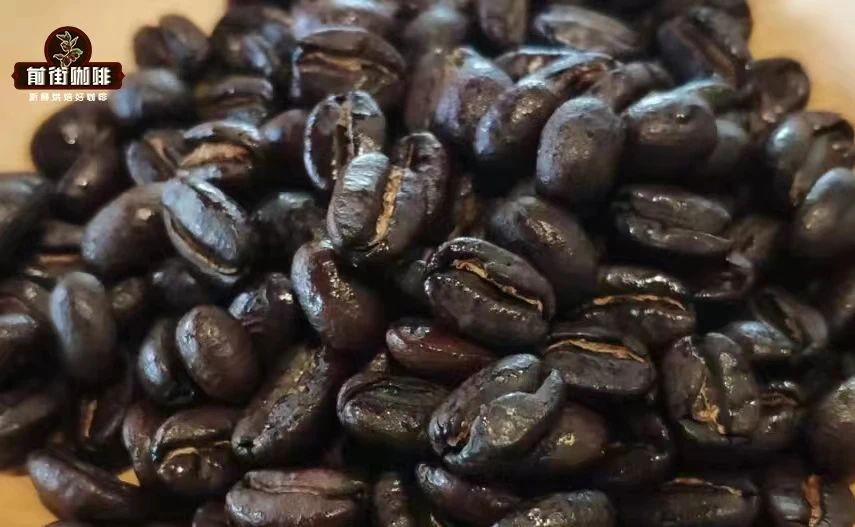
Generally speaking, the deeper the roast, the less noticeable the acidity of the coffee beans, replaced instead by a richer fullness and layers of bitterness and sweetness. At the same time, the increased oil content produced by caramelization results in a more rounded mouthfeel and silky body after extraction. Therefore, if you're looking for a coffee that is not acidic but has a strong flavor, medium-dark or dark roasts are worth considering. Next, we’ll recommend several representative medium-dark and dark roasted coffee beans based on different flavor preferences and brewing methods, to help you more accurately choose beans that suit your taste.
Medium-Dark Roast Coffee (Full City Roast) — Mild and Mellow, Suitable with Milk
This roast level falls between medium and dark roast, with a relatively gentle and layered flavor expression. Common aromas include caramel, cream, and nuts, with low acidity and a smooth mouthfeel. It is not only suitable for single-origin tasting but also pairs excellently with milk for making lattes or cappuccinos. For example, a medium-dark roasted Brazilian coffee bean, after appropriate roasting, can exhibit rich nutty aromas and a soft sweetness. Whether brewed using pour over, French press, moka pot, or home coffee machines, it can stably extract a balanced flavor, making it a true “all-purpose single origin.”

Dark Roast Coffee — Rich and Smoky, Ideal for Black Coffee and Espresso
The most distinctive feature of dark roasted coffee is its intense bitterness and rich chocolate aroma, with almost no acidity, replaced by a heavy fullness and pronounced bitterness and sweetness. These coffees usually have abundant oils, making them suitable for making espresso, and are also commonly used in milk-based drinks like lattes or Flat Whites. For instance, some Indonesian beans that have undergone three rounds of hand sorting and one machine sorting can significantly reduce defect rates, making herbal and spice flavors clearer while delivering a clean and solid mouthfeel.
Rich-Oil Espresso Blends — Emphasizing Body and Milk Foam Compatibility
Some dark roasted blends particularly emphasize oil expression, which is especially important for milk-based coffees requiring latte art. For example, a classic recipe combining Indonesian and Brazilian beans, with an appropriate addition of Robusta, can greatly enhance the coffee’s intensity and body, ensuring each latte presents a velvety milk foam and a rich coffee base.
Nut and Dark Chocolate Symphony — A Complex Flavor Choice in Dark Roast
A dark roast blend that combines Brazilian nutty tones with Colombian chocolate flavors can create a synergistic effect greater than the sum of its parts. Such coffees often carry aromas of butter cookies, cocoa, and roasted nuts after extraction, suiting drinkers who enjoy complex layers, and are especially suitable for making black coffee or lightly milked coffee.
Practical Commercial Blends — High-Value Everyday Option
If you hope to replicate the classic café-style Americano or latte flavors at home, choosing a commercial-grade dark roasted blend made from Brazilian, Colombian, and Vietnamese beans is a smart choice. These beans are typically medium-dark roasted, with rich oils and noticeable roasty aromas. Not only are they affordable, but they also provide stable extraction performance, making them suitable for daily high-volume use.
Beginner-Friendly Medium-Dark Blends — Balanced Flavor and Price
For novice coffee enthusiasts, starting with a cost-effective and flavor-balanced medium-dark roast blend is a great option. These coffees usually feature gentle fruit acidity, prominent caramel sweetness, and moderate nutty and dark chocolate notes, with a smooth mouthfeel that is not overly intense—perfect for home use or small café operations.
The above content is compiled by CoffeeHunters, a coffee news website.


