








Introduction:The difference between Americano and espresso is not just about strength—it also involves grind-to-water ratio, extraction parameters, and flavor presentation. This article delves into the origins of Americano, the definition and standards of a proper shot of espresso, and explains in detail the grind-to-water ratios for espresso, common misconceptions, helping you master the key details from extraction to drinking.
[The Origins of Americano]
When it comes to Americano, many people’s first impression is “diluted espresso,” but did you know this beverage actually has its roots linked to the U.S. military after World War II?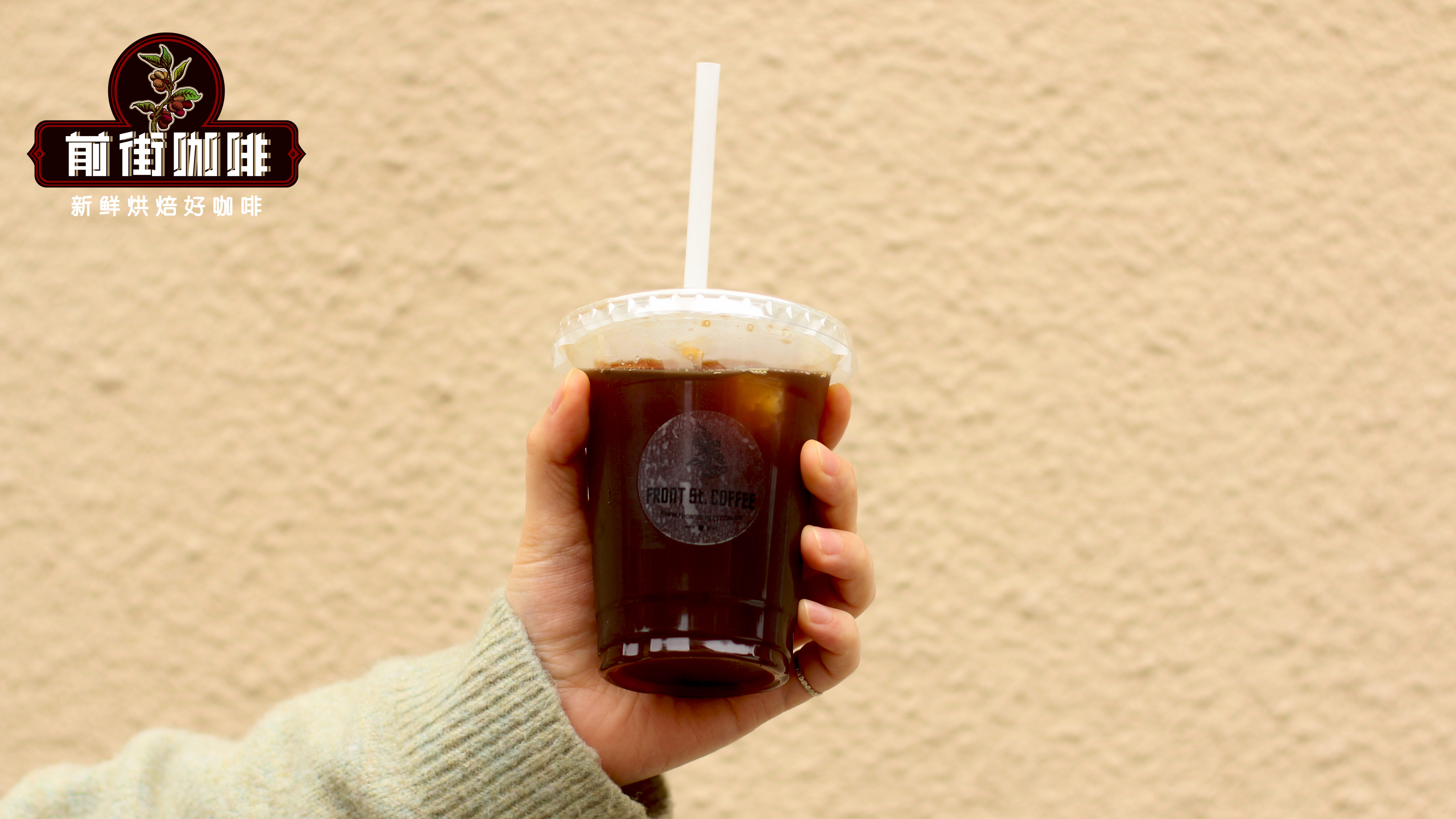 It is said that when American soldiers were stationed in Southern Europe, they couldn’t adapt to the intense and strong flavor of traditional Italian espresso. So, they diluted the espresso with hot water, which made it easier to drink. Over time, this adaptation gradually evolved into what we now know as Americano.
Although the method may seem simple, brewing a good-tasting Americano relies heavily on the quality of the base espresso. Everything from bean blend to extraction parameters will directly affect the final flavor.
[What Is Espresso?]
Espresso is a small shot of concentrated coffee extracted in a short time (usually around 25–30 seconds) using finely ground coffee beans under high pressure.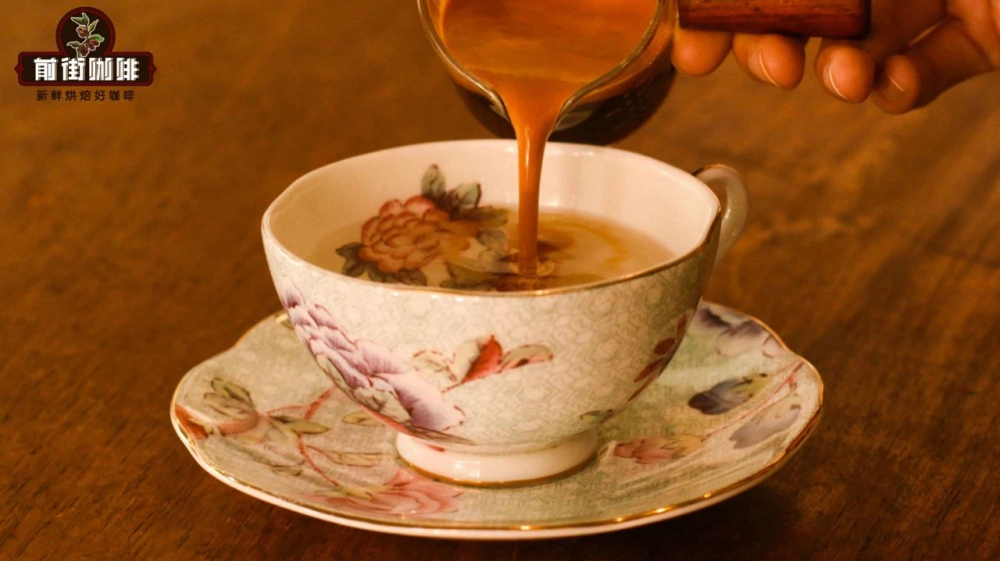 Espresso machines, through high pressure and high temperature, can release a large amount of flavor compounds from the coffee beans—such as the citrus acidity of Yirgacheffe or the bold bitterness of Indonesian Mandheling—making them more pronounced. Therefore, to balance the characteristics of beans from different origins, blends are often chosen for making espresso to achieve a more balanced and layered taste.
[Espresso Grind-to-Water Ratio]
When making espresso,grind-to-water ratio is one of the key factors. The standard ratio for a single shot of espresso is approximately 7–8 grams of coffee grounds to extract 25–30 milliliters of espresso, with a ratio roughly between 1:2 and 1:3.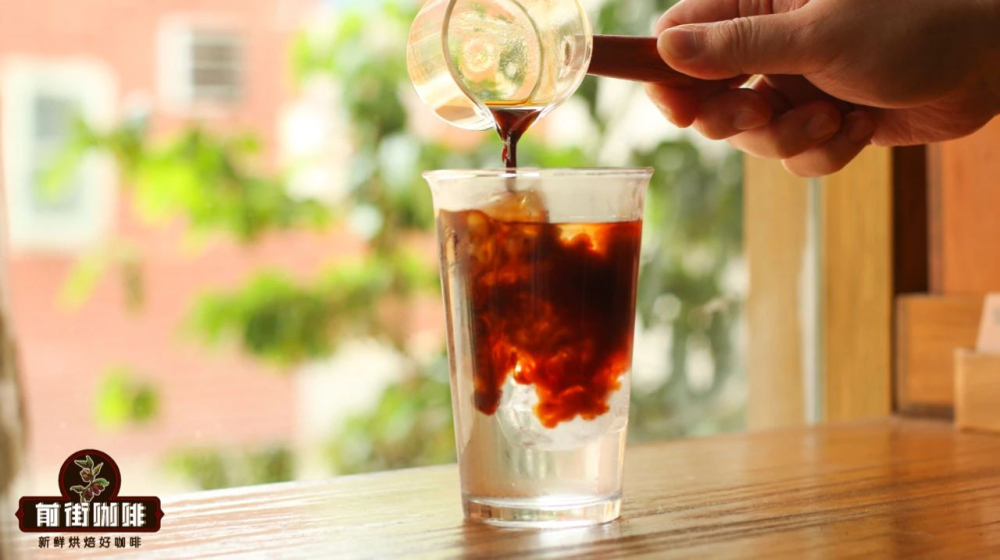 However, during actual extraction, due to the presence of crema, relying solely on volume may not be accurate enough. Modern espresso machines may also use measuring tools to monitor the amount of water extracted.
[Relationship Between Dose and Portafilter Basket]
The amount of coffee used will vary depending on theportafilter basket capacity . For a common double basket, the recommended dose ranges from 16 to 22 grams. In practice, it is advised to keep the actual dose within 1 gram of the basket’s suggested value—for example, an 18-gram basket can use 17–19 grams of coffee.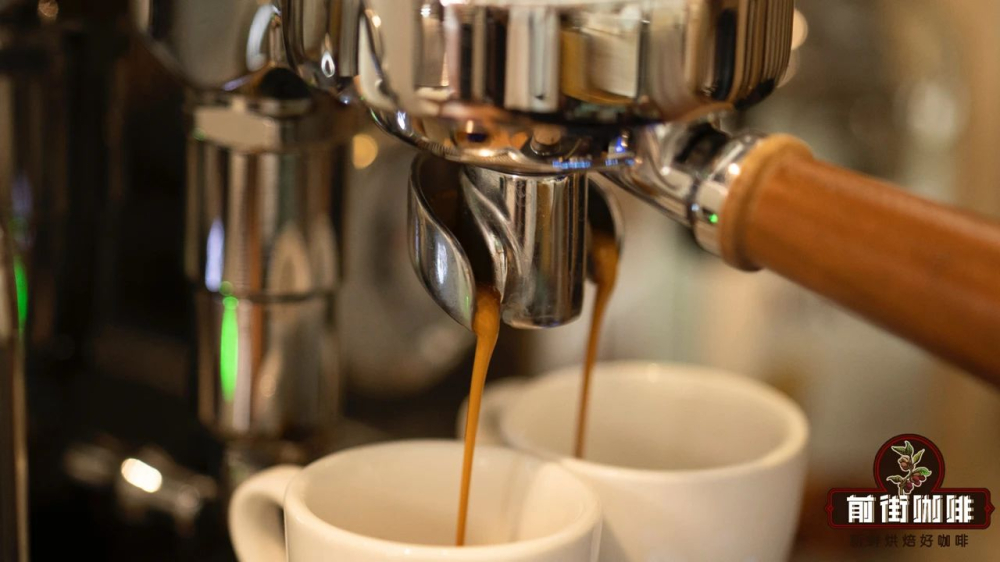 If the dose is too low, it may cause the coffee puck to be too loose, resulting in faster flow rate and under-extraction. Conversely, too much coffee can slow down or even clog the flow, leading to over-extraction and increased bitterness.
[How to Define a Proper Shot of Espresso?]
A proper shot of espresso should first usea well-balanced and stable blend, such as a recipe combining sundried processing that brings out wine-like aromas, berry acidity, and nutty aftertaste, showcasing the layers and intensity expected from espresso.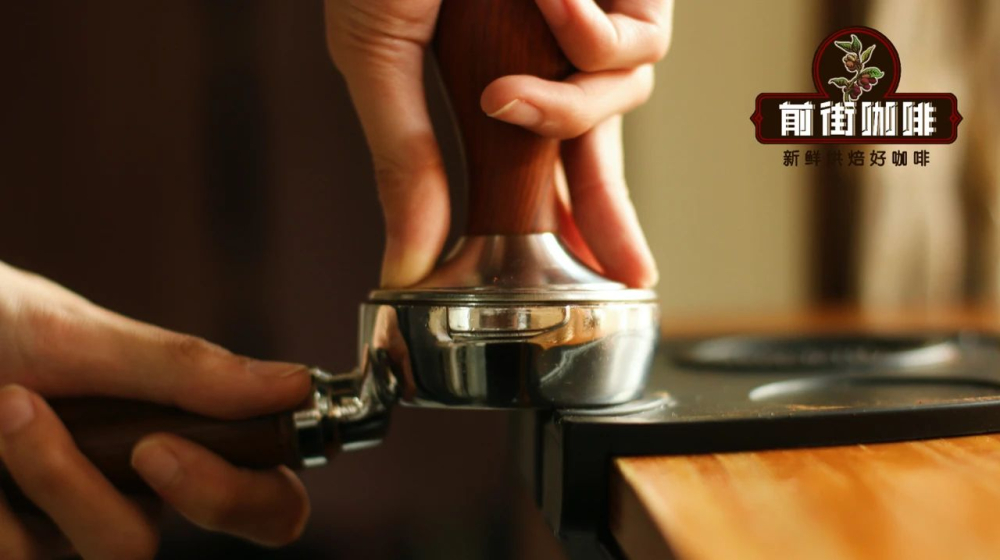 In addition, all extraction parameters—including coffee dose, extraction time, pressure, and water temperature—must be precisely controlled. Professional baristas pay special attention to extraction stability to ensure consistent flavor output in every shot.
[Differences Between Americano and Espresso]
Traditionally, Americano could be made by drip brewing, but nowadays most cafés prepare it bydiluting espresso with hot water .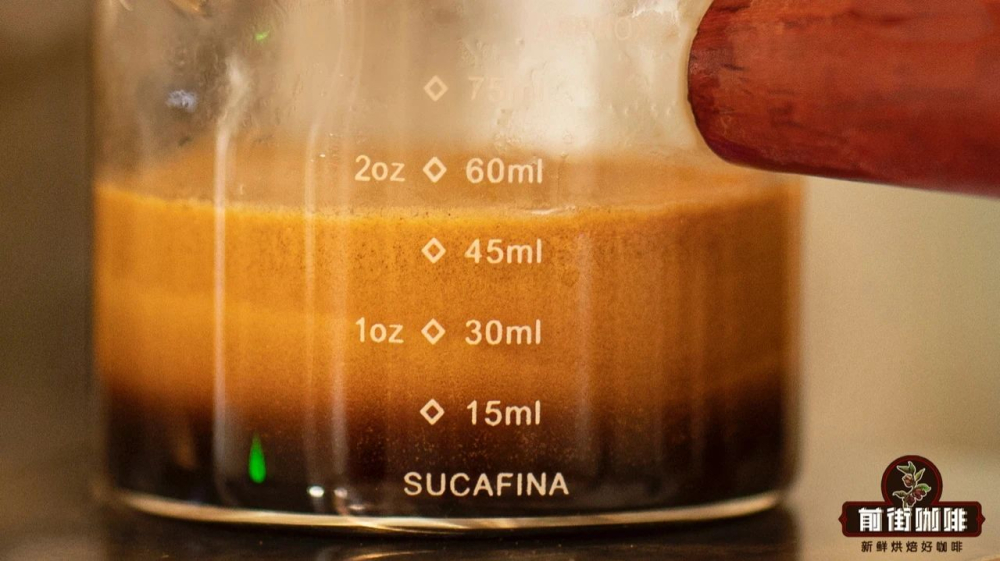 It is generally recommended to use a 1:2 ratio of espresso to water—for example, adding 60 milliliters of hot water to a 30-milliliter shot of espresso, resulting in about 90 milliliters of Americano that retains the flavor of espresso while being more palatable in strength.
[Practical Tips and Common Misconceptions]
When preparing Americano, in addition to controlling the grind-to-water ratio, attention should also be paid to water quality and temperature. Filtered water is recommended to avoid impurities affecting the taste. Moreover, many people assume that simply adding water to espresso will automatically make it better, but in reality, the quality of the base espresso is key. If the espresso is poorly extracted, even dilution may still result in sourness, bitterness, or off-flavors, negatively impacting the overall flavor experience.
The above content is compiled by CoffeeHunters, a coffee news website.


