







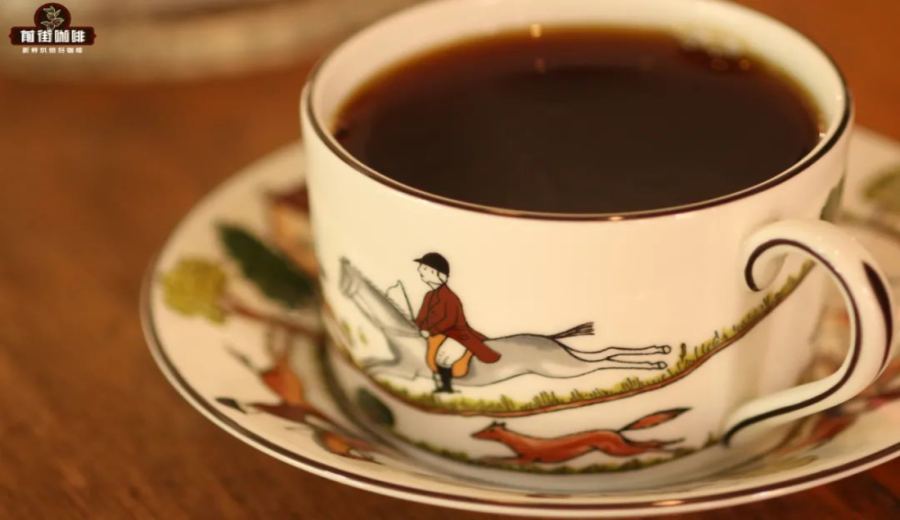
Introduction:Many people assume that any coffee without sugar or milk is black coffee, but in reality, do Americano, pour over, and espresso all count as black coffee? This article will delve into the true definition of black coffee, clarify the classification of various types of coffee including Americano, and explore its origins, evolution, flavor characteristics, health benefits, as well as how to brew and drink it properly—helping you fully grasp the knowledge of black coffee and make smarter choices.
Black Coffee, as the name suggests, is a pure coffee beverage without added sugar, milk, or other flavoring additives. Common types such as Americano, pour over coffee, and even clear coffee made from instant coffee powder all fall under the category of black coffee. However, many still have doubts about whether Americano qualifies as black coffee. This article will guide you through the basic concept of black coffee, using the popular Americano as an example to analyze its historical background, brewing methods, flavor profiles, and health impacts.

The ingredients for making Americano are extremely simple, primarily consisting of one shotof espresso (Espresso)mixed with hot water. Espresso is a concentrated coffee brewing method originating from Italy, emphasizing the extraction of highly concentrated coffee liquid in an extremely short time. The word "Espresso" itself means "fast" in Italian. Therefore, the core of this brewing method lies in "speed" and "high concentration."
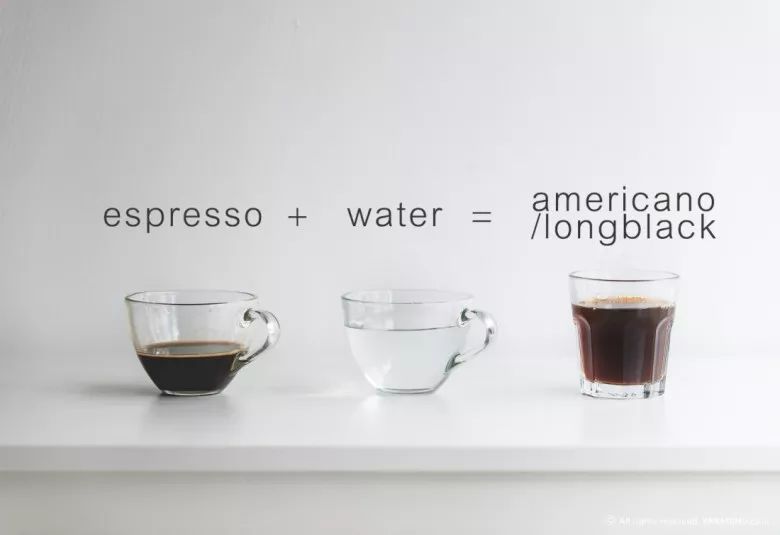
The history of Americano can be traced back to the 18th century. At that time, Americans protested against Britain’s high tea taxes by initiating the famous "Boston Tea Party," which gradually shifted their primary beverage choice to coffee. As American coffee culture grew, by the end of the 19th century, about one-third of the world's coffee beans were being exported to the United States. During World War II, American soldiers drank large amounts of coffee to stay alert and relieve stress, but they generally could not tolerate the strong bitterness of Italian-style espresso. As a result, they spontaneously began diluting the espresso with hot water to reduce its intensity. This adjustment was later brought back to the United States and promoted by Italian-American baristas, eventually evolving into what is now known as "Americano."

The true flavor of Americano depends on thequality and roast level of the espresso used. Since it is only diluted with water and has no additional flavorings, it more directly showcases the inherent aroma and flavor characteristics of the coffee beans. For example, a café’s house-roasted “Sunflower Warm Blend” combines 70% Honduran Sherry coffee with 30% Yirgacheffe sundried Red Cherry. The former exhibits distinct notes of whiskey, vanilla, and cream, while the latter is rich in tropical fruits and fermentation layers—delivering a complex yet soft overall aroma and mouthfeel, making it highly suitable for making Americano.
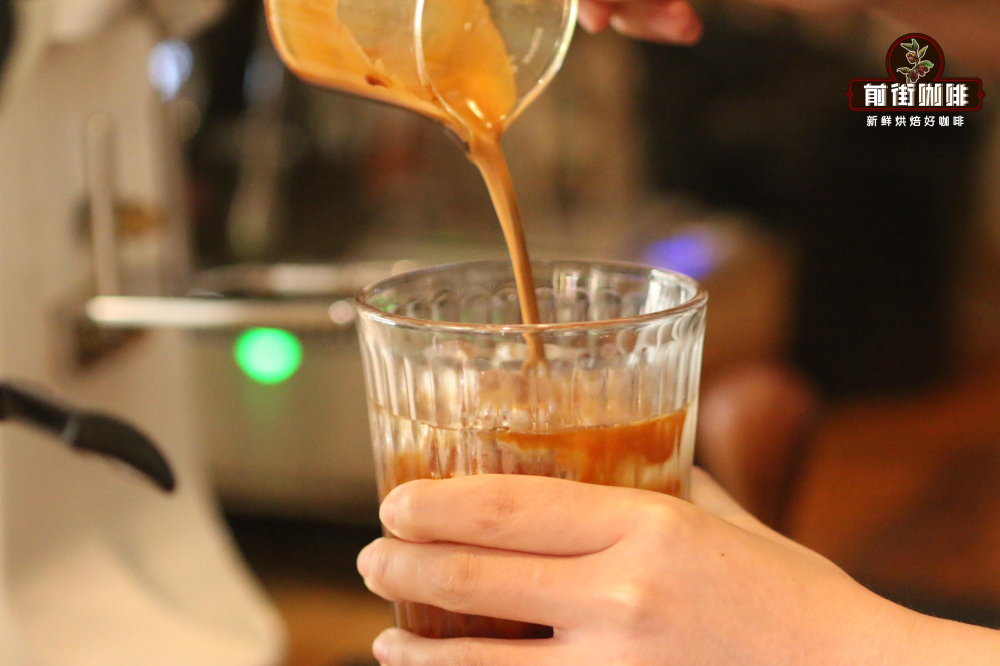
In actual preparation, espresso is typically extracted using a1:2 coffee-to-water ratio. For instance, using 20 grams of coffee grounds to extract 40 grams of espresso, which is then mixed with hot water at a 1:6 ratio—that is, adding 40 grams of espresso to 240 grams of hot water around 88°C—will yield a standard hot Americano. For an iced Americano, the hot water is replaced with 120 grams of ice cubes and 120 grams of room temperature water. It is recommended to drink it before the ice completely melts to enjoy the optimal refreshing and sweet-sour taste, which is easily acceptable even for those who don’t usually drink coffee.
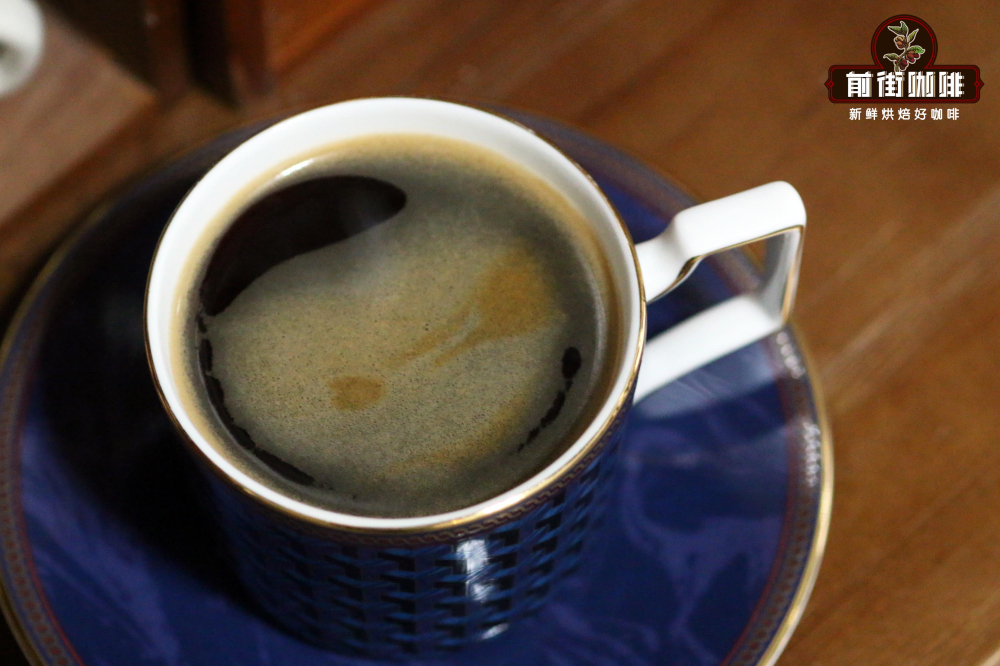
The popularity of Americano stems not only from itsbalanced flavor and broad appeal, but also from several health advantages. With a moderate caffeine content, drinking one cup per day in moderation can help boost metabolism, aid digestion, and reduce water retention. For fitness enthusiasts, drinking an Americano an hour before exercise can enhance fat-burning efficiency, making it a common choice as a workout beverage. However, it’s important to note that these benefits apply only to “pure black coffee.” Adding syrups, condensed milk, or coffee creamers will increase extra calories, which may be detrimental to health if consumed long-term.
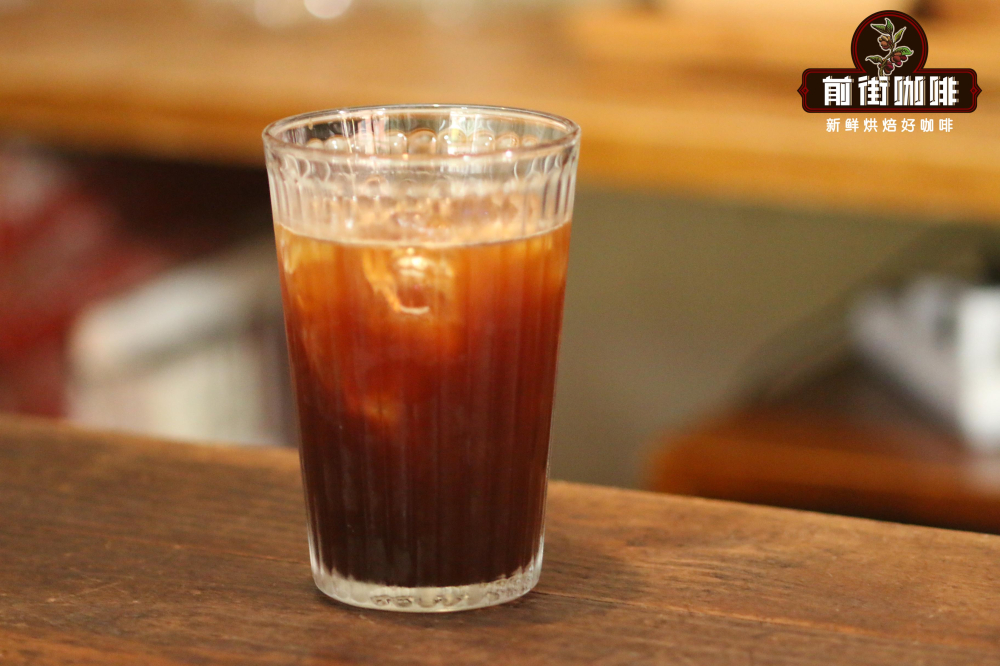
Discussions about the healthiness of Americano persist, but according to current medical consensus,moderate consumption of Americano (no more than 3 cups per day)poses no negative effects on the body, does not increase the risk of specific cancers, and may even offer antioxidant and metabolic benefits. However, individual constitutions vary—if you experience symptoms such as insomnia, palpitations, or stomach discomfort after consumption, it’s advisable to reduce intake or avoid drinking on an empty stomach. Understanding your own reaction to caffeine is key to truly enjoying the benefits of black coffee.
The above content is compiled by CoffeeHunters, a coffee news website.


