







Introduction:The reason coffee is so widely loved lies not only in its diverse flavors but also in its energizing effects, which many people rely on daily. This article delves into how caffeine works to boost alertness, analyzes how different brewing methods affect caffeine content, and compares the stimulating effects of hot Americano and iced Americano. It also provides recommendations for the maximum daily caffeine intake for adults, helping readers enjoy coffee more scientifically and maintain a healthy drinking rhythm.
One of the most original purposes of coffee is to help refresh and invigorate the mind. Whether it’s the quick pick-me-up of an espresso, the office staple drip coffee, or the detail-oriented pour-over single origin, these various forms of coffee all have the effect of lifting your spirits. The difference lies in choosing the one that best suits your occasion, needs, and taste preferences.
However, with so many types of coffee available on the market, which one is the most effective at helping you stay alert? The key lies in the caffeine content. And the factors influencing caffeine levels mainly include the type of coffee beans used and the brewing method. These two aspects will be crucial criteria for judging the energizing effect of a cup of coffee.
The reason coffee can refresh you is primarily because the caffeine in it interferes with the body's naturally produced fatigue signals. The longer we stay awake, the higher the concentration of adenosine in our bodies becomes, prompting the brain to induce sleepiness. Caffeine has a molecular structure similar to adenosine and can bind to the brain’s neural receptors first, blocking the transmission of fatigue signals, making you temporarily unaware of tiredness. In simple terms, caffeine "tricks" the brain, delaying the onset of fatigue.
Therefore, if you want a strong energizing effect, choosing coffee with a higher caffeine content can be more helpful. The final caffeine content in a cup of coffee is significantly influenced by the characteristics of the beans themselves and the brewing method. Next, we’ll further analyze these two aspects.
So, how much caffeine is typically found in a cup of coffee? In fact, the extraction time and temperature also affect how much caffeine is released. Under high-temperature extraction conditions, coffee brewed for a longer time—such as drip or French press—often contains more caffeine than espresso. Additionally, although cold brew and cold drip use low-temperature extraction, their long steeping times may result in even higher caffeine release.
Below is a reference list of caffeine content in common coffee drinks (based on Arabica beans, with cold brew and cold drip extraction times calculated as 12 hours and 8 hours respectively):
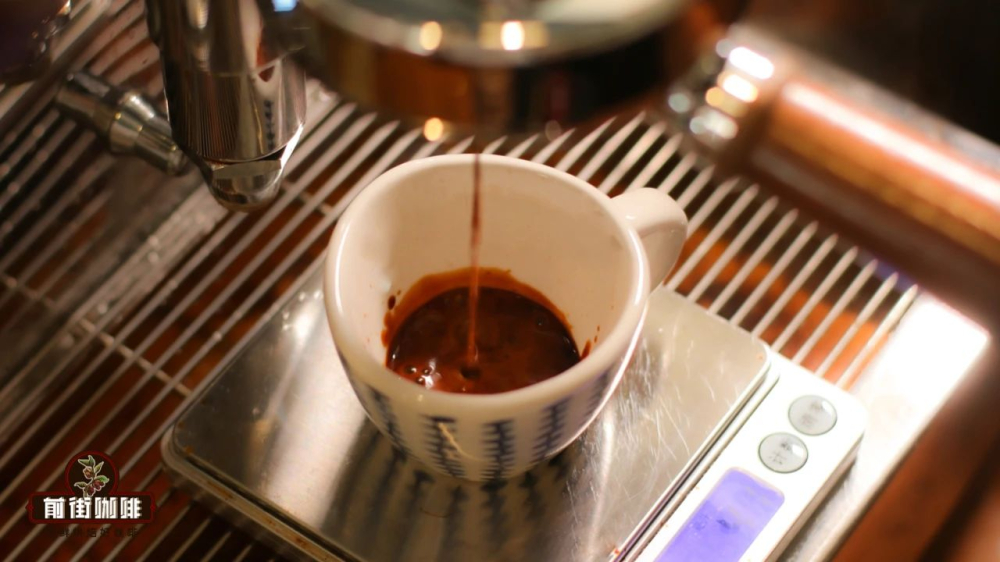
Making one shot of espresso usually involves using 20 grams of blended beans, extracting for about 25–30 seconds, yielding 40 grams of coffee liquid, with a caffeine content of approximately 100 milligrams. Since drinks like lattes, Americanos, and cappuccinos are based on a double shot of espresso, their caffeine content is roughly the same as that of pure espresso.
This means that whether you’re drinking a hot Americano or an iced Americano, as long as 40 grams of coffee liquid is added, the caffeine content is the same, and the energizing effect is also very similar.
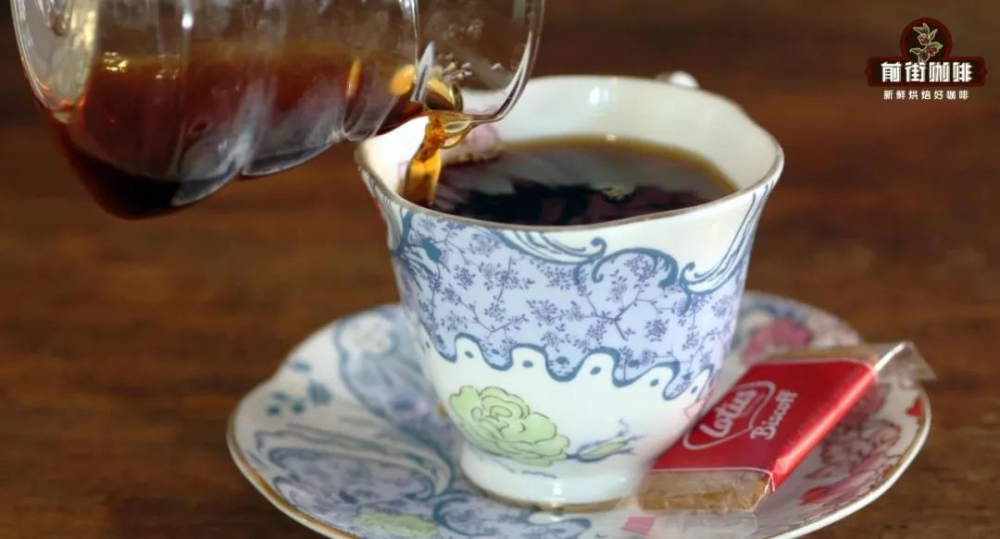
If you switch to the pour-over method, using 15 grams of coffee powder to brew 195 milliliters of coffee liquid yields about 90 milligrams of caffeine; if increased to 20 grams of powder and brewed into 260 milliliters, the caffeine content rises to approximately 120 milligrams. Coffee made with a French press (20 grams of powder, extracted for 4 minutes) has a caffeine content of about 135 milligrams.
As for cold drip coffee (for example, using 20 grams of powder to make 200 milliliters), due to the long steeping time, the caffeine content is about 135 milligrams; cold brew coffee using 20 grams of powder and extracting 200 milliliters can reach approximately 140 milligrams of caffeine.

Additionally, for example, hanging filter coffee (one pack of 10 grams of powder, brewed with 120 milliliters), has about 50 milligrams of caffeine; and common instant coffee (one pack) also contains roughly around 50 milligrams of caffeine.
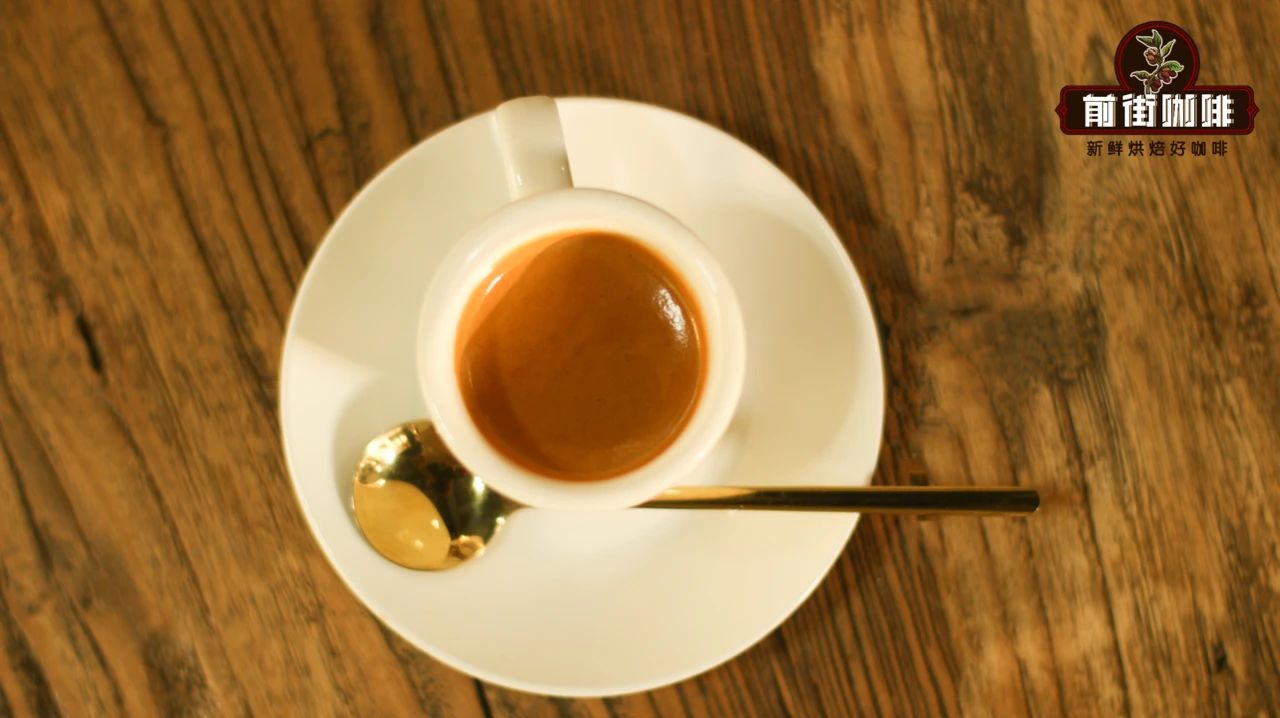
So, how many cups of coffee can you drink in a day at most? According to multiple studies, adults should limit their daily caffeine intake to within 400 milligrams; exceeding this amount may cause discomfort such as palpitations, anxiety, or insomnia. Taking Americano as an example, one cup contains about 100 milligrams of caffeine, theoretically no more than 4 cups per day is advisable; if you choose cold brew with higher caffeine content, then it’s recommended to limit to no more than 3 cups per day.
However, everyone’s physique is different, and sensitivity to caffeine varies. Some people may experience palpitations, hand tremors, or excessive excitement even after just one cup. If you find that you have obvious discomfort after drinking coffee, it’s recommended to reduce your intake or limit yourself to one Americano or latte per day, finding your own suitable intake rhythm.


The above content is compiled by CoffeeHunters, a coffee news website.


