







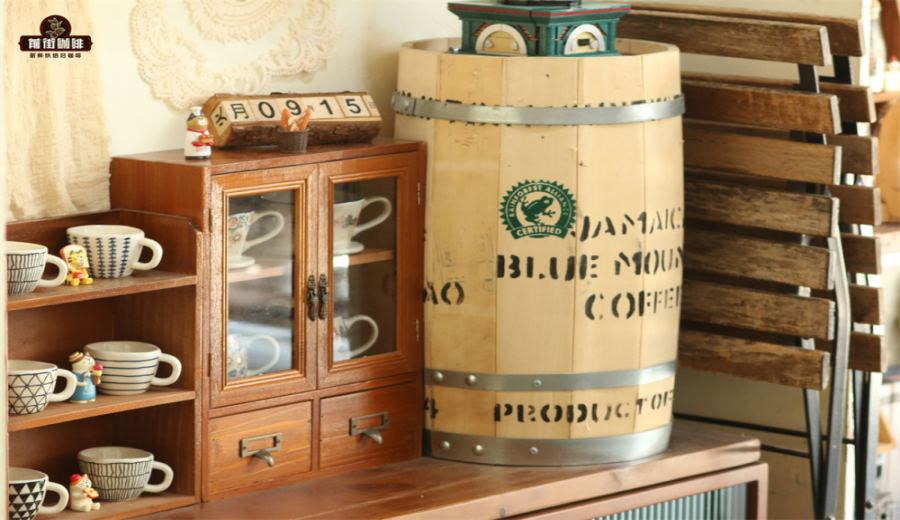
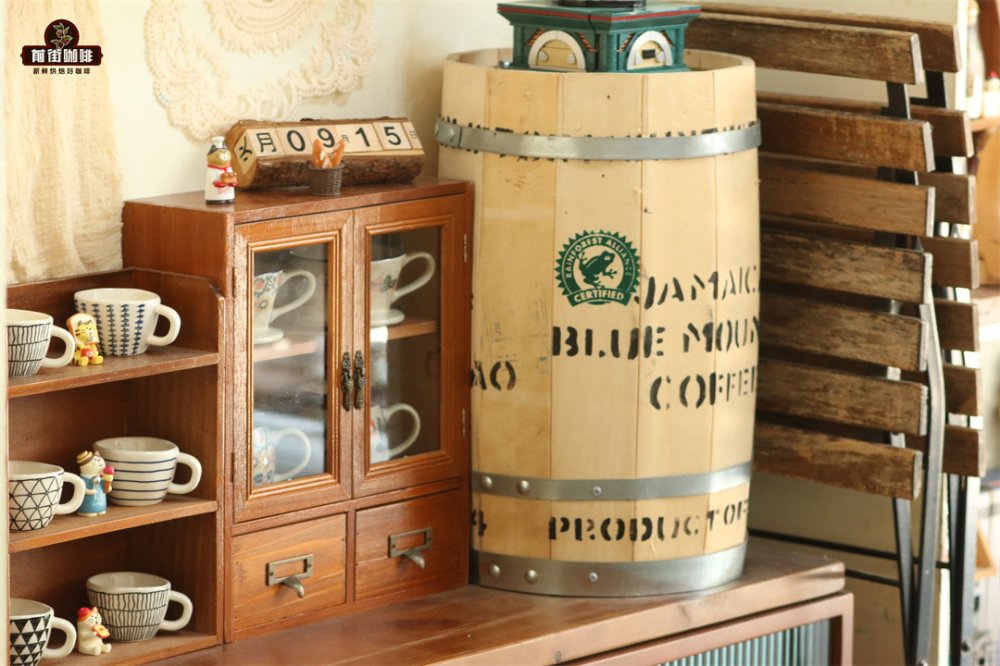
Introduction:Jamaica Blue Mountain coffee is hailed as a legend in the coffee world—not only because of its rarity and high price, but also due to its unique flavor profile and stringent production standards. This article delves into the history of Blue Mountain coffee, the characteristics of the Typica variety, the washed processing method, its three-tier grading system, and how the microclimate and volcanic soil of the Blue Mountains shape its flavor profile. It also provides practical pour-over brewing suggestions and a reference flavor profile to help you fully grasp the essence of this world-class coffee.
In the world of specialty coffee, Jamaica Blue Mountain coffee is undoubtedly a legendary presence. It is not only the dream of coffee enthusiasts but also revered as the “gentleman of coffees” due to its scarcity and high quality. This article begins with the origins of Blue Mountain coffee, providing an in-depth analysis of the characteristics of the Typica variety, traditional washed processing, Jamaica’s official strict grading system, and explores how the unique geography and climate conditions of the Blue Mountains collectively shape the distinctive personality of this premium coffee. Additionally, we’ll walk through a hands-on pour-over example to show you how to extract the best flavors from Blue Mountain coffee.
The History and Variety Background of Blue Mountain Coffee
The cultivation history of Blue Mountain coffee dates back to the early 18th century. In 1717, under the orders of King Louis XV of France, Jamaica began developing its coffee industry. Later, the local governor introduced Arabica coffee from Martinique, primarily focusing on the Typica variety, gradually expanding the scale of cultivation. Typica is one of the oldest surviving Arabica varieties, renowned for its delicate flavor, but it is also relatively susceptible to pests and diseases and has a low yield. However, it is precisely because of this that Blue Mountain coffee has maintained a consistently high-quality flavor, becoming a sought-after coffee for enthusiasts worldwide.
The Geographic and Climatic Advantages of the Blue Mountain Region
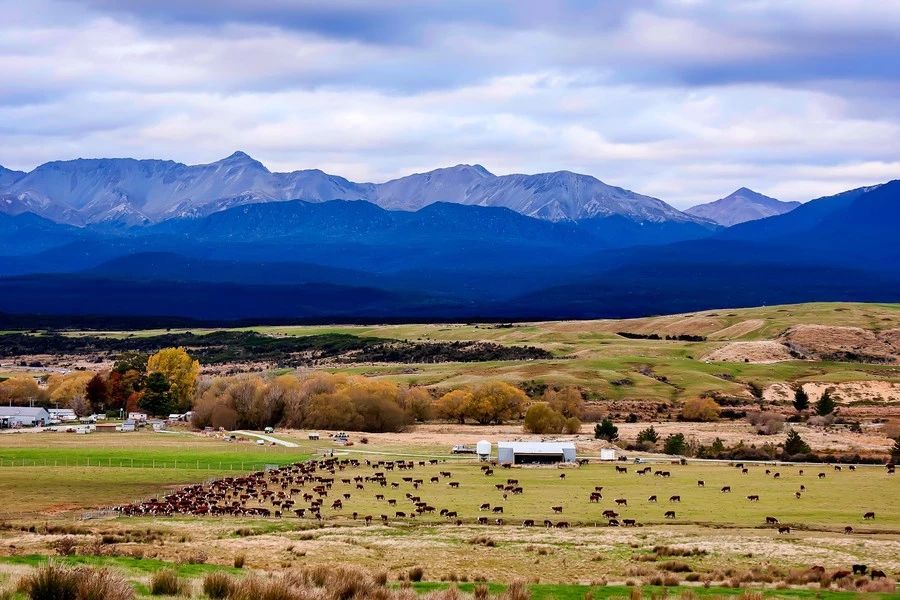
The Blue Mountains are located in the northeastern part of Jamaica, situated right within the well-known "Coffee Belt." This region not only enjoys the ideal altitude for coffee cultivation but is also covered with mineral-rich volcanic soil, providing the perfect growing environment for coffee trees. More crucially, the microclimate of the Blue Mountain area—characterized by year-round fog, high humidity, and average annual rainfall of up to 1980 mm—results in a slow and even ripening process of the coffee cherries, aiding the accumulation of flavor compounds.
What Variety Is Blue Mountain Coffee? Why Stick With Typica?
Blue Mountain coffee still exclusively uses the Typica variety. This is not only a result of historical continuity but also key to maintaining flavor consistency. Although Typica is susceptible to pests and diseases and has a low yield, in the exceptional environment and under strict cultivation management of the Blue Mountains, it can still display extreme delicacy and balance. While many producing countries have switched to varieties like Caturra or Catuai in pursuit of higher yields and disease resistance, Blue Mountain remains loyal to its original superior genetics, resulting in its irreplaceable coffee flavor.
The Processing Method of Blue Mountain Coffee: Why Washed Process?
The processing method of Blue Mountain coffee primarily uses the washed process (Washed Process), which effectively enhances the coffee's clarity and acidity. After harvest, the coffee cherries undergo floatation to remove unripe ones, followed by mechanical removal of the skin and pulp, and then fermentation to remove the mucilage layer. This process not only reduces moisture content and sun-drying time but also significantly lowers the defect rate. The mature washed technique gives Blue Mountain coffee its bright acidity and clean taste, making it one of its hallmark features.
The Grading System and Regional Distinction of Blue Mountain Coffee
Jamaica Blue Mountain coffee is divided into three main categories based on altitude and production area, with each category further subdivided into two grades, totaling six grades. From highest to lowest, they are: Blue Mountain No.1, Blue Mountain No.2, High Mountain No.1, High Mountain No.2, and Jamaica Prime Coffee Beans. Among them, only coffee grown at an altitude of910 meters to 1700 meterscan be called “Blue Mountain coffee”; those grown at460 meters to 910 metersare classified as “High Mountain coffee”; and coffee grown below460 metersis only considered “Jamaica Prime Coffee.” It is worth noting that the entire Blue Mountain coffee production area spans approximately 6,000 hectares, and only coffee produced above 910 meters in altitude can truly bear the name “Blue Mountain coffee.”
The Flavor Profile of Blue Mountain Coffee
The fame of Blue Mountain coffee lies not only in its rarity but also in its perfectly balanced flavor. Even in an era where medium-dark roasts dominate, Blue Mountain coffee can still showcase a perfect harmony of acidity, sweetness, and bitterness, accompanied by soft nutty and chocolatey notes. This layered and long-lasting taste experience has made it a representative of the “king of coffees” in the hearts of many. Especially under carefully controlled medium-dark roasting, Blue Mountain coffee exhibits a flavor profile that is both deep and refreshing.
Practical Pour-Over Brewing Suggestions and Reference Parameters for Blue Mountain Coffee
The balanced profile and delicate texture of Blue Mountain coffee make it highly suitable for showcasing its potential via pour-over. Take Blue Mountain No.1 from Clifton Mount Estate as an example. It is recommended to use a Kono filter, with water temperature controlled at88°C[temperature placeholder],with a grind size set to medium-fine (close to medium). In practice, start by pouring30 grams of waterfor a 30-second bloom, then pour up to125 gramsand wait for the coffee liquid level to drop. Then, when the liquid level reaches halfway, continue pouring up to225 grams1:15to complete the extraction, with a total coffee-to-water ratio of
The above content is compiled by CoffeeHunters, a coffee news website.


