







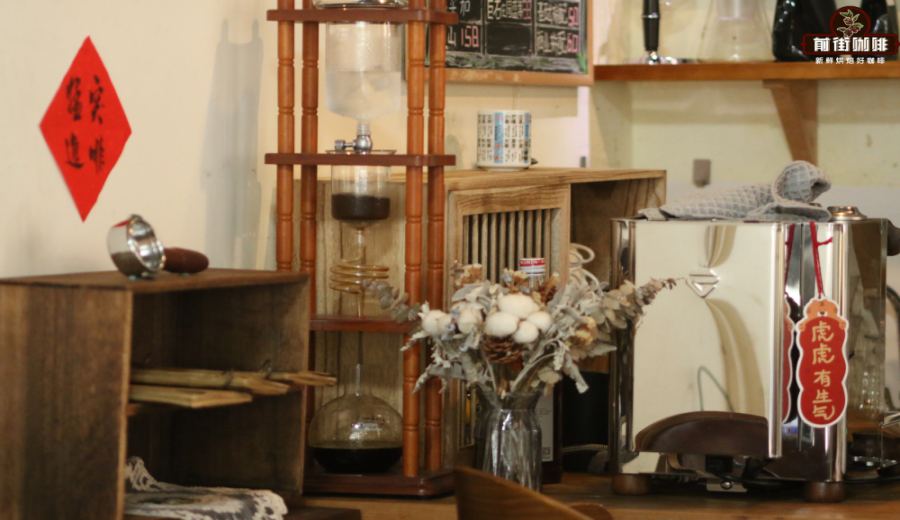
Introduction:Due to its low-temperature slow extraction characteristics, cold drip coffee has gradually become the summer favorite for many coffee enthusiasts. But you may not know that it is also known as Dutch Coffee, originating from an improvised idea during the Dutch maritime era. This article delves into the connections between cold drip, cold brew, and Dutch coffee, taking you through its historical background, equipment operation, brewing parameters, and from a practical application perspective, analyzing how to choose the right coffee beans to create your own uniquely flavored cold drip.
In recent years, cold drip coffee has become increasingly common in cafés. Watching ice water slowly seep through layers of coffee grounds reveals an indescribably soothing atmosphere. However, this low-temperature extraction technique is not only called cold drip coffee—it also goes by another name—Dutch Coffee. What are the similarities and differences between it and the more familiar cold brew or cold steep? And how should one correctly operate a cold drip brewer? The following will comprehensively break down this craftsmanship full of artistry, covering its historical origins, equipment structure, brewing techniques, and bean selection.
The Basic Principle of Cold Drip Coffee
Cold drip coffee involves ice water dripping at a steady rate through coffee grounds, uniformly extracting aromatic compounds under normal temperature and low pressure conditions. Due to the lower water temperature, bitter substances are less likely to be released, and the slow, steady extraction process results in a final flavor that is rich yet not overly intense, with a refreshing taste and distinct layers. If you choose coffee beans with pronounced fermentation notes or fruity characteristics, these features can be further highlighted—especially suitable for enjoying with ice cubes during hot seasons.
The Origin and Evolution of Dutch Coffee
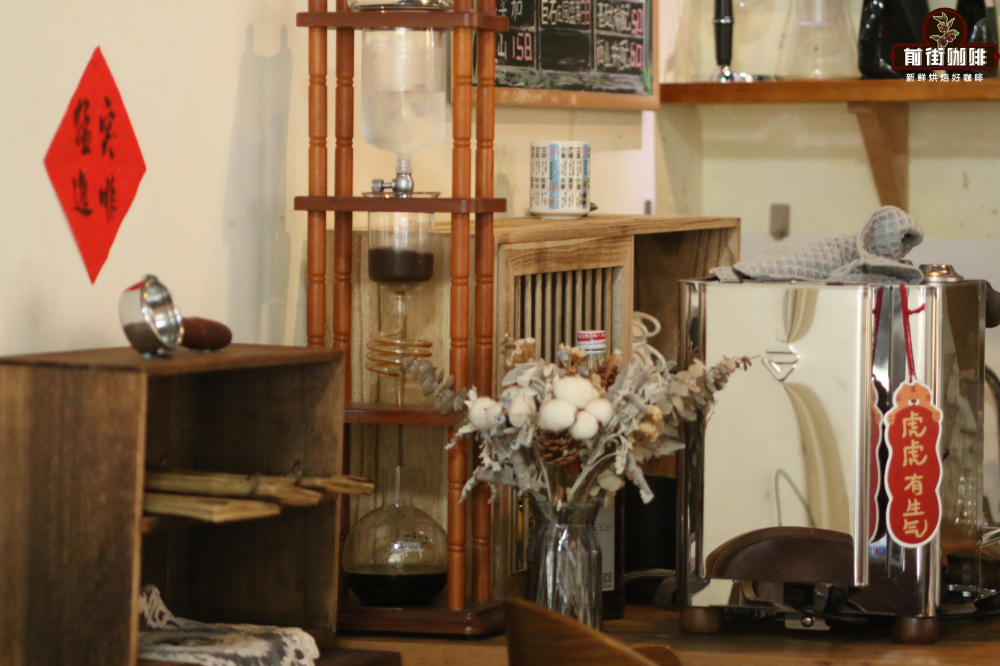
When talking about cold drip coffee, its historical origins cannot be overlooked. As early as the early 18th century, Dutch merchant fleets, while transporting Indonesian coffee beans back to Europe, attempted to soak ground coffee in cold water for several hours to solve the problem of being unable to boil water on board. This improvised method unexpectedly extracted a sweet coffee liquid without bitterness, becoming a great pick-me-up for sailors during long voyages.
Although this cold water extraction method originated in the Netherlands, it did not become widespread there. Instead, it was later adopted and refined by Japanese coffee enthusiasts, evolving into the cold drip coffee form we are familiar with today. Therefore, the claim that “cold drip coffee was invented by the Japanese” is not entirely accurate. A more precise statement would be: Japan continuously optimized the original Dutch technique, allowing this technology to be preserved and passed down to this day.
In short, Dutch Coffee refers to the general term for techniques that use cold water to steep or drip-filter coffee grounds, among which cold drip coffee (Cold Drip Coffee) is one of its most representative forms. In addition, cold brew coffee (Cold Brew Coffee) also belongs to the same family of low-temperature, long-duration extraction, typically involving mixing a large amount of ice water with coffee grounds and letting it sit for 12 to 24 hours before filtering and drinking. Its flavor often carries a soft vinous note with sweet and sour undertones.
The Structure and Use of a Cold Drip Brewer
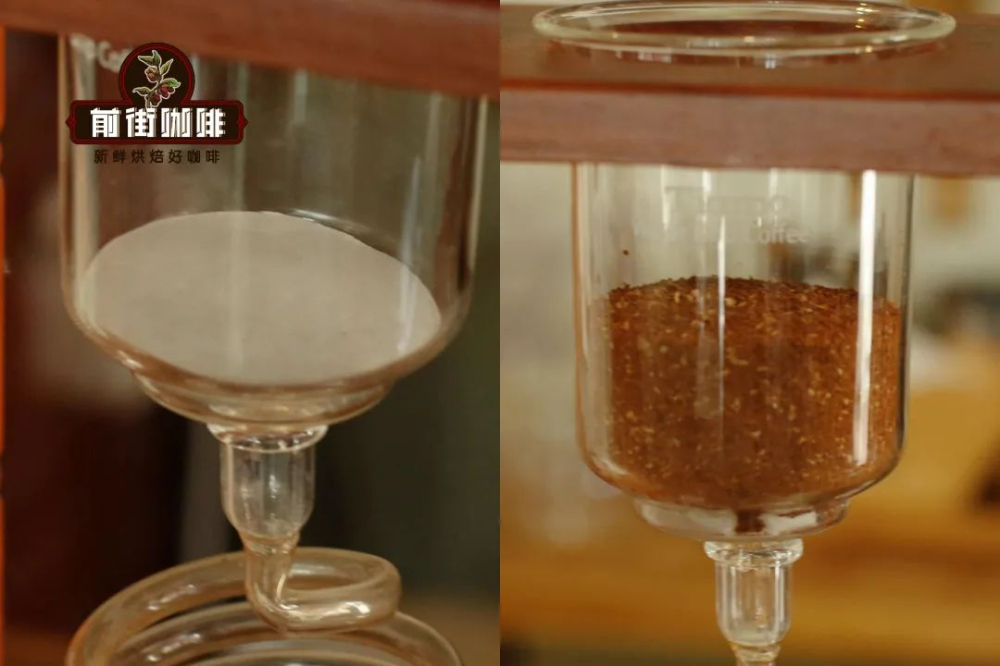
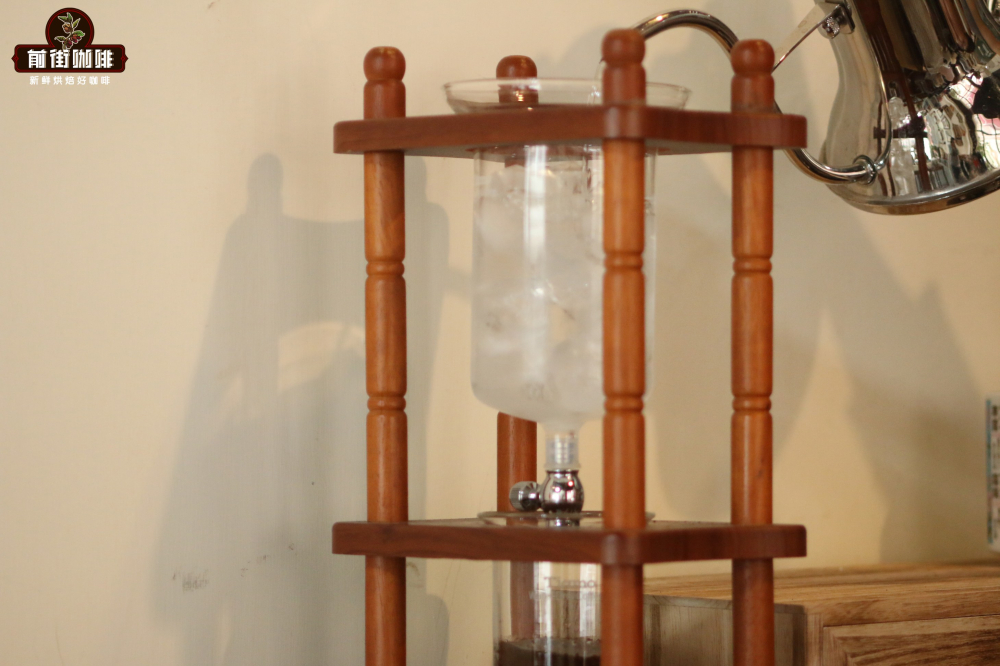
Although cold drip brewers on the market vary in appearance and material, their basic structure is largely the same, usually consisting of four main parts: the top chamber, middle chamber, coffee grounds chamber, and bottom chamber. The top chamber holds the ice water mixture, with a valve in the middle that controls the drip rate; the middle chamber contains the ground coffee, with a filter at the bottom allowing the extracted liquid to drip down; the bottom chamber is responsible for collecting the final coffee liquid.
Taking practical operation as an example, selecting a coffee bean with distinct flavors—such as those with notes of raisin, osmanthus, and fruit fermentation—can showcase richer layers during the cold drip process. The grind size is recommended to be similar to that for iced pour over, typically using a 20-mesh Chinese sieve with an 85% extraction rate, or a grinder setting such as 9 on the ek-43s, slightly finer to compensate for the lower extraction efficiency at low temperatures.
The general recommendation for the coffee-to-water ratio is set at 1:10, meaning 60 grams of coffee grounds to 600 grams of ice water mixture, with the valve flow rate adjusted to 7 drops per 10 seconds. The entire process takes approximately 6 to 8 hours. The ice-to-water ratio is advised to be maintained at 1:1, and can be fine-tuned to the 1:10 to 1:12 range based on personal taste.

During operation, first attach filter paper to the bottom of the middle chamber and evenly spread the coffee grounds, then cover with another layer of filter paper to prevent the water flow from dispersing the coffee layer. Pre-wetting the coffee layer with cold water helps achieve even extraction and reduces waiting time. Then place the coffee chamber on the stand, slowly pour in the ice water mixture, and adjust the valve so that the water drips directly onto the center of the coffee grounds layer to ensure stable extraction. After the dripping is complete, it is recommended to pour the coffee liquid into a sealed container, refrigerate and let it rest for more than 12 hours to allow the flavors to mature, and it can be enjoyed the next day.
How to Choose Coffee Beans Suitable for Cold Drip
Due to the long extraction time and low water temperature of cold drip coffee, it is recommended to select beans with distinct and rich flavor profiles, which can better highlight their unique charm. Here are several common and suitable types of coffee beans for cold drip:
1. Tropical Fruits and Fermented Wine Aroma Types
These coffee beans usually have pronounced notes of berries, grapes, or fruit fermentation aromas. After low-temperature slow extraction, the wine-like character becomes more prominent, with rich and layered flavors. For example, some anaerobically processed beans can showcase intense dried fruit and floral notes, and cold drip enhances their refreshing wine undertones.
2. Clean and Refreshing Types
Washed-process coffee beans often have clean and bright acidity, such as the refreshing flavors of cherry tomatoes or grapefruit. When made into cold drip, they resemble chilled juice, especially suitable for summer consumption, offering a crisp and invigorating taste.
3. Sweet and Full-Bodied Types
Although dark roasted beans are often considered unsuitable for cold drip, in reality, beans like Indonesian Golden Mandheling can exhibit rich chocolate and fermentation aromas after cold drip, with a smooth mouthfeel and no bitterness. For those who prefer milder options, Brazilian or Central and South American beans are also good choices, often carrying nutty and buttery tones.
4. Blended Flavor Types
Cold drip coffee is also suitable for blending different single-origin beans in proportion, creating more layered and personalized flavor combinations. For instance, combining wine-like and fruity acidity, or balancing sweetness and body, can all be adjusted according to personal preference.
Regardless of the type chosen, it is recommended to prioritize the roast date, opting preferably for freshly roasted beans (within 5 days) to ensure optimal flavor performance.
The above content is compiled by CoffeeHunters, a coffee news website.


