







Introduction:Making latte at home often leads to a frustrating experience where it turns out either too bitter, too weak, or both. The key lies in selecting the right roast level of espresso blend and mastering stable extraction parameters. This article delves into roast level selection, coffee-to-water ratio, milk proportion, and extraction techniques, helping you find a formula that suits your taste and consistently brew a well-balanced, rich latte.
Many people’s first encounter with latte is captivated by the layered texture where delicate milk foam meets coffee crema. But when trying to make it at home, they often face the embarrassment of the coffee being too bitter, too weak, or both. In fact, whether a latte tastes great often hinges on the roast level of the espresso blend used and whether the espresso extraction conditions are appropriate. This article will systematically analyze factors affecting latte flavor—from bean roast degree, coffee-to-water ratio, milk selection to extraction details—so you can also easily brew a smooth, balanced latte at home.
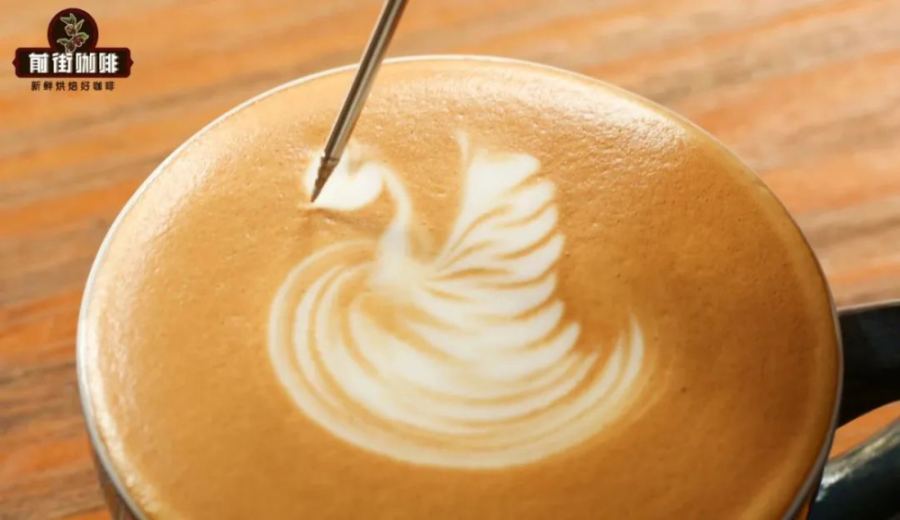
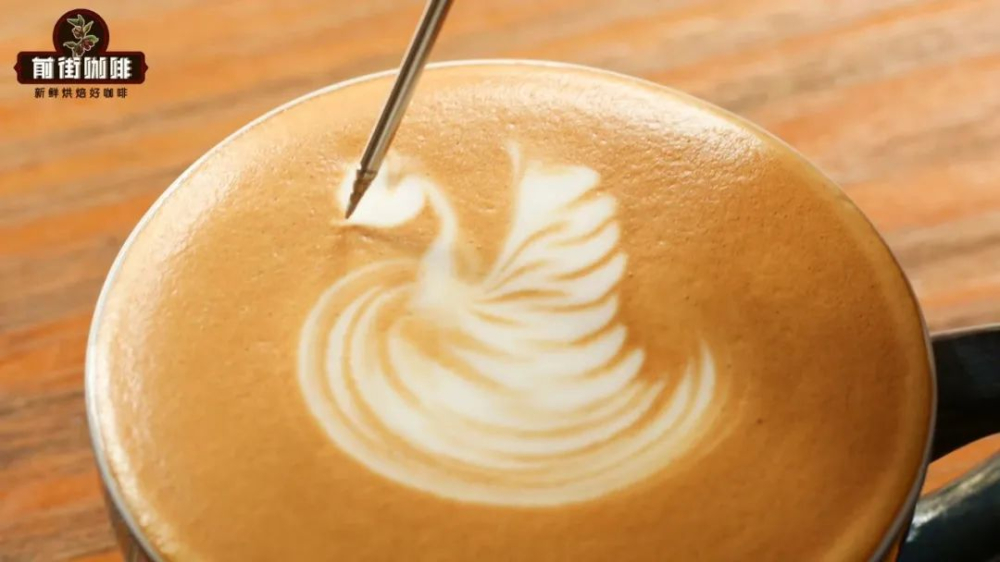
Do you still remember the first time you tasted a latte? The scene may be blurry by now, but that first impression is often unforgettable. You’re first drawn in by the delicate latte art, take a sip, and the coffee crema delivers a subtle sweetness paired with a gentle bitterness; with the second sip, the initial intensity transforms into roundness and smoothness, perfectly blending with the natural sweetness of hot milk. The overall mouthfeel is harmonious and comforting, with an aftertaste reminiscent of creamy chocolate.
Just as “there are a thousand Hamlets in a thousand readers’ eyes,” everyone has a different definition of the ideal latte: some seek a bold and solid texture, others prefer rich aroma with balanced layers, while some are simply fascinated by the beautiful milk foam art. Yet, when a latte becomes hard to swallow, there’s a surprisingly common consensus—it’s either overly bitter and harsh, or as bland as plain water with no character, or even both. What’s really behind this?
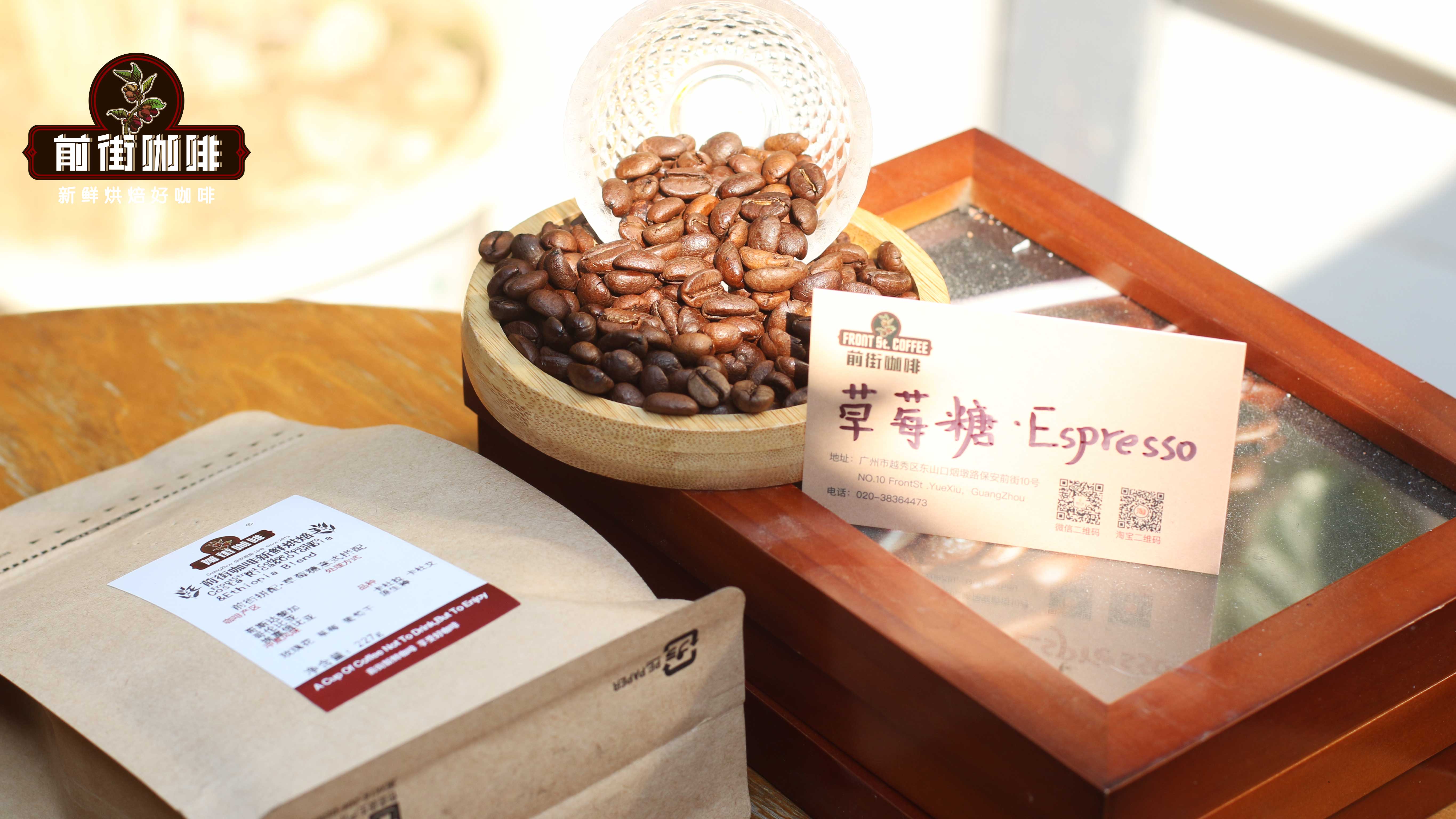
Let’s first look at how the coffee base of a latte is constructed. Most cafés opt for medium-dark roasted espresso blends, usually combining beans from regions like Brazil and Yunnan, delivering notes of cocoa, nuts, and caramel, with a mild taste and high acceptance—making them a top choice for many home users. If you’re more sensitive to bitterness, you might consider blends with prominent fruity profiles or SOEs (single-origin espressos), such as those blending beans from Costa Rica, Colombia, and Ethiopia, offering floral, citrus, and berry aromas, ideal for those who prefer a refreshing taste.
In practice, it’s recommended to follow common espresso extraction parameters: a coffee-to-water ratio of 1:2, meaning about 2 grams of coffee liquid is extracted from 1 gram of coffee grounds, with extraction time controlled between 25 to 35 seconds. For example, using a double shot basket with 20 grams of coffee, aim to extract 40 grams of espresso within 27 to 33 seconds, ensuring no channeling, splashing, or unstable flow occurs during extraction.
When making hot latte, it’s advised to heat fresh milk to 55–65°C and froth it to about 0.3–0.5 cm thick milk foam, then combine roughly 220 ml of milk with the espresso at a 1:5.5 ratio, mix well, and pour into a ceramic cup, finishing with a simple and appealing latte art. For iced latte, start by adding a few ice cubes, then pour in 200 g of fresh milk at a 1:5 ratio, followed by 40 g of espresso, which helps maintain a clear layered visual effect.
As long as you get the coffee bean selection, milk ratio, and espresso stability right, recreating a delicious latte at home isn’t difficult. On the contrary, if your latte doesn’t taste good, it’s usually because one of these elements went wrong. Next, we’ll analyze the most common latte flavor issues.
First up: “Why is my latte too bitter?” In truth, due to the large amount of milk added, lattes are not supposed to be very bitter. If you detect strong bitterness, it’s usually a problem with the espresso—possibly the beans are roasted too dark, or the extraction parameters are off. Typically, the espresso blends commonly used in shops are medium-dark to slightly darker roasts, aiming to preserve flavor while delivering moderate bitterness and richness, and achieving good balance with milk.
However, excessive bitterness in lattes often stems from over-extraction—for instance, slow flow rate (over 35 seconds), channeling, or splashing liquid column causing certain coffee grounds to be over-extracted. One user reported that even though using the same beans and settings, one particular latte turned out unusually bitter and devoid of aroma. Upon inspection, a hole was found in the coffee puck, likely due to clumped coffee causing channeling and localized over-extraction. Adjusting grind size or breaking up clumps beforehand can help resolve the issue.
Next, let’s discuss why a latte might taste “too watery or weak.” The richness of a latte mainly depends on how the espresso and milk come together. Here, milk selection is especially important. It’s recommended to use whole fresh milk first, as its higher fat content produces dense and stable microfoam, enhancing the overall body and creaminess. In contrast, low-fat or skim milk tends to produce thinner foam and can make the latte taste diluted.
Also, using a light-roast SOE (single-origin espresso) to make latte can lead to under-extraction due to insufficient roast level, resulting in overly light flavors—as if you’re just drinking hot milk with a hint of aroma. There was a case where a lighter-roasted Huakui 8.0 was used as an SOE for latte; even with reduced milk ratio, it still tasted insipid. Therefore, if you opt for single-origin beans with prominent fruity tones for latte, choose the corresponding SOE version and pay attention to whether the extraction is adequate.
Finally, let’s talk about a common yet contradictory taste: “the latte is both bitter and weak.” This usually happens when using slightly darker-roasted beans—the espresso itself carries intense roasted aromas and late-stage woody or off-flavors. If combined with a higher extraction ratio (e.g., 18 g of coffee yielding 40 g of liquid, roughly a 1:2.22 ratio), it can lead to over-extraction, making the coffee overly bitter. But at the same time, the increased total liquid volume dilutes the concentration, creating that oddly bitter-yet-weak sensation.
If you’ve encountered something similar, try reducing the yield—for example, adjusting from 40 g down to 35 g. This not only helps avoid over-extraction but also increases the overall concentration of the espresso, making the latte flavor richer and more balanced.
The above content is compiled by CoffeeHunters, a coffee news website.


