







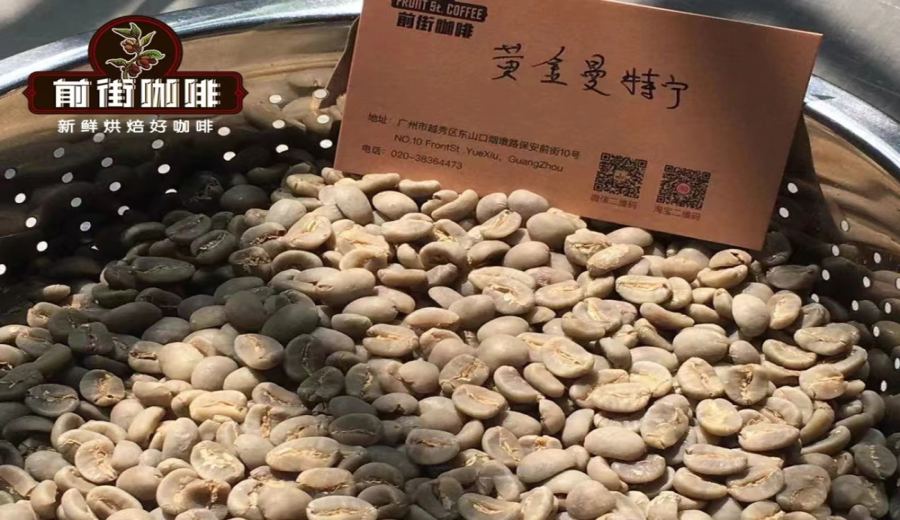
Introduction:Sumatra Mandheling coffee is renowned for its bold, full-bodied flavor and is considered a classic among many coffee enthusiasts. This article delves into its regional characteristics, explores the differences between Lintong and Mandheling, and explains the flavor variations from DP Grade 1 to specialty reserve grades. It also provides practical pour over parameters to help you fully experience the allure of this top-tier Asian coffee.
Mandheling coffee originates from Sumatra Island in Indonesia and is one of the most representative Arabica coffees in Asia. This coffee not only enjoys an excellent reputation in the international market but also stands out as a favorite among many pour over coffee lovers due to its rich, full-bodied taste and unique terroir characteristics. The growing regions are primarily concentrated in the highlands around Lintong in northern Sumatra, where altitude, soil, and microclimate combine to create the distinctive flavor profile of Mandheling.
In terms of regional distribution, Indonesian coffee cultivation spans three major islands: Java, Sulawesi, and Sumatra. Among these, Arabica coffee from Sumatra is most famously known by two names: Lintong and Mandheling. Notably, Lintong refers specifically to coffee beans produced in a small, high-altitude area southwest of Lake Toba, often on clay plateaus with dense vegetation and undulating slopes. These areas are mostly cultivated by smallholders without shade trees and almost no chemical fertilizers are used, resulting in a pure and natural flavor foundation. Meanwhile, Mandheling is a broader classification that encompasses coffee grown in similar environments, including those from the Diari region and the northern part of Lake Toba.
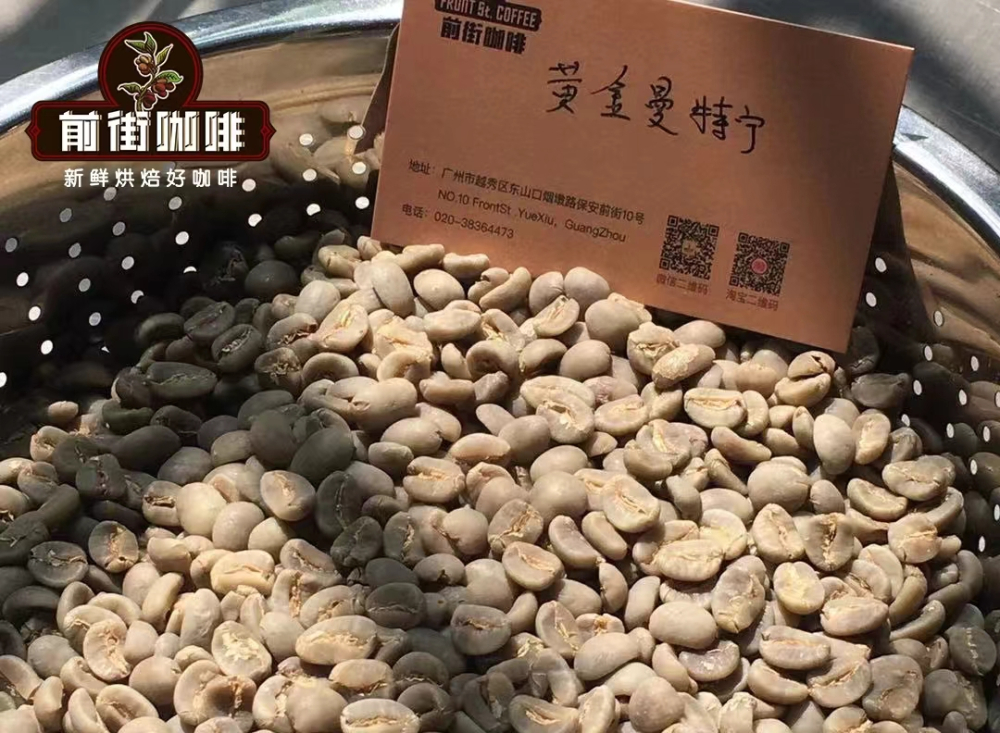
When it comes to the grading and flavor of Sumatra Mandheling, DP Grade 1 is one of the most representative types. This coffee is known for its deep, layered flavor profile, often featuring distinct earthy and forest-like notes, with a long aftertaste that carries a hint of sweetness. Upon tasting, it has relatively low acidity, with subtle floral and fruity hints, yet it exhibits strong body and a balanced bitterness and sweetness. It is especially well-suited for drinkers who prefer dark roasts and intense flavors. Many people can immediately sense its bold and steady character upon first taste, which is one of the reasons Mandheling has long been hailed as the "strongman of coffee."
In addition to DP Grade 1, specialty reserve Sumatra Mandheling is another noteworthy option. This coffee undergoes a special aging process before export, typically stored for about three years. However, this is not merely aged coffee but rather a controlled maturation process managed by regulating temperature and humidity. This process further reduces acidity while enhancing body and aroma complexity. Reserve Mandheling often features rich spicy, aromatic, or chocolate-like aftertastes, sometimes even exuding a warm, walnut-like texture. These characteristics allow it to display extremely rich layers whether brewed using pour over or French press methods.
For readers who wish to brew Mandheling coffee themselves, it is recommended to use a medium-coarse grind, with water temperature controlled between 90–93°C. A pulsed extraction method is advised — for example, initially pouring 30% of the hot water to bloom for 30 seconds, followed by pouring the remaining water in stages. The total extraction time should ideally be around 2 minutes and 30 seconds to 3 minutes. These parameters effectively highlight Mandheling’s rich base notes and low acidity while avoiding over-extraction that could lead to excessive bitterness.
Overall, Sumatra Mandheling coffee holds a unique place in the global specialty coffee market thanks to its distinctive terroir and bold, full-bodied flavor. Whether you’re a beginner pour over enthusiast or a seasoned coffee connoisseur seeking deep flavor experiences, you can find your preferred taste profile in both DP Grade 1 and specialty reserve Mandheling. By gaining a deeper understanding of its regional characteristics and suitable brewing methods, you’ll be able to more fully appreciate the profound charm of this classic coffee.
The above content is compiled by CoffeeHunters, a coffee news website.


